This book addresses basic and applied aspects of two nexus points of microorganisms in agro-ecosystems, namely their functional role as bio-fertilizers and bio-pesticides.
Taxonomic Guide to Infectious Diseases: Understanding the Biologic Classes of Pathogenic Organisms, Second Edition tackles the complexity of clinical microbiology by assigning every infectious organism to one of 40+ taxonomic classes and providing a description of the defining traits that apply to all the organisms within each class.
Introduction to Adsorption: Basics, Analysis, and Applications presents adsorption basics that are relevant and essential to its application, including data analysis, interpretation and design calculations.
Advances in Biological Science Research: A Practical Approach provides discussions on diverse research topics and methods in the biological sciences in a single platform.
Freshwater Microbiology: Perspectives of Bacterial Dynamics in Lake Ecosystems provides a comprehensive and systematic analysis of microbial ecology in lakes.
Food Industry Wastes: Assessment and Recuperation of Commodities, Second Edition presents a multidisciplinary view of the latest scientific and economic approaches to food waste management, novel technologies and treatment, their evaluation and assessment.
Advances in Microbial Physiology, Volume 75, the latest release in this ongoing series, continues the long tradition of topical, important, cutting-edge reviews in microbiology.
Advances in Microbial Physiology, Volume 74, the latest release in this ongoing series, continues the long tradition of topical, important, cutting-edge reviews in microbiology.
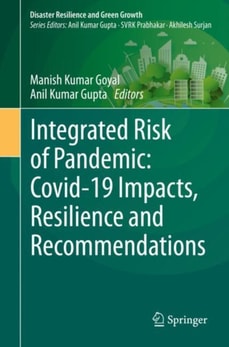
In light of the novel corona virus outbreak in December 2019 and its subsequent impact on entire world as a global pandemic, the book attempts to provide integrated risk assessment on Covid -19 like pandemics, as well as to understand the societal, environment and economic impact of the outbreak in various sectors of development.
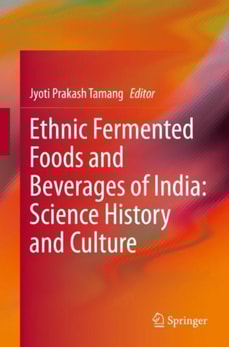
This work provides comprehensive coverage of the preparation, processing, marketing, safety and nutritional aspects of traditional foods across the globe.
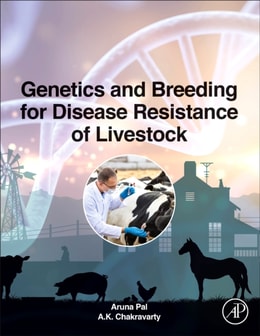
Genetics and Breeding for Disease Resistance of Livestock is a solid resource that combines important information on the underlying genetic causes and governing factors for disease resistance in food animals and applications for breeding purposes.
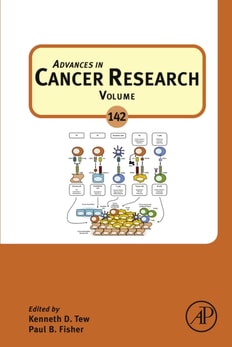
Advances in Cancer Research, Volume 142, the latest release in this ongoing, well-regarded serial, provides invaluable information on the exciting and fast-moving field of cancer research.
This book presents a comprehensive collection of articles illustrating the importance of microbial community structure and function for ecosystem sustainability and environmental reclamation.
In this book, researchers and practitioners working in the field present the major promises of algae biotechnology and they critically discuss the challenges arising from applications.
Immunotherapy of Cancer, Volume 143, the latest release in the Advances in Cancer Research series, provides invaluable information on the exciting and fast-moving field of cancer research.
Current Trends and Future Developments in Bio-Membranes: Membrane Technology for Water and Wastewater Treatment - Advances and Emerging Processes presents recent advances and a status update on the applications of membrane processes to both urban and industrial wastewater.
Recent Developments in Applied Microbiology and Biochemistry provides a comprehensive treatment and understanding on application oriented microbial concepts, giving readers insights into recent developments in microbial biotechnology and medical, agricultural and environmental microbiology.
This book provides up-to-date information on the state of the art in applications of biotechnological and microbiological tools for protecting the environment.
This book highlights the impact of climate change on the soil microbiome and its subsequent effects on plant health, soil-plant dynamics, and the ecosphere.
This text comprehensively covers novel, innovative technologies used in the food and beverage industries in order to provide safe and healthy foods for consumers.
Genomics and Biotechnological Advances in Veterinary, Poultry, and Fisheries is a comprehensive reference for animal biotechnologists, veterinary clinicians, fishery scientists, and anyone who needs to understand the latest advances in the field of next generation sequencing and genomic editing in animals and fish.
Virus as Composition, Complexity, Quasispecies, Dynamics, and Biological Implications, Second Edition, explains the fundamental concepts surrounding viruses as complex populations during replication in infected hosts.
Biochar Application: Essential Soil Microbial Ecology outlines the cutting-edge research on the interactions of complex microbial populations and their functional, structural, and compositional dynamics, as well as the microbial ecology of biochar application to soil, the use of different phyto-chemical analyses, possibilities for future research, and recommendations for climate change policy.
Sialic Acids and Sialoglycoconjugates in the Biology of Life, Health and Disease enables the reader to understand the role of sialylation as a post translational modification.
Food Applications of Nanotechnology, Volume 88, consolidates the literature on recent developments in nanotechnology, addressing production, safety and nutritional aspects pertaining to foods and nutraceuticals.
Rampant industrialization has caused high levels of contamination by various toxic chemicals in our water bodies, which is a matter of concern in terms of ecosystems, as well as human and animal health.
Analytical Methods for Agricultural Contaminants provides proven laboratory practices and methods necessary to control contaminants and residues in food and water.
This two-volume edited book highlights and reviews the potential of the fossil record to calibrate the origin and evolution of parasitism, and the techniques to understand the development of parasite-host associations and their relationships with environmental and ecological changes.
In the past few decades, it has been realized through research that fungal siderophores epitomize the uptake of iron as well as other essential elements like zinc, magnesium, copper, nickel and arsenic.
This book serves as essential reading for research scientists and biotechnologists from both academia and industry working in marine biotechnology and related disciplines.
This book discusses the latest developments in our understanding of microbial endophytes, their ecology, diversity and potential biotechnological applications.
In the current era current era of significant innovations, science and technology are powerful tools improving human welfare through prosperity and sustainable development.
Applied Microbiology and Bioengineering: An Interdisciplinary Approach discusses recent advances in microbiology and cutting-edge biotechnology that have generated interest among researchers.
Nitric Oxide and Other Small Signalling Molecules, Volume 73, the latest release in the Advances in Microbial Physiology series, continues the long tradition of topical, important, cutting-edge reviews in microbiology.
Advances in Applied Microbiology, Volume 102, the latest release in one of the most widely read and authoritative review sources in microbiology, contains comprehensive reviews of the most current research in applied microbiology.