This volume explores the latest techniques used to study environmental microbial evolution, with a focus on methods capable of addressing deep evolution at long timescales.
This detailed volume introduces different methods to assess the structure and folding of bacterial amyloids and analyze their functions, either in vitro or in vivo.
Focusing on microbial community structure in the field of wastewater treatment, this book highlights structural analyses in relation to changes in physico-chemical parameters.
Focusing on microbial community structure in the field of wastewater treatment, this book highlights structural analyses in relation to changes in physico-chemical parameters.
The influence of the gut microbiome on human health and disease has been established in recent years through advances in high-throughput DNA sequencing.
The influence of the gut microbiome on human health and disease has been established in recent years through advances in high-throughput DNA sequencing.
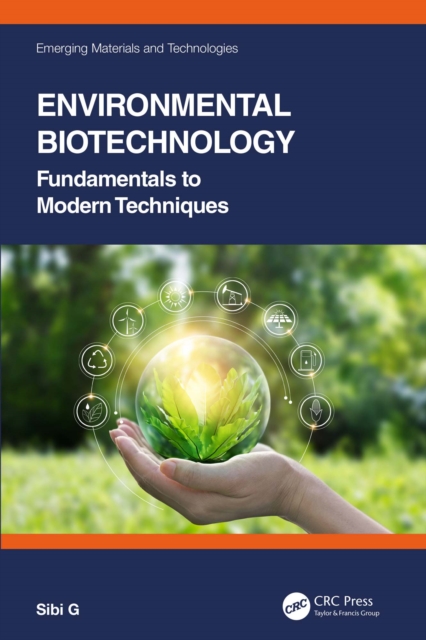
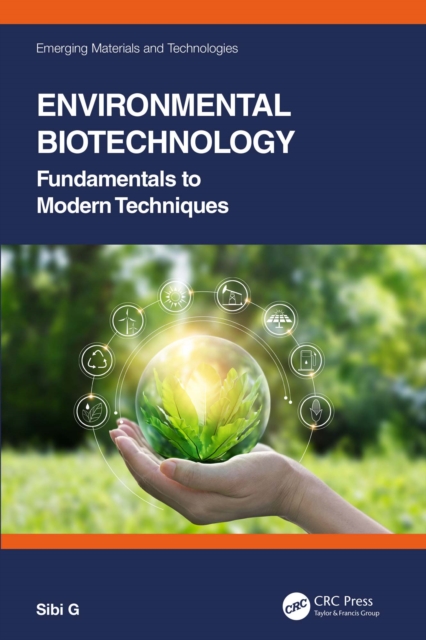
This book approaches the topic of environmental biotechnology in a clear, integrated, and meaningful way, covering both the fundamentals and biochemical processes involved, as well as the technologies themselves within different areas of application.
This book approaches the topic of environmental biotechnology in a clear, integrated, and meaningful way, covering both the fundamentals and biochemical processes involved, as well as the technologies themselves within different areas of application.
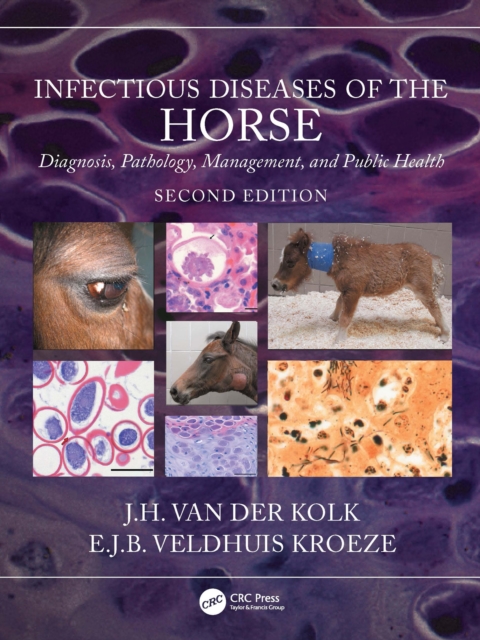
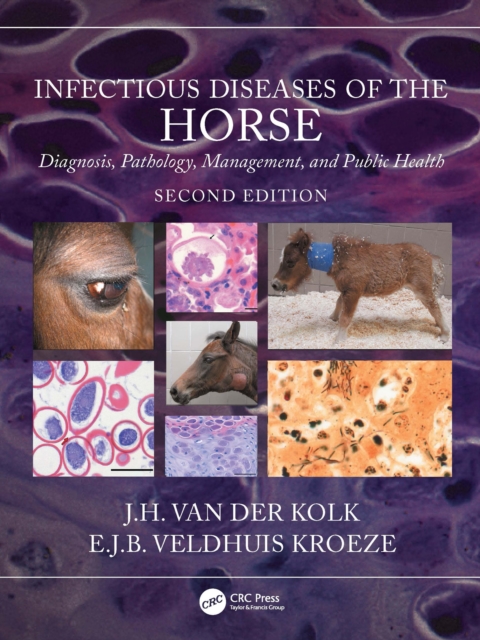
A clinician and a pathologist collaborate to create a comprehensive yet practical book about established infectious diseases of horses, categorised according to the different pathogens.
A clinician and a pathologist collaborate to create a comprehensive yet practical book about established infectious diseases of horses, categorised according to the different pathogens.
Plant-microbe interaction is a powerful and promising link to mitigate the various kinds of stresses like drought, salinity, heavy metals, and pathogenic effects.
Plant-microbe interaction is a powerful and promising link to mitigate the various kinds of stresses like drought, salinity, heavy metals, and pathogenic effects.
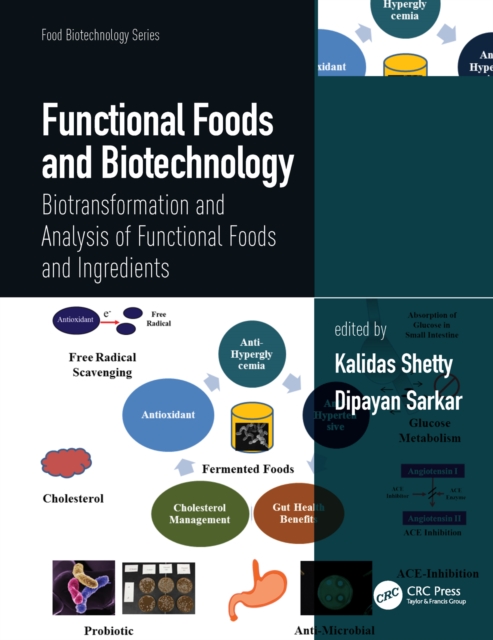
The second book of the Food Biotechnology series, Functional Foods and Biotechnology: Biotransformation and Analysis of Functional Foods and Ingredients highlights two important and interrelated themes: biotransformation innovations and novel bio-based analytical tools for understanding and advancing functional foods and food ingredients for health-focused food and nutritional security solutions.
The second book of the Food Biotechnology series, Functional Foods and Biotechnology: Biotransformation and Analysis of Functional Foods and Ingredients highlights two important and interrelated themes: biotransformation innovations and novel bio-based analytical tools for understanding and advancing functional foods and food ingredients for health-focused food and nutritional security solutions.
Bioremediation using microbes is a sustainable technology for biodegradation of target compounds, and an omics approach gives more clarity on these microbial communities.
Bioremediation using microbes is a sustainable technology for biodegradation of target compounds, and an omics approach gives more clarity on these microbial communities.
For the past century, it has been known that plants possess genetically inherited resistance mechanisms to combat phytopathogenic fungi, bacteria and viruses, and that the relationship between pathogens and host plants is highly specialized and complex.
For the past century, it has been known that plants possess genetically inherited resistance mechanisms to combat phytopathogenic fungi, bacteria and viruses, and that the relationship between pathogens and host plants is highly specialized and complex.
Traditional studies in mycology mainly deal with damage caused by fungi, for instance, diseases of plants, animal ailments, air-borne pathogens, decomposition of wood and production of mycotoxins in food.
Traditional studies in mycology mainly deal with damage caused by fungi, for instance, diseases of plants, animal ailments, air-borne pathogens, decomposition of wood and production of mycotoxins in food.
UV light is one of a number of emerging non-thermal food processing technologies that can be used in a broad range of applications producing food products with longer shelf-life, more safe, and with higher nutritional quality.
The ten chapters of this textbook, written in a simple but scientific language, encompass all the non-thermal treatments in-depth, from basic concepts to technological advances.
The ten chapters of this textbook, written in a simple but scientific language, encompass all the non-thermal treatments in-depth, from basic concepts to technological advances.
Microbial Products: Applications and Translational Trends offers complete coverage of the production of microbial products, including biopolymers, biofuels, bioactive compounds, and their applications in fields such as bioremediation, agriculture, medicine, and other industrial settings.
Microbial Products: Applications and Translational Trends offers complete coverage of the production of microbial products, including biopolymers, biofuels, bioactive compounds, and their applications in fields such as bioremediation, agriculture, medicine, and other industrial settings.