While evolving molecular diagnostic methods are being heralded for the role they will play in improving our ability to cultivate and identify bacteria, fungi, and viruses, the reality is that those new methods are still beyond the technical and financial reach of most clinical laboratories.
The second edition of a bestseller, this book provides a comprehensive reference for the cultivation of bacteria, Archaea, and fungi from diverse environments, including extreme habitats.
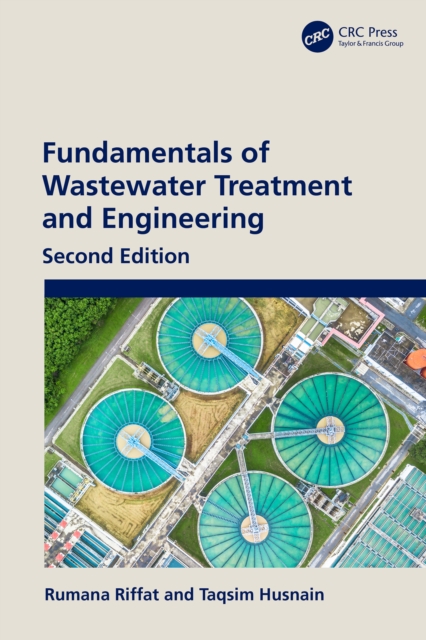
The 2nd edition of Fundamentals of Wastewater Treatment and Design introduces readers to the fundamental concepts of wastewater treatment, followed by engineering design of unit processes for sustainable treatment of municipal wastewater and resource recovery.
The 2nd edition of Fundamentals of Wastewater Treatment and Design introduces readers to the fundamental concepts of wastewater treatment, followed by engineering design of unit processes for sustainable treatment of municipal wastewater and resource recovery.
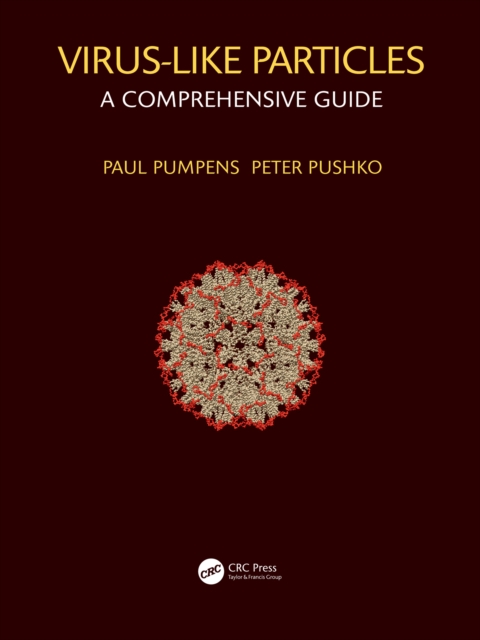
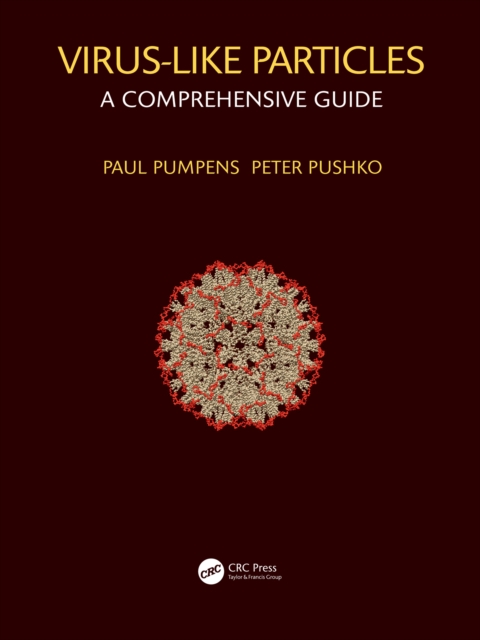
This book represents the first complete and systematic guide to the virus-like particles (VLPs) and their applications as vaccines, therapeutic tools, nanomaterials, and nanodevices.
This book represents the first complete and systematic guide to the virus-like particles (VLPs) and their applications as vaccines, therapeutic tools, nanomaterials, and nanodevices.
Nanomaterials in the Battle Against Pathogens and Disease Vectors presents an overview of the use of nanotechnology to mitigate pathogens of concern, and is the first book to discuss applications of nanotechnology in the fight against all three major domains of disease-causing pathogens.
Nanomaterials in the Battle Against Pathogens and Disease Vectors presents an overview of the use of nanotechnology to mitigate pathogens of concern, and is the first book to discuss applications of nanotechnology in the fight against all three major domains of disease-causing pathogens.
This book details microbial remediation of azo dyes from wastewater including information on existing methods and technologies, their graduation, the emergence of new technologies, industrial practices, and real-case studies.
This book details microbial remediation of azo dyes from wastewater including information on existing methods and technologies, their graduation, the emergence of new technologies, industrial practices, and real-case studies.
Wastewater Treatment: Molecular Tools, Techniques, and Applications provides an insight about the application of different tools and technology for exploring microbial structure-function relationships that involved in WWTPs.
Wastewater Treatment: Molecular Tools, Techniques, and Applications provides an insight about the application of different tools and technology for exploring microbial structure-function relationships that involved in WWTPs.
In the last decade, there has been substantial research dedicated towards prospecting physiochemical, nutritional and health properties of novel protein sources.
In the last decade, there has been substantial research dedicated towards prospecting physiochemical, nutritional and health properties of novel protein sources.
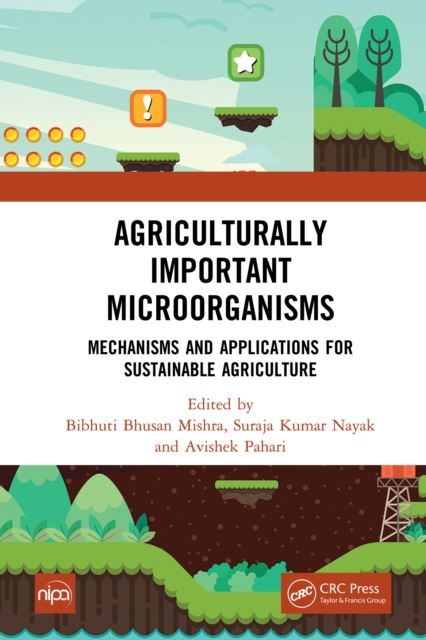
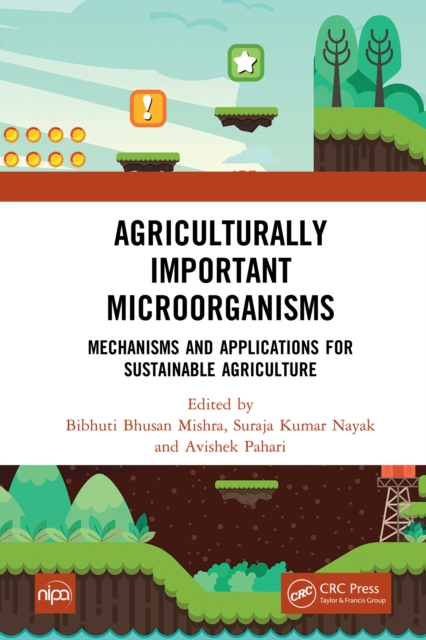
The book encompasses different Agriculturally Important microorganisms (AIMs), mechanisms of action and modes of application for sustainable agriculture.
The book encompasses different Agriculturally Important microorganisms (AIMs), mechanisms of action and modes of application for sustainable agriculture.
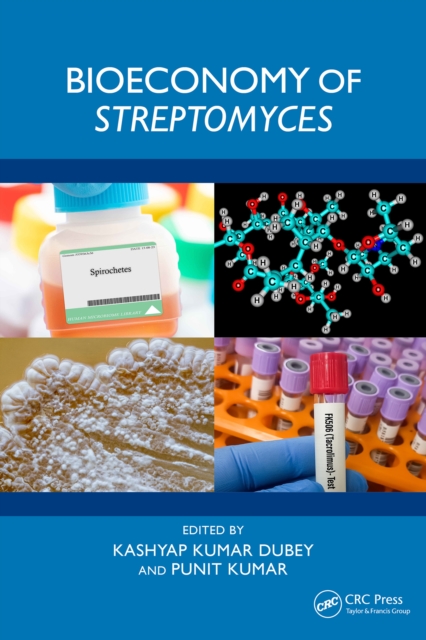
This book provides a comprehensive understanding of streptomycetes, highlighting their various habitats, diversity, genetic structure, and metabolic engineering techniques to enhance the production of secondary metabolites.
The intent of this book is to provide a detailed and specific set of guidelines for both aquapreneurs and researchers related to the application of Biofloc Technology in aquaculture.
The intent of this book is to provide a detailed and specific set of guidelines for both aquapreneurs and researchers related to the application of Biofloc Technology in aquaculture.
Microorganisms comprise the greatest genetic diversity in the natural ecosystem, and characterization of these microbes is an essential step towards discovering novel products or understanding complex biological mechanisms.
Microorganisms comprise the greatest genetic diversity in the natural ecosystem, and characterization of these microbes is an essential step towards discovering novel products or understanding complex biological mechanisms.