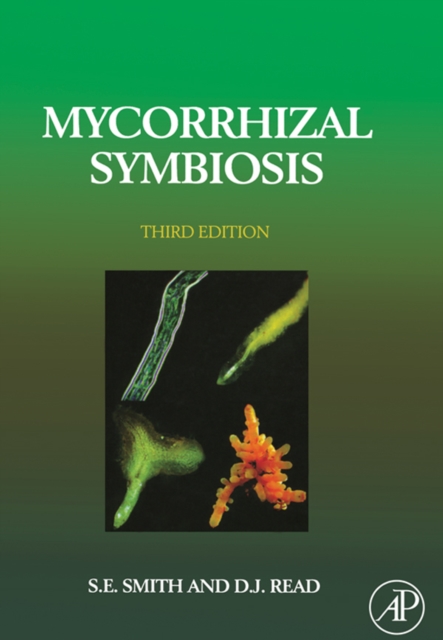
The roots of most plants are colonized by symbiotic fungi to form mycorrhiza, which play a critical role in the capture of nutrients from the soil and therefore in plant nutrition.
This book provides a picture of food traceability for all aspects of the food system, recognizing the unique differences, challenges, and "e;states of the industry"e; in different types of food products, as well as the different pressures and opportunities at different points in the supply chain and the research that has already been done.
In the pursuit of technological advancement in the field of biotechnology and pharmaceutical industries to counteract health issues, bacterial infections remain a major cause of morbidity and mortality.
This book provides overviews and updates on basic research, diagnosis, epidemiology, and public health on enteric viruses, as well as on treatment and intervention to prevent their waterborne transmission.
This text identifies common mistakes and challenges in food preservation in developing countries, offering solutions which can play a significant role in reducing food waste in these countries.
Completely revised and updated, the new edition of this groundbreaking text integrates basic virology with pathophysiological conditions to examine the connection between virology and human disease.
This title provides an illuminating examination of the current state of xenotransplantation - grafting or transplanting organs or tissues between members of different species - and how it might move forward into the clinic.
Published since 1953, Advances in Virus Research covers a diverse range of in-depth reviews providing a valuable overview of the current field of virology.
Yeasts and filamentous fungi need to cope with stress, whether growing in the laboratory or in the natural environment, whether victims or offenders in interactions with other organisms.
Rabies is the most current and comprehensive account of one of the oldest diseases known that remains a significant public health threat despite the efforts of many who have endeavored to control it in wildlife and domestic animals.
Human Parasitology emphasizes the medical aspects of the topic, while incorporating functional morphology, physiology, biochemistry, and immunology to enhance appreciation of the diverse implications of parasitism.
This third edition of A Dictionary of Virology offers an authoritative, concise, and up-to-date list of all viruses affecting vertebrate species, from humans to fish.
In Virus-Insect-Plant Interactions, the world's leading scientists discuss the latest breakthroughs in understanding the biological and ecological factors that define these complex transmission systems and how this knowledge might be used to our advantage in producing innovative, user and environmentally friendly approaches to controlling the spread of plant pathogens by insects.
Viral Ecology defines and explains the ecology of viruses by examining their interactions with their hosting species, including the types of transmission cycles that have evolved, encompassing principal and alternate hosts, vehicles, and vectors.
Regularly reviewing the "e;state-of-the-art"e; developments in the antiviral drug research field, this latest volume spans the conceptual design and chemical synthesis of new antiviral compounds.
A comprehensive and consolidated account of how microorganisms can play a significant role in degrading and detoxifying toxic, carcinogenic, mutagenic, and teratogenic compounds is detailed in this book.
This book offers an exhaustive treatment of the techniques in the multidisciplinary field of applied microbiology, and a detailed survey of recent and important advances.
The clostridia are a group of bacteria of considerable medical and economic importance and include species responsible for generating the most potent toxins known to humans.
Principles of Bacterial Pathogenesis presents a molecular perspective on a select group of bacterial pathogens by having the leaders of the field present their perspective in a clear and authoritative manner.
Offering detailed protocols for those needing to construct a variety of maps and isolate genes, this unique book is intended to popularize the new techniques of genome analysis derived from the Human Genome Project.
The steadily increasing presence of both natural and anthropogenic pollutants in our environment poses a considerable challenge, given the recalcitrance of many of these pollutants.
In nature, the roots of most plants are colonized by symbiotic fungi to form mycorrhiza, which play a critical role in the capture of nutrients from the soil, and therefore in plant nutrition.
It has been ten years since the publication of the third edition of this seminal text on plant virology, during which there has been an explosion of conceptual and factual advances.
Macrolide Antibiotics: Chemistry, Biochemistry, and Practice, Second Edition explores the discovery of new macrolide antibiotics, their function, and their clinical use in diseases such as cancer, AIDS, cystic fibrosis and pneumonia.
This volume provides detailed methods to support fast and reliable diagnosis, surveillance and control of Epizootic Haemorrhagic disease virus (EHDV), with the aim of facilitating and promoting further research into this understudied Orbivirus.