Obesity is a global pandemic rising beyond the status of a lifestyle disorder, and its consequences include impaired metabolism, energy disruption, and abdominal fat deposition and storage.
This book addresses multiple focus areas identified and provides solutions with respect to the circular economy, water pollution, potable water availability, reducing population impact on the environment, and better health by integrated waste management.
The objectives of this Second Edition of Biotechnology: A Laboratory Course remain unchanged: to create a text that consists of a series of laboratory exercises that integrate molecular biology with protein biochemistry techniques while providing a continuum of experiments.
This volume of Applied Mycology and Biotechnology completes the set of two volumes dedicated to the coverage of recent developments on the theme "e;Agriculture and Food Production"e;.
Presenting a stimulating synthesis of rapidly growing research interests and publications by scholars in the field of applied mycology and biotechnology.
Biomedical Applications of Microprobe Analysis is a combination reference/laboratory manual for the use of microprobe analysis in both clinical diagnostic and research settings.
This latest volume in the Advances in Virus Research series presents articles on topics such as the role of lipid rafts in virus assembly and budding; novel vaccine strategies; treatment of arenavirus infections; the evaluation of drug resistance in HIV infection; perspectives on polydnavirus origin and evolution; bateriophage 29 DNA packaging; the potential of plant viral vectors and transgenic plants for subunit vaccine production; and the interaction of orthopoxviruses with interferon-treated cultured cells.
One of the most respected professionals in the wine industry-Ron Jackson, author of Wine Science (now in its second edition)- covers all practical and theoretical aspects of wine tasting in his new book.
Based on the thesis that insights into both evolution and ecology can be obtained through the study of microorganismsm, Microbial Ecology examines microbiology through the lens of evolutionary ecology.
This book is unique as it will cover the latest technological advancements in the field of biorefinery and how it is a major futuristic component of global biofuel research.
This book highlights the characteristics, aims, and applications of microorganisms as a crucial solution for sustainable management of the toxic pollutants in aquatic ecosystems, soil, and air.
Problem-based Learning Approach in Microbiology, is an organ-based study of microbiology and infectious diseases using real patient problems (cases) and cases edited for educational purposes.
The market for cheese as a food ingredient has increased rapidly in recent years and now represents upto approximately 50% of cheese production in some countries.
Antimicrobial Peptides: Challenges and Future Perspectives covers the latest developments about antimicrobial peptides in the scenario of drug resistance.
This book explores the potential role of prebiotics, probiotics, and synbiotics in managing various metabolic disorders, chronic diseases, and metabolic syndromes.
New Trends in Removal of Heavy Metals from Industrial Wastewater covers the applicable technologies relating to the removal of heavy metals from wastewater and new and emerging trends in the field, both at the laboratory and industrial scale.
The critically acclaimed laboratory standard for more than forty years, Methods in Enzymologyis one of the most highly respected publications in the field of biochemistry.
The Editors of the Advances in Microbial Physiology series have always striven to provide a diverse range of top-quality papers on all aspects of microbial physiology.
Microbes in Land Use Change Management details the various roles of microbial resources in management of land uses and how the microbes can be used for the source of income due to their cultivation for the purpose of biomass and bioenergy production.
The second edition of Wine Science: Principles, Practice, Perception updates the reader with current processes and methods of wine science, including an analysis of the advantages and disadvantages of various new grape cultivar clones, wine yeast strains, and malolactic bacteria.
This book discusses the role of microbes in agriculture for plant attributes, soil fertility, and bio-remediation, which aid in sustainable agriculture.
This book provides deep insights into the ecology of the plague bacterium Yersinia pestis in natural foci, its diversity, genetic variability and the function of the vector, thus painting a holistic picture of how plague pandemics have evolved and how the bacterium has adapted perfectly to its environment over such a long period of time.
This concise, readable introduction to limnology (the science of investigating the structure and function of inland waters), places the subject in the context of modern ecology.
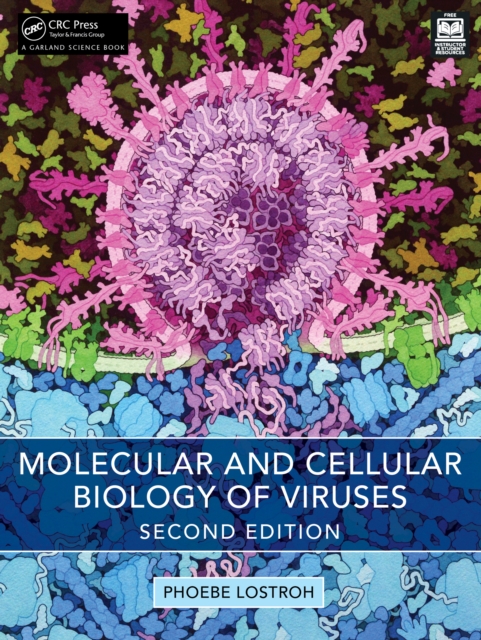
This fully revised second edition of Molecular and Cellular Biology of Viruses leads students on an exploration of viruses by supporting engaging and interactive learning.
This book provides deep insights into the ecology of the plague bacterium Yersinia pestis in natural foci, its diversity, genetic variability and the function of the vector, thus painting a holistic picture of how plague pandemics have evolved and how the bacterium has adapted perfectly to its environment over such a long period of time.
Sequence analyses of numerous fungal genomes over the past two decades have provided us with extensive insights into the phylogenetic relationships of fungi and the distribution of genes and their inferred functions, across the fungal kingdom.
Biotechnology is one of the fastest emerging fields that has attracted attention of conventional biologists, biochemists, microbiologists, medical and agricultural scientists.
Traditional sourdough bread refers to spontaneous fermentation of cereals by lactic acid bacteria and yeasts, leading to natural selections of microorganisms.