"e;Access to safe water is a fundamental human need and therefore a basic human right"e; --Kofi Annan, United Nations Secretary GeneralEdited by two world-renowned scientists in the field, The Handbook of Water and Wastewater Microbiology provides a definitive and comprehensive coverage of water and wastewater microbiology.
Now in its third edition, this classic textbook includes basic concepts and applications in agriculture, forestry, environmental science, and a new section entirely devoted to ecology.
Whisky: Technology, Production and Marketing explains in technical terms, the science and technology of producing whisky, combined with information from industry experts on successfully marketing the product.
The Desk Encyclopedia of Microbiology aims to provide an affordable and ready access to a large variety of microbiological topics within one set of covers.
Based on the highly successful reference work Viral Pathogenesis published in 1997, this concise, economical version can be used both as an introductory text or for self-education by medical students and biologists alike.
Environmental Microbiology: A Laboratory Manual is designed to meet the diverse requirements of upper division and graduate-level laboratory sessions in environmental microbiology.
Plant endophytes are a potential source for the production of bioactive compounds that can fight against devastating diseases in both plants and humans.
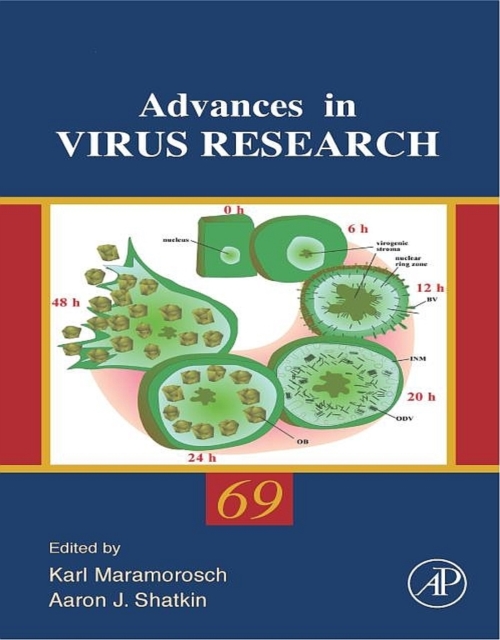
Published since 1953, Advances in Virus Research covers a diverse range of in-depth reviews providing a valuable overview of the current field of virology.
This latest volume provides a comprehensive review of the latest developments and research studies on the pathogenesis and molecular biology of human congenital infections.
This reference book reviews various aspects of microplastics, from their sources and manifestation in terrestrial, aquatic, and air environments to their fate in wastewater treatment systems.
Published since 1953, Advances in Virus Research covers a diverse range of in-depth reviews providing a valuable overview of the current field of virology.
Published since 1953, Advances in Virus Research covers a diverse range of in-depth reviews providing a valuable overview of the current field of virology.
Advances in Microbial Physiology, Volume 84 in this ongoing serial, highlights new advances in the field with this new volume presenting interesting chapters.
This latest volume addresses the contemporary issues related to recombination in filamentous fungi, EST data mining, fungal intervening sequences, gene silencing, DNA damage response in filamentous fungi, cfp genes of Neurospora, developmental gene sequences, site-specific recombination, heterologous gene expression, hybridization and microarray technology to enumerate biomass.
To date textbooks on viruses infecting fish, crustaceans and molluscs, the three main aquatic animal farmed groups, have been on the whole "e;diseases-centric and individual viral diseases selected based on "e;epizoo-centric approaches with little to no coverage of the basic biology of the viruses, in contrast to textbooks on viruses infecting terrestrial - farmed, pet, and free-range (wild) - animals and humans.
This book describes the major achievements and discoveries relevant to bacterial protein toxins since the turn of the new century illustrated by the discovery of more than fifty novel toxins (many of them identified through genome screening).
This updated second edition of Molecular Typing in Bacterial Infections, presented in two volumes, covers both common and neglected bacterial pathogenic agents, highlighting the most effective methods for their identification and classification in the light of their specific epidemiology.
Written by experts in their field, Virus Structure and Assembly summarizes our current state of knowledge in the field of virus structure and assembly, comparing and contrasting the mechanisms adopted by viruses with a wide diversity of genome and host.
Microbial Forensics describes the new and growing field of Microbial Forensics- the science that will help bring to justice criminals and terrorists who use biological material to cause harm.
The accelerated globalization of the food supply, coupled with toughening government standards, is putting global food production, distribution, and retail industries under a high-intensity spotlight.
This book provides an ample overview of the current state of research on nutrition's influence on the human microbiome and how it can be leveraged in personalized diets.
This book is about relevant recent research topics in understanding aquaculture for practical approaches; aquatic science, engineering, feed and nutrition, immunology and health are reviewed.
This two-volume work presents comprehensive, accurate information on the present status and contemporary development in phycoremediation of various types of domestic and industrial wastewaters.
Bio-inoculants in Horticultural Crops, Volume Three in the Advances in Bio-inoculant Sciences series, focuses on real-time application of novel microbes that have been proven to enhance and improve plant health and productivity.
The introduction of emerging contaminants through anthropogenic activities and industrial discharges has raised significant public health concerns worldwide.
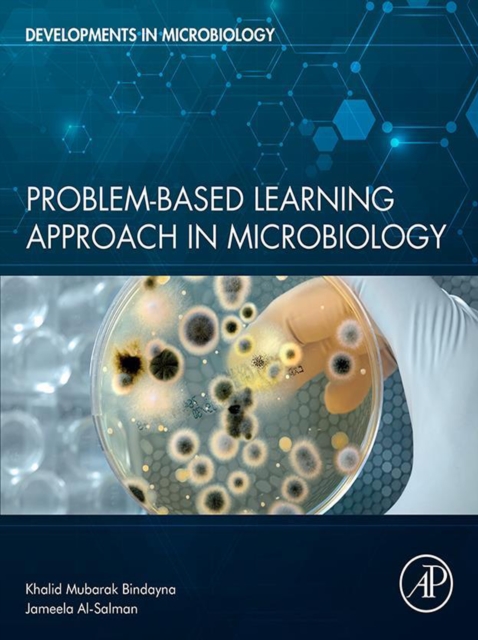
Problem-based Learning Approach in Microbiology, is an organ-based study of microbiology and infectious diseases using real patient problems (cases) and cases edited for educational purposes.