This textbook, which is the second volume of the book series-Microbial Zoonoses, provides a comprehensive overview of the epidemiology, clinical features, diagnosis, and management of fungal zoonoses and sapronoses of public importance.
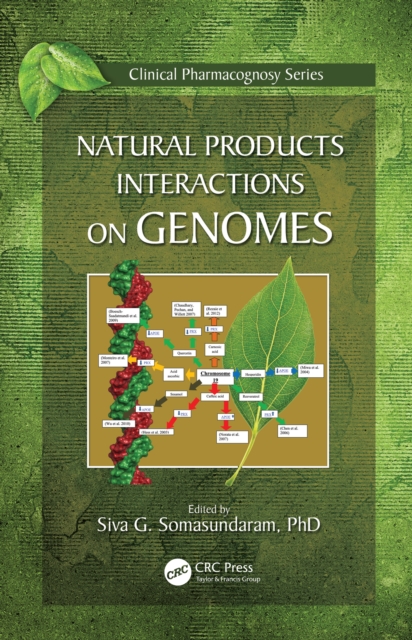
Many of the natural products have been isolated and characterized from the actinobacteria, for example polyketides, phenazines, peptides, indolocarbarbazoles, and sterols.
Insect Symbiosis summarizes the current knowledge of the relationship between symbiotic organisms and their insect hosts and provides an unparalleled analysis of cutting-edge research on this issue.
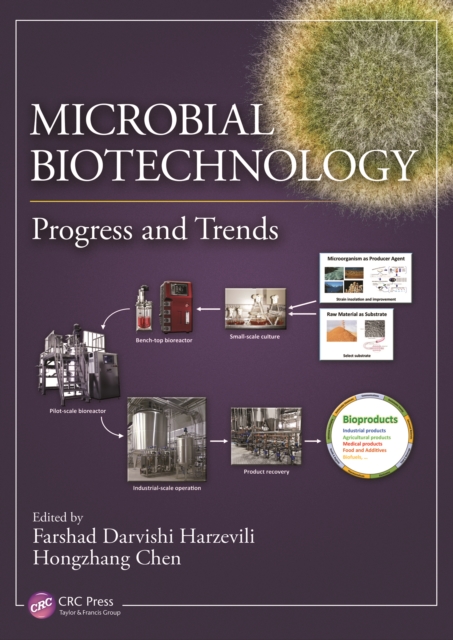
Incorporates the Experiences of World-Class Researchers Microbial Biotechnology: Progress and Trends offers a theoretical take on topics that relate to microbial biotechnology.
Rather than existing in a planktonic or free-living form, evidence indicates that microbes show a preference for living in a sessile form within complex communities called biofilms.
The Microbiological Quality of Food: Foodborne Spoilers covers the microbiological spoilage of foods, with a focus on the spoilers, the foods themselves, and the signs of spoilage.
Aquatic Ecosystems and Microbial Biofilms: Significance, Dynamics, Prevention and Control provides a systematic introduction and review of state-of-the-art information on microbial biofilms in aquatic ecosystems and their control.
The magnificent Himalayan Mountains, the highest in the world and home to the famed Mount Everest and K2, are also imbued with a rich diversity of ethnic fermented foods.
This book provides a multidisciplinary coverage of all manifestations of antimicrobials and antimicrobial resistance technology to promote eco-friendly processes and techniques for environmental sustainability.
Providing a thorough introduction to the core areas of food science specified by the Institute of Food Technologists, Introduction to Food Chemistry focuses on principles rather than commodities and balances facts with explanations.
Anemones and fish, ants and acacia trees, fungus and trees, buffaloes and oxpeckers--each of these unlikely duos is an inimitable partnership in which the species' coexistence is mutually beneficial.
Dieses Lehrbuch führt in die grundlegenden Konzepte der Bioinformatik ein und verbessert die Fähigkeiten der Studierenden im Umgang mit Software und Werkzeugen, die speziell für die Lösung von mikrobiologischen Fragestellungen relevant sind.
Dieses Lehrbuch führt in die grundlegenden Konzepte der Bioinformatik ein und verbessert die Fähigkeiten der Studierenden im Umgang mit Software und Werkzeugen, die speziell für die Lösung von mikrobiologischen Fragestellungen relevant sind.
The introduction of emerging contaminants through anthropogenic activities and industrial discharges has raised significant public health concerns worldwide.
Recalcitrant Pollutants Removal from Wastewater examines the role of indigenous microbes in the degradation and detoxification of wastewater utilizing the latest biological treatment technologies.
This book explores the potential role of prebiotics, probiotics, and synbiotics in managing various metabolic disorders, chronic diseases, and metabolic syndromes.
This volume details procedures relevant to all disciplines, with specific emphasis on challenging aspects of working with Bacterial Extracellular Vesicle (BEVs).
Once feared as a deadly intracellular bacterium with the extraordinary capacity to survive a wide array of arduous external stressors, Listeria monocytogenes is increasingly recognized as a preferred vector for delivering anti-infective and anti-cancer vaccine molecules.
Diagnosis and Analysis of COVID-19 using Artificial Intelligence and Machine Learning-Based Techniques offers new insights and demonstrates how machine learning (ML), artificial intelligence (AI), and (Internet of Things (IoT) can be used to diagnose and fight COVID-19 infection.
Microbiology of Fruits and Vegetables presents a holistic view of the problem of produce contamination that examines both pre-harvest and post-harvest sources and practices.
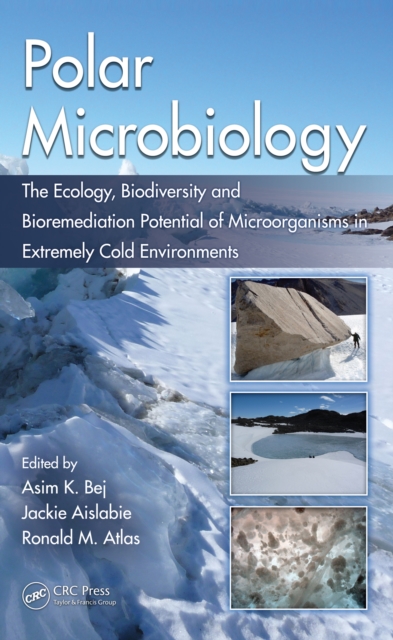
Pollution has accompanied polar exploration since Captain John Davis' arrival on the Antarctic continent in 1821 and has become an unavoidable consequence of oil spills in our polar regions.
A dissertation on the effects of salinity on nitrifcation in municipal wastewater, considering many aspects of the process and its attendant problems, together with useful and research results from lab- and plant-based research.