This volume discusses the latest techniques used to study the rapidly evolving field of microbiome research, with a focus on key methodologies needed to study microbes and their interactions in various communities.
This volume discusses the latest techniques used to study the rapidly evolving field of microbiome research, with a focus on key methodologies needed to study microbes and their interactions in various communities.
Coral Reefs and Associated Marine Fauna around the Arabian Peninsula is a unique text that contains studies on a diverse range of topics related to the biology of the Red Sea and Arabian (Persian) Gulf region.
Coral Reefs and Associated Marine Fauna around the Arabian Peninsula is a unique text that contains studies on a diverse range of topics related to the biology of the Red Sea and Arabian (Persian) Gulf region.
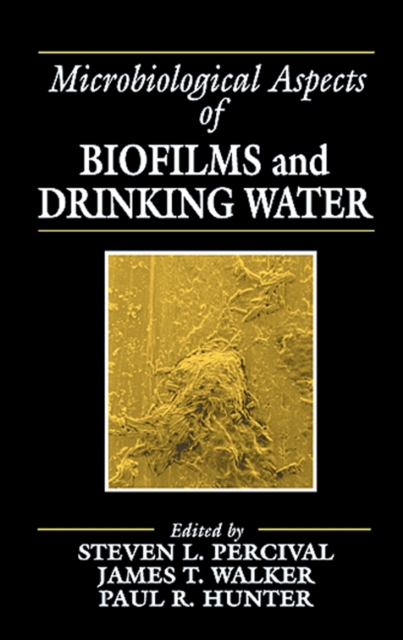
The six years that have passed since the publication of the first edition have brought significant advances in both biofilm research and biofilm engineering, which have matured to the extent that biofilm-based technologies are now being designed and implemented.
We cannot control how every chef, packer, and food handler might safeguard or compromise the purity of our food, but thanks to the tools developed through physics and nanotech and the scientific rigor of modern chemistry, food industry and government safety regulators should never need to plead ignorance when it comes to safety assurance.
The ability to provide quality juices that contain proper vitamins and nutritional components strongly depends on the processes fruits undergo during the various stages of industrial manufacturing.
Biological and chemical warfare agents, including viruses, bacteria, and explosive and radioactive compounds, can induce illness or death in humans, animals, and plants.
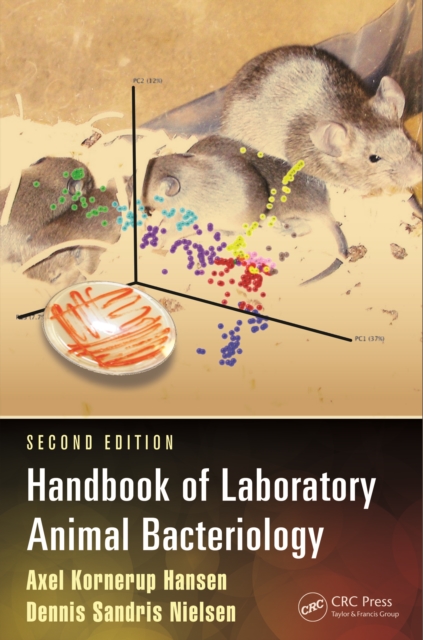
The Handbook of Laboratory Animal Bacteriology, Second Edition provides comprehensive information on all bacterial phylae found in laboratory rodents and rabbits to assist managers, veterinary pathologists and laboratory animal veterinarians in the management of these organisms.
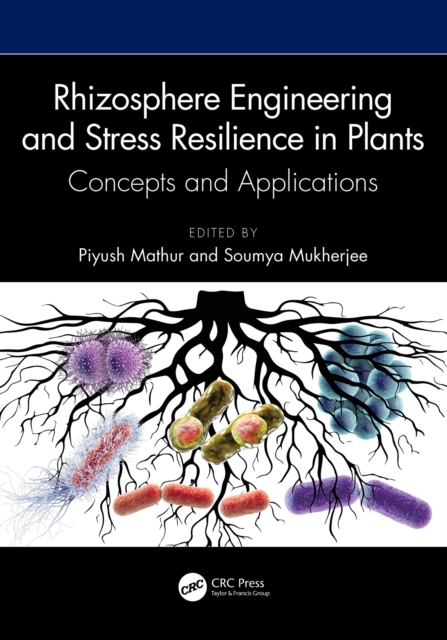
Research establishes that symbiotic association of microbes with medicinal and herbal plants enhance the growth and accumulation of bioactive materials, and that species of microbes including bacterial and fungal species play a key role.
There has been a large increase in the commercial use of integrated crop/pest management methods for pest and disease control on a wide range of crops throughout the world since the first edition of this book.
The last few years have brought about many changes in the field of marine and freshwater toxins, with advances in analytical technology and the realization that these toxins are a global issue.
Viruses: Molecular Biology, Host Interactions, and Applications to Biotechnology, Second Edition provides an update on recent developments and perspectives, including coverage on the history of viruses, their structure, the organization of their genomes, and strategies in replication and expression.
With diet, health, and food safety news making headlines on a regular basis, the ability to separate, identify, and analyze the nutrients, additives, and toxicological compounds found in food and food components is more important than ever.
Research establishes that symbiotic association of microbes with medicinal and herbal plants enhance the growth and accumulation of bioactive materials, and that species of microbes including bacterial and fungal species play a key role.
Biological and chemical warfare agents, including viruses, bacteria, and explosive and radioactive compounds, can induce illness or death in humans, animals, and plants.
The huge expansion of the chemical and petroleum industries in the twentieth century has resulted in the production of a vast array of chem- ical compounds and materials that have transformed our lives.
Clostridium difficile has been recognized as the cause of a broad spectrum of enteric disease ranging from mild antibiotic-associated diarrhea to pseudomembranous colitis.
Most information on yeasts derives from experiments with the conventional yeasts Saccaromyces cerevisiae and Schizossaccharomyces pombe, the complete nuclear and mitochondrial genome of which has also been sequenced.
This Soil Biology volume examines our current understanding of the mechanisms involved in the beneficial effects transferred to plants by endophytes such as rhizobial, actinorhizal, arbuscular mycorrhizal symbionts and yeasts.
From the first detailed clinical description of the disease in the Midwestern United States in 1918, to the isolation of the causative agent, the first of any influenza virus, in 1930 to its role in the genesis of the 2009 human pandemic, swine have played a central role in the ecology of influenza.
During the recent transition between acute diseases caused by swarms of single planktonic bacteria, and chronic infections caused by bacteria growing in slime-enclosed biofilms, a general clinical consensus has emerged that pathologies with bacterial etiologies are frequently culture negative.
Restriction enzymes are highly specific nucleases which occur ubiquitously among prokaryotic organisms, where they serve to protect bacterial cells against foreign DNA.