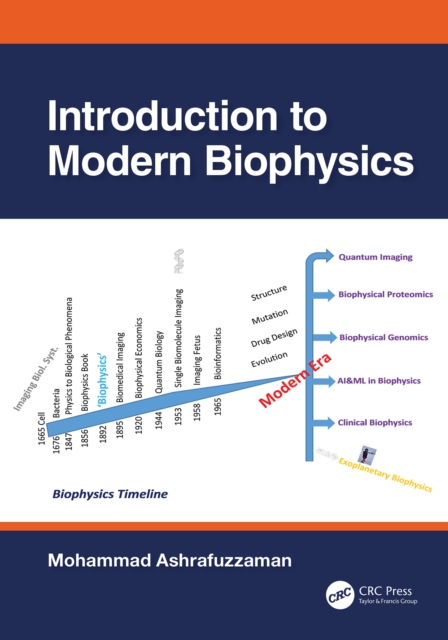
This textbook provides an introduction to the fundamental and applied aspects of biophysics for advanced undergraduate and graduate students of physics, chemistry, and biology.
Enzymes in RNA Science and Biotechnology, Volume 691 in the Methods in Enzymology series, highlights new advances in the field, including chapters on Reverse transcriptase Part I (discovery, preparation, general utilization, MarathonRT for routine RT-PCR and for cDNA synthesis on challenging RNA templates Structured RNAs, repeat RNAs and more, Engineering TNA Polymerases Through Iterative Cycles of Directed Evolution, Reverse transcriptase Part II (RNA structure mapping and determination), RNA G-quadruplex (rG4) structure detection using RTS and SHALiPE assays, tRNA Structure-seq in vivo and in droplets, Capture the in vivo intact RNA structurome by CAP-STRUCTURE-seq, and more.
Steroid Biochemistry, Volume 688 in the Methods of Enzymology series, highlights new advances in the field, containing chapters on a variety of timely topics, including Cytochrome P450 Enzyme, Steroidogenic P450s (CYP11A1, 17A1, 21A2, 11B1, and 11B5), Steroid 17 alpha-hydroxylase/17,20-lyase (Cytochrome P450 17A1), Enzymes of Estrogen Biosynthesis, Aromatase and Steroid Sulfatase, Estrogenic 17b-Hydroxysteroid Dehydrogenase, Hydroxysteroid Dehydrogenases (HSD), 3a-Hydroxyssteroid Dehydrogenase, Approaches to Measuring 3b-Hydroxysteroid Dehydrogenase Type 1, 3b-Hydroxysteroid Dehydrogenase Type 2, and much more.
Machine learning and artificial intelligence have propelled research across various molecular science disciplines thanks to the rapid progress in computing hardware, algorithms, and data accumulation.
Steroid Biochemistry, Volume 688 in the Methods of Enzymology series, highlights new advances in the field, containing chapters on a variety of timely topics, including Cytochrome P450 Enzyme, Steroidogenic P450s (CYP11A1, 17A1, 21A2, 11B1, and 11B5), Steroid 17 alpha-hydroxylase/17,20-lyase (Cytochrome P450 17A1), Enzymes of Estrogen Biosynthesis, Aromatase and Steroid Sulfatase, Estrogenic 17b-Hydroxysteroid Dehydrogenase, Hydroxysteroid Dehydrogenases (HSD), 3a-Hydroxyssteroid Dehydrogenase, Approaches to Measuring 3b-Hydroxysteroid Dehydrogenase Type 1, 3b-Hydroxysteroid Dehydrogenase Type 2, and much more.
"e;Circulating Tumor Cells, from biotech innovation to clinical utility"e; provides an overview of the most recent technological and clinical advances with regards to the study of circulating tumor cells (CTCs) in solid tumors.
"e;Circulating Tumor Cells, from biotech innovation to clinical utility"e; provides an overview of the most recent technological and clinical advances with regards to the study of circulating tumor cells (CTCs) in solid tumors.
Chromatin Remodeling Complexes and Transcriptional Coregulators, Volume 53, the latest release in The Enzymes series highlights new advances in the field, with interesting new chapters that cover Perspectives on Chromatin Remodeling, The functions of ISWI-type remodelers in yeast, Conserved mechanisms of NuRD function in hematopoietic gene expression, The SIN3 complex as a metabolic epigenetic regulator, Soft repression and chromatin modification by conserved transcriptional corepressors, The NPAC-LSD2 complex in nucleosome demethylation, Role of intrinsically disordered domains in transcriptional regulation, and Regulation of the Recovery of Cancer from Therapy Exposure by Noncoding RNAs.
Chromatin Remodeling Complexes and Transcriptional Coregulators, Volume 53, the latest release in The Enzymes series highlights new advances in the field, with interesting new chapters that cover Perspectives on Chromatin Remodeling, The functions of ISWI-type remodelers in yeast, Conserved mechanisms of NuRD function in hematopoietic gene expression, The SIN3 complex as a metabolic epigenetic regulator, Soft repression and chromatin modification by conserved transcriptional corepressors, The NPAC-LSD2 complex in nucleosome demethylation, Role of intrinsically disordered domains in transcriptional regulation, and Regulation of the Recovery of Cancer from Therapy Exposure by Noncoding RNAs.
Phage Therapy - Part B, Volume 201 covers bacteriophage and their isolation, screening, synthetic phage, diagnostics, directed evolution, host interaction, and more.
This class-tested textbook gives an overview of the structure and functions of proteins and explains how amino acids form a defined structural entity with specific properties.
Clinical Application of Repurposed Drugs, Volume 207 in the Progress in Molecular Biology and Translational Science series, highlights new advances in the field, with this new volume presenting interesting chapters on Drug repurposing for viral disease, Drug repurposing for bacterial infections, Drug repurposing for parasitic protozoan diseases, Drug repurposing for fungal infections, Drug repurposing for treating anxiety and depression, Drug repurposing for personalized medicine, Drug repurposing for cancer, Drug Repurposing: A multi targeted approach to treat cardiac disease from existing classical drugs to modern drug discovery, and much more.
Discusses and explains the major advances that the new technology of applying molecular genetic techniques of modifying carbon and nitrogen in plants has provided, giving insights into its applications for the benefits of agriculture, the environment and man.
Machine learning and artificial intelligence have propelled research across various molecular science disciplines thanks to the rapid progress in computing hardware, algorithms, and data accumulation.
Formation and Fate of Cell Organelles is a collection of papers that discusses the manner in which cellular structures arise from the component molecules, particularly on cytoplasmic inheritance, and the problem of spontaneous assembly.
This new two-volume work describes the advances and emerging issues in the use of algal biomass and the prospects of micro- and macroalgae in biotechnology, microbiology, metabolic engineering, synthetic biology, biochemical engineering, and systems biology for the creation of algal cell factories.
In Epigenetic Regulation of Cancer, a series of volumes from the International Review of Cell and Molecular Biology series, various experts in epigenetics critically cover multiple facets of cancer-associated epigenetic alterations, including the impact of epigenetic deregulation in all steps of oncogenesis as well as promising strategies to therapeutically target cancer-associated epigenetic deregulation.
ZIP Metal Ion Transporters, Volume 684 in the Methods in Enzymology series, highlights new advances in the field with this new volume presenting interesting chapters on a variety of topics, including Biochemistry, Biophysics and Structural Biology, Structure determination of a bacterial ZIP in lipidic cubic phase, Cell-based metal transport assay for animal and plant ZIPs, Measurement of metal binding affinity and transport activity in ZIP transporters using spectroscopic methods, Considerations in production of the (prokaryotic) ZIP family transporters for structural and functional studies, Metal-protein interactions investigated using model systems: thermodynamic, spectroscopic and computational methods, and more.
ZIP Metal Ion Transporters, Volume 684 in the Methods in Enzymology series, highlights new advances in the field with this new volume presenting interesting chapters on a variety of topics, including Biochemistry, Biophysics and Structural Biology, Structure determination of a bacterial ZIP in lipidic cubic phase, Cell-based metal transport assay for animal and plant ZIPs, Measurement of metal binding affinity and transport activity in ZIP transporters using spectroscopic methods, Considerations in production of the (prokaryotic) ZIP family transporters for structural and functional studies, Metal-protein interactions investigated using model systems: thermodynamic, spectroscopic and computational methods, and more.
Corrosion studies have attracted considerable interest in the areas of materials chemistry and industrial chemistry, as it affects the direct and indirect costs of industry, leading to huge economic setbacks due to the need for repair, maintenance, and even shutdowns due corrosion damage.
In Epigenetic Regulation of Cancer, a series of volumes from the International Review of Cell and Molecular Biology series, various experts in epigenetics critically cover multiple facets of cancer-associated epigenetic alterations, including the impact of epigenetic deregulation in all steps of oncogenesis as well as promising strategies to therapeutically target cancer-associated epigenetic deregulation.
Our biological system is enriched with enzyme-catalyzed (or enzymatic) reactions that mediate a great multitude of life processes such as gene transcription and metabolism, and the inappropriately up-regulated activity of these enzymatic reactions is a major cause of human diseases such as cancer and metabolic diseases.
Stem Cells in Medicine, Volume 199 in the Progress in Molecular Biology and Translational Science series, provides the most topical and informative research in the field of stem cells.
Celiac Disease, Volume 179 in the Methods in Cell Biology series is composed of extensive protocols about novel and widely used techniques for celiac disease research.
Our biological system is enriched with enzyme-catalyzed (or enzymatic) reactions that mediate a great multitude of life processes such as gene transcription and metabolism, and the inappropriately up-regulated activity of these enzymatic reactions is a major cause of human diseases such as cancer and metabolic diseases.
Celiac Disease, Volume 179 in the Methods in Cell Biology series is composed of extensive protocols about novel and widely used techniques for celiac disease research.
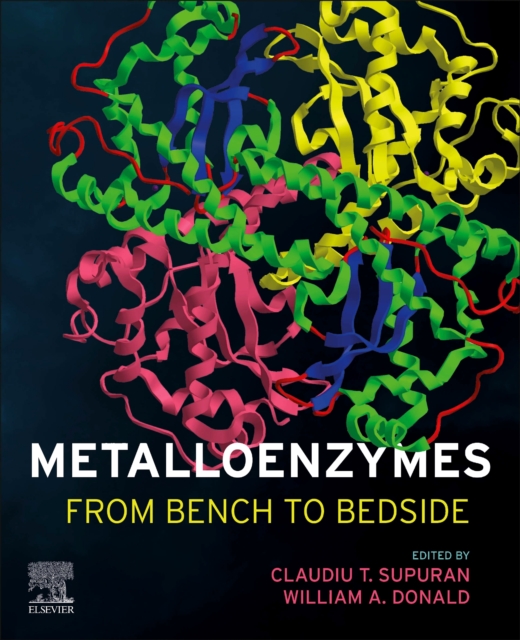
Metalloenzymes: From Bench to Bedside offers a thorough overview of metalloenzymes, spanning biochemical and structural features, pharmacology, and biotechnological applications.
The book "e;Interaction of Coronavirus Disease 2019 with other Infectious and Systemic Diseases"e; elaborates on the pathogenesis, co-infection, and association of COVID-19 with other Infectious and Systemic Diseases.
The discovery of CRISPR has revolutionized crop improvement in agriculture and is emerging as a key factor in addressing the global food security challenges.
The book "e;Interaction of Coronavirus Disease 2019 with other Infectious and Systemic Diseases"e; elaborates on the pathogenesis, co-infection, and association of COVID-19 with other Infectious and Systemic Diseases.
Enzymes of Polyamine Metabolism, Volume 715 highlights new advances in the field, with this new volume presenting interesting chapters on topics such as Convergence of MYC and the hypusine circuits in the control of metabolism, HDAC10 structure and enzymology, TR-FRET Assay for Profiling HDAC10 Inhibitors and PROTACs, Polyamine Transport Inhibitors: Methods and caveats associated with measuring polyamine uptake in mammalian cells, Evaluation of platinum drug toxicity resulting from polyamine catabolism, Measurements of acrolein adducts resulting from polyamine catabolism, Alterations in polyamine metabolism induced by the pathogen Helicobacter pylori: implications for gastric inflammation and carcinogenesis, and much more.