Advances in Biomolecular EPR, Volume 666 in the Methods of Enzymology series, highlights new advances in the field, with this new volume presenting interesting chapters on topics including Magnetic Resonance Characterization of Physiologically Important Metal Ion Binding Sites in the Prion and Related Proteins, The catalytic role of metal-radical/protein-based radicals in heme enzymes, Rigid Cu2+-based spin labels for the study of higher-order DNA G-quadruplex structures, Orthogonal spin labeling and membrane proteins: increasing the information content and going towards in cell applications, Spectroscopic investigation of mono- and di-Mn-containing centers in biochemistry with an emphasis on application of paramagnetic resonance techniques, and more.
RNA Methodologies: A Laboratory Guide for Isolation and Characterization, Sixth Edition provides the most up-to-date ribonucleic acid lab techniques for seasoned scientists and graduate students alike.
Recombinant Protein Expression, Part A, Volume 659 in the Methods in Enzymology series, highlights new advances in the field with this new volume presenting interesting chapters on Multiplexed analysis protein: Protein interactions of polypeptides translated in Leishmania cell-free system, MultiBac system and its applications, performance and recent, Production of antibodies in Shuffle, Designing hybrid-promoter architectures by engineering cis-acting DNA sites to enhance transcription in yeast, Designing hybrid-promoter architectures by engineering cis-acting DNA sites to deregulate transcription in yeast, Antibody or protein-based vaccine production in plants, Cell-free protein synthesis, Plant-based expression of biologic drugs, and much more.
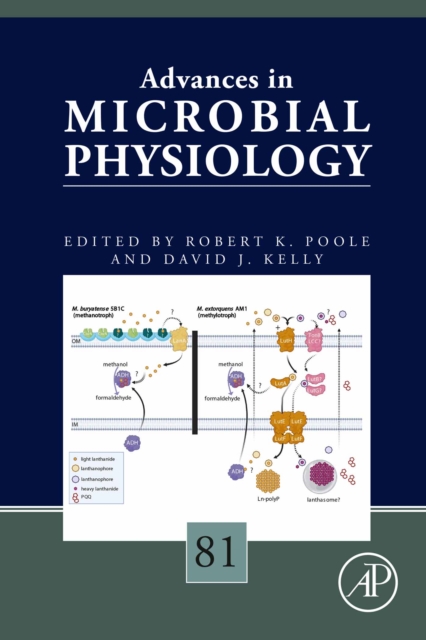
Advances in Microbial Physiology, Volume 81 highlights new advances in the field with this new release presenting interesting chapters written by an international board of authors.
Biocatalysis in Green Solvents offers a pragmatic overview and instruction in biocatalysis and enzymology of green solvents for sustainable industries and medicine, running from concept to application.
Novel Therapeutic Approaches Targeting Oxidative Stress investigates the role of oxidative stress in disease and explores the latest methods and approaches to targeting oxidative stress for treatment and diagnosis.
The critically acclaimed laboratory standard for forty years, Methods in Enzymology is one of the most highly respected publications in the field of biochemistry.
Carotenoids: Carotenoid and Apocarotenoid Analysis, Volume 670, the latest release in the Methods in Enzymology series, highlights new advances in the field, with this new volume covering Getting to know carotenoids, Laser capture of tissues for micro-scale carotenoid analyses, Metabolic engineering of carotenoids: procedures for metabolomic characterization, LC-MS analysis of intracellular metabolites for precursors to the carotenoid pathway, Use of E.
Micro/Nanofluidics and Lab-on-Chip Based Emerging Technologies for Biomedical and Translational Research Applications - Part B, Volume 187 represents the collation of chapters written by eminent scientists worldwide.
Coenzyme B12 Enzymes, Part B, Volume 169 in the Methods in Enzymology series, highlights new advances in the field, with this new volume presenting interesting chapters on Structural characterization of cobalamin-dependent radical SAM methylases, Purification and characterization of sequential cobalamin-dependent radical SAM methylases ThnK and TokK in -lactam antibiotic biosynthesis, Characterization of the cobalamin-dependent radical S-adenosyl-L-methionine enzyme C-methyltransferase Fom3 in fosfomycin biosynthesis, Studies of OxsB and GenK, two B12-dependent radical SAM enzymes involved in natural product biosynthesis, Purification and structural elucidation of the cobalamin-dependent radical SAM enzyme OxsB, and more.
Large Animals as Models for Human Diseases, Volume 189 in the Progress in Molecular Biology and Translational Science series, highlights new advances in the field, with this new volume presenting interesting chapters on a variety of important topics, including Sheep as a model for neuroendocrinology research, Relevance of dog as a model for urologic diseases, Relevance of lactocrine hypothesis to human maternal programming of development, Comparative aspects of embryo implantation, Pig as an animal model for obesity, Canine models of cancer, Bovine model for human ovarian diseases, Mutations in G protein-coupled receptors in large animals: Modeling human diseases, and more.
New Antibody Formats, Volume 369 in the International Review of Cell and Molecular Biology serial, highlights new advances in the field with this new volume presenting interesting chapters on a variety of important topics, including Current innovative engineered antibodies, Advances in bispecific antibodies, Applications of trimerbodies for cancer immunotherapy, Multispecific mAb-Anticalin formats, New antibody formats to treat Lung Cancer, Immunocytokines: from bench to bedside, and Single domain antibodies in cancer.
Reprogramming the Genome: Applications of CRISPR-Cas in Non-mammalian Systems Part B, represents the collation of chapters written by eminent scientists worldwide.
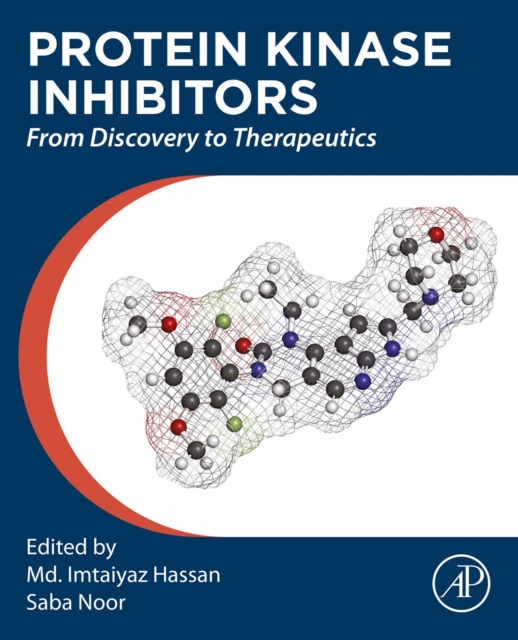
Protein Kinase Inhibitors: From Discovery to Therapeutics offers a foundational, pragmatic overview of protein kinases inhibitors and their potential role in disease modulation and treatment.
Mathematical Approaches to Molecular Structural Biology offers a comprehensive overview of the mathematical foundations behind the study of biomolecular structure.
MRNA-Based Therapeutics, Volume 372 in the International Review of Cell and Molecular Biology series, covers topics surrounding the effect of different metabolic situations, their contribution to metabolic modulation, and their impact on tumor growth.
Precision Medicine, Volume 190 in the Progress in Molecular Biology and Translational Science series, highlights new advances in the field, with this new volume presenting interesting chapters on a variety of topics, including Evolution of Biomarkers and Strategies for Integrating the Precision Philosophy to Guide Monitoring of Individualized Autoimmunity Conditions and to Implement the Philosophy into Clinical Practice, Precision Medicine in Epilepsy, The use of ASOs for personized medicine, Adult medicine, EGFR, NF-KB signal and regulatory noncoding RNAs in cancer, Precision medicine with multi-omics strategies, deep phenotyping, and predictive analysis, The Paradox of Personalized Medicine, and more.
Microbial Xylanolytic Enzymes describes the enzyme structure and its interaction with plant cell walls, the properties and production of different enzymes and their applications, and the knowledge gathered on the hydrolysis mechanism of hemicellulose.
This volume provides a comprehensive reference for researchers aiming to bring new techniques and approaches to their scientific research using urodeles.
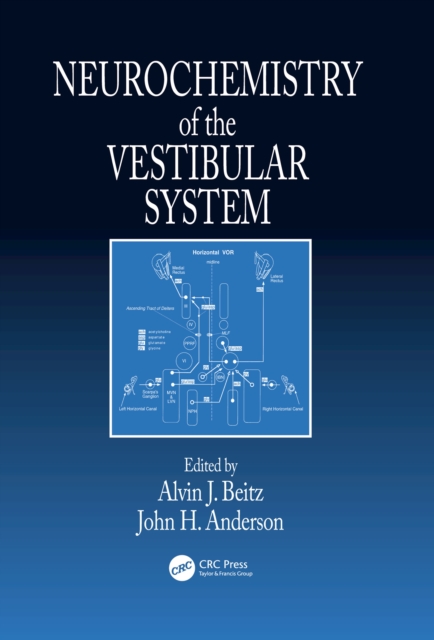
Neurochemistry of the Vestibular System covers the proliferation of information stemming from the technical advances in the areas of molecular biology and neurochemistry.
Recent Progress in Hormone Research, Volume 41 covers the proceedings of a Laurentian Hormone Conference held in late August 1984 at the Homestead in Hot Springs, Virginia.
Recent Progress in Hormone Research, Volume 29 covers the proceedings of the 1972 Laurentian Hormone Conference held in Mont Tremblant, Province of Quebec, Canada, on August 27-September 1, 1972.
Search and Discovery: Tribute to Albert Szent-Gyorgyi is dedicated to Albert Szent-Gyorgyi and stems from a Symposium, "e;"e;Search and Discovery,"e;"e; held in his honor at Boston University School of Medicine.
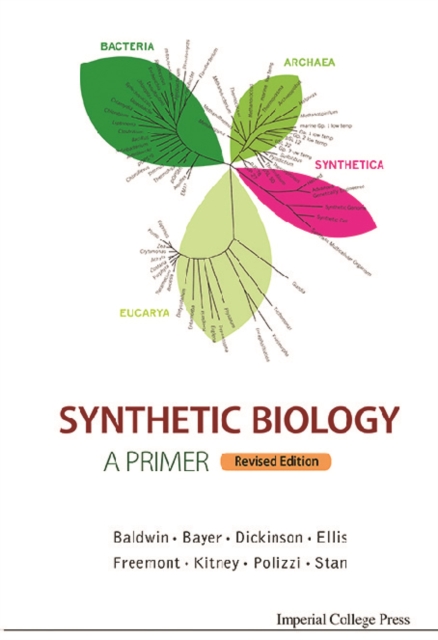
Synthetic Biology - A Primer (Revised Edition) presents an updated overview of the field of synthetic biology and the foundational concepts on which it is built.
Biomineralization is a natural process by which living organisms form minerals in association with organic biostructures to form hybrid biological materials such as bone, enamel, dentine and nacre among others.
Since the start of biological studies using the transmission electron microscope scientists have sought to develop procedures for the preparation and investigation of the thinly spread specimens of biological particulates.
This book represents the results of 45 years of research on a wide range of topics, including atomic physics, single-molecule enzymology, whole-cell metabolism, physiology, pharmacology, linguistics, semiotics, and cosmology.
Contemporary biomedical and clinical research is undergoing constant development thanks to the rapid advancement of various high throughput technologies at the DNA, RNA and protein levels.
Fundamentals of Recombinant Protein Production, Purification and Characterization is organized into nine chapters in a logical fashion that cover an introduction to recombinant proteins and expression in different host expression systems, extraction, purification and analysis of proteins.
Accessible and comprehensive, this book describes the universal cellular nature of living organisms and is an indispensable tool for anyone in the sciences who wishes to get a quick overview of molecular biology.
Rapidly growing interest in the role of organic cation transporters (OCTs) and plasma membrane monoamine transporter (PMAT) in central monoamine homeostasis makes this book especially timely, given its thematic alignment with the role of OCTs and PMAT in CNS.
This book provides a detailed summary of the therapeutic benefits of natural extracts from medicinal plants, mushrooms, algae, fungi and sponges and their role in the prevention and treatment of obesity and diabetes, offering readers a solid introduction to obesity and diabetes as well as current treatment models.
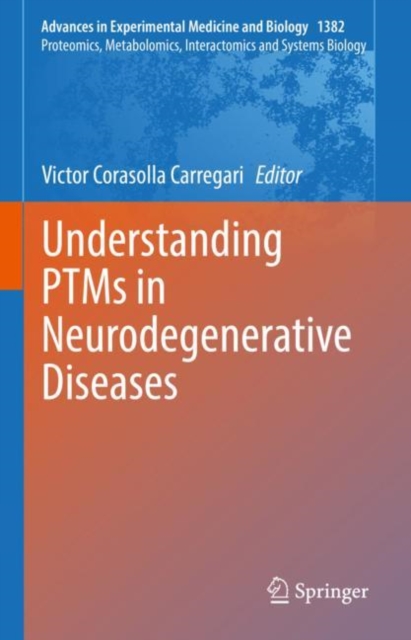
This new volume, a part of the Proteomics, Metabolomics, Interactomics and Systems Biology series, will explain how proteomic studies of post-translational modifications (PTMs) can be applied to neurodegenerative diseases and relevant studies.