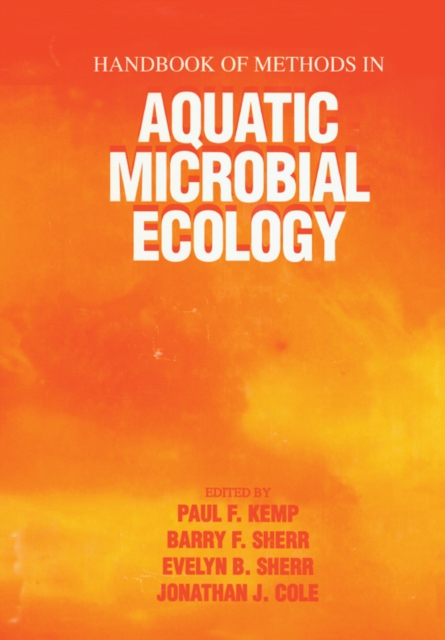
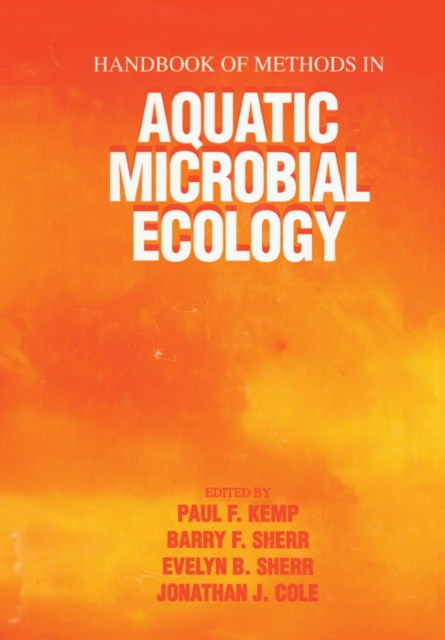
Microorganisms can be both beneficial and harmful to the oil and gas industry and therefore there is an increasing need for the oil industry to characterize, quantify and monitor microbial communities in real time.
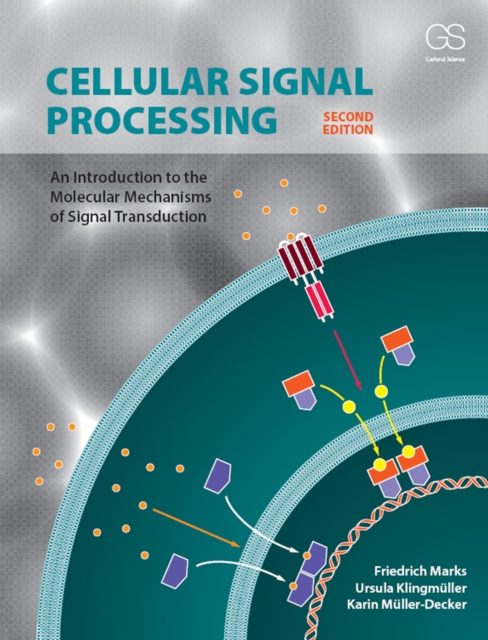
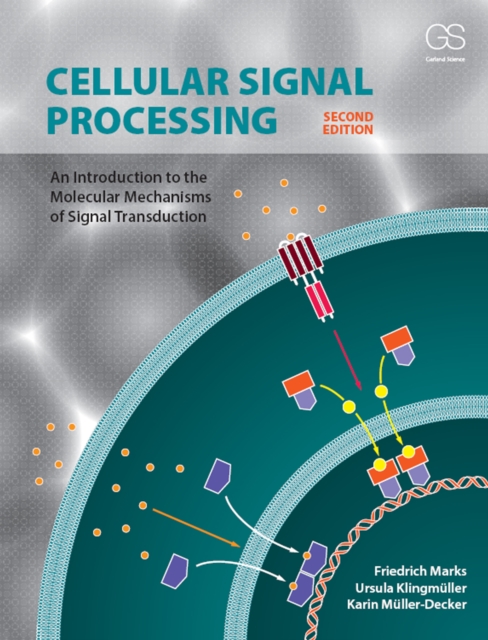
Cellular Signal Processing offers a unifying view of cell signaling based on the concept that protein interactions act as sophisticated data processing networks that govern intracellular and extracellular communication.
Cellular Signal Processing offers a unifying view of cell signaling based on the concept that protein interactions act as sophisticated data processing networks that govern intracellular and extracellular communication.
All hollow organs, such as blood vessels, the gastrointestinal tract, airways, male and female reproductive systems, and the urinary bladder are primarily composed of smooth muscle.
During the last two decades, there has been an explosion of research pertaining to the molecular mechanisms that allow for organisms to detect different stimuli that is an essential feature for their survival.
There is increasing interest in the biology of domestic animals ranging from genomics, transcriptomics, metabolomics, nutritional physiology, and systems biology.
This book explores the recent advances and integrations in molecular technology in food research platforms, which have revolutionized the way we discover and trace potential allergens in our food and drugs and how we utilize that for diagnosis and management.
An invaluable resource for computational biologists and researchers from other fields seeking an introduction to the topic, Chromatin: Structure, Dynamics, Regulation offers comprehensive coverage of this dynamic interdisciplinary field, from the basics to the latest research.
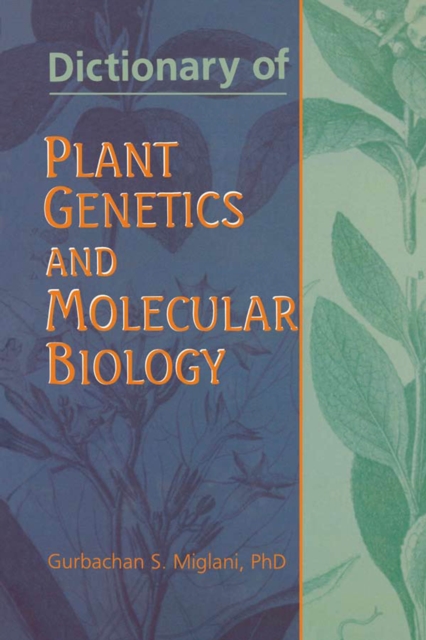
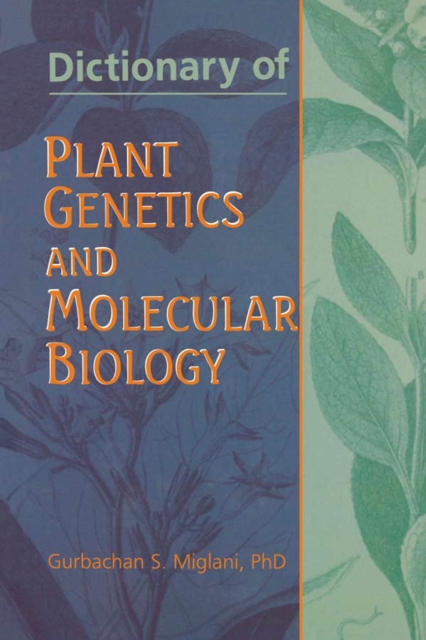
In the Dictionary of Plant Genetics and Molecular Biology, more than 3,500 technical terms from the fields of plant genetics and molecular biology are defined for students, teachers, and researchers in universities, institutes, and agricultural research stations.
In the Dictionary of Plant Genetics and Molecular Biology, more than 3,500 technical terms from the fields of plant genetics and molecular biology are defined for students, teachers, and researchers in universities, institutes, and agricultural research stations.
This important reference/text provides technologists with the basic informationnecessary to interact scientifically with molecular biologists and get involved in scalinguplaboratory procedures and designing and constructing commercial plants.
This important reference/text provides technologists with the basic informationnecessary to interact scientifically with molecular biologists and get involved in scalinguplaboratory procedures and designing and constructing commercial plants.
Fills a gap between the existing studies of proteins, which tend to be highly technical and geared toward the practicing protein chemist, and biochemistry textbooks, which focus on general principles.
Fills a gap between the existing studies of proteins, which tend to be highly technical and geared toward the practicing protein chemist, and biochemistry textbooks, which focus on general principles.
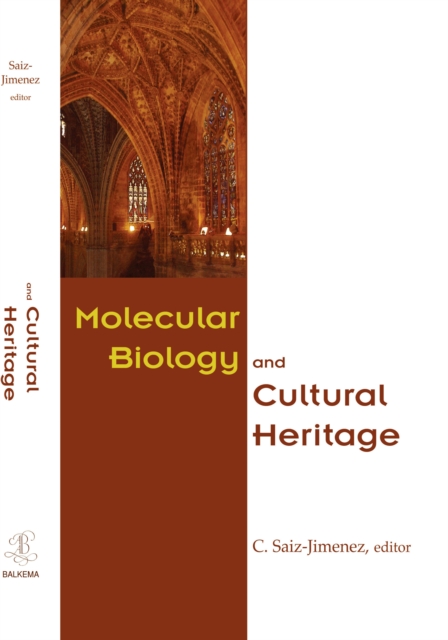
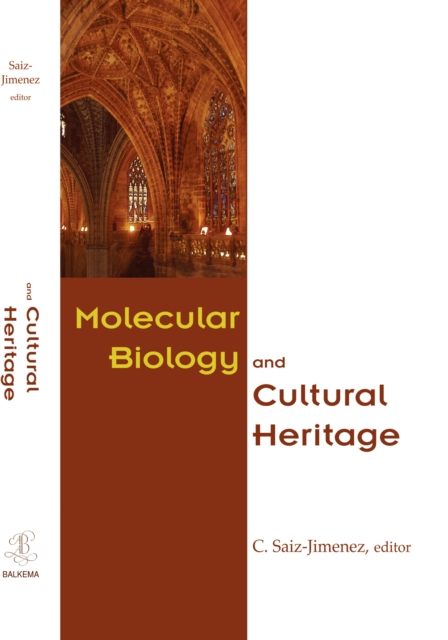
This book contains forty reviewed papers delivered at the International Congress on Molecular Biology and Cultural Heritage held in Seville, March 2003.
This book contains forty reviewed papers delivered at the International Congress on Molecular Biology and Cultural Heritage held in Seville, March 2003.
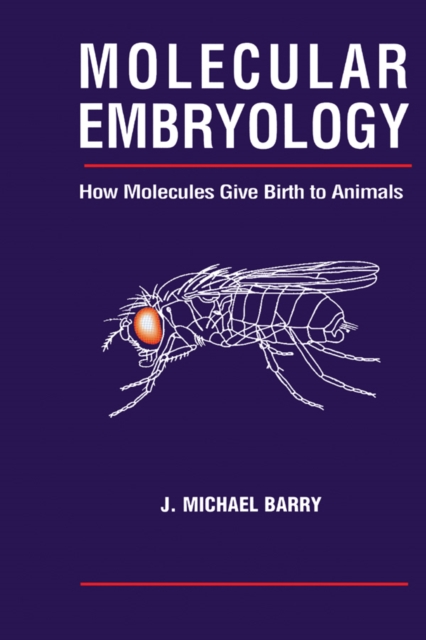
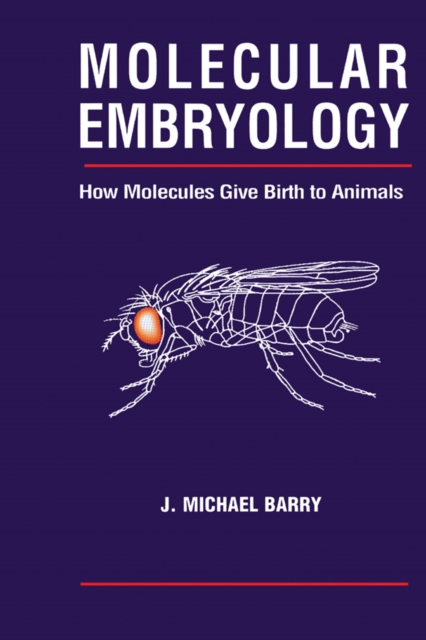
Molecular Embryology explains in simple terms the molecular interactions that transform an egg to a complex embryo that in the end gives rise to a fully-formed animal.
Molecular Embryology explains in simple terms the molecular interactions that transform an egg to a complex embryo that in the end gives rise to a fully-formed animal.
Immunology has emerged as a key component of the curricula of graduate and postgraduate courses in biotechnology, microbiology, biochemistry, bioinformatics, and other interdisciplinary fields of biology, including zoology, veterinary science, and medicine.
Immunology has emerged as a key component of the curricula of graduate and postgraduate courses in biotechnology, microbiology, biochemistry, bioinformatics, and other interdisciplinary fields of biology, including zoology, veterinary science, and medicine.
Volume I of this book provides a comprehensive discussion of the factors involved in regulation of the cell cycle, the general biological properties of growth factors, and the receptor and postreceptor mechanisms of action of these signaling agents.