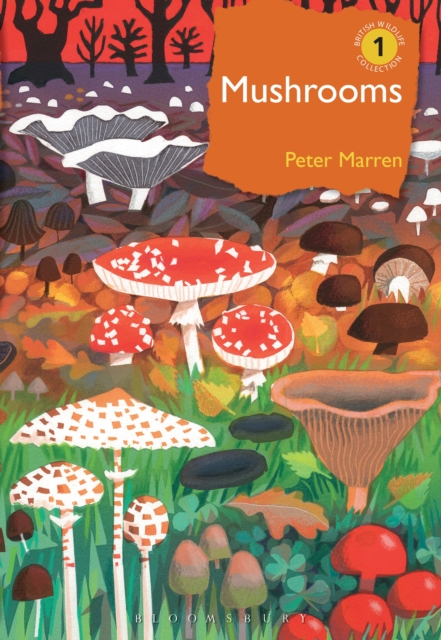
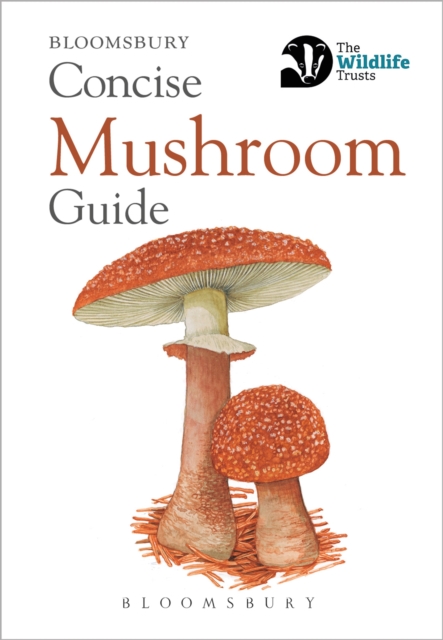
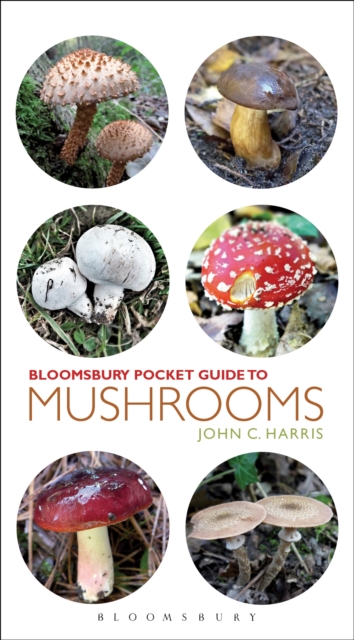
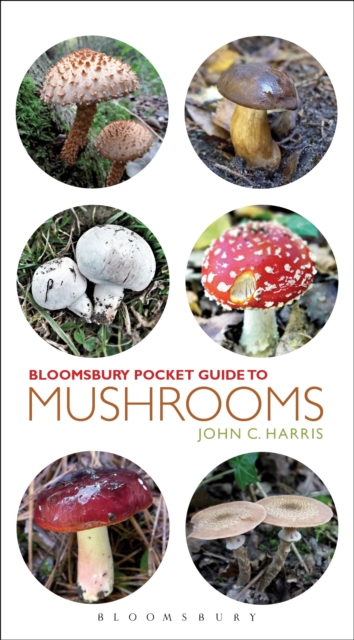
Mushrooms, the first of a major new series of books on British natural history, provides a remarkable insight into the natural and human world of fungi.
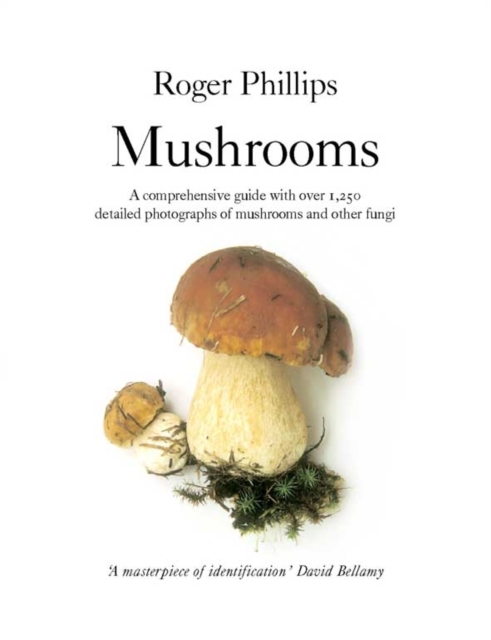
Mushrooms, the first of a major new series of books on British natural history, provides a remarkable insight into the natural and human world of fungi.
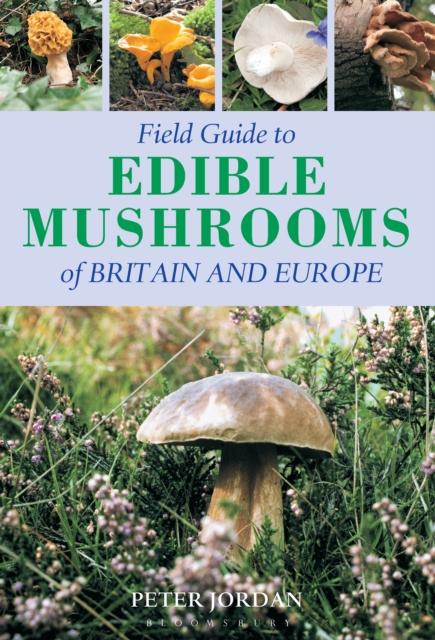
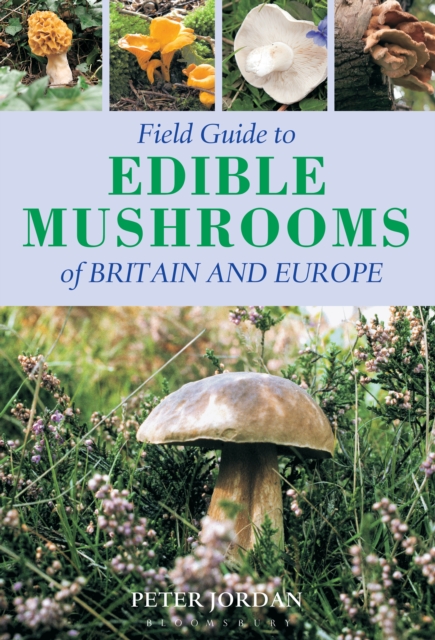
Field Guide to Edible Mushrooms of Britain and Europe is an invaluable source of information and advice on when and where to look for edible fungi throughout Europe.
Field Guide to Edible Mushrooms of Britain and Europe is an invaluable source of information and advice on when and where to look for edible fungi throughout Europe.
This vintage book contains a comprehensive guide to cultivating mushrooms, with historical information, step-by-step instructions, handy tips, and much more.
Fungi are now at the forefront of research on mechanisms in gene silencing, biological rhythm, mating processes, biogenesis of intracellular organelles, adaptations to hostile habitats, structure of natural populations, and speciation.
Aflatoxins are responsible for damaging up to 25% of the world's food crops, resulting in large economic losses in developed countries and human and animal disease in under-developed ones.
Latin names frequently unpronounceable, all too often wrong and always a tiny puzzle to unravel have been annoying the layman since they first became formalised as scientific terms in the eighteenth century.
Knowledge of downy mildew pathogens and diseases has increased significantly in taxonomy, phylogeny, genetics, molecular biology, host-parasite interactions, ecology, epidemiology and control.
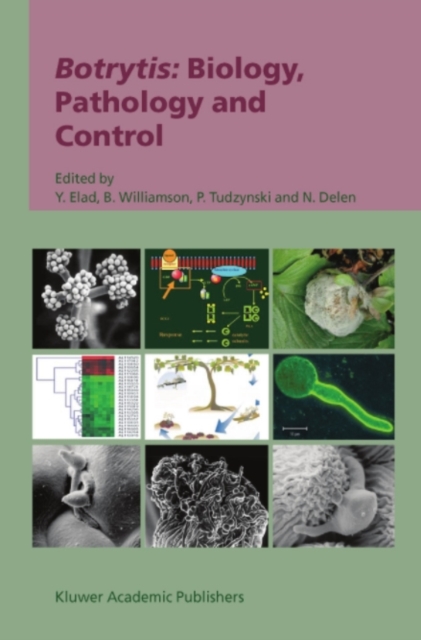
Botrytis cinerea and other Botrytis species are important pathogens of nursery plants, vegetables, ornamental, field and orchard crops and stored and transported agricultural products.
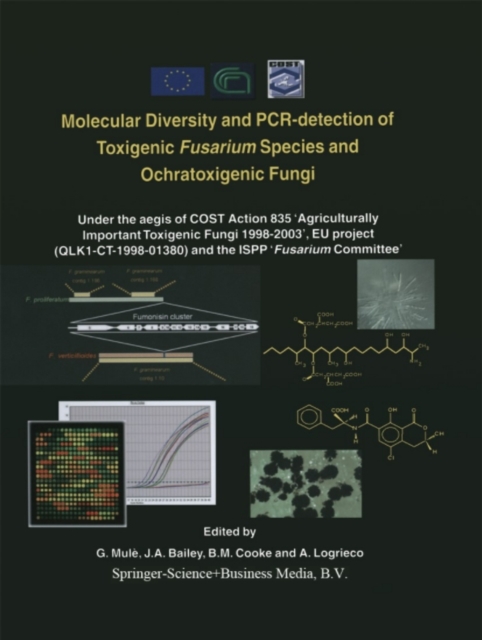
Toxigenic Fusarium species and ochratoxigenic fungi are responsible for various plant diseases which have important consequential effects on both human and animal health worldwide.
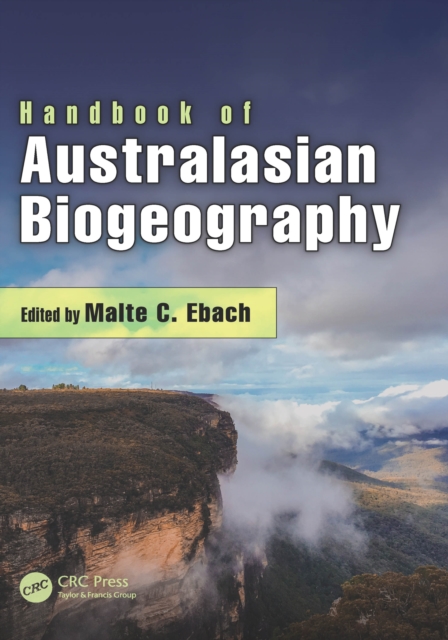
The Handbook of Australasian Biogeography is the most comprehensive overview of the biogeography of Australasian plants, fungi and animal taxa in a single volume.
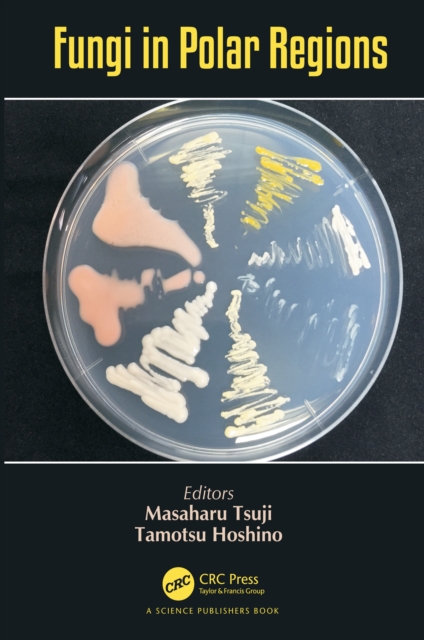
Fungi that inhabit polar-region can grow and decompose organic compounds under subzero temperatures play important roles in the nutrient cycle of polar-region ecosystems.
Fungi that inhabit polar-region can grow and decompose organic compounds under subzero temperatures play important roles in the nutrient cycle of polar-region ecosystems.
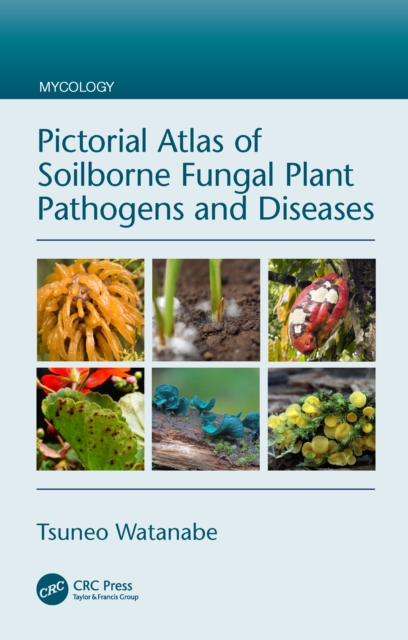
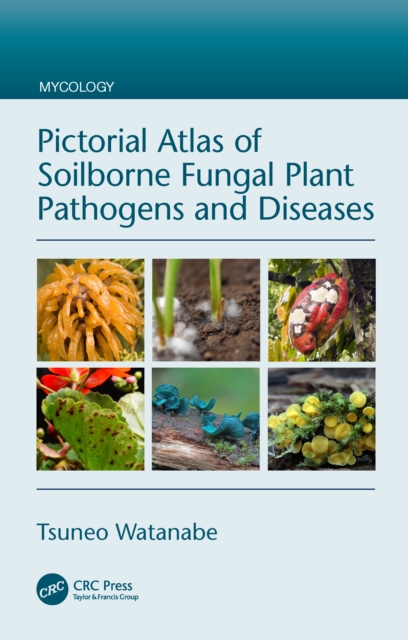
The Pictorial Atlas of Soilborne Fungal Plant Pathogens and Diseases describes the soilborne fungal diseases caused by Oomycetes, Zygomycetes, Ascomycetes, Basidiomycetes, and Deuteromycetous (Anamorphic) fungi.
The Pictorial Atlas of Soilborne Fungal Plant Pathogens and Diseases describes the soilborne fungal diseases caused by Oomycetes, Zygomycetes, Ascomycetes, Basidiomycetes, and Deuteromycetous (Anamorphic) fungi.
This text not only explores the breeding problems for Agaricus bisporus, the button mushroom, but approaches the subject in the context of the large range of edible mushrooms which are currently under commercial cultivation worldwide.
This text not only explores the breeding problems for Agaricus bisporus, the button mushroom, but approaches the subject in the context of the large range of edible mushrooms which are currently under commercial cultivation worldwide.
The present work is an attempt to bring together in some sort of organized form all such information that would link mycology (other than the involvement of fungi in food spoilage) to the food industry.
Target Sites of Fungicide Action presents a critical examination of the mode of action of antifungal inhibitors, especially the mechanistical aspects of agricultural fungicides and antifungal drugs.
The prevalence of antibiotics, corticosteroids, and anticancer or immunosuppressive drugs and the progress of the medical treatments after World War II have saved the lives of many patients attacked by serious diseases and have contributed to the prolongation of the average life span of a human being.
The present work is an attempt to bring together in some sort of organized form all such information that would link mycology (other than the involvement of fungi in food spoilage) to the food industry.
Target Sites of Fungicide Action presents a critical examination of the mode of action of antifungal inhibitors, especially the mechanistical aspects of agricultural fungicides and antifungal drugs.