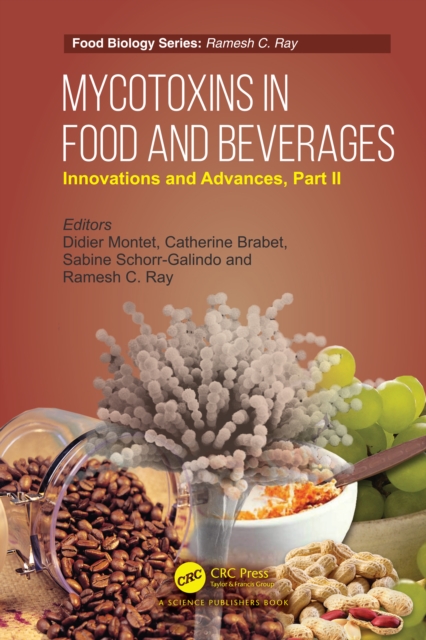
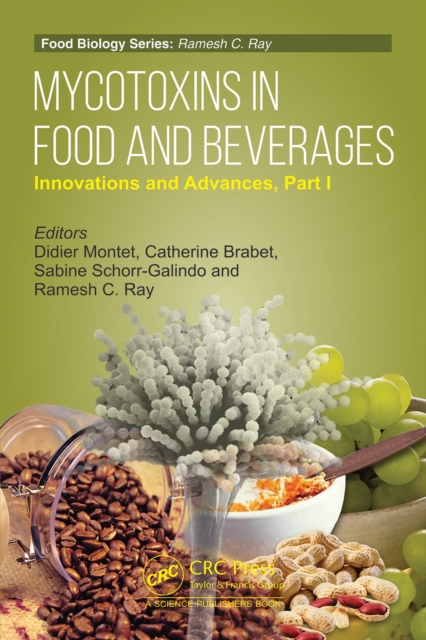
Mycotoxins are secondary metabolites produced by fungi in a wide range of foods (cereals, peanut, tree nuts, dried fruits, coffee, cocoa, grapes, spices.
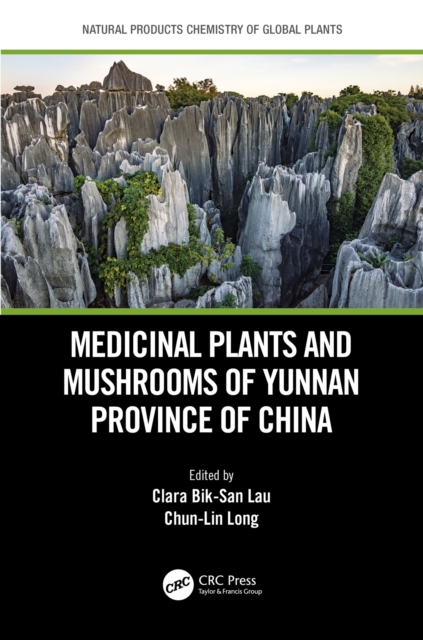
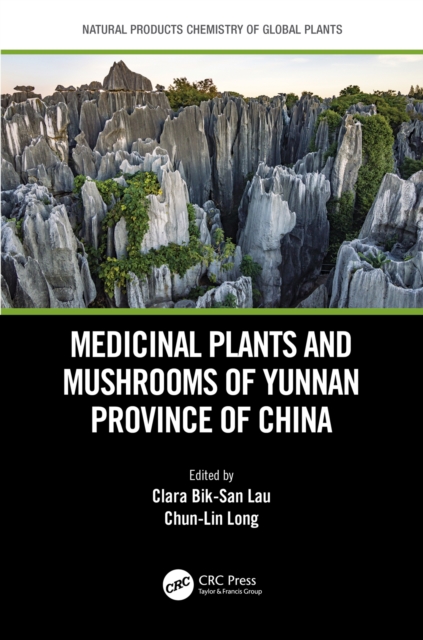
Although many texts describe plants from China, the focus of this book is to draw on the rich culture and environment of medicinal plants and fungi/mushrooms of Yunnan Province.
Although many texts describe plants from China, the focus of this book is to draw on the rich culture and environment of medicinal plants and fungi/mushrooms of Yunnan Province.
Mycotoxins are secondary metabolites produced by fungi in a wide range of foods (cereals, peanut, tree nuts, dried fruits, coffee, cocoa, grapes, spices.
Mycotoxins are secondary metabolites produced by fungi in a wide range of foods (cereals, peanut, tree nuts, dried fruits, coffee, cocoa, grapes, spices.
There is an ever-increasing demand for more food but one of the stumbling blocks to achieving this goal is quality and quantity losses due to various pests and pathogens and the mycotoxins synthesized by these harmful biotic entities.
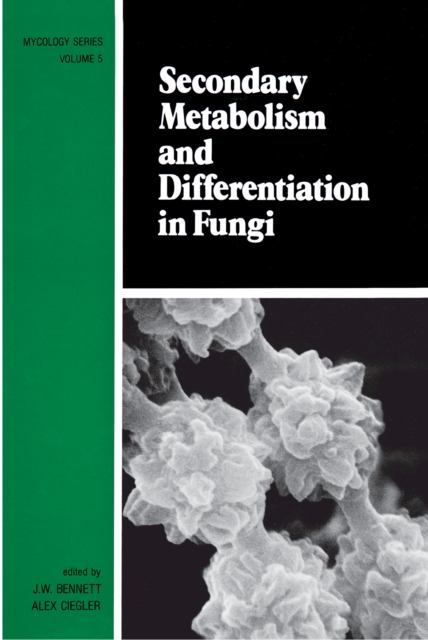
The first source to unite secondary fungal metabolism and morphogenesis in one volume, Secondary Metabolism and Differentiation in Fungi treats biological systems as parts of a whole rather than as a series of individual elements, highlighting research in genetics, molecular biology, and ecology.
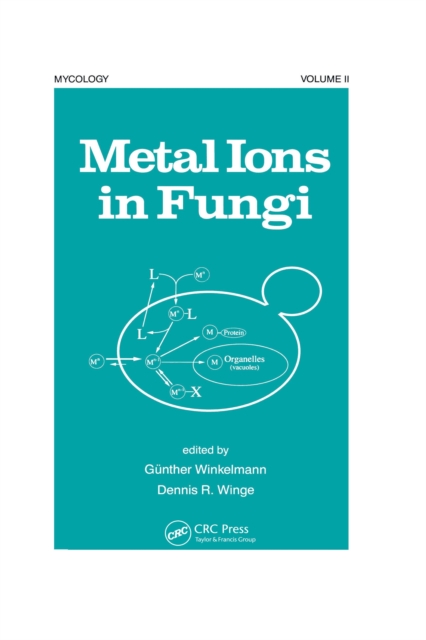
Presents the latest advances in the study of the intracellular fate and transport of metal ions in fungi, emphasizing the mechanisms that regulate cellular concentration.
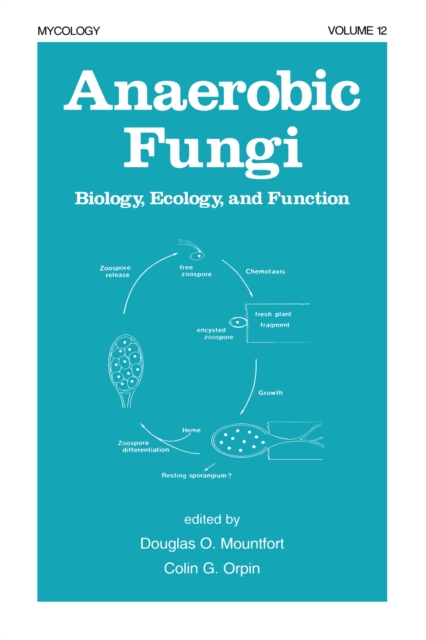
Uniting-for the first time-current information on anaerobic fungi from a number of different disciplines, this unique reference examines the taxonomy, physiology, biochemistry, molecular biology, and ecology of anaerobic fungi-focusing on fungi from the rumen and other gut environments such as the cecum and hindgut of nonruminant herbivores.
There is an ever-increasing demand for more food but one of the stumbling blocks to achieving this goal is quality and quantity losses due to various pests and pathogens and the mycotoxins synthesized by these harmful biotic entities.
The first source to unite secondary fungal metabolism and morphogenesis in one volume, Secondary Metabolism and Differentiation in Fungi treats biological systems as parts of a whole rather than as a series of individual elements, highlighting research in genetics, molecular biology, and ecology.
Presents the latest advances in the study of the intracellular fate and transport of metal ions in fungi, emphasizing the mechanisms that regulate cellular concentration.
Uniting-for the first time-current information on anaerobic fungi from a number of different disciplines, this unique reference examines the taxonomy, physiology, biochemistry, molecular biology, and ecology of anaerobic fungi-focusing on fungi from the rumen and other gut environments such as the cecum and hindgut of nonruminant herbivores.
This book brings together the knowledge from and tools for genetic and genomic research into oomycetes to help solve the problems this pathogen poses to crops and animals.
Food scientists will dig into this robust reference on mushrooms Mushrooms as Functional Foods is a compendium of current research on the chemistry and biology, nutritional and medicinal value, and the use of mushrooms in the modern functional foods industry.
Divided into logical easy-to-use sections, Neotyphodium in Cool-Season Grasses is an up-to-date anthology of the latest knowledge on the genus Neotyphodium.
New and Future Developments in Microbial Biotechnology and Bioengineering: Aspergillus System Properties and Applications provides information on emerging issues related to recent advancements in aspergillus research and its applications in bioprocess technology, chemical engineering, genome biology, molecular taxonomy, secondary and metabolite production, industrial process and biofuels/bioenergy research, and alternative fuel development.
New and Future Developments in Microbial Biotechnology and Bioengineering: Aspergillus System Properties and Applications provides information on emerging issues related to recent advancements in aspergillus research and its applications in bioprocess technology, chemical engineering, genome biology, molecular taxonomy, secondary and metabolite production, industrial process and biofuels/bioenergy research, and alternative fuel development.
Biotechnology and Biology of Trichoderma serves as a comprehensive reference on the chemistry and biochemistry of one of the most important microbial agents, Trichoderma, and its use in an increased number of industrial bioprocesses for the synthesis of many biochemicals such as pharmaceuticals and biofuels.
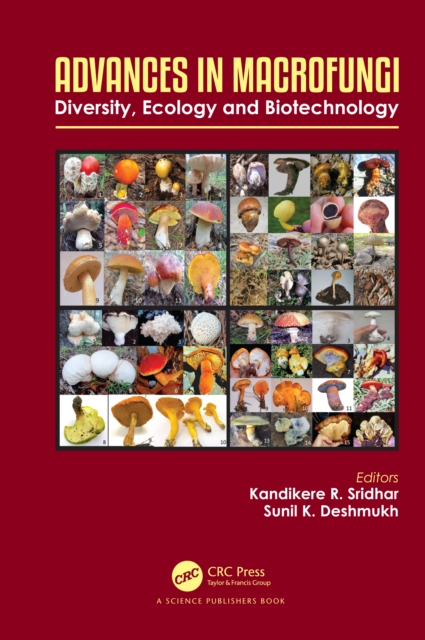
Advances in Macrofungi: Diversity, Ecology and Biotechnology discusses the diversity and ecology of edible, toxic, medicinal and mycorrhizal macrofungi; the impact of ectomycorrhizal fungi in terrestrial ecosystems, ectomycorrhizal complex in Boreal forests and commercial application of Pseudotsuga in silviculture; the nutritional evaluation and cultivation of edible wild mushrooms; the diversity of novel metabolites of macrofungi useful in food, pharmaceutical and cosmeceutical industries; mushrooms as tool for eco-friendly synthesis of nanoparticles and proteomics of edible and medicinal mushrooms.
Advances in Macrofungi: Diversity, Ecology and Biotechnology discusses the diversity and ecology of edible, toxic, medicinal and mycorrhizal macrofungi; the impact of ectomycorrhizal fungi in terrestrial ecosystems, ectomycorrhizal complex in Boreal forests and commercial application of Pseudotsuga in silviculture; the nutritional evaluation and cultivation of edible wild mushrooms; the diversity of novel metabolites of macrofungi useful in food, pharmaceutical and cosmeceutical industries; mushrooms as tool for eco-friendly synthesis of nanoparticles and proteomics of edible and medicinal mushrooms.
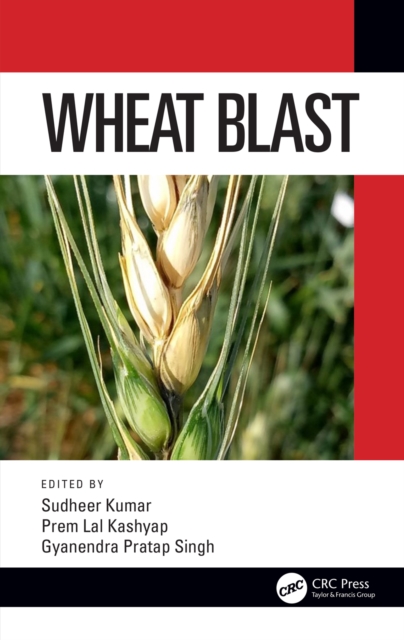
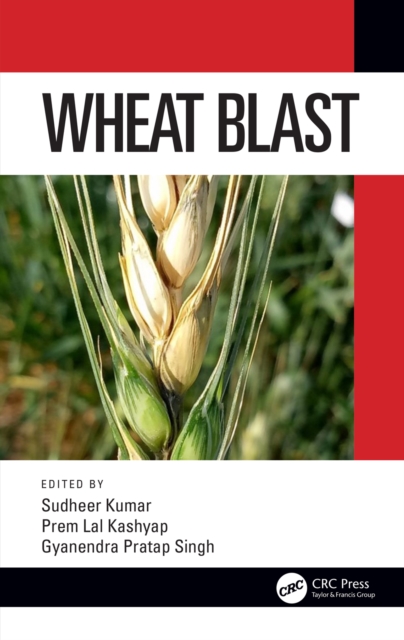
Wheat Blast provides systematic and practical information on wheat blast pathology, summarises research progress and discusses future perspectives based on current understanding of the existing issues.
Wheat Blast provides systematic and practical information on wheat blast pathology, summarises research progress and discusses future perspectives based on current understanding of the existing issues.
Better validation of indigenous domestic animal genetic resources is becoming more important with regard to the potential of livestock for poverty alleviation and income generation.
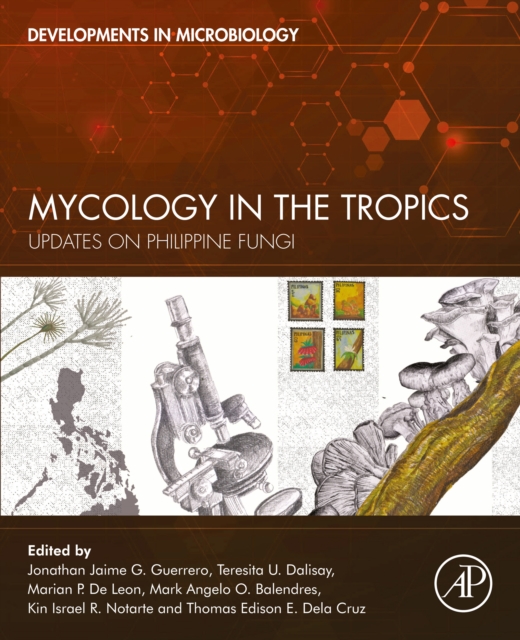
Mycology in the Tropics: Updates on Philippine Fungi comprehensively discusses the current state of Philippine mycology, including historical developments in the field, listings of fungi with diverse utilizations or applications, and those that cause economic impact on crop production in the country.
Ectomycorrhizae: Their Ecology and Physiology provides an overview of the state of knowledge and opinion on the physiological ecology of ectomycorrhizae, which may be defined as symbiotic associations between nonpathogenic or weakly pathogenic fungi and living cells of roots.
Fungicides, Volume I: Agricultural and Industrial Applications, Environmental Interactions discusses the application, use, and environmental interactions of fungicides.
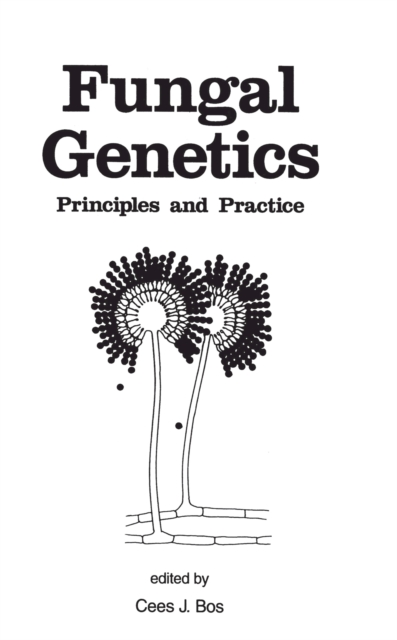
The original work, published in 1985, appeared at the first interface between classical fungal genetics and modern genetic engineering, reflecting the excitement of a young and promising discipline.
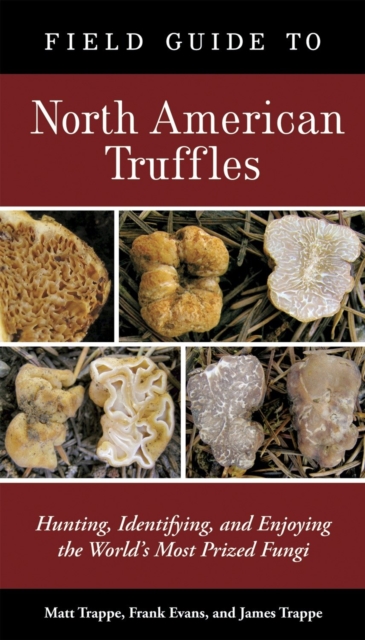
A Publishers Weekly Best Book of the YearA captivating exploration into the secretive and sensuous world of truffles, the elusive food that has captured hearts, imaginations, and palates worldwide.
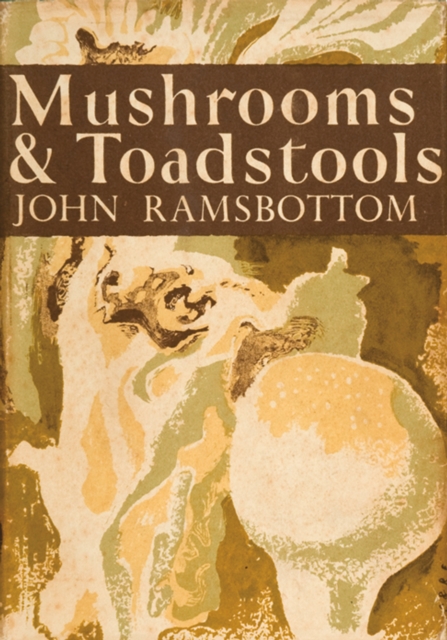
Britain's neglect of fungi as table delicacies has perhaps been responsible for our surprising ignorance of the natural history of such fascinating plants.
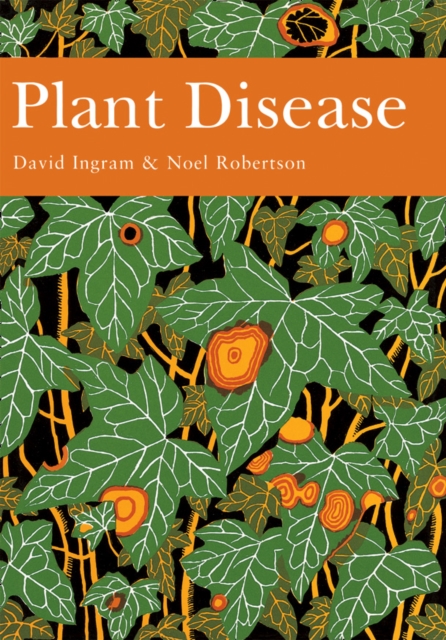
Plant Disease covers all aspects of diseases of plants growing in the wild or likely to be encountered on cultivated plants in farm, forest and garden.
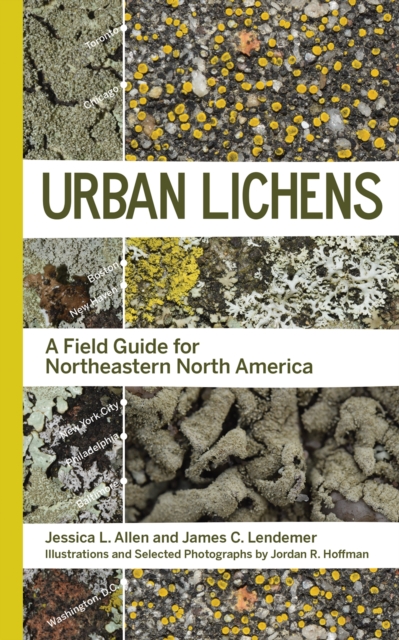
A practical field guide to the common lichens found in the northeastern megalopolis, including New York City, Toronto, Boston/New Haven, Philadelphia, Baltimore/Washington, D.
This comprehensive guide to the diseases and pests of mushrooms and fungi comprises twelve thorough and detailed chapters by various experts on the subject.
This volume provides technical insight on how genomics-oriented studies may be used to bring new understanding to established models of fungal development.