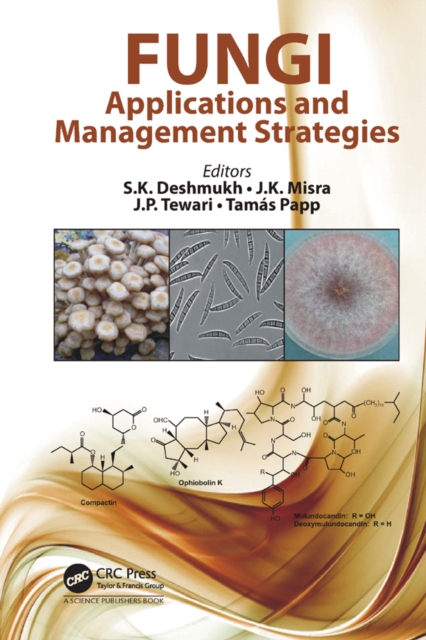
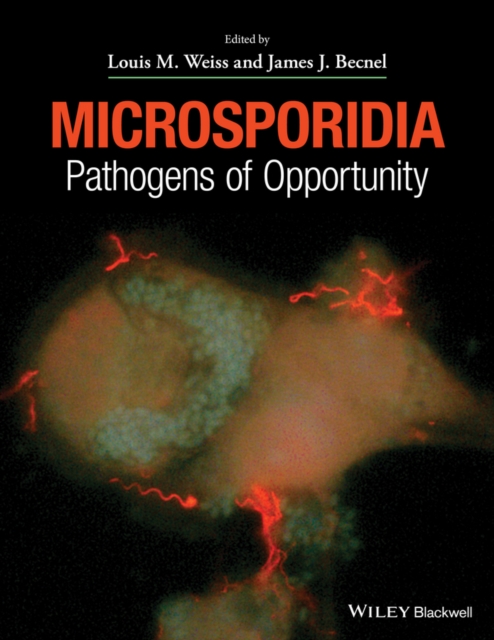
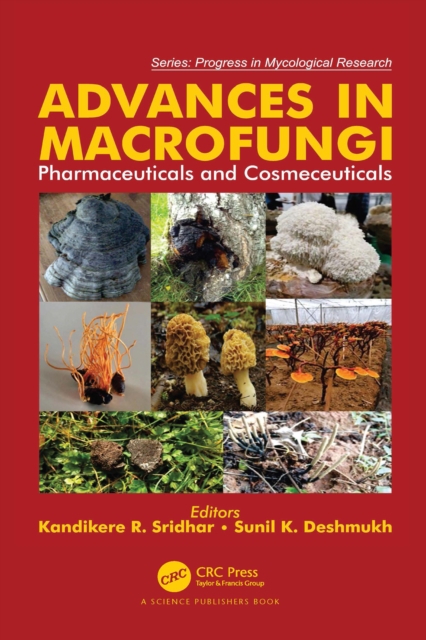
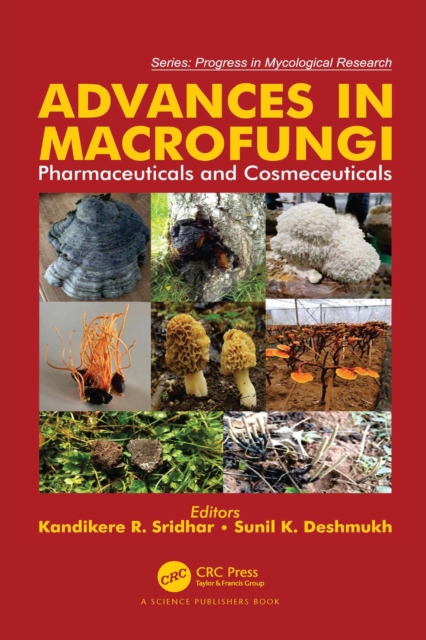
The prevalence of antibiotics, corticosteroids, and anticancer or immunosuppressive drugs and the progress of the medical treatments after World War II have saved the lives of many patients attacked by serious diseases and have contributed to the prolongation of the average life span of a human being.
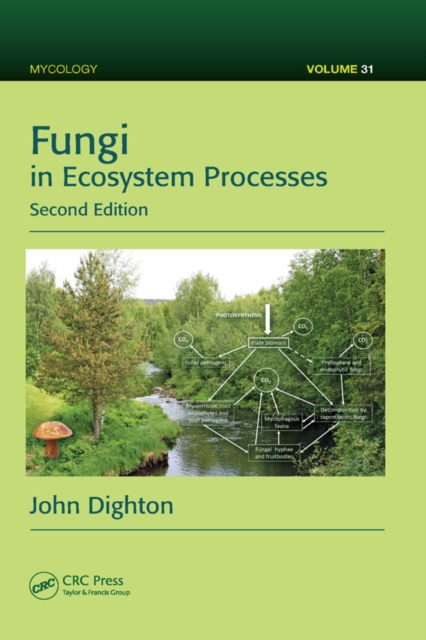
This new edition of Fungi in Ecosystem Processes continues the unique approach of examining the roles of fungi from the perspective of ecosystem functions.
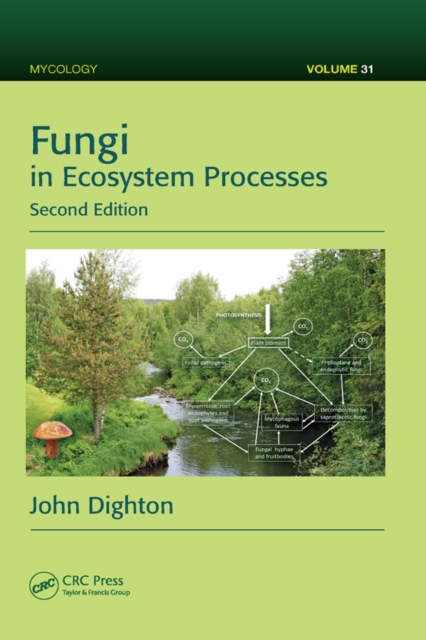
This new edition of Fungi in Ecosystem Processes continues the unique approach of examining the roles of fungi from the perspective of ecosystem functions.
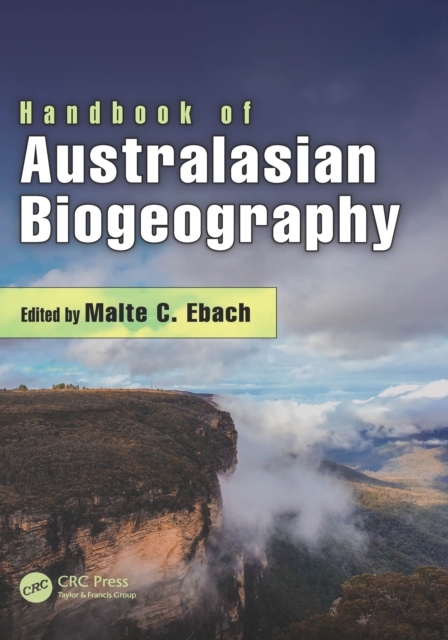
The Handbook of Australasian Biogeography is the most comprehensive overview of the biogeography of Australasian plants, fungi and animal taxa in a single volume.
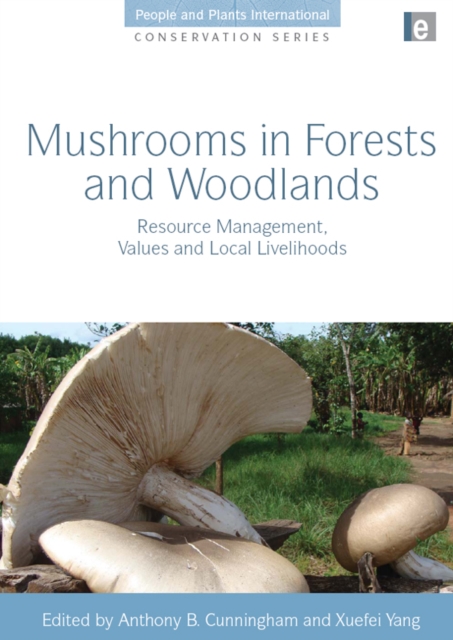
Many mushrooms - or the 'fruits of fungi' - are extremely valuable, wild-gathered products which are utilised for both their medicinal properties and as food.
Many mushrooms - or the 'fruits of fungi' - are extremely valuable, wild-gathered products which are utilised for both their medicinal properties and as food.
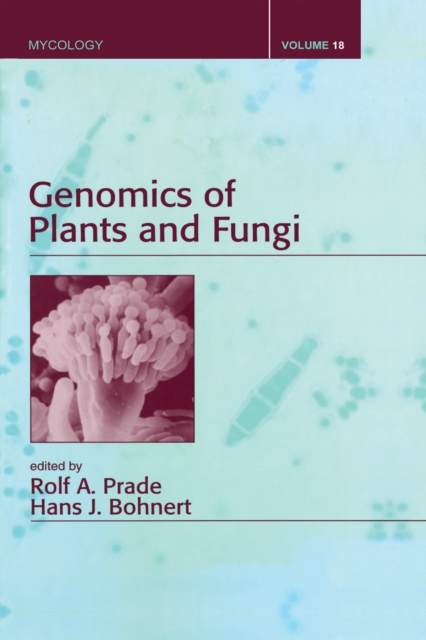
This volume provides technical insight on how genomics-oriented studies may be used to bring new understanding to established models of fungal development.
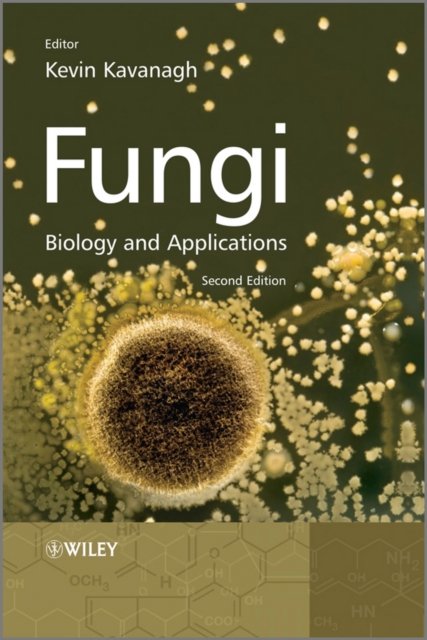
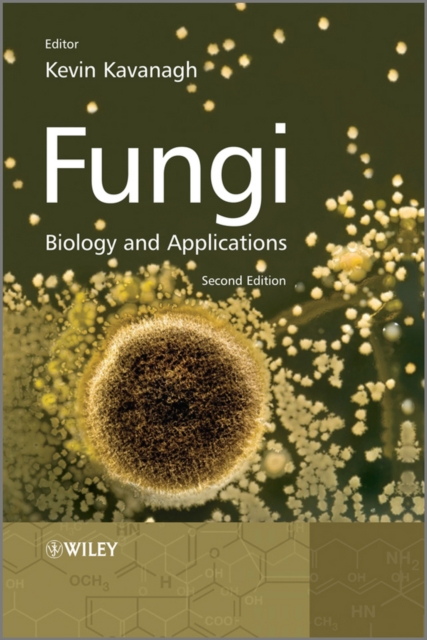
Fungi: Biology and Applications, Second Edition provides a comprehensive treatment of fungi, covering biochemistry, genetics and the medical and economic significance of these organisms at introductory level.
Fungi: Biology and Applications, Second Edition provides a comprehensive treatment of fungi, covering biochemistry, genetics and the medical and economic significance of these organisms at introductory level.
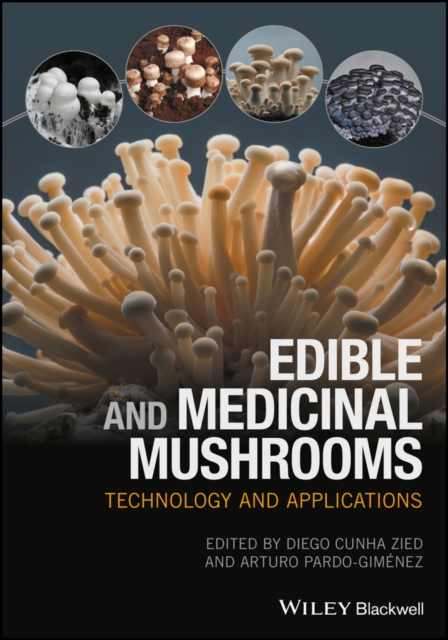
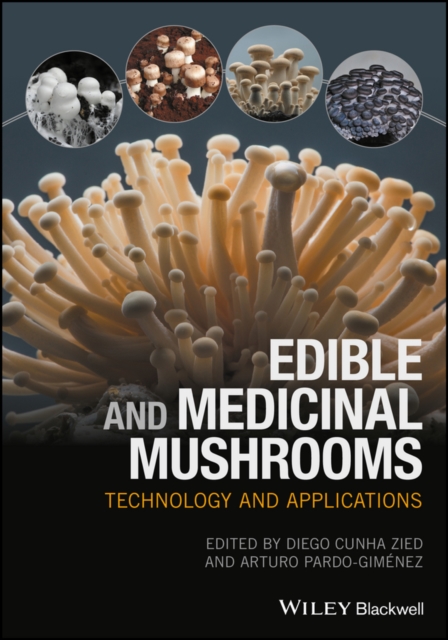
Comprehensive and timely, Edible and Medicinal Mushrooms: Technology and Applications provides the most up to date information on the various edible mushrooms on the market.
Comprehensive and timely, Edible and Medicinal Mushrooms: Technology and Applications provides the most up to date information on the various edible mushrooms on the market.
Although there are many texts that provide quality information for the identification of fungi, researchers and technologists rarely have time to read the text.
Although there are many texts that provide quality information for the identification of fungi, researchers and technologists rarely have time to read the text.
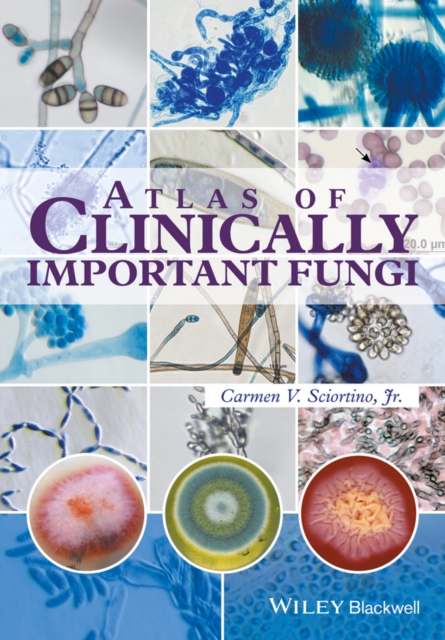
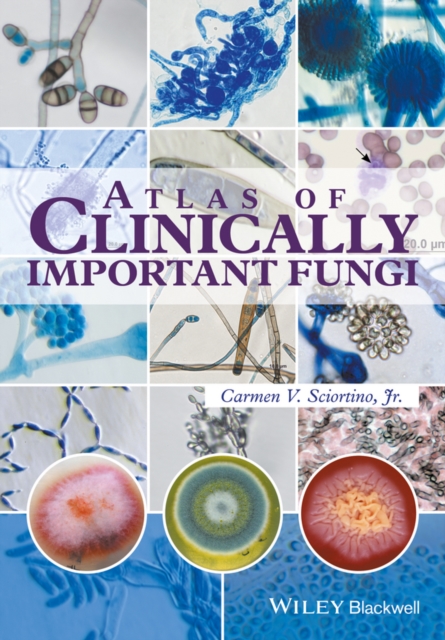
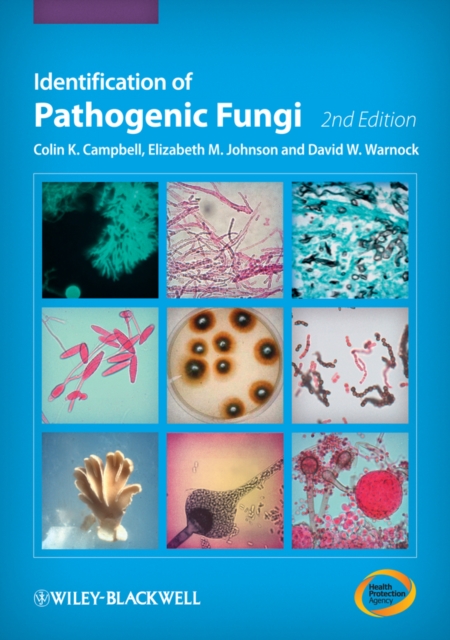
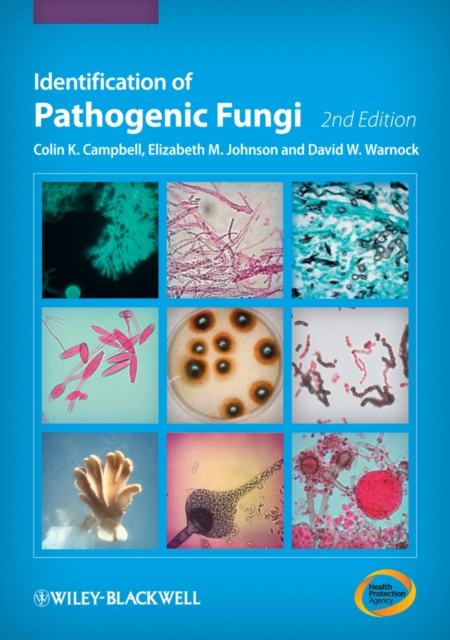
Since the first edition of Identification of Pathogenic Fungi, there has been incredible progress in the diagnosis, treatment and prevention of fungal diseases: new methods of diagnosis have been introduced, and new antifungal agents have been licensed for use.
Since the first edition of Identification of Pathogenic Fungi, there has been incredible progress in the diagnosis, treatment and prevention of fungal diseases: new methods of diagnosis have been introduced, and new antifungal agents have been licensed for use.
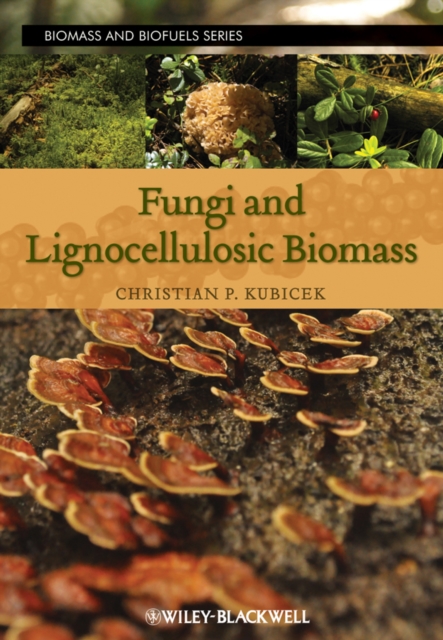
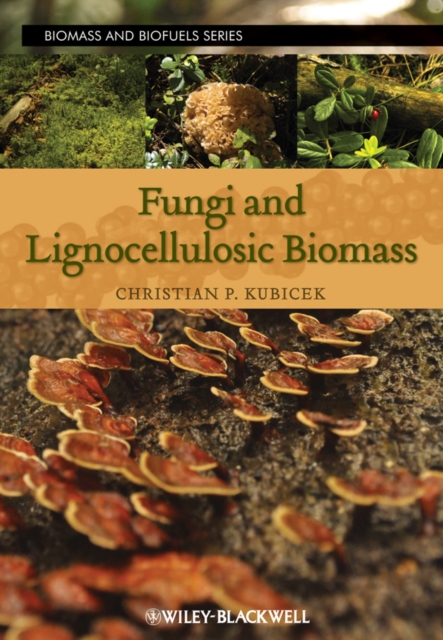
Harnessing fungi s enzymatic ability to break down lignocellulolytic biomass to produce ethanol more efficiently and cost-effectively has become a significant research and industrial interest.
Harnessing fungi s enzymatic ability to break down lignocellulolytic biomass to produce ethanol more efficiently and cost-effectively has become a significant research and industrial interest.
Many wild varieties of mushrooms are consumed by people around the world, yet many species remain unexplored, their nutritional as well as pharmacological significance yet to be discovered for many of them.
Many wild varieties of mushrooms are consumed by people around the world, yet many species remain unexplored, their nutritional as well as pharmacological significance yet to be discovered for many of them.
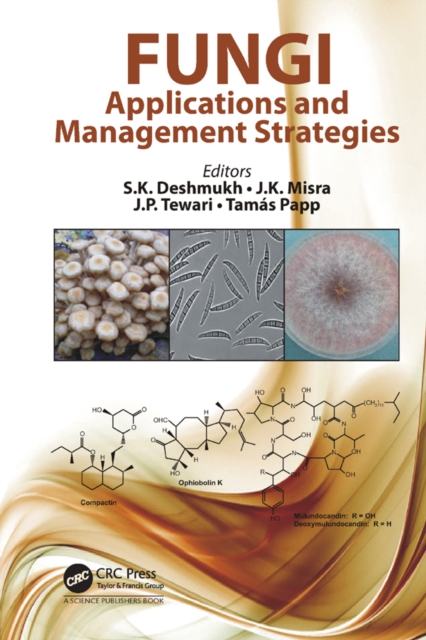
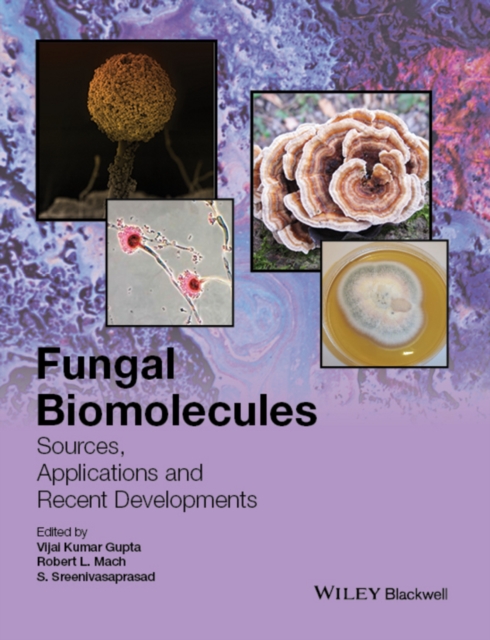
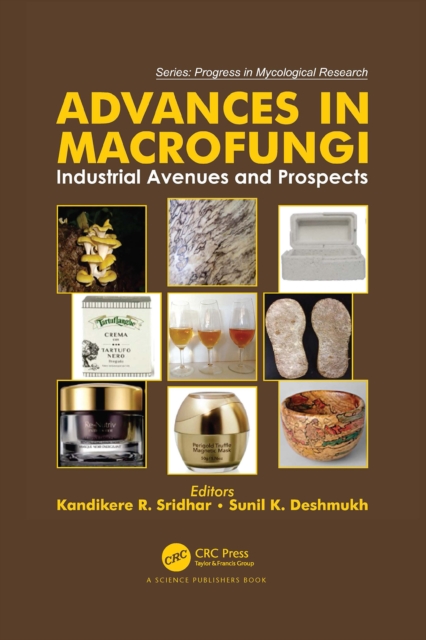
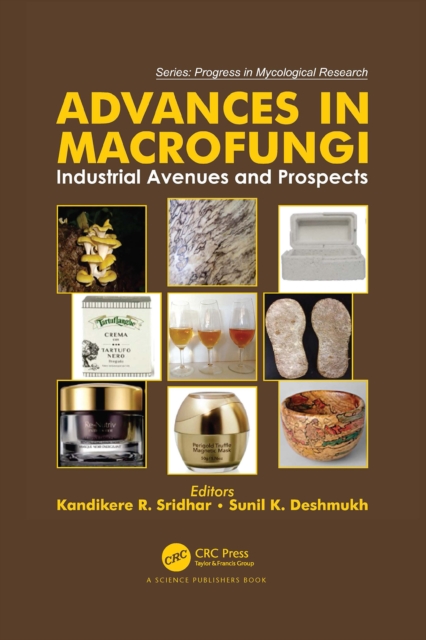
Large scale cultivation of macrofungi is possible with fermentation, using easily accessible lignocellulosic agricultural residues applying economical methods to generate substantial biomass, food and biofuels.
Large scale cultivation of macrofungi is possible with fermentation, using easily accessible lignocellulosic agricultural residues applying economical methods to generate substantial biomass, food and biofuels.
Large scale cultivation of macrofungi is possible with fermentation, using easily accessible lignocellulosic agricultural residues utilising economical methods to generate substantial biomass, food and biofuels.
Large scale cultivation of macrofungi is possible with fermentation, using easily accessible lignocellulosic agricultural residues utilising economical methods to generate substantial biomass, food and biofuels.
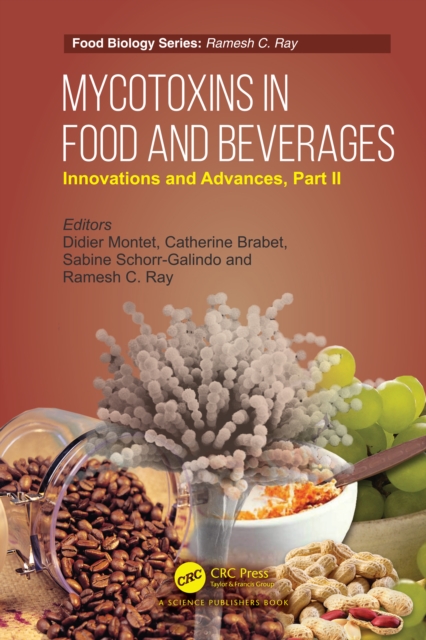
Mycotoxins are secondary metabolites produced by fungi in a wide range of foods (cereals, peanut, tree nuts, dried fruits, coffee, cocoa, grapes, spices.