From the world-famous expert on chimpanzees - the powerfully compelling sequel to the international bestseller IN THE SHADOW OF MAN: 'An instant animal classic' Time'I can't imagine a more vivid or unexpectedly moving introduction to chimpanzees in the wild than Jane Goodall's' New York TimesEquipped with little more than a notebook, binoculars, and her fascination with wildlife, Jane braved a realm of unknowns to give the world a remarkable window into humankind's closest living relatives.
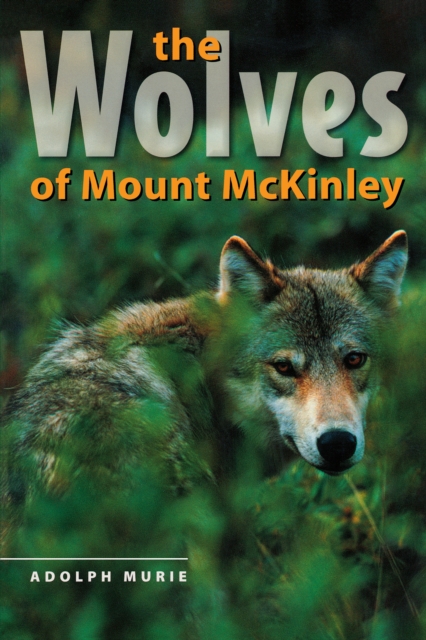
Many Japanese once revered the wolf as Oguchi no Magami, or Large-Mouthed Pure God, but as Japan began its modern transformation wolves lost their otherworldly status and became noxious animals that needed to be killed.
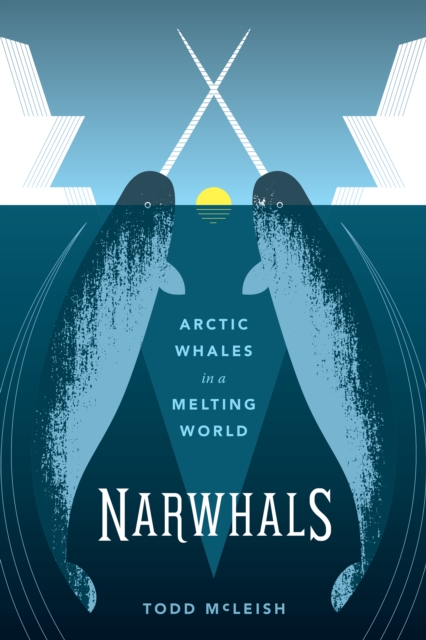
Among all the large whales on Earth, the most unusual and least studied is the narwhal, the northernmost whale on the planet and the one most threatened by global warming.
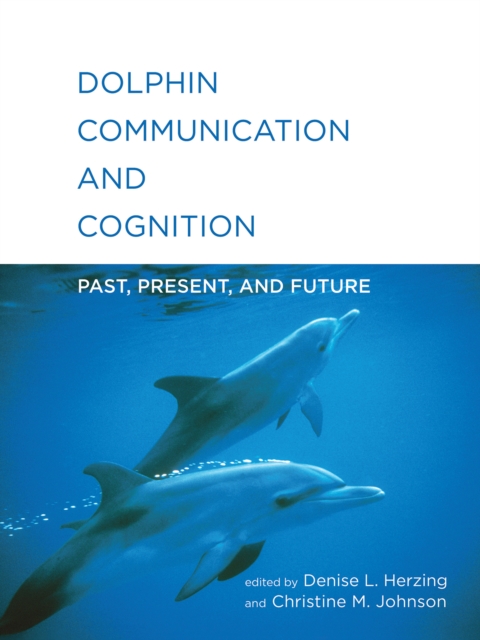
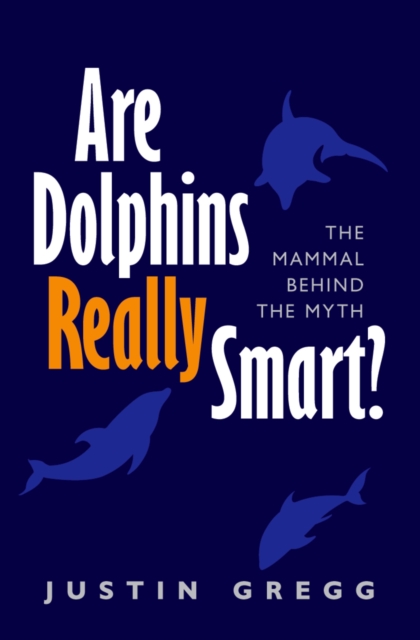
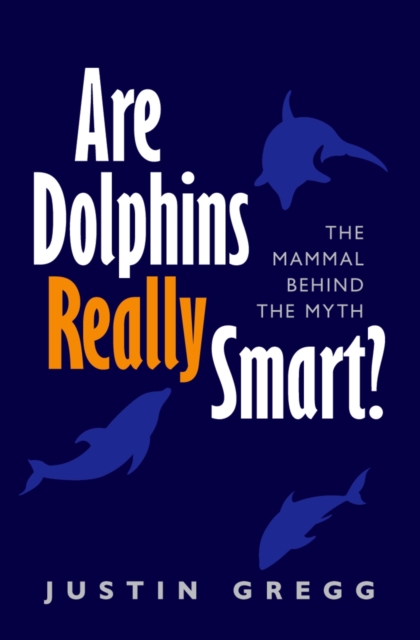
Experts survey the latest research on dolphin communication and cognition, offering a comprehensive reference to findings in the laboratory and from the field.
The study of the chimpanzee, one of the human species' closest relatives, has led scientists to exciting discoveries about evolution, behavior, and cognition over the past half century.
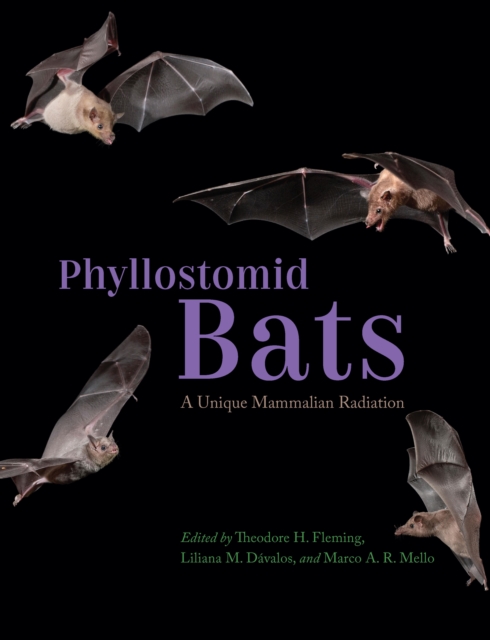
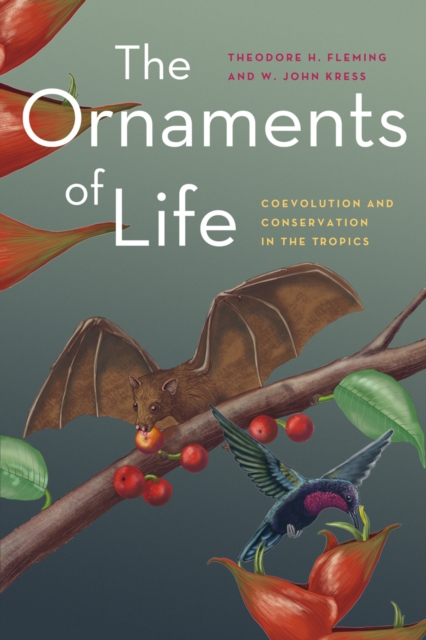
With more than two hundred species distributed from California through Texas and across most of mainland Mexico, Central and South America, and islands in the Caribbean Sea, the Phyllostomidae bat family (American leaf-nosed bats) is one of the world's most diverse mammalian families.
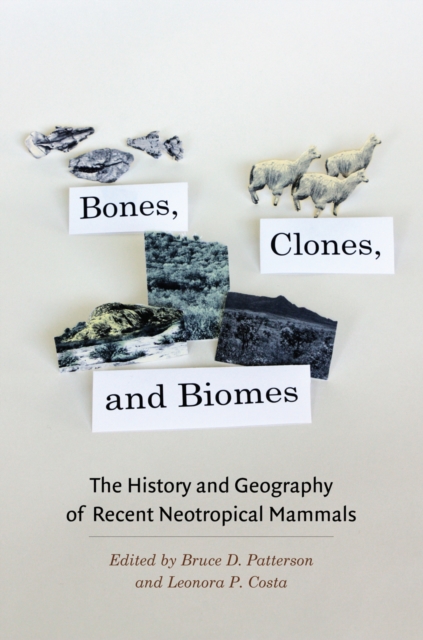
As explorers and scientists have known for decades, the Neotropics harbor a fantastic array of our planet's mammalian diversity, from capybaras and capuchins to maned wolves and mouse opossums to sloths and sakis.
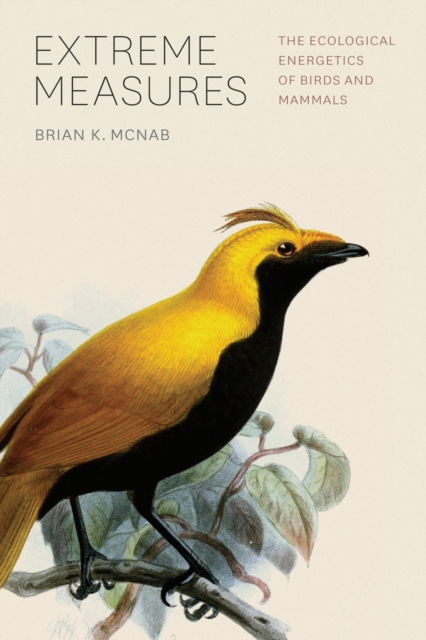
Along with reproduction, balancing energy expenditure with the limits of resource acquisition is essential for both a species and a population to survive.
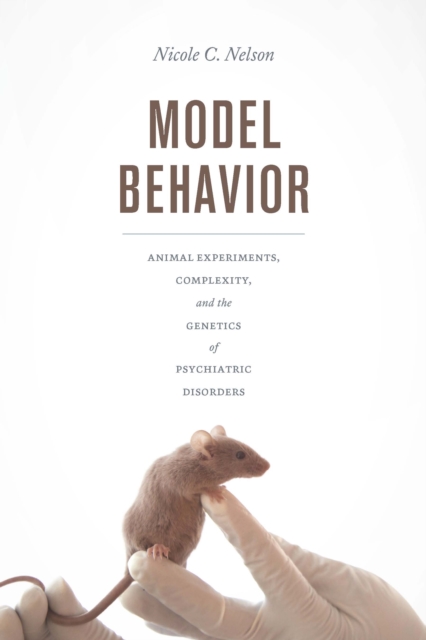
Mice are used as model organisms across a wide range of fields in science today-but it is far from obvious how studying a mouse in a maze can help us understand human problems like alcoholism or anxiety.
From eminent biologists like Alfred Russel Wallace and Charles Darwin to famous authors such as Rudyard Kipling in his Just So Stories, many people have asked, "e;Why do zebras have stripes?
The vast terrain between Panama and Tierra del Fuego contains some of the world's richest mammalian fauna, but until now it has lacked a comprehensive systematic reference to the identification, distribution, and taxonomy of its mammals.
Primate Societies is a synthesis of the most current information on primate socioecology and its theoretical and empirical significance, spanning the disciplines of behavioral biology, ecology, anthropology, and psychology.
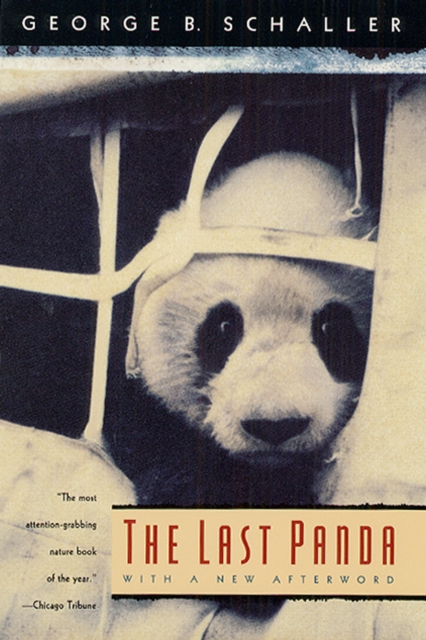
Dependent on a shrinking supply of bamboo, hunted mercilessly for its pelt, and hostage to profiteering schemes once in captivity, the panda is on the brink of extinction.
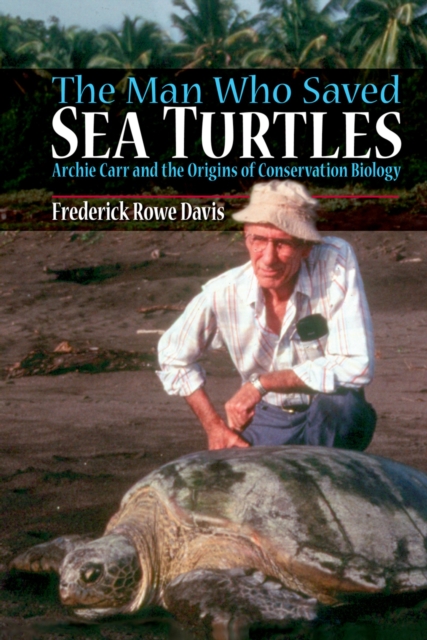
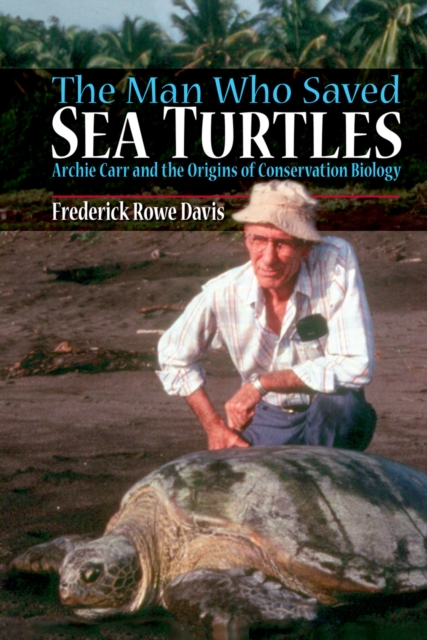
Archie Carr, one of the greatest biologists of the twentieth century, played a leading part in finding a new and critical role for natural history and systematics in a post-1950s world dominated by the glamorous science of molecular biology.
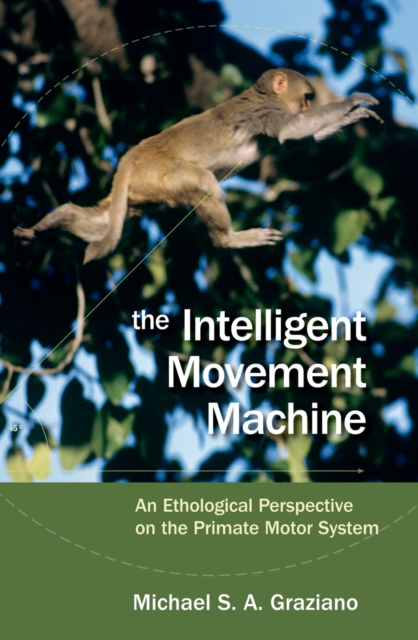
In The Intelligent Movement Machine: An Ethological Perspective on the Primate Motor System, Michael Graziano offers a fundamentally new theory of motor cortex organization: the rendering of the movement repertoire onto the cortex.
Archie Carr, one of the greatest biologists of the twentieth century, played a leading part in finding a new and critical role for natural history and systematics in a post-1950s world dominated by the glamorous science of molecular biology.
Every three years a major international conference on bats draws the leading workers in the field to a carefully orchestrated presentation of the research and advances and current state of understanding of bat biology.
As part of the SFI series, this book presents the most up-to-date research in the study of human and primate societies, presenting recent advances in software and algorithms for modeling societies.
This book presents a series of review chapters on the various aspects of primate kinship and behavior, as a fundamental reference for students and professionals interested in primate behavior, ecology and evolution.
Once famous for the beauty of its white beaches, reef-ringed islands, and lush forests, today the Philippines is known as an example of the deep costs of ecological decline.
Beavers are represented by two extant species, the Eurasian beaver (Castor fiber) and the North American beaver (Castor canadensis); each has played a significant role in human history and dominated wetland ecology in the northern hemisphere.
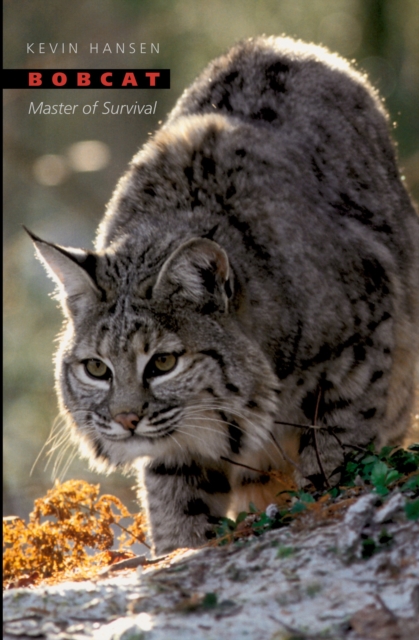
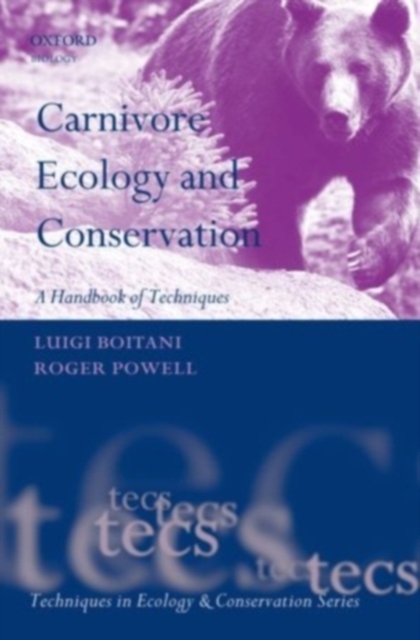
Animals that must hunt and kill for at least part of their living are inherently interesting to many people and the role that carnivores play in biological communities attract interest from ecologists and conservation biologists.
Animals that must hunt and kill for at least part of their living are inherently interesting to many people and the role that carnivores play in biological communities attract interest from ecologists and conservation biologists.
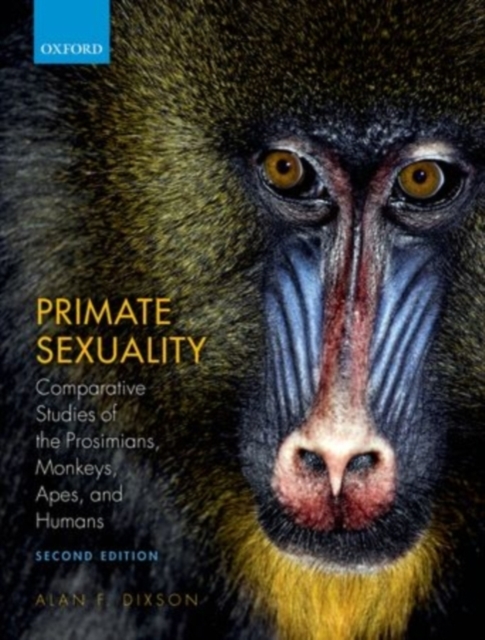
Primate Sexuality provides an authoritative and comprehensive synthesis of current research on the evolution and physiological control of sexual behaviour in the primates - prosimians, monkeys, apes, and human beings.
The editors utilize their 50 years of combined experience in professional engagement with the behaviour and ecology of wild felids to draw together a unique network of the world's most respected and knowledgeable experts.