This book contains aseries of review papers related to the lectures given at the Third Course on Bioelectrochemistry held at Erice in November 1988, in the framework of the International School of Biophysics.
I have been asked to write a brief foreword to this volume honoring Hisako Ikeda, providing a review of the accomplishments in our field over the past four decades, when Hisako was an active participant.
This volume is based on a FEMS Symposium entitled "e;Bacterial Growth and Lysis: Metabolism and Structure of the Bacterial Sacculus"e; held at the Monastery of Lluc (Mallorca, Spain) on 5-10 April, 1992.
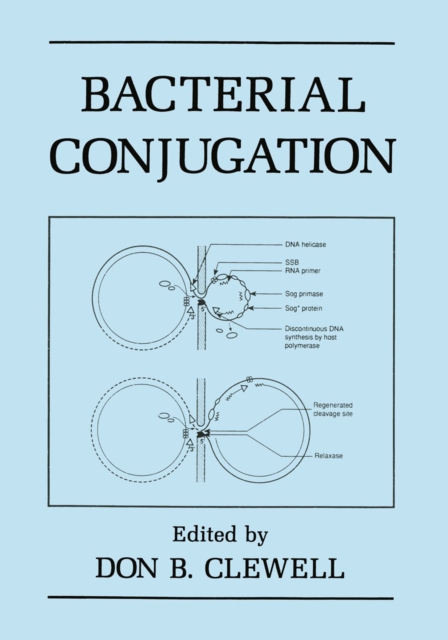
Bacterial plasmids originating in a wide range of genera are being studied from a variety of perspectives in hundreds of laboratories around the globe.
The fifth Annual Pezcoller Symposium entitled, Apoptosis, was held in Trento, Italy, June 9-1I, 1993 and was focused on the specific phenomena leading to Programmed Cell Death (PCD) or Apoptosis, and the mechanisms involved.
Angiogenesis is a multistep process, which involves activation, proliferation and directed migration of endothelial cells to form new capillaries from existing vessels.
Following the two meetings on Lactoferrin Structure and Function that were held in Honolulu, Hawaii, in 1993 and 1995, the Third International Conference on Lactoferrin Structure and Function was held in Le Touquet, France, and has successfully reinforced and diversified the previously created bridges between biochemists, clinicians, and companies.
This book is a compilation of the research which was presented during the NATO-Advanced Research Workshop (ARW) entitled "e;Advances in Bacterial Paracrystalline Surface Layers"e; held in London, Ontario, Canada during September 27 to 30, 1992.
In 1964, the Fertilization and Gamete Physiology Research Training Program (FERGAP) was established at the Marine Biological Laboratories, Woods Hole, Massachusetts.
Current Ornithology publishes authoritative, up-to-date, scholarly reviews of topics selected from the full range of current research in avian biology.
In May of 1969, the contributors to this book gathered at the University of Michigan in Ann Arbor for three days to talk about their work in the behavioral analysis of animal sensory function and to share their research experiences in the laboratory with particular emphasis on methodology in behavioral training, testing, and instrumentation.
Integrating recent research on the physiology and modelling of bioreactions and bioreactors, the authors present a comprehensive, unified introduction to the principles and practices of the field.
The application of enzymes or whole cells (fermentatively active or resting; microbial, plant, or animal) to carry out selective transformations of commercial importance is the central theme of industrial biocatalysis.
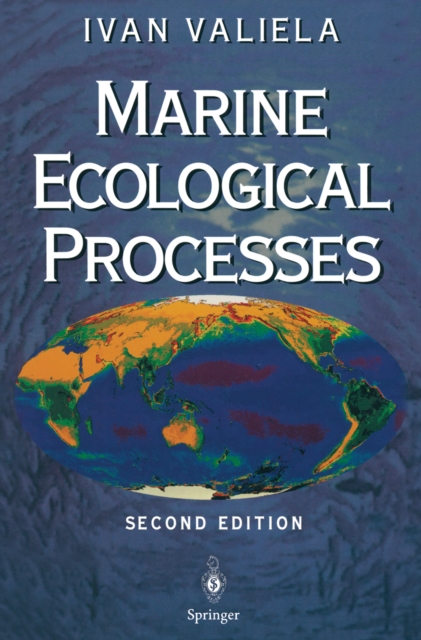
Marine Ecological Processes is a modern review and synthesis of marine ecology that provides the reader - particularly the graduate student - with a lucid introduction to the intellectual concepts, approaches, and methods of this evolving discipline.
Over the past decade, the study of microglial cells has gained increasing importance, in particular for those working in the fields of degeneration and regeneration.
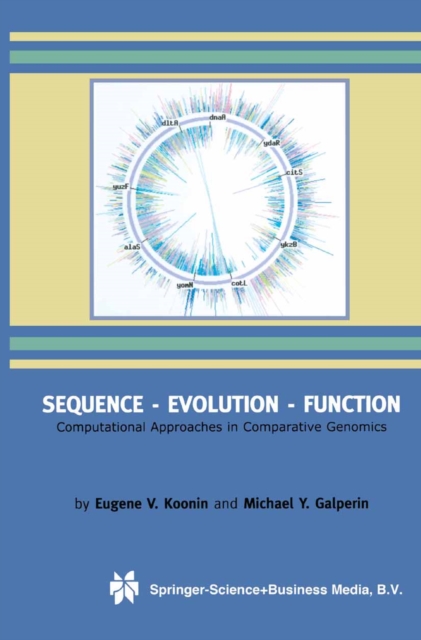
Sequence - Evolution - Function is an introduction to the computational approaches that play a critical role in the emerging new branch of biology known as functional genomics.
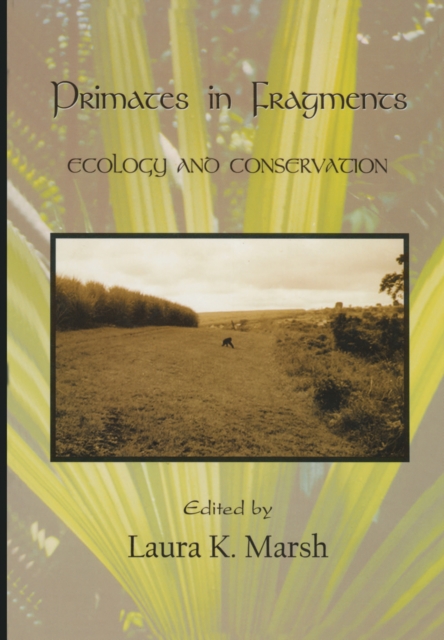
This volume was created initially from a symposium of the same name presented at the International Primatological Society's XVIII Congress in Adelaide.
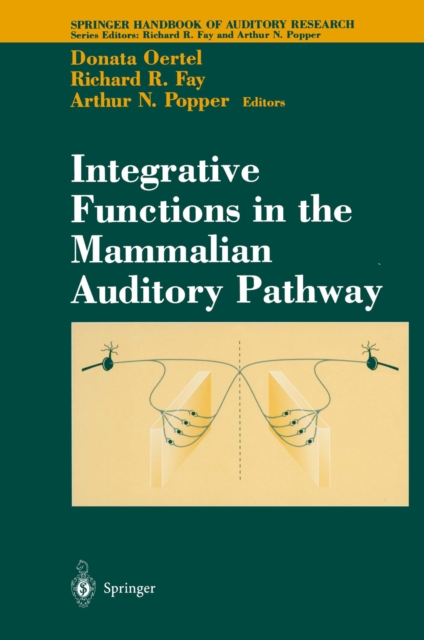
The Springer Handbook of Auditory Research presents a series of com- prehensive and synthetic reviews of the fundamental topics in modern auditory research.
This volume includes contributions presented at the Second International Sym- posium on Nutrition and Cancer, held in Naples, Italy, in October 1998 at the National Tumor Institute "e;Fondazione Pascale.
Contributions to this volume detail paleontologic research in Manonga Valley, and shed important light on the evolutionary development of eastern Africa.
The annual research conference for 1996 of the American Institute for Cancer Re- search was again held at the Loews L'Enfant Plaza Hotel in Washington, DC, August 29 and 30.
In a convenient, single-source reference, this book examines plant growth substances and their relationship to a wide range of physiological processes, ranging from seed germination through the death of the plant.