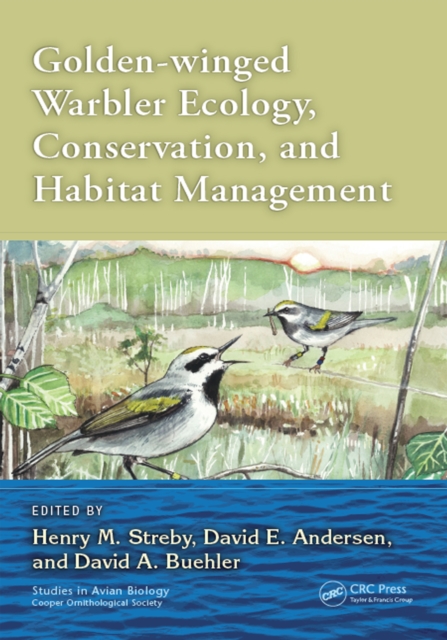
Golden-winged Warblers (Vermivora chrysoptera) are migratory songbirds that breed in temperate North America, primarily in the Great Lakes region with remnant populations throughout the Appalachian Mountains, and winter in Central and northern South America.
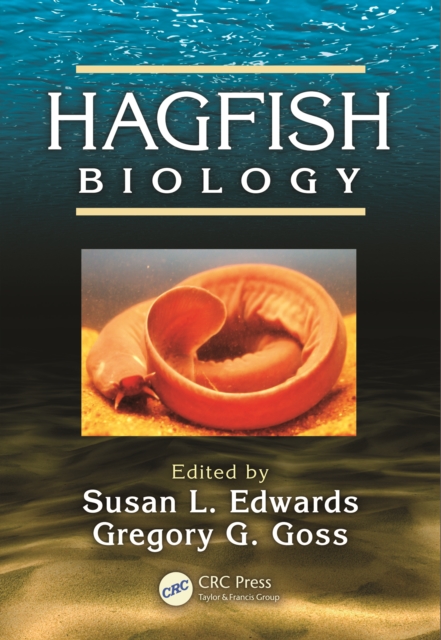
With over 70 species still populating the world's oceans after approximately 500 million years, hagfishes are essential benthic organisms that play a vital role in understanding the evolutionary origins of vertebrate life and the maintenance of the oceanic ecosystem.
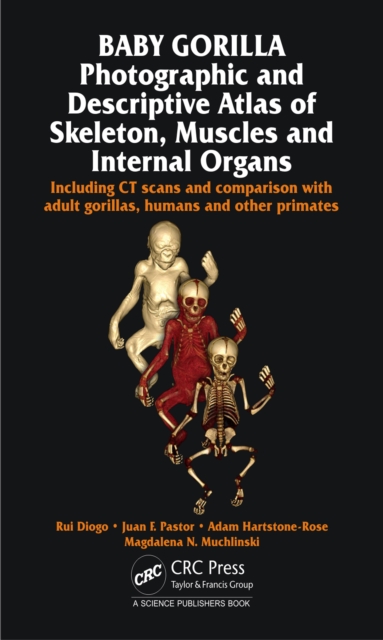
The first photographic and descriptive musculoskeletal atlas of a baby gorilla, this book details the comparative and phylogenetic context of the gross anatomy and evolutionary history of the soft tissue morphology of modern humans and one of their closest relatives.
Presented in an easy-to-ready format, Small Animal Imaging: Self-Assessment Color Review offers a case-based approach to reviewing and interpreting images and developing a differential diagnosis when necessary.
This book reexamines current knowledge on the evolution, ecology, and conservation biology of both New World vultures (Cathartidae) and Old World vultures (Accipitridae) and seeks answers to past and present regional extinctions, colorizations, and conservation questions.
Despite their diversity, amphibians and reptiles share many physiological traits, such as their dependence on external heat sources for body temperature regulation, that are of pivotal importance to their ability to cope with the environment.
A practical book for professionals who rely on water quality data for decision making, this book is based on three decades experience of three highly published water and watershed resource professionals.
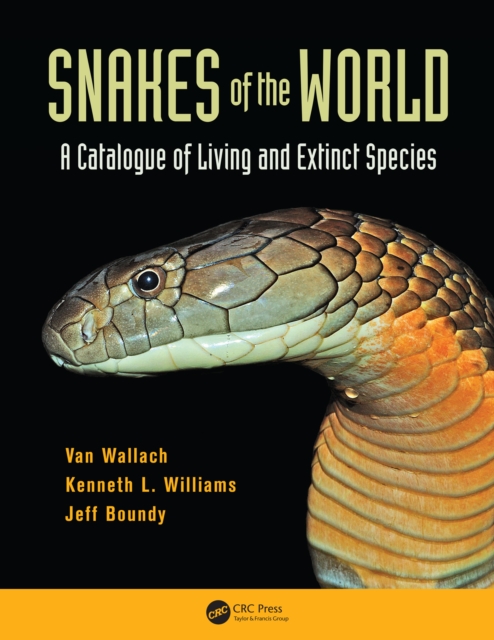
Snakes of the World: A Catalogue of Living and Extinct Species-the first catalogue of its kind-covers all living and fossil snakes described between 1758 and 2012, comprising 3,509 living and 274 extinct species allocated to 539 living and 112 extinct genera.
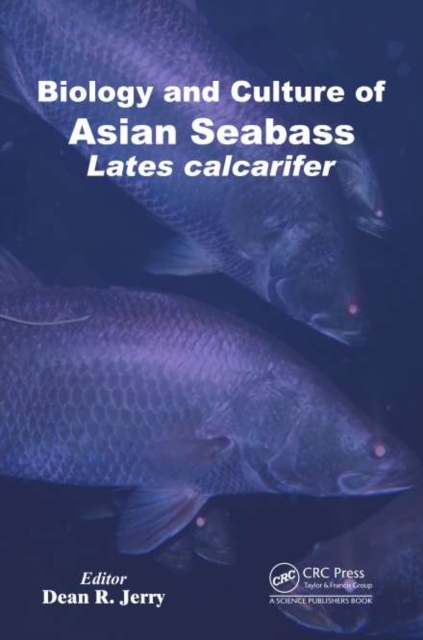
This book covers the biology, ecology, genetics and aquaculture of the Asian Seabass or barramundi (Lates calcarifer), a commercially and recreationally valuable species.
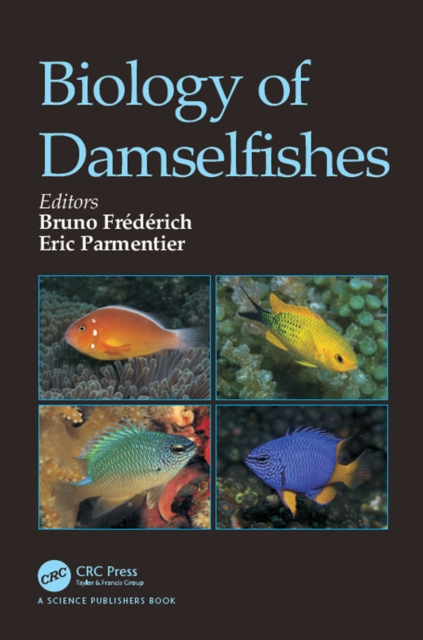
Beach-spawning fishes from exotic locations on most continents of the world provide spectacular examples of extreme adaptations during the most vulnerable life cycle stages.
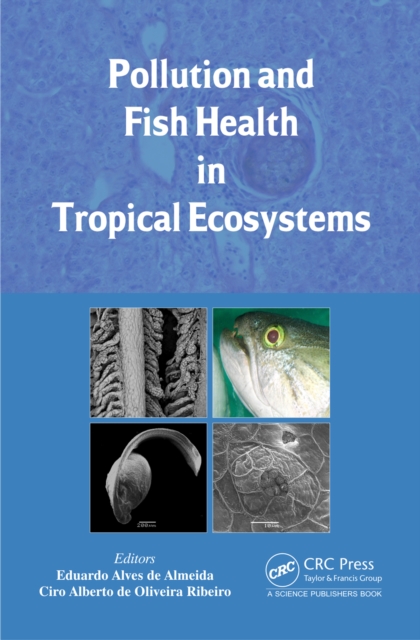
The present work evaluates the toxic effects of some environmental stressors on fish eggs and larvae and describes the biomarker responses of fish from locations with varying levels of pollution.
Expand your bird knowledge with this gorgeous encyclopedia of nearly 400 bird species around the world, unique for its inclusion of both their physical and mythological characteristics.
In recent years experimental and numerical studies have shown that chaos is a widespread phenomenon throughout the biological hierarchy ranging from simple enzyme reactions to ecosystems.
The fifth Oxford Conference was held on September 17th-19th, 1991, at the Fuji Institute of Training in Japan -the first time that the meeting has taken place in the Asian area.
The Office of Health and Environmental Research (OHER) has supported and continues to support development of computational approaches in biology and medicine.
Although there are a number of excellent current reviews on one or another aspect of cytomegalovirus, the last comprehensive treatment of this subject was that of Krech et al.
Contributors to this volume offer new research on extinction processes in birds, nest predation, and song systems, and describes a graphical model that helps predict the reproductive consequences of time allocation between the competing demands of guarding young birds and foraging for food.
Our purposes in this preface are, first, to reiterate our view of Current Ornithology's role; second, to describe briefly the contents of this vol- ume; and third, to acknowledge the generous help of our Editorial Board and of the reviewers we have consulted about the contents of Volumes 13 and 14.
In this volume I include chapters on continental population trends, orni- thology's contribution to the habitat concept, social organization outside the breeding season, the role of predation in limiting numbers, and the evolution of prolonged incubation periods.
When I first proposed a series entitled Current Mammalogy to the pub- lishers, they were reluctant to undertake such a project because they viewed the field of mammology as overly fragmented.
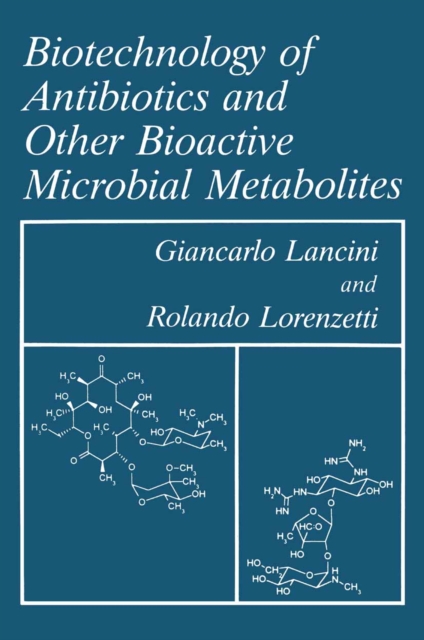
In response to the field's need for an introductory text, the authors have distilled the vast and scattered literature relating to the biotechnology of microbial secondary metabolites.
Abraham Rosenberg assembles the groundbreaking work of preeminent international scientists to provide the most current, state-of-the-art presentation of research in siabiology.
The endothelial cells of the cerebral vasculature constitute, together with perivascular elements (astrocytes, pcricytes, basement membrane), the blood-brain barrier (BBB), which strictly limits and specifically controls the exchanges between the blood and the cerebral extracellular spacc.