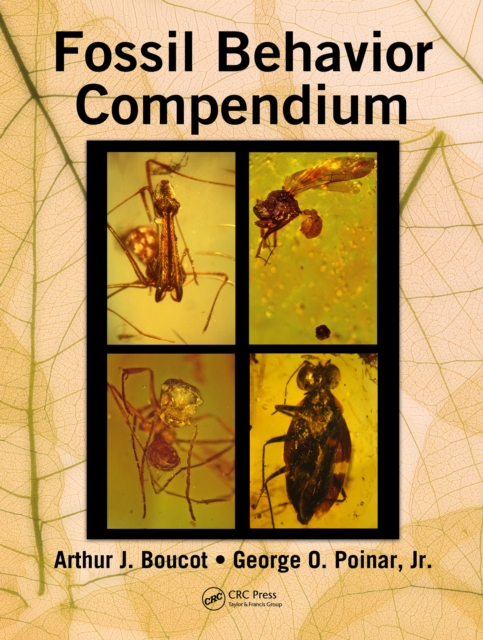
In this complete and thorough update of Arthur Boucot's seminal work, Evolutionary Paleobiology of Behavior and Coevolution, Boucot is joined by George Poinar, who provides additional expertise and knowledge on protozoans and bacteria as applied to disease.
Each organism has its own internal biological clock, which is reset by environmental cues (Zeitgebers), thus keeping it synchronized with the external environment.
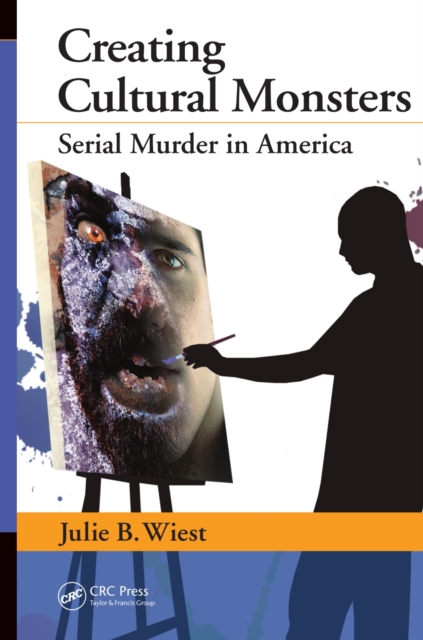
Providing a comprehensive exploration, this volume explains connections between American culture and the incidence of serial murder, including reasons why most identified serial murderers are white, male Americans.
The unprecedented level of diversity recorded among the clones of self-fertilizing gynogenetic unisexuals and self-fertilizing simultaneous hermaphrodites challenges current ideas on the predominant role of recombination in promoting evolution of biological diversity.
Addressing the evolution of key innovations in metazoans, this challenging book summarizes the more recent results in phylogenetics and developmental biology.
Dramatic changes in the environment, including habitat degradation and climate change, have focused attention on how individuals and populations respond to a shifting biotic and abiotic landscape.
An understanding of gonorynchiform morphology and systematic inter- and intra-relationships has proven vital to a better understanding of the evolution of lower teleosts in general, and more specifically of groups such as the clupeiforms (e.
Gills of healthy fishes are their lifeline to meet the challenges arising from their changing environment: oxygen gradient, alkalinity, temperature fluctuations and the added pollutants.
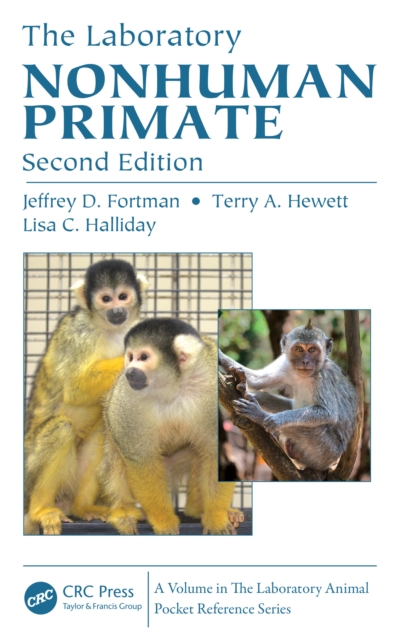
Key featuresContains 28 updated tables designed as quick, easy-to-use references for New and Old World speciesProvides over 100 photographs and illustrations, most now in color, depicting aspects of nonhuman primate biology, behavior, management practices, diseases, and technical proceduresGives a concise overview of regulatory considerations for the use of nonhuman primates in biomedical researchExpands the Veterinary Care chapter to include new sections on nutritional support, behavioral conditions, dental care, and updated information on anesthetic and analgesic drugsPresents step-by-step descriptions of common and advanced sampling techniquesIncludes extensive resource lists for vendors of animals, feed, sanitation supplies, caging, anesthetic equipment, and veterinary and research suppliesExtensively updated to include current literature, The Laboratory Nonhuman Primate, Second Edition, continues to serve as a quick reference source for technicians, caretakers, veterinarians, researchers, and students working with primates in biomedical research.
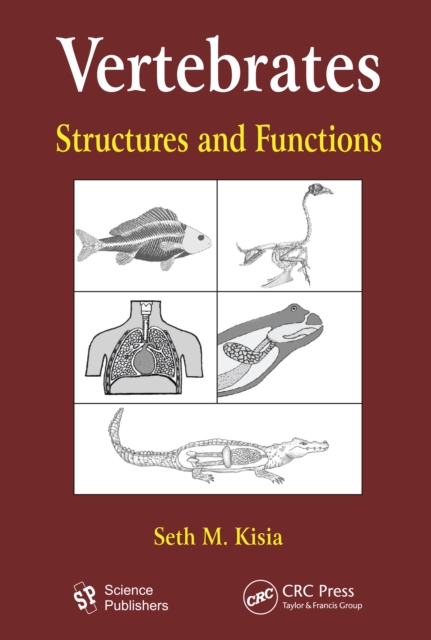
Describing the diversity and features of various vertebrate groups, ranging from the oldest living fishes to the relatively more recent evolution of mammals, this book covers anatomical systems including organs and tissues, as well as their function and differentiation in various vertebrate groups.
The field of insect nutritional ecology has been defined by how insects deal with nutritional and non-nutritional compounds, and how these compounds influence their biology in evolutionary time.
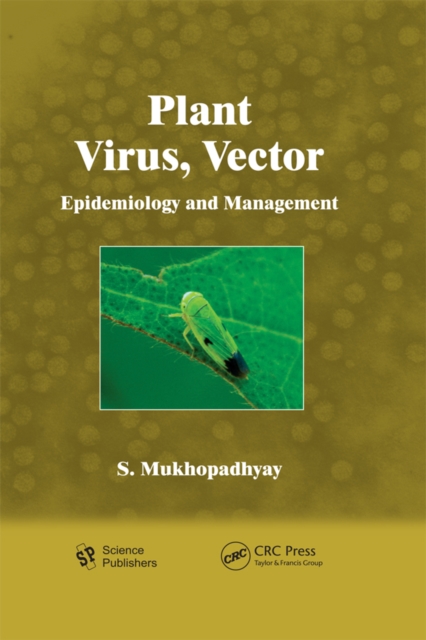
Stressing the key role vectors play spread of virus diseases, this volume represents the priorities in practical plant virus research and ways in which their control or management should be sought through an understanding of the practical and environmental aspects of the interactions of viruses with their vectors and their environment.
Exploring the potential use of bivalves as indicators and monitors of ecosystem health, this book describes live and computer simulated experiments, mesocosm studies, and field manipulation experiments.
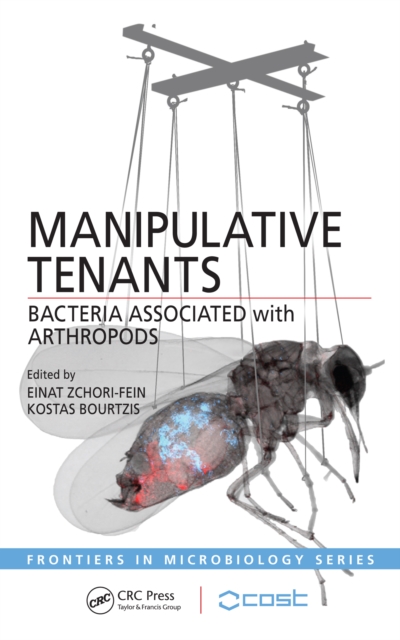
In the English edition of his landmark book Endosymbiosis of Animals with Plant Microorganisms (1965), Professor Paul Buchner is probably the most prominent founder of systematic symbiosis research.
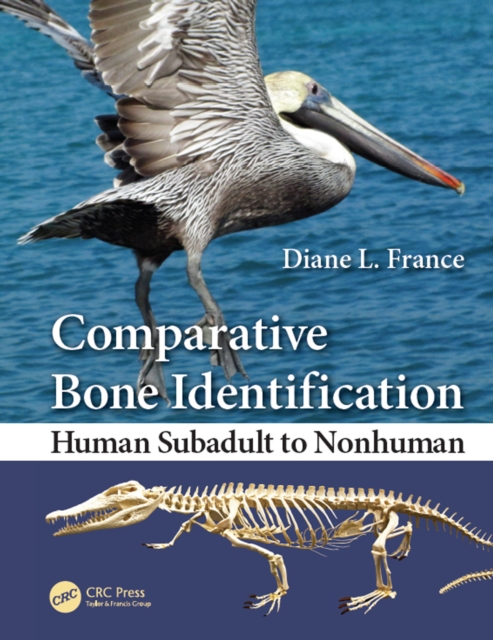
Building on the success, and maintaining the format, of the best-selling Human and Nonhuman Bone Identification: A Color Atlas (ISBN: 978-1-4200-6286-1), Comparative Bone Identification: Human Subadult to Nonhuman presents new images of human bones representing many states of maturation from neonate to 20 years old.
In this complete and thorough update of Arthur Boucot's seminal work, Evolutionary Paleobiology of Behavior and Coevolution, Boucot is joined by George Poinar, who provides additional expertise and knowledge on protozoans and bacteria as applied to disease.
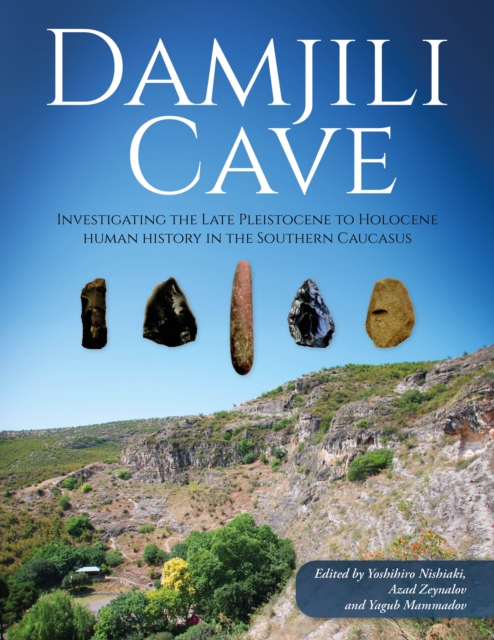
Presents archaeological evidence from the Azerbaijan-Japan excavations, revealing insights into Mesolithic to Neolithic transition and farming communities in the South Caucasus.
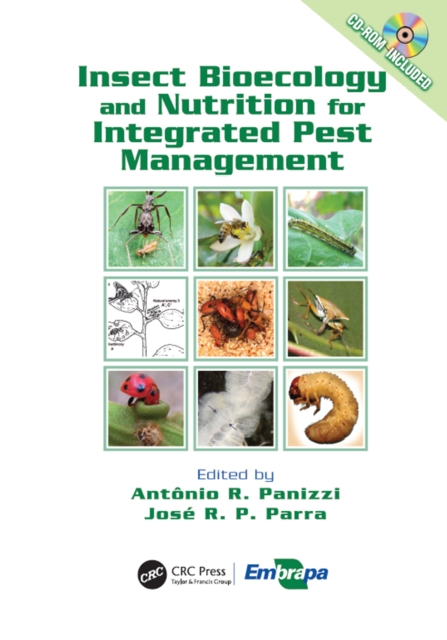
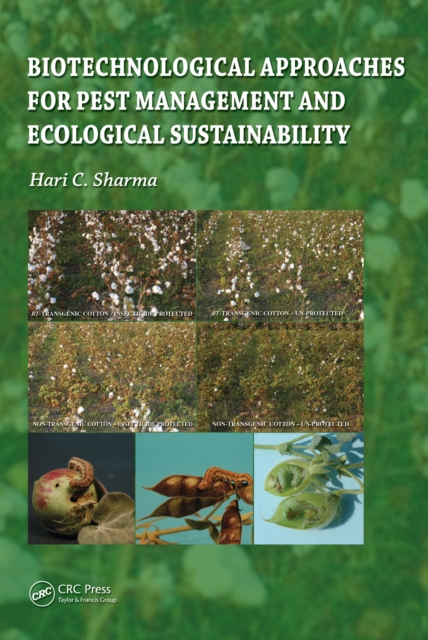
Due to increasing problems occurring from massive applications of pesticides, such as insect resistance to pesticides, the use of biotechnological tools to minimize losses from insect pests has become inevitable.
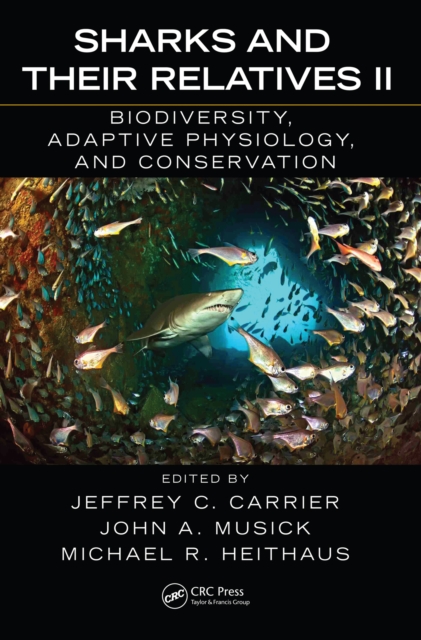
Since the award-winning first volume, The Biology of Sharks and Their Relatives, published in 2004, the field has witnessed tremendous developments in research, rapid advances in technology, and the emergence of new investigators beginning to explore issues of biodiversity, distribution, physiology, and ecology in ways that eluded more traditional
Omnipresent in virtually all terrestrial ecosystems and of undisputed ecological and economical importance, the study of social insects is an area that continues to attract a vast number of researchers.
See what's new in the Second Edition: Number of species included is increased from 6300 to over 8700, about 85% of the world's birds Better data for many of the species included in the first edition- an exhaustive compilation of new data publis
With the emergence of genetically manipulated laboratory mice as one of the most powerful tools for neuroscientists, imaging techniques capable of providing anatomical and functional information of small animals have become extremely important.
An entertaining, instructive, diverse, and unusual book, Light and Dark: An Exploration in Science, Nature, Art and Technology encompasses a wide range of topics not normally found in one book.
The Practice Of Crime Scene Investigation covers numerous aspects of crime scenes investigation, including the latest in education and training, quality systems accreditation, quality assurance, and the application of specialist scientific disciplines to crime.
Consciously or not, wildlife managers generally act from a theoretical basis, although they may not be fully versed in the details or ramifications of that theory.