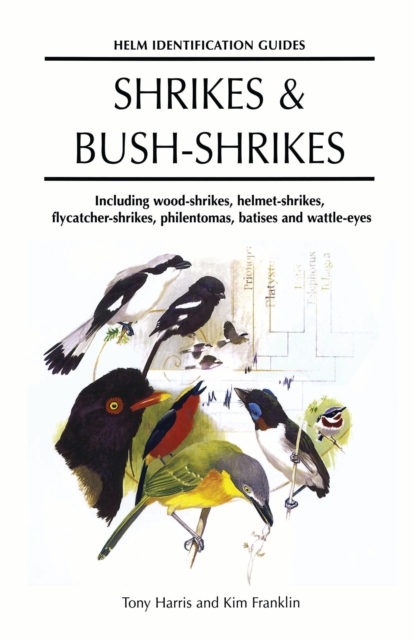
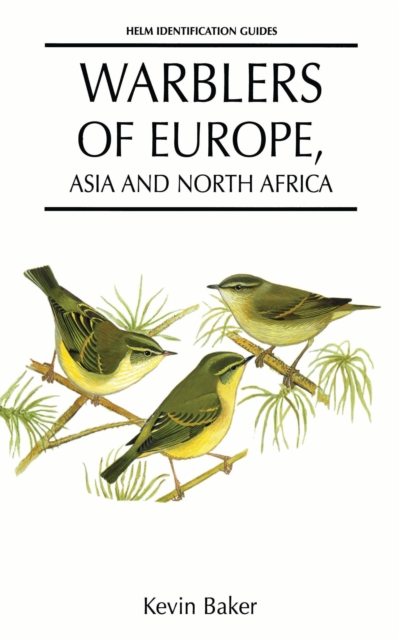
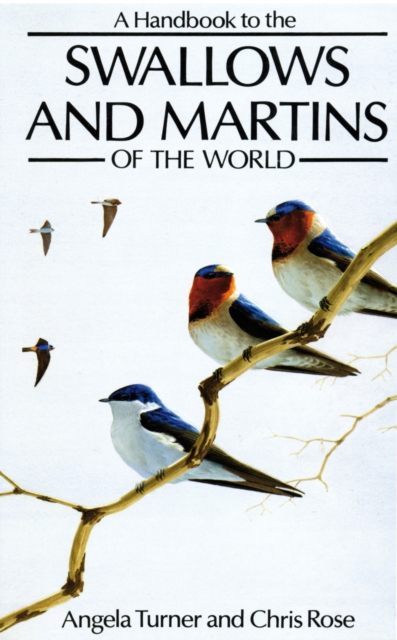
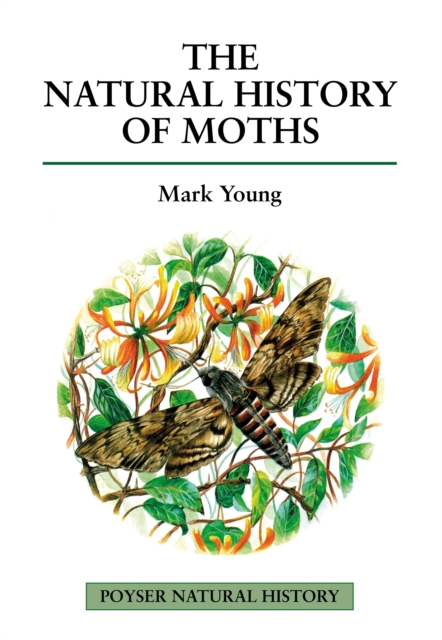
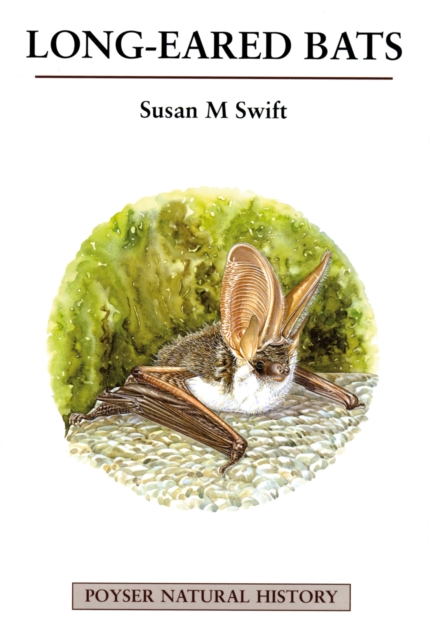
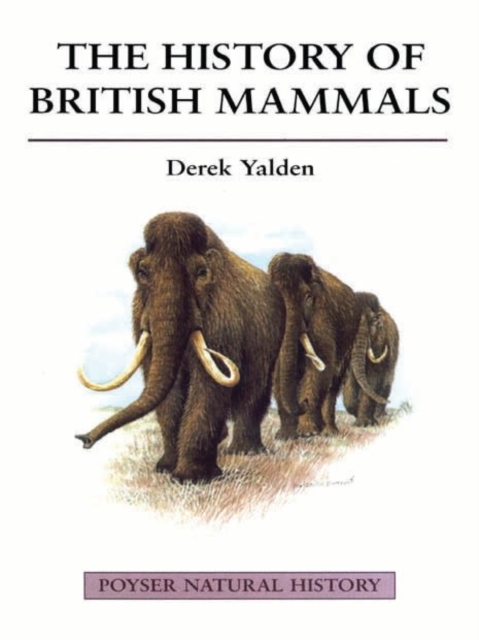
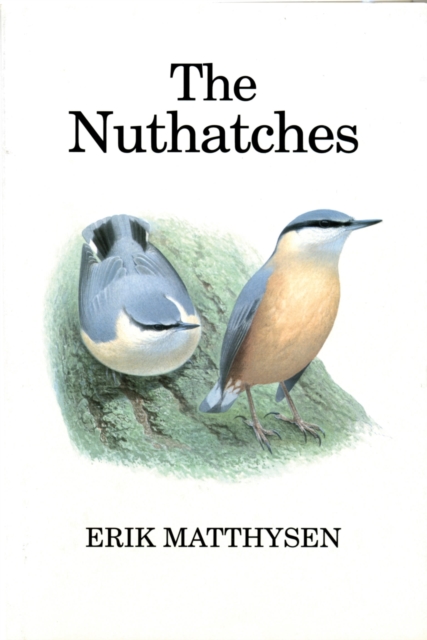
The book covers the identification, biology and relationships of all true shrikes, bush-shrikes, helmet-shrikes, the closely related shrike flycatchers, philentomas, batises and wattle-eyes.
Swifts pose some of the most difficult identification field identification problems and it is the aim of this guide to provide information that will help resolve many of these problems.
Swifts pose some of the most difficult identification field identification problems and it is the aim of this guide to provide information that will help resolve many of these problems.
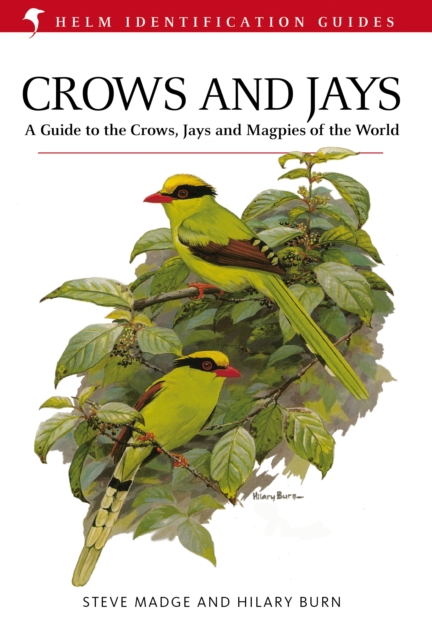
Crows and Jays is a combination of scientifically accurate information and an identification guide, planned to give anyone, whether a birdwatcher or biologist, a greater understanding of the lives of these beautiful, yet very complex, group of birds.
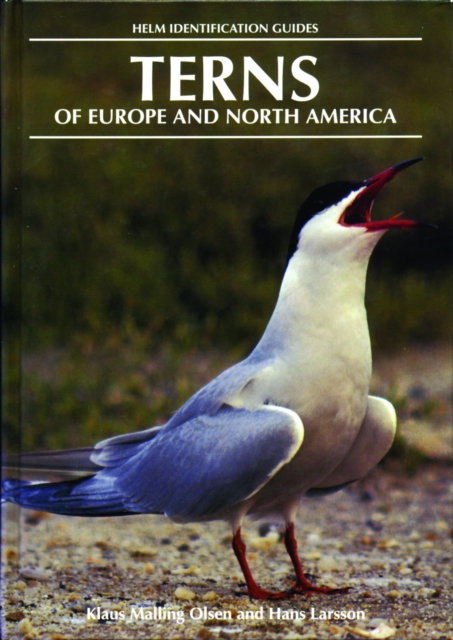
Covering 22 species found in the Western Palearctic and North America, this guide lists each species under the sections of: field identification; moult; description; geographical variation; measurements; and weight.
As ice retreated from Britain 15,000 years ago, a host of large mammals including reindeer, wild horses, wooly mammoths, moose, wolves, brown bears, lynxes and wolverines established itself in Britain.
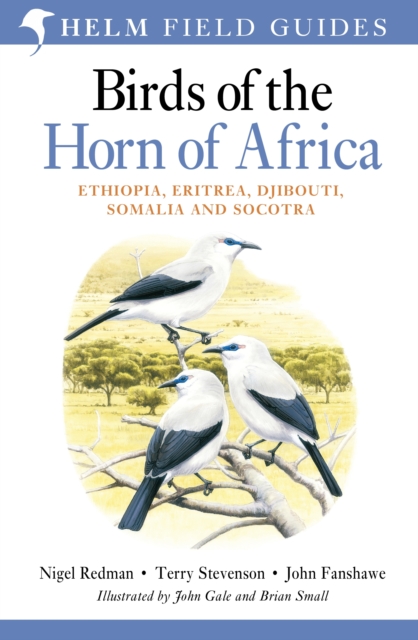
The definitive guide to the birds of Ethiopia, Eritrea, Djibouti and Somalia The Horn of Africa has the highest endemism of any region in Africa, and around 70 species are found nowhere else in the world.
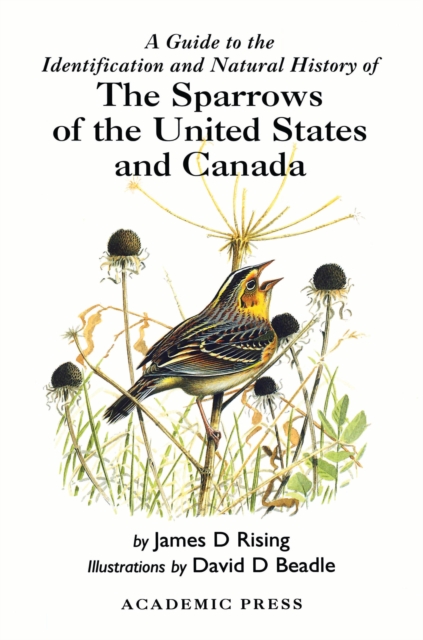
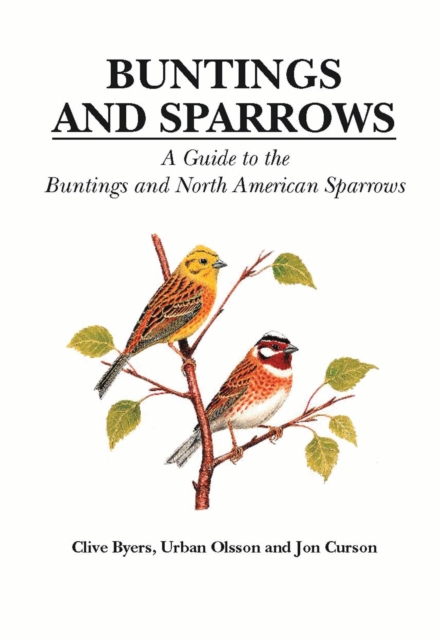
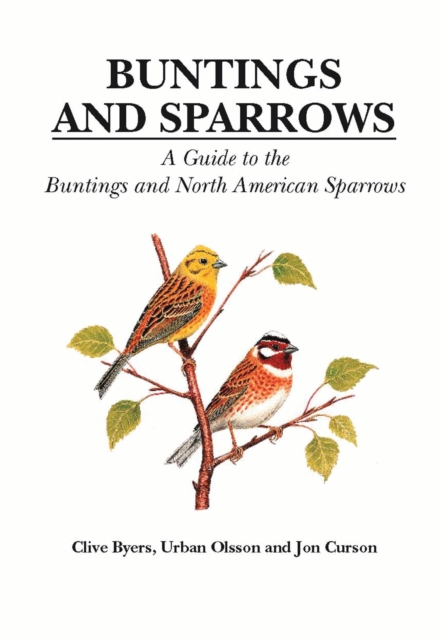
A Guide to the Identification and Natural History of the Sparrows of the United States and Canada provides comprehensive information on all the features that make possible identification of all 62 species of sparrows that occur in North America.
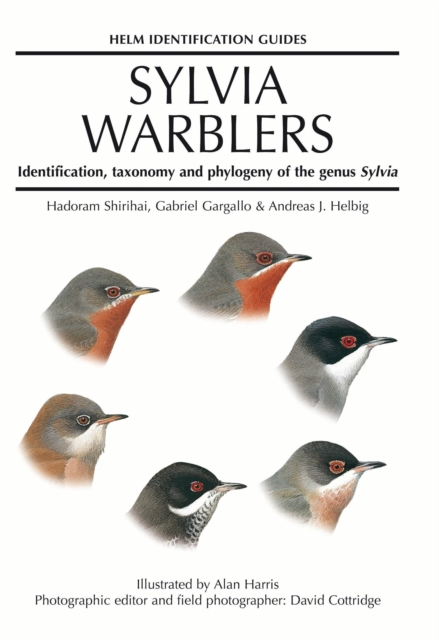
Based on phylogenetic research, this complete study of the genus Sylvia describes two new species and establishes identification criteria for all members of the family.
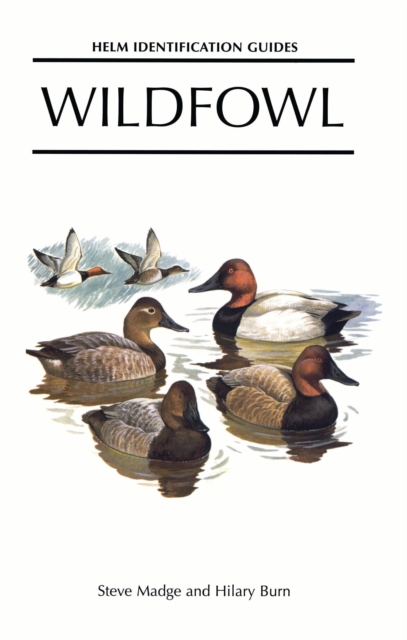
A summary of information on 154 species of duck, geese and swans of the world intended as an identification manual for the wildfowl enthusiast that goes beyond a regional basis and is light enough to be used as a handy reference book in the field.
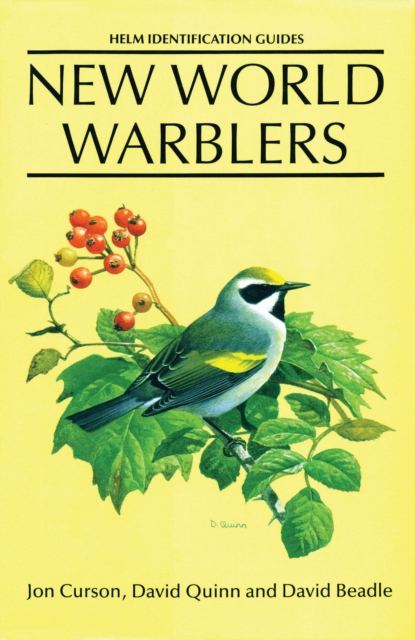
Following the same format as other book in the series, this guide to North American wood warblers, the parulinae, looks at their distribution throughout the USA and into Central and South America.
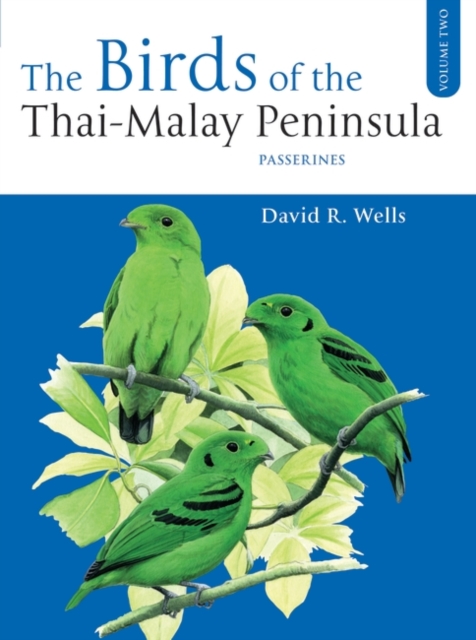
This well-illustrated volume covers the passerines of Singapore, peninsular Malaysia, southern Thailand and the tip of Tenasserim (Burma) with their associated island archipelagos.
With their curious feeding behaviour, peculiar elongated body,gregarious social lives and exotic pink plumage, flamingos are amongthe most familiar and popular of all the world's birds.
WINNER OF THE WILDLIFE SOCIETY'S 'BEST SCIENCE BOOK 2006' AWARDThis book is the first monograph on one of the most beautiful and admired birds in the world.