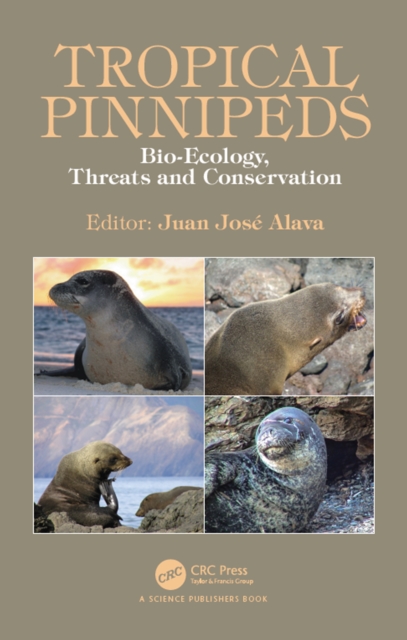
Pinnipeds are a fascinating group of marine mammals that play a crucial role as apex predators and sentinels of the functioning and health of marine ecosystems.
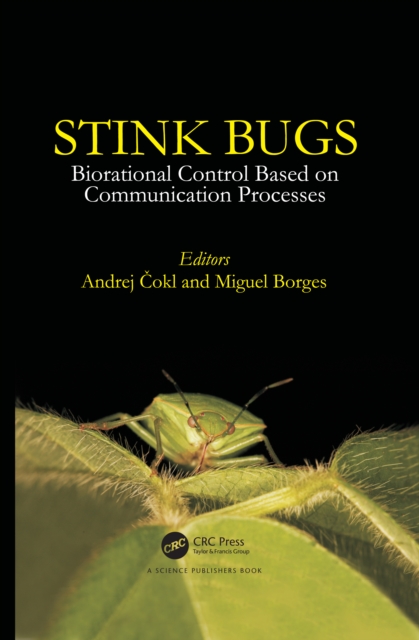
This book presents an overview of the Pentatomidae species, covering their biology, phylogeny and reproductive behavior, main plants used in their diet and their nutritional exigencies, predatory stinkbugs, interactions between herbivores-plants and natural enemies, use of pheromone for monitoring phytophagous populations, and chemical and vibrational communication signals.
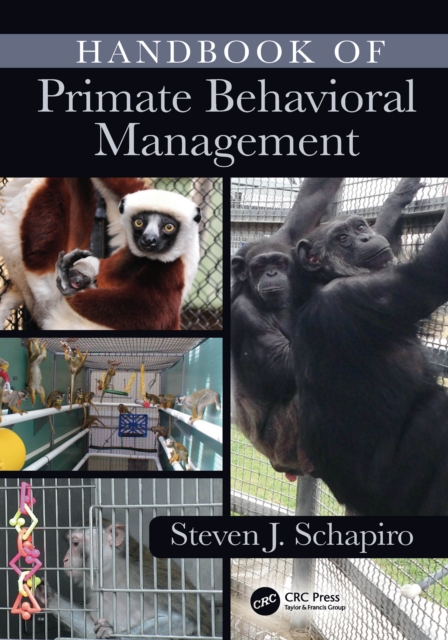
Key features:Offers chapters by renowned experts which are comprised of three subunits: a theoretical discussion of the content area, a description of the methods employed to address the content area, and finally, and most importantly, a discussion of the ways that relevant aspects of the content area can be easily employed/adapted to enhance the behavioral management of NHPsProvides case studies that highlight the areas of expertise of the authors and emphasize 'success stories' that can be used to develop behavioral management strategies and build behavioral management programsPresents 'Genera-specific' chapters which focus on behavioral management strategies that, typically, are successfully employed with particular taxa of NHPsIncludes a novel, pioneering 'Product/services' section that provides the producers of important technologies, equipment, and services with an opportunity to highlight the ways in which their products enhance the ability of their clients to manage the behavior of NHPs Illustrated with full color images and drawings throughout.
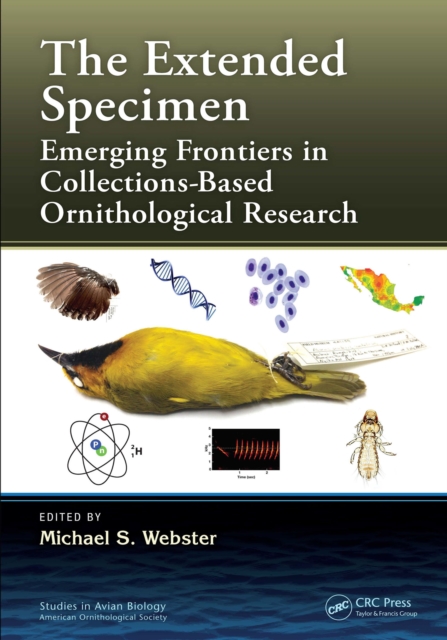
The Extended Specimen highlights the research potential for ornithological specimens, and is meant to encourage ornithologists poised to initiate a renaissance in collections-based ornithological research.
This book presents a 360-degree picture of the world of insects and explores how their existence affects our lives: the "e;good, bad, and ugly"e; aspects of their interactions with humankind.
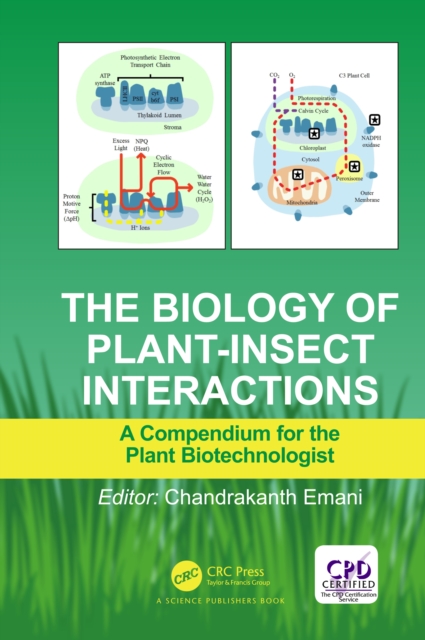
Overviews of biochemical, genetic, and molecular perspectives of plant-insect interactions with added emphasis on bioinformatic, genomic, and transcriptome analysis are comprehensively treated in this book.
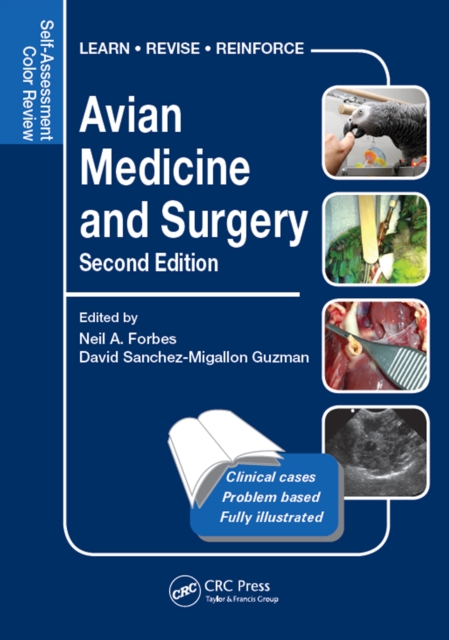
This completely revamped second edition of Avian Medicine and Surgery includes over 260 all-new colour illustrated cases, with questions and answers fully exploring a breadth of diseases and disorders.
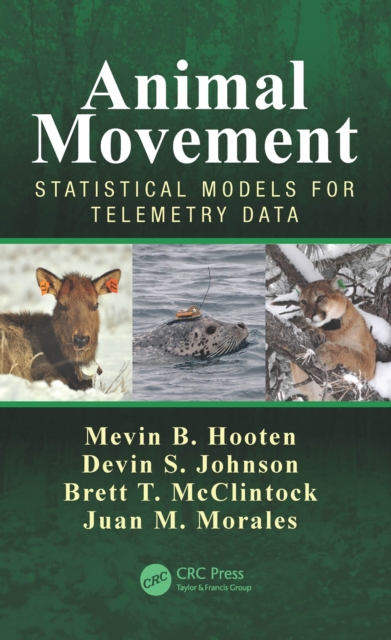
The study of animal movement has always been a key element in ecological science, because it is inherently linked to critical processes that scale from individuals to populations and communities to ecosystems.
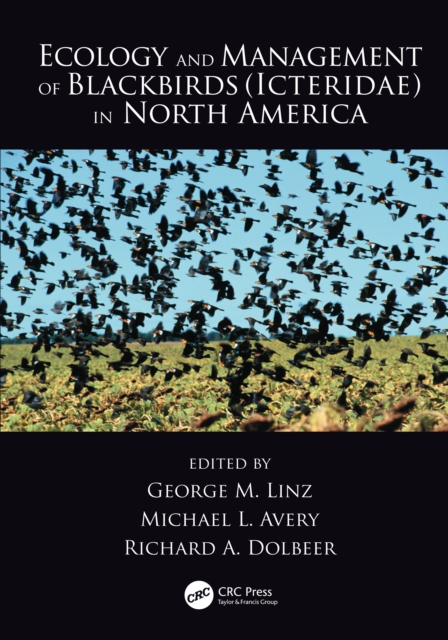
Shortlisted for the 2018 TWS Wildlife Publication Awards in the edited book categoryThe various species of new world blackbirds, often intermingled in large foraging flocks and nighttime roosts, collectively number in the hundreds of millions and are a dominant component of the natural and agricultural avifauna in North America today.
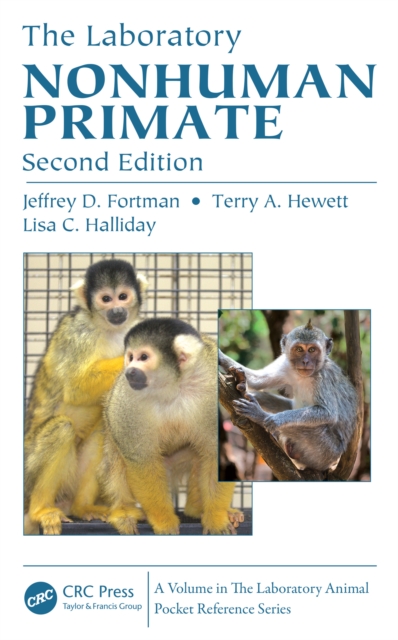
Key featuresContains 28 updated tables designed as quick, easy-to-use references for New and Old World speciesProvides over 100 photographs and illustrations, most now in color, depicting aspects of nonhuman primate biology, behavior, management practices, diseases, and technical proceduresGives a concise overview of regulatory considerations for the use of nonhuman primates in biomedical researchExpands the Veterinary Care chapter to include new sections on nutritional support, behavioral conditions, dental care, and updated information on anesthetic and analgesic drugsPresents step-by-step descriptions of common and advanced sampling techniquesIncludes extensive resource lists for vendors of animals, feed, sanitation supplies, caging, anesthetic equipment, and veterinary and research suppliesExtensively updated to include current literature, The Laboratory Nonhuman Primate, Second Edition, continues to serve as a quick reference source for technicians, caretakers, veterinarians, researchers, and students working with primates in biomedical research.
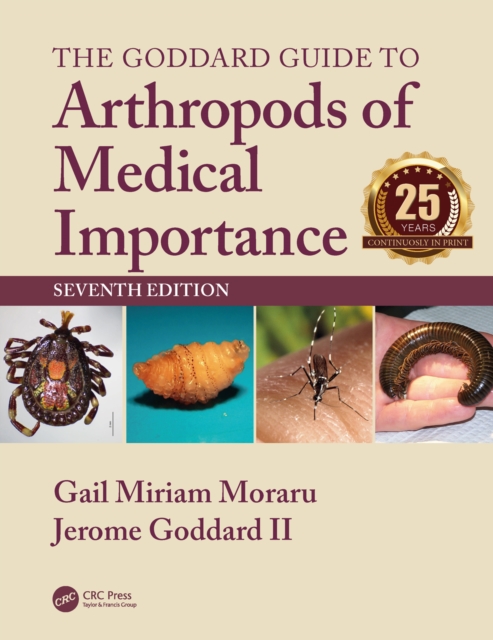
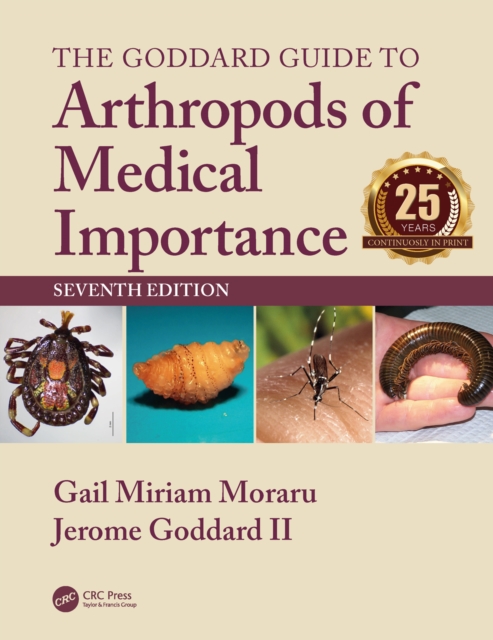
Covering all major arthropods of medical importance worldwide, this award-winning resource has established itself as a standard reference for almost 25 years.
Covering all major arthropods of medical importance worldwide, this award-winning resource has established itself as a standard reference for almost 25 years.
Addressing the numerous gaps in current information, Target Organ Toxicology in Marine and Freshwater Teleosts is an essential resource for researchers and professionals in aquatic toxicology and environmental risk assessment.
Addressing the numerous gaps in current information, Target Organ Toxicology in Marine and Freshwater Teleosts is an essential resource for researchers and professionals in aquatic toxicology and environmental risk assessment.
Symbol Use and Symbolic Representation: Developmental and Comparative Perspectives is the proceedings of a workshop held at Emory University in 2002 to discuss the difficult and age-old issue of what makes a symbol symbolic.
Symbol Use and Symbolic Representation: Developmental and Comparative Perspectives is the proceedings of a workshop held at Emory University in 2002 to discuss the difficult and age-old issue of what makes a symbol symbolic.
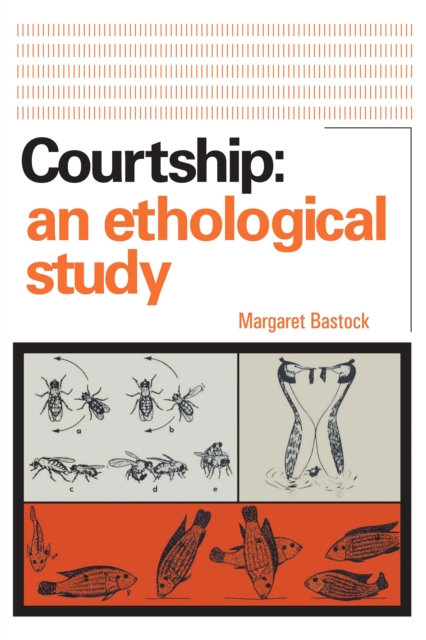
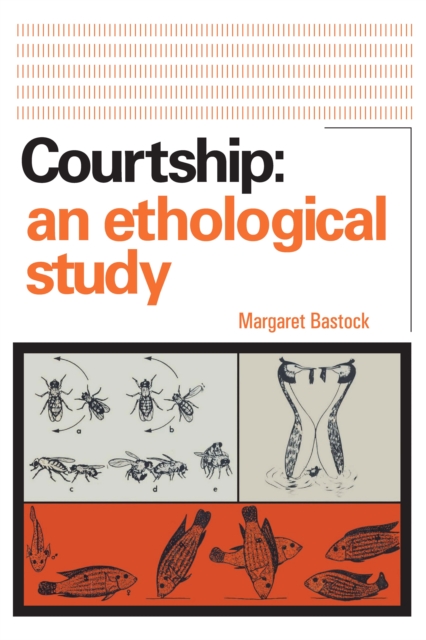
This concise but thorough study of courtship behavior in fish, birds, and arthropods is the first rigorous examination of the evolutionary origins and mechanisms of courtship and its contribution to biological success.
This concise but thorough study of courtship behavior in fish, birds, and arthropods is the first rigorous examination of the evolutionary origins and mechanisms of courtship and its contribution to biological success.
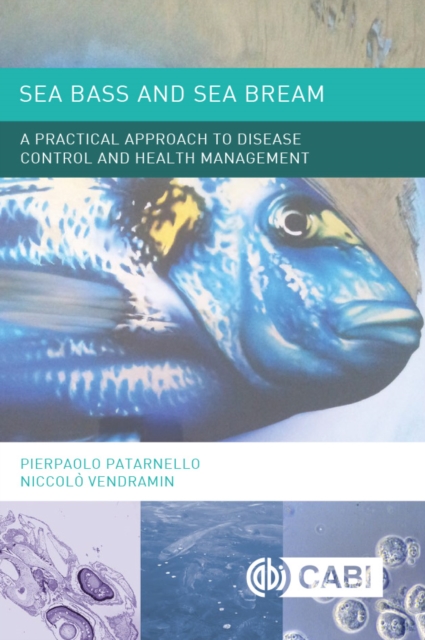
The aim of this book is to provide practical advice and awareness of health management and disease control in sea bass and sea bream, the most widely farmed fish in the Mediterranean region.
Living things are constantly engaged in a struggle for existence, and ingenious devices for the purpose of self-preservation can be seen in all types of animal and plant life.
Living things are constantly engaged in a struggle for existence, and ingenious devices for the purpose of self-preservation can be seen in all types of animal and plant life.
Surveying an area dense with conflicting observations and ideas, this volume vividly depicts the current state of knowledge as well as the great diversity of opinion in the field of population ecology.
Surveying an area dense with conflicting observations and ideas, this volume vividly depicts the current state of knowledge as well as the great diversity of opinion in the field of population ecology.