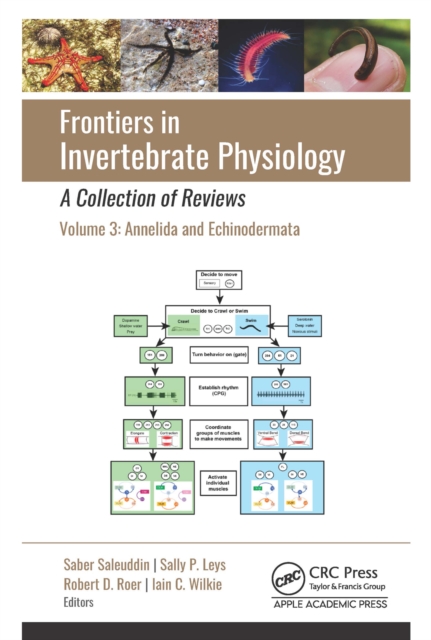
This new 3-volume set provides informative reviews on the physiology of sponges, cnidarians, round and flat worms, annelids, echinoderms, and crustaceans, advancing our knowledge of the physiology of these major invertebrate groups (Phyla).
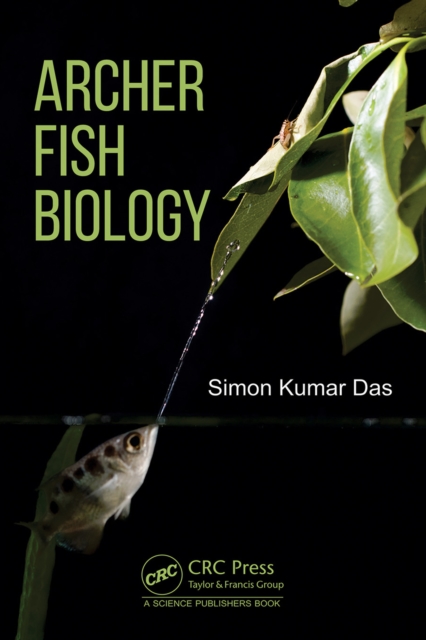
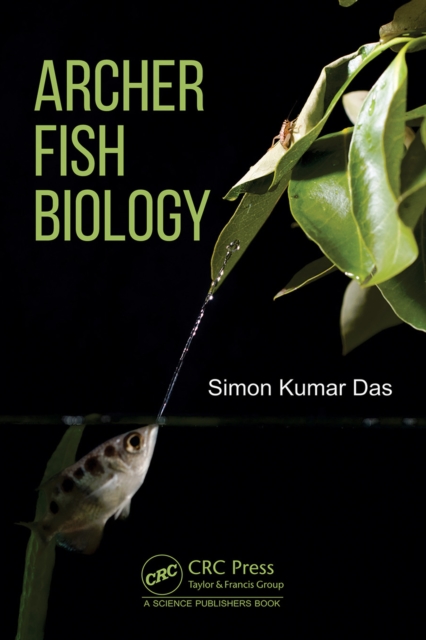
This book unveils the secrets of archer fish, covering everything from their morphology to their unique feeding techniques, digestion physiology, and reproductive intricacies.
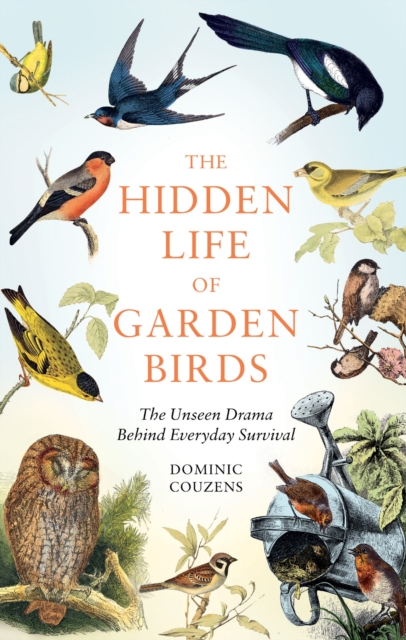
A glimpse into the secret lives of over 50 garden birds, with beautiful illustrations and intriguing factsDid you know that woodpeckers are capable of learning simple codes?
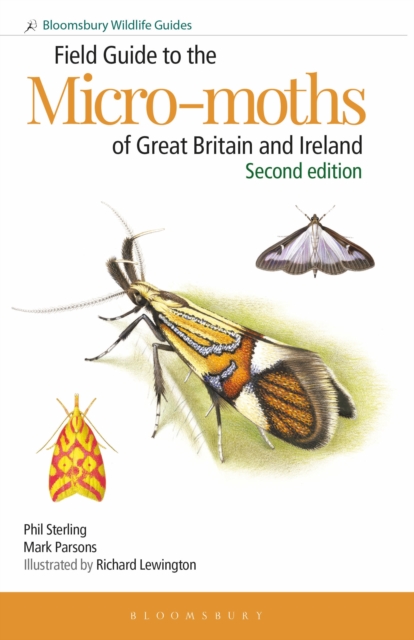
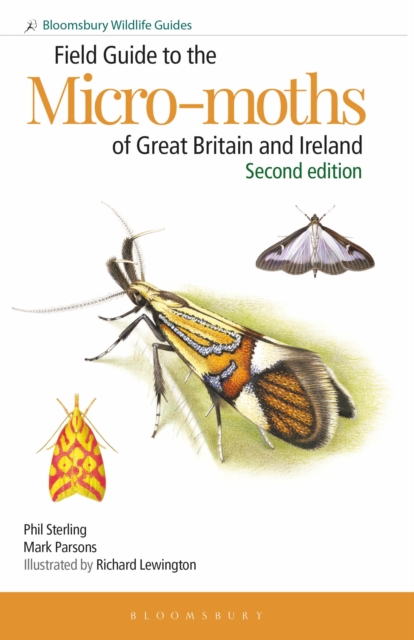
The fully revised and expanded second edition of the ground-breaking book that made the fascinating micro-moth group accessible to the general naturalist.
The major part of this Catalog presents host lists of particular aphid species in the Palaearctic Region based on published data and more than 2,400 author's unpublished host records, with respective references arranged by geographical provenance.
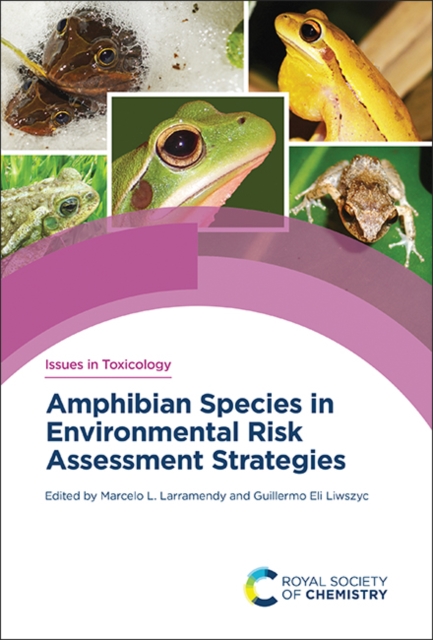
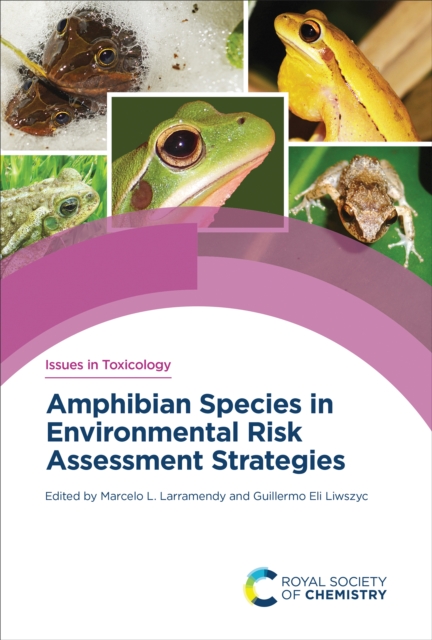
With the expansion of human settlements and the environmental changes brought about by human activity and pollutants, toxicology and risk assessment of amphibian species has become increasingly of interest to toxicologists involved in environmental research.
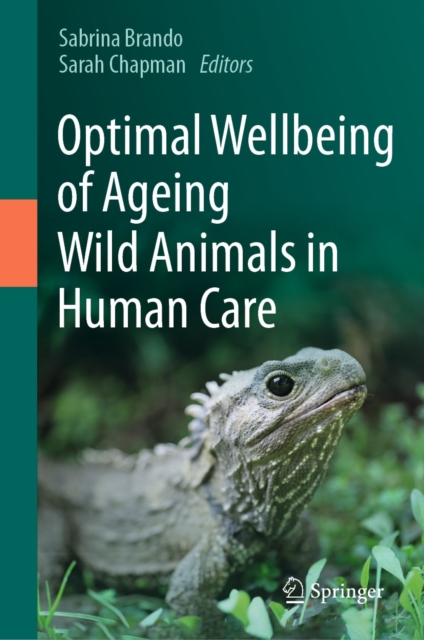
Many wild animals in human care live longer than their wild counterparts because of modern care and wellbeing programmes, leading to a growing demographic of ageing animals.
With the expansion of human settlements and the environmental changes brought about by human activity and pollutants, toxicology and risk assessment of amphibian species has become increasingly of interest to toxicologists involved in environmental research.
This new 3-volume set provides informative reviews on the physiology of sponges, cnidarians, round and flat worms, annelids, echinoderms, and crustaceans, advancing our knowledge of the physiology of these major invertebrate groups (Phyla).
This new 3-volume set provides informative reviews on the physiology of sponges, cnidarians, round and flat worms, annelids, echinoderms, and crustaceans, advancing our knowledge of the physiology of these major invertebrate groups (Phyla).
This book unveils the secrets of archer fish, covering everything from their morphology to their unique feeding techniques, digestion physiology, and reproductive intricacies.
The fully revised and expanded second edition of the ground-breaking book that made the fascinating micro-moth group accessible to the general naturalist.
Informed by research and grounded in critical discussions of theory and practice, Optimizing Therapy Dog-Handler Team Welfare challenges readers to explore the complexities inherent in, and arising from, practices that optimize welfare for therapy dog-handler teams.
A charming, richly illustrated, pocket-size exploration of the world's beetlesPacked with surprising facts, this delightful and gorgeously designed book will beguile any nature lover.
A charming, richly illustrated, pocket-size exploration of the world's beetlesPacked with surprising facts, this delightful and gorgeously designed book will beguile any nature lover.
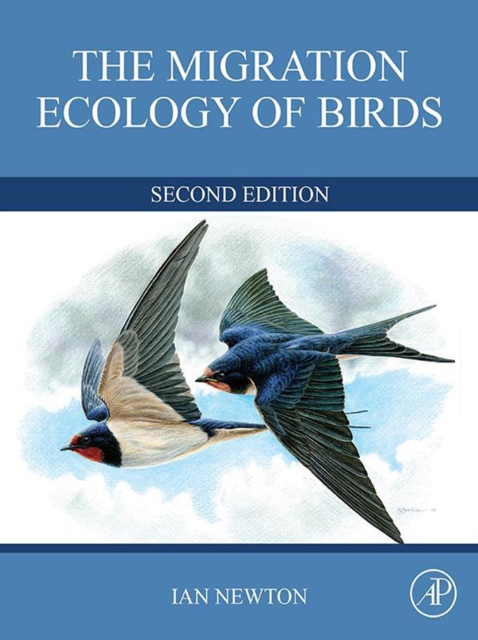
The Migration Ecology of Birds, Second Edition covers all aspects of this absorbing subject, including migratory processes, problems of navigation and vagrancy, timing and physiological control of migration, large-scale movement patterns, the effects of recent climate change, the problems that migrants face, and the factors that limit their populations.
The Migration Ecology of Birds, Second Edition covers all aspects of this absorbing subject, including migratory processes, problems of navigation and vagrancy, timing and physiological control of migration, large-scale movement patterns, the effects of recent climate change, the problems that migrants face, and the factors that limit their populations.
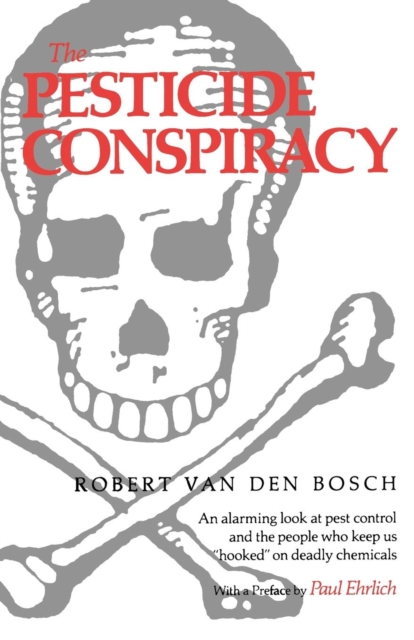
Professor van den Bosch of the University of California was one of the developers of Integrated Pest Management-the use of biological controls, improved pest knowledge and observation, and judicious application of chemicals only when absolutely necessary.
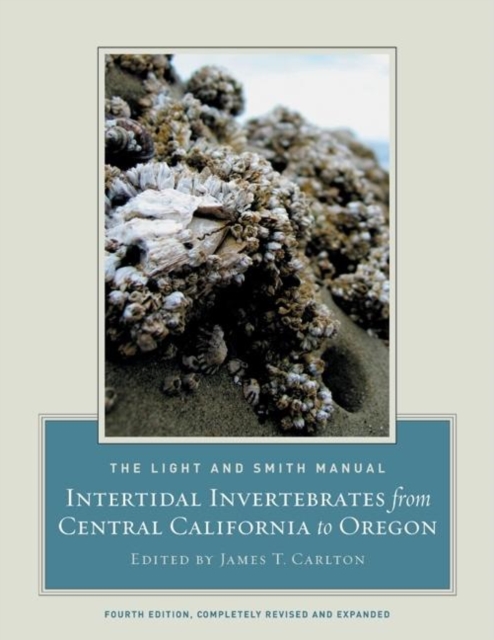
The Fourth Edition of The Light and Smith Manual continues a sixty-five-year tradition of providing to both students and professionals an indispensable, comprehensive, and authoritative guide to Pacific coast marine invertebrates of coastal waters, rocky shores, sandy beaches, tidal mud flats, salt marshes, and floats and docks.
This new 3-volume set provides informative reviews on the physiology of sponges, cnidarians, round and flat worms, annelids, echinoderms, and crustaceans, advancing our knowledge of the physiology of these major invertebrate groups (Phyla).
This new 3-volume set provides informative reviews on the physiology of sponges, cnidarians, round and flat worms, annelids, echinoderms, and crustaceans, advancing our knowledge of the physiology of these major invertebrate groups (Phyla).
Many pet owners consider vet visits to be quite stressful and traumatic, but there is an emerging alternative that can dramatically improve those experiences for everyone.
Professor van den Bosch of the University of California was one of the developers of Integrated Pest Management-the use of biological controls, improved pest knowledge and observation, and judicious application of chemicals only when absolutely necessary.
The Fourth Edition of The Light and Smith Manual continues a sixty-five-year tradition of providing to both students and professionals an indispensable, comprehensive, and authoritative guide to Pacific coast marine invertebrates of coastal waters, rocky shores, sandy beaches, tidal mud flats, salt marshes, and floats and docks.
This book comprehensively explores Asian Cobras, covering their evolutionary history, geographic distribution, venom characteristics, pathophysiology of envenomation, and treatment strategies.
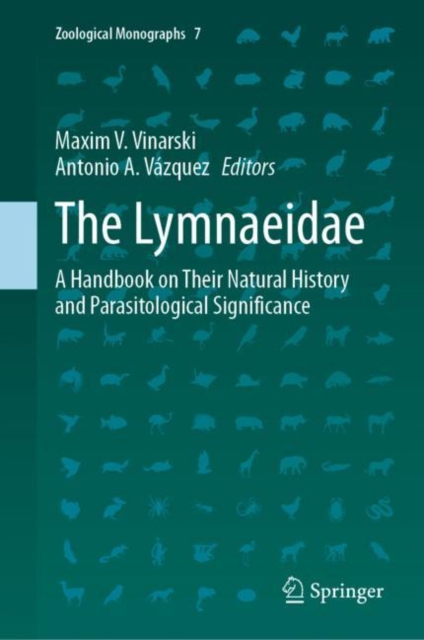
The Lymnaeidae (also known as 'pond snails') are a species-rich and globally distributed family of freshwater snails, many species of which are known to be hosts of parasitic trematodes (such as the liver fluke, Fasciola hepatica).
A charming, richly illustrated, pocket-size exploration of the world's spidersPacked with surprising facts, this delightful and gorgeously designed book will beguile any nature lover.
A charming, richly illustrated, pocket-size exploration of the world's butterfliesPacked with surprising facts, this delightful and gorgeously designed book will beguile any nature lover.
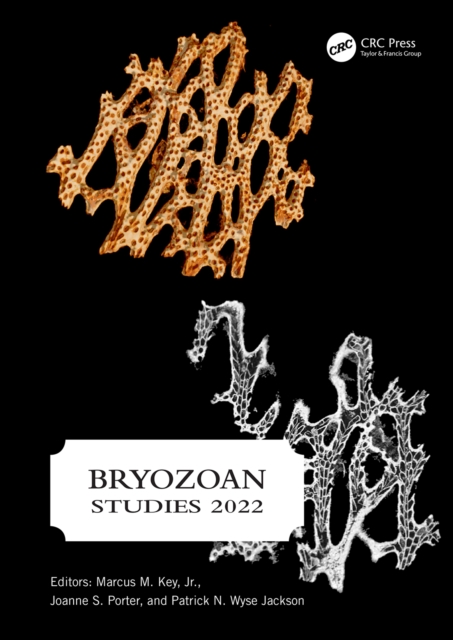
Bryozoan Studies 2022 contains nineteen papers presented at the 19th International Conference of the International Bryozoology Association held at Trinity College Dublin in August 2022.
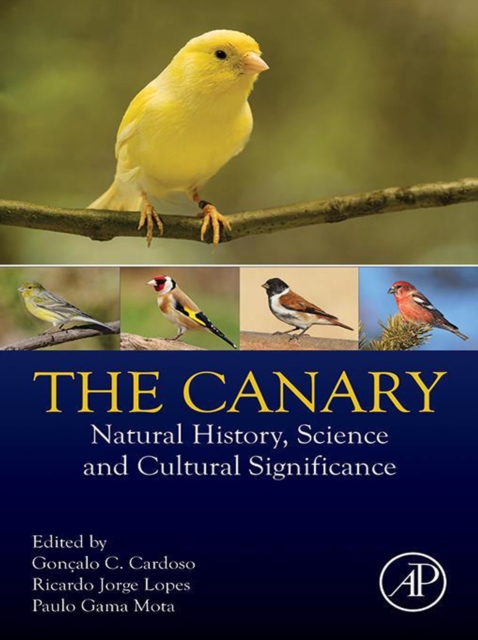
The Canary: Natural History, Science and Cultural Significance covers the ecology, evolution and conservation of the canary and related species, along with the history and cultural significance of the domestic canary worldwide and various scientific disciplines in which canaries have played a key role as a model species.
A charming, richly illustrated, pocket-size exploration of the world's spidersPacked with surprising facts, this delightful and gorgeously designed book will beguile any nature lover.
Viral hemorrhagic fevers have captured the imagination of the public and made their way into popular books and movies by virtue of their extreme virulence and mysterious origins.
Bryozoan Studies 2022 contains nineteen papers presented at the 19th International Conference of the International Bryozoology Association held at Trinity College Dublin in August 2022.