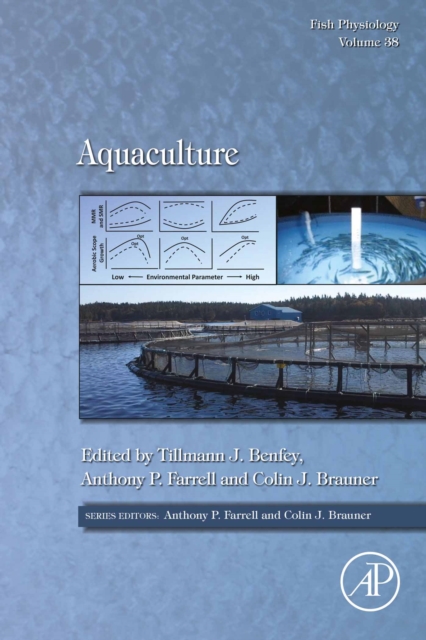
Fish Physiology, Volume 38 in this ongoing series, examines how the inherent potential of fish to express traits of economic value can be realized through aquaculture.
Now published by Academic Press and revised from the author's previous Five Kingdoms Third edition, this extraordinary, all inclusive catalogue of the world's living organisms describes the diversity of the major groups, or phyla, of nature's most inclusive taxa.
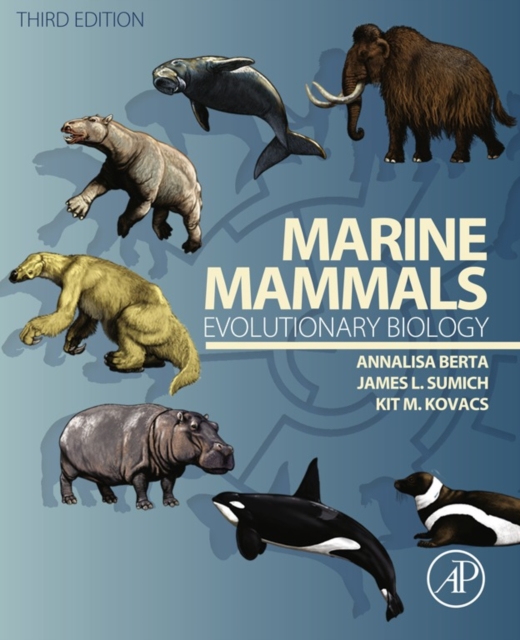
Marine Mammals: Evolutionary Biology, Third Edition is a succinct, yet comprehensive text devoted to the systematics, evolution, morphology, ecology, physiology, and behavior of marine mammals.
The field's definitive work from a Nobel Prize-winning author900 full-color illustrationsPrinciples of Neural Science, 5e describes our current understanding of how the nerves, brain, and mind function.
Bark Beetles: Biology and Ecology of Native and Invasive Species provides a thorough discussion of these economically important pests of coniferous and broadleaf trees and their importance in agriculture.
Horse Pasture Management begins with coverage of the structure, function and nutritional value of plants, continuing into identification of pasture plants.
Thorp and Covich's Freshwater Invertebrates, Volume 5: Keys to Neotropical and Antarctic Fauna, Fourth Edition, covers inland water invertebrates of the world.
An anthropologist and an anatomist have combined their skills in this book to provide students and research workers with the essentials of anatomy and the means to apply these to investigations into hominid form and function.
Ticks of the Southern Cone of America: Diagnosis, Distribution and Hosts with Taxonomy, Ecology and Sanitary Importance focuses on the tick species prevalent in The Southern Cone of America, including their distribution, biology, associated pathogens, their effects on the host, and control methods.
Store-operated calcium channels are found in most animal cells and regulate many cellular functions including cell division, growth, differentiation, and cell death.
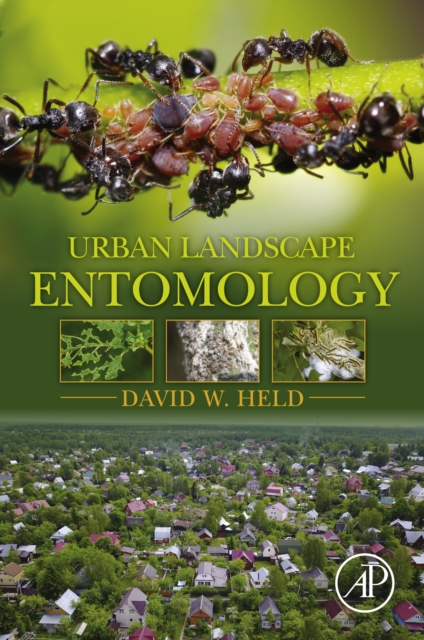
Urban Landscape Entomology provides readers with the background needed to adequately understand and manage many of the complexities of urban landscape pest management.
The First Edition of Ecology and Classification of North American Freshwater Invertebrates has been immensely popular with students and researchers interested in freshwater biology and ecology, limnology, environmental science, invertebrate zoology, and related fields.
This volume of Advances in Insect Physiology contains comprehensive interdisciplinary reviews on basic and practical aspects relevant to Insect Midgut and Insecticidal Proteins.
Alternative Swine Management Systems examines technologically humane substitutions for swine production, focusing specifically on hoop structure systems.
The Adelie penguin is one of the best-studied birds in the world and is the subject of research programs from a dozen nations interested in monitoring changes in the environment and the food webs of the Southern Ocean.
Human-induced climate change is emerging as one of the gravest threats to biodiversity in history, and while a vast amount of literature on the ecological impact of climate change exists, very little has been dedicated to the management of wildlife populations and communities in the wake of unprecedented habitat changes.
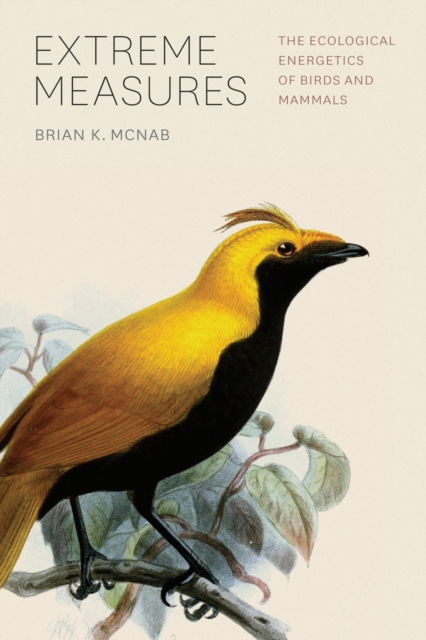
Along with reproduction, balancing energy expenditure with the limits of resource acquisition is essential for both a species and a population to survive.
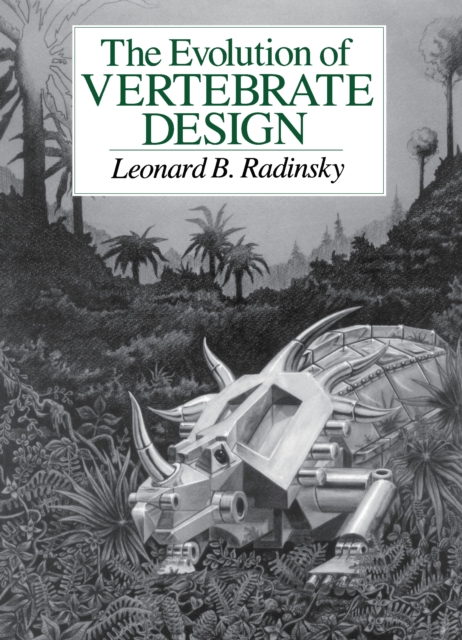
The Evolution of Vertebrate Design is a solid introduction to vertebrate evolution, paleontology, vertebrate biology, and functional, comparative anatomy.
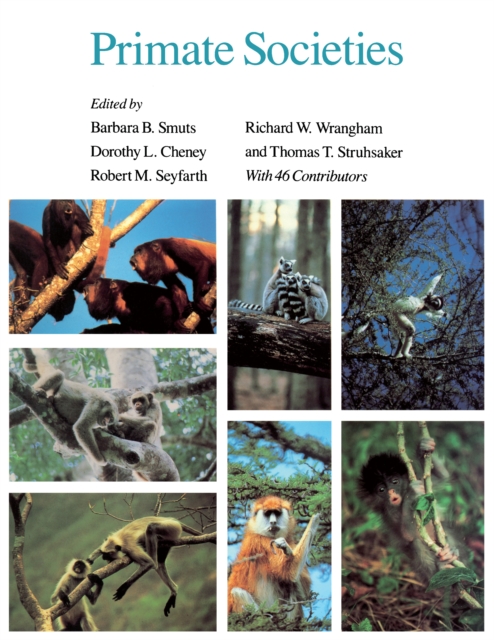
Primate Societies is a synthesis of the most current information on primate socioecology and its theoretical and empirical significance, spanning the disciplines of behavioral biology, ecology, anthropology, and psychology.
In this unique and unprecedented study of birding in Africa, historian Nancy Jacobs reconstructs the collaborations between well-known ornithologists and the largely forgotten guides, hunters, and taxidermists who worked with them.
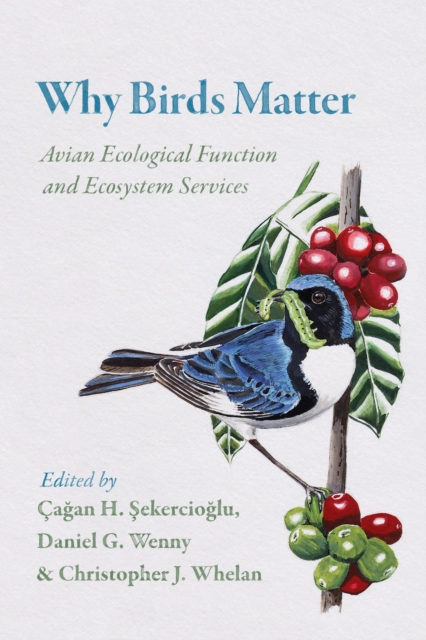
For over one hundred years, ornithologists and amateur birders have jointly campaigned for the conservation of bird species, documenting not only birds' beauty and extraordinary diversity, but also their importance to ecosystems worldwide.
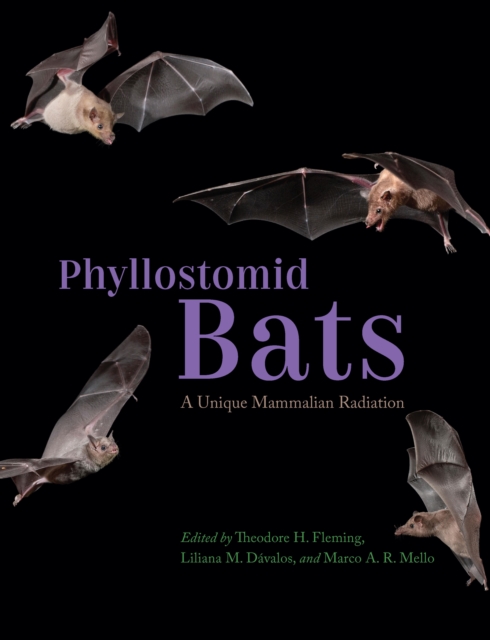
With more than two hundred species distributed from California through Texas and across most of mainland Mexico, Central and South America, and islands in the Caribbean Sea, the Phyllostomidae bat family (American leaf-nosed bats) is one of the world's most diverse mammalian families.
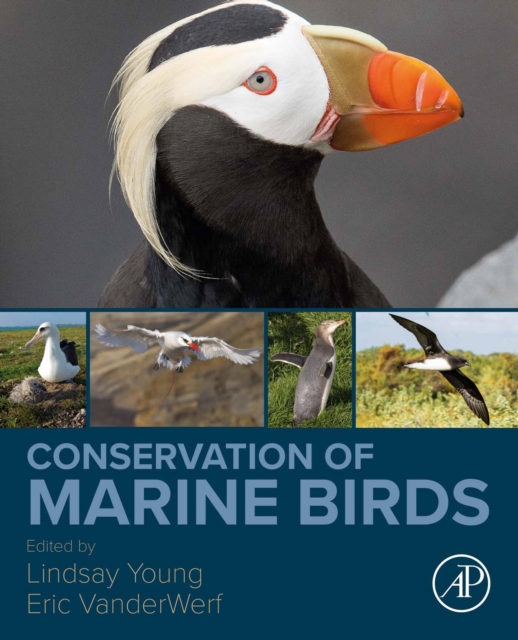
Conservation of Marine Birds is the first book to outline and synthesize the myriad of threats faced by one of the most imperiled groups of birds on earth.
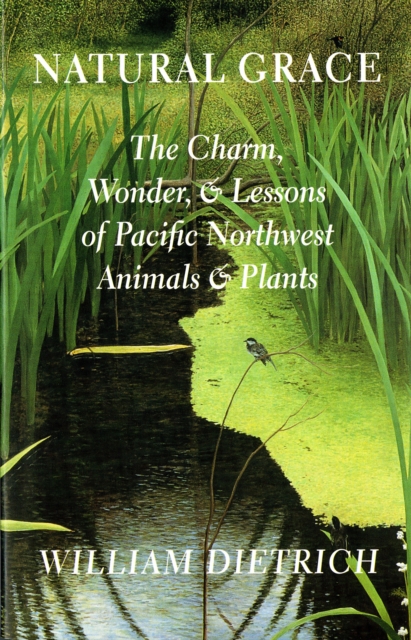
From the interactive clockwork world of geology, tides, Northwest weather, and snow, to the hidden roles of dirt, stream life, and mosses and lichens, Pulitzer Prize winning writer William Dietrich explores the natural splendors of the Pacific Northwest.
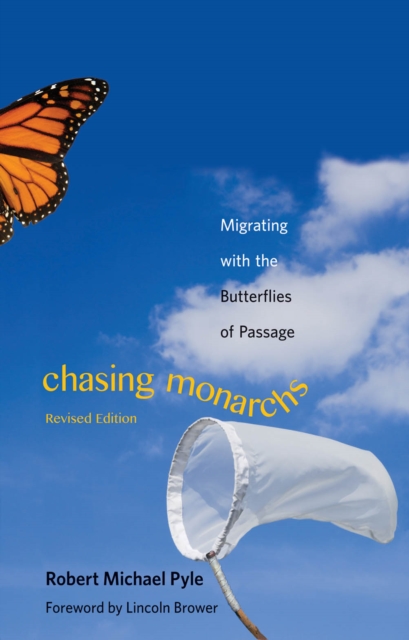
Although no one had ever followed North American monarch butterflies on their annual southward journey to Mexico and California, in the 1990s there were well-accepted assumptions about the nature and form of the migration.
Spider Evolution: Genetics, Behavior, and Ecological Influences provides a thorough exploration of the evolutionary trail of arachnids, particularly spider species, from prehistoric origins to current sustainability issues.
This fully revised and updated second edition of Insect Pests of Potato now includes an opening section with a basic overview of agronomic and economic issues as they relate to potato production.
Exciting new technologies and research methods help scientists unravel the mysteries of dolphin communication, intelligence, and cultureDolphins have fascinated humans for millennia, giving rise to an abundance of stories and myths about them, yet the actual details of their lives in the sea have remained elusive.
The Behavior and Ecology of Pacific Salmon and Trout combines in-depth scientific information with outstanding photographs and original artwork to fully describe the fish species critical to the Pacific Rim.
The Cardiovascular System: Design, Control and Function, Volume 36A, a two- volume set, not only provides comprehensive coverage of the current knowledge in this very active and growing field of research, but also highlights the diversity in cardiovascular morphology and function and the anatomical and physiological plasticity shown by fish taxa that are faced with various abiotic and biotic challenges.
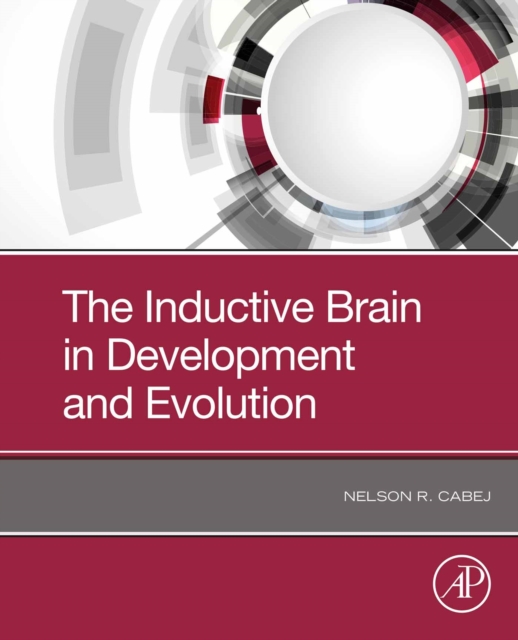
The Inductive Brain in Development and Evolution provides readers with a substantial biological education on animal nervous systems and their role in the development, adaptation, homeostasis, and evolution of species.