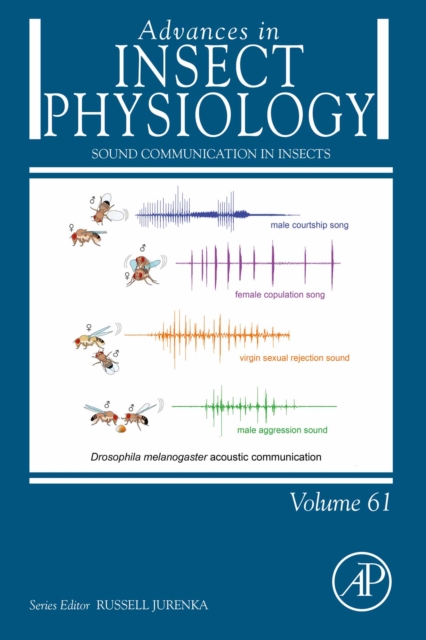
Advances in Insect Physiology, Volume 61 highlights new advances in the field, with this new volume presenting interesting chapters on a variety of timely topics, including Acoustic signaling in Orthoptera, Sound production in Drosophila melanogaster, and Communication by surface borne mechanical waves in insects.
Methods for Studying Mononuclear Phagocytes is a practical guide to the study of mononuclear phagocytes that brings together various well-established and useful methods for examining these cells.
An engaging history of the founding of one of the world’s most popular environmental organizations, the Audubon Society In 1887, a year after founding the Audubon Society, explorer and conservationist George Bird Grinnell launched Audubon Magazine.
Advances in the Study of Behavior was initiated over 40 years ago to serve the increasing number of scientists engaged in the study of animal behavior.
Biology and Ecology of Earthworms is established as a key valuable text for students of agriculture, soil science, and soil invertebrate zoology and ecology.
These compelling stories and photographs take us to places like Bwindi Impenetrable National Park in Uganda, Ivindo National Park in Gabon, and the Tai National Park in Cote d'Ivoire for an intimate and revealing look at the lives of African wild apes-and at the lives of the humans who study them.
The fish faunas of continental South and Central America constitute one of the greatest concentrations of aquatic diversity on Earth, consisting of about 10 percent of all living vertebrate species.
The most comprehensive book on giraffes to appear in the last fifty years, this volume presents a magnificent portrait of a group of animals who, in spite of their legendary elegance and astonishing gentleness, may not entirely survive this century.
The Pacific is not only the world's largest body of water; its vast expanse also includes an extraordinary number and diversity of oceanic islands, from Palau and the Marianas east of the Philippines to Cocos Island and the Galapagos west of the Americas.
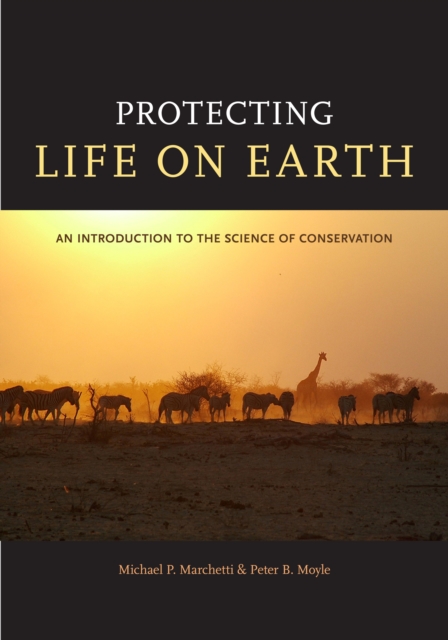
Written to be accessible to any college-level reader, Protecting Life on Earth offers a non-technical, yet comprehensive introduction to the growing field of conservation science.
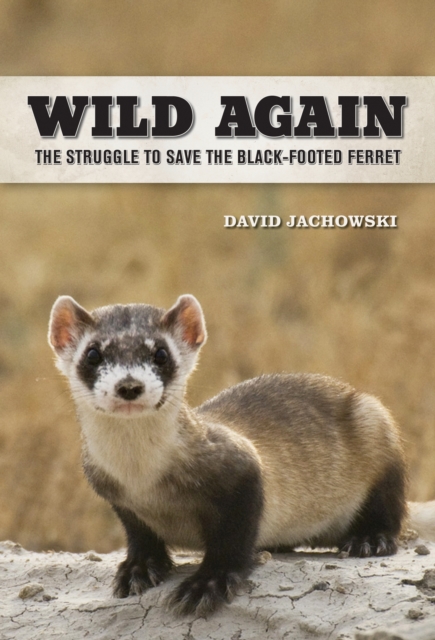
This engaging personal account of one of America's most contested wildlife conservation campaigns has as its central character the black-footed ferret.
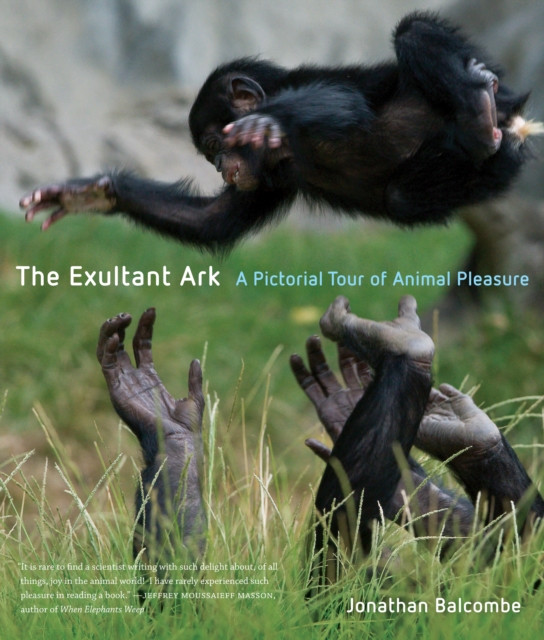
Nature documentaries often depict animal life as a grim struggle for survival, but this visually stunning book opens our eyes to a different, more scientifically up-to-date way of looking at the animal kingdom.
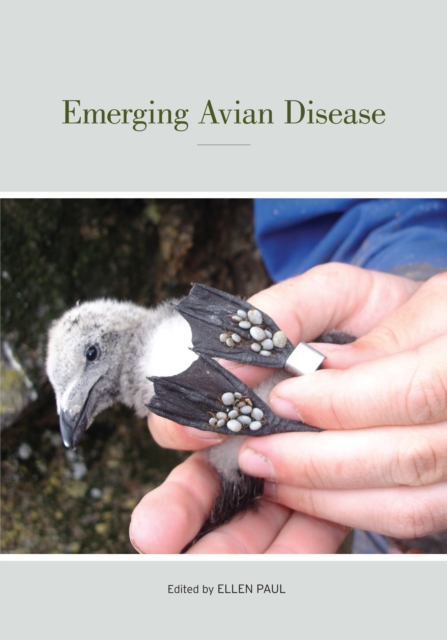
In this volume, new human disease pandemics, arising from animals stimulated by ongoing environmental change, demonstrate the value of ornithological research into avian diseases.
A lavishly illustrated guide to the world's turtles that covers every family and genusTurtles of the World reveals the extraordinary diversity of these amazing reptiles.
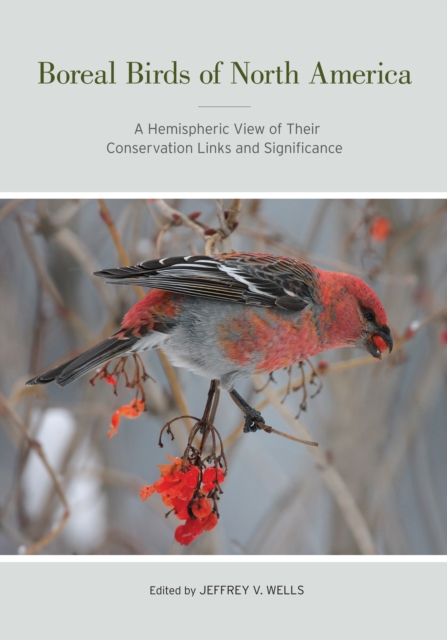
Reaching from interior Alaska across Canada to Labrador and Newfoundland, North America's boreal forest is the largest wilderness area left on the planet.
Dr Hilary Fry's study of the bee-eaters covers all 24 species of this colourful Family, which ranges from southern Europe, Africa and the Middle East to India, China, south-east Asia and Australia.
China's stunning diversity of natural habitats--from parched deserts to lush tropical forests--is home to more than 10 percent of the world's mammal species.
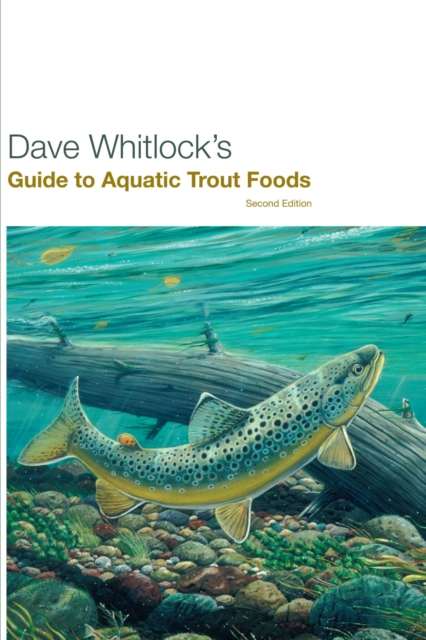
Volume IFor the fly fisher seeking to catch more and bigger trout, fishing nymphs--patterns that mimic the larval stage of mayflies--can be a surefire approach.
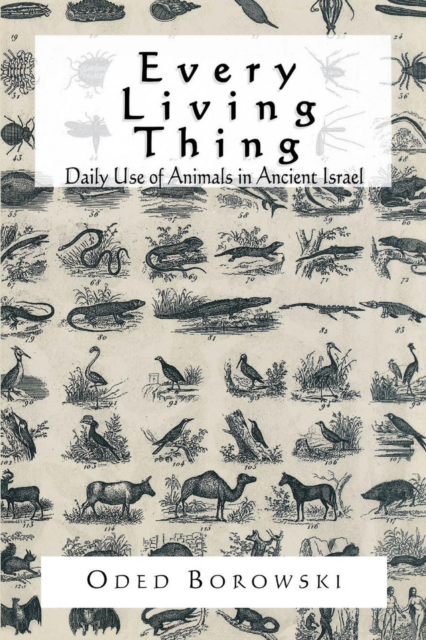
The agricultural world of Old Testament Israel swarmed with animals-birds, insects, fish, pack animals, pets, animals for hunting, and domesticated herds of sheep, goats, and cattle.
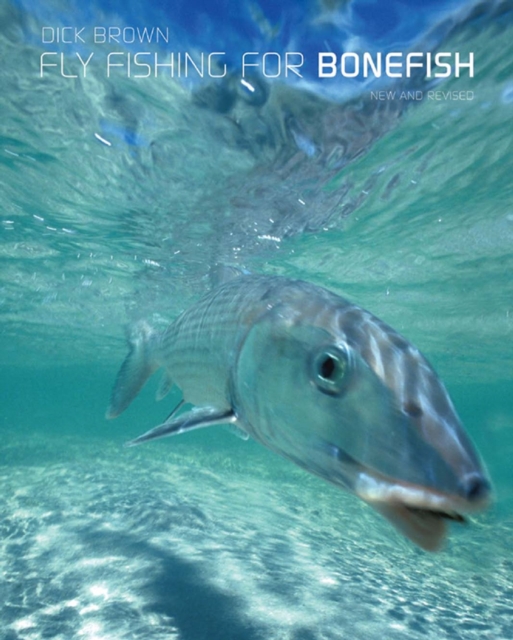
Chasing the lightning-fast bonefish across the south Pacific, Florida, and the Caribbean is for many anglers a near obsession, and this is the handbook to such fly-fishing adventure.
Biochemistry of Characterised Neurons provides a report on the progress made in the analysis of the biology of specific neurons in the central nervous system.
Animals and Environmental Fitness: Physiological and Biochemical Aspects of Adaptation and Ecology, Volume 2 contains the proceedings of the First Conference of the European Society for Comparative Physiology and Biochemistry held in Liege, Belgium, on August 27-31, 1979.