InSight to better understand and train your dogTrainers and animal behaviorists around the globe consider Pam Reid's Excel-erated Learning one of the most important and influential books ever written in the field of dog behavior.
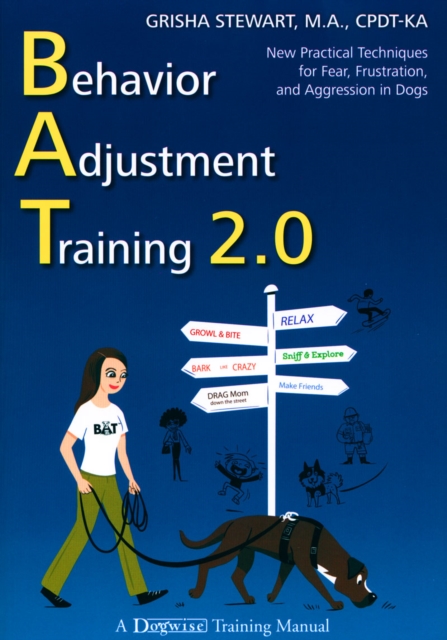
If you are looking for a step-by-step guide to help explain the use of positive reinforcement in training and living with your canine friend, then this is the book for you.
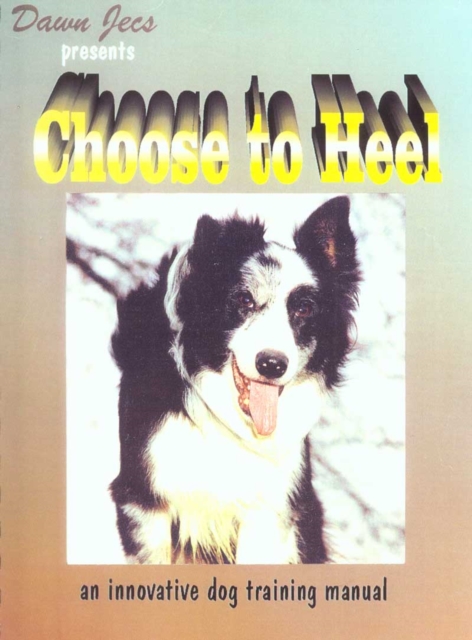
Learn to love competing in obedienceMost books on competitive obedience focus on the training and ring skills you need to be a winner with your dog in the ring?
This textbook provides a theoretical and clinical framework for addressing multiculturalism and diversity in the field of applied behavior analysis (ABA).
This book describes and explains the basis of bio-inspired, leading-edge tubercles based on humpback whale flippers as passive but effective flow control devices, as well as providing a comprehensive practical guide in their applications.
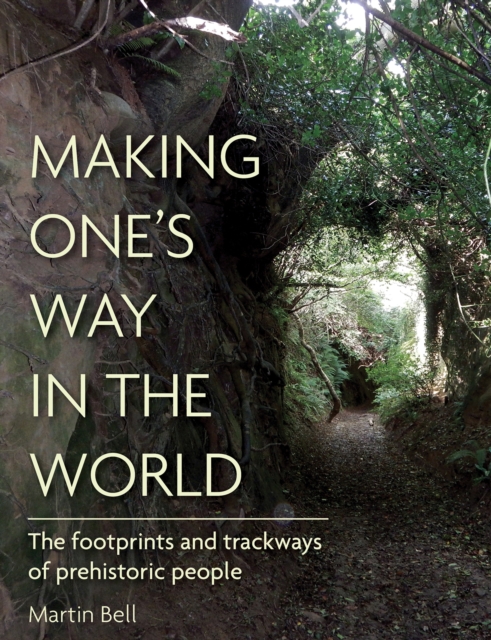
The book draws on the evidence of landscape archaeology, palaeoenvironmental studies, ethnohistory and animal tracking to address the neglected topic of how we identify and interpret past patterns of movement in the landscape.
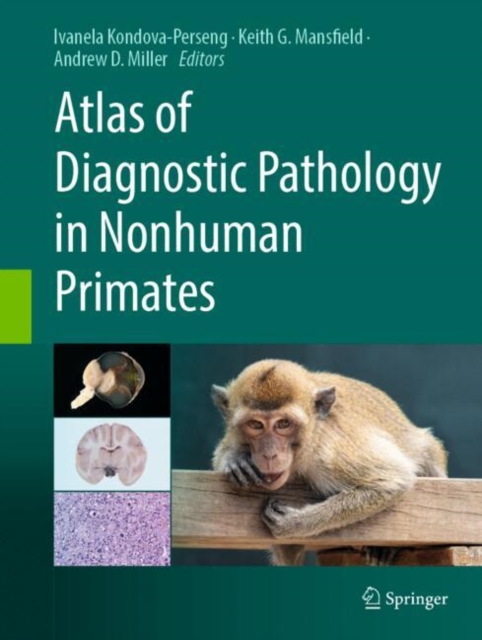
The Atlas of Diagnostic Pathology in Nonhuman Primates offers the first extensively illustrated collection of classic lesions in nonhuman primate diseases and pathological conditions, compiled by an international team of expert contributors.
Structure and Function of Sarcoplasmic Reticulum is a compendium of papers from an International Conference on Sarcoplasmic Reticulum held in Japan on November 1-4, 1982.
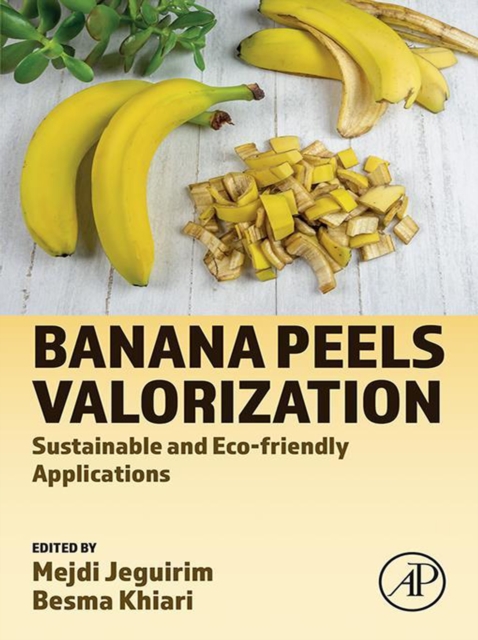
Banana Peels Valorization: Sustainable and Eco-friendly Applications provides a global overview of world production, physicochemical and microbiological characteristics of Banana Peels and the various pathways for their valorization, considering the advantages, disadvantages and factors impacting on each way of valorization.
Exogenous and Endogenous Influences on Metabolic and Neural Control, Volume 1: Invited Lectures covers the proceedings of the Third Congress of the European Society for Comparative Physiology and Biochemistry.
Many wild animals in human care live longer than their wild counterparts because of modern care and wellbeing programmes, leading to a growing demographic of ageing animals.
With more than 10,000 species that vary in size, use diverse habitats that extend across latitudes and altitudes, consume a wide variety of food items, differ in how they fly (or not), communicate, and reproduce, and have different life histories, birds exhibit remarkable variation in form (anatomy) and function (physiology).
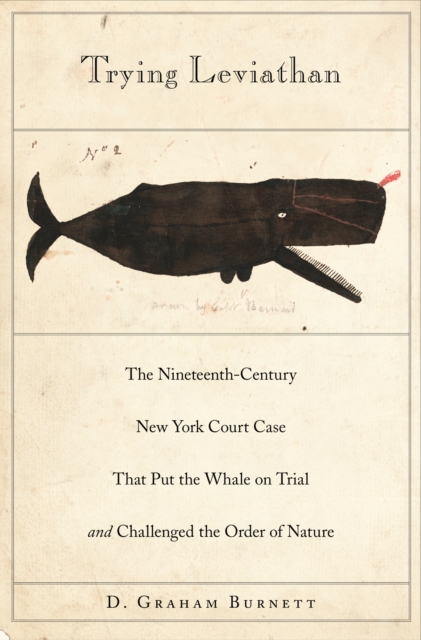
In Moby-Dick, Ishmael declares, "e;Be it known that, waiving all argument, I take the good old fashioned ground that a whale is a fish, and call upon holy Jonah to back me.
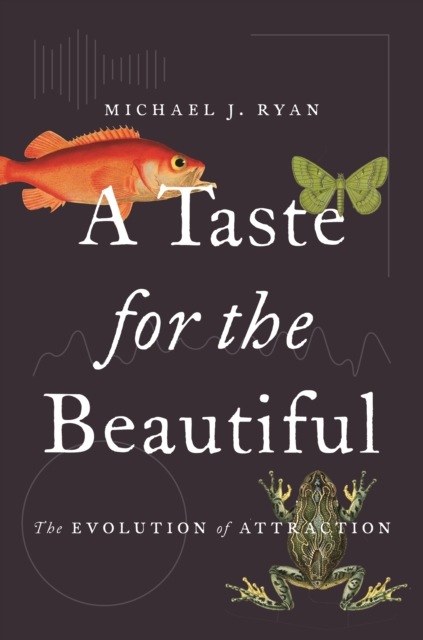
From one of the world's leading authorities on animal behavior, the astonishing story of how the female brain drives the evolution of beauty in animals and humansDarwin developed the theory of sexual selection to explain why the animal world abounds in stunning beauty, from the brilliant colors of butterflies and fishes to the songs of birds and frogs.
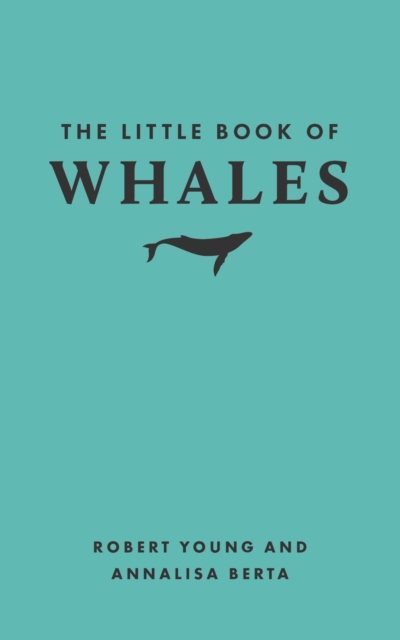
A charming, richly illustrated, pocket-size exploration of the world's whalesPacked with surprising facts, this delightful and gorgeously designed book will beguile any nature lover.
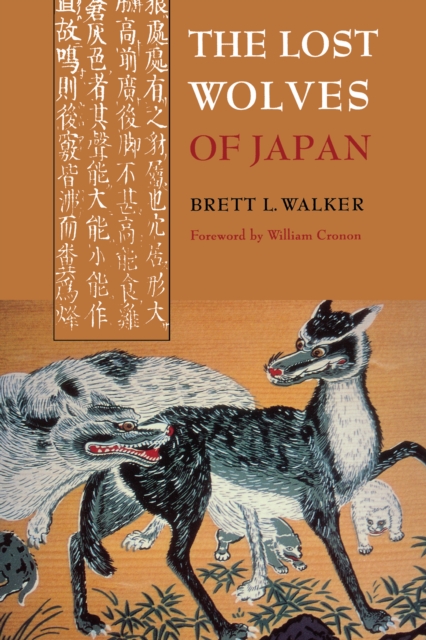
Many Japanese once revered the wolf as Oguchi no Magami, or Large-Mouthed Pure God, but as Japan began its modern transformation wolves lost their otherworldly status and became noxious animals that needed to be killed.
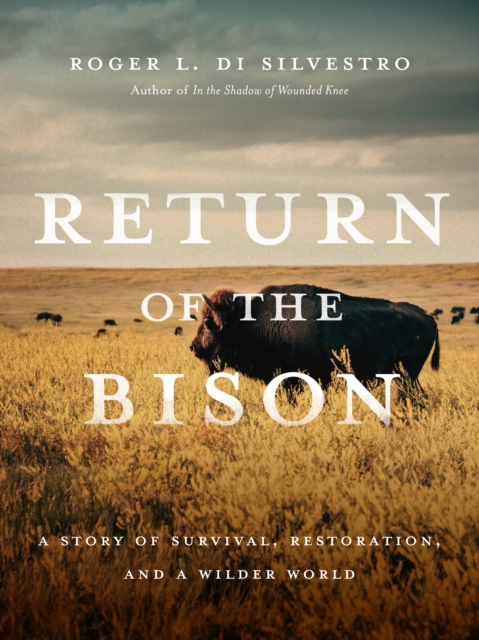
Offers a hopeful view of threatened species, grounded in history and scienceAddresses current conservation trends: wildlife corridors, prairie restoration, cultural restoration for the American Indian communityReturn of the Bison is the story of how this symbol of the American West was once almost lost to history and of the continuing journey to bring bison back from the brink.
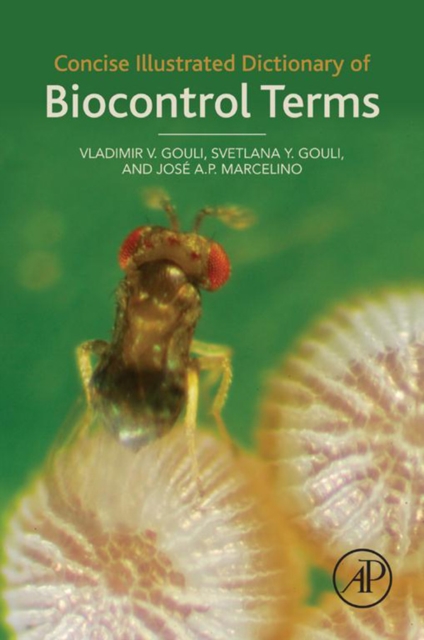
The Concise Illustrated Dictionary of Biocontrol Terms includes basic terminology related to the biological control of pests, together with state-of-the-art scientific and practical terms, for expedient comprehension and analysis of present, forecasted or in situ pest management problems.
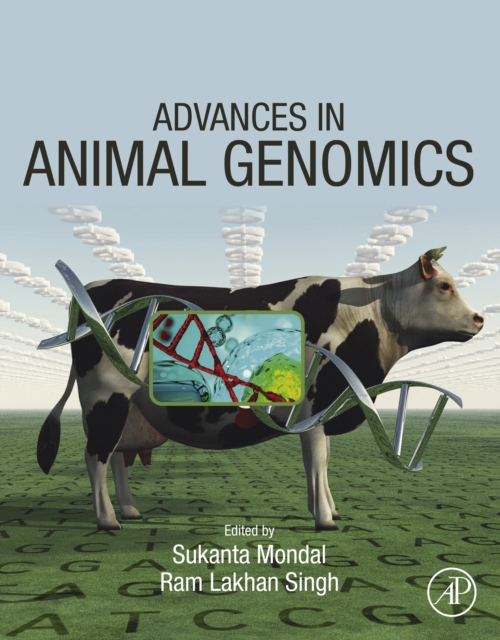
Advances in Animal Genomics provides an outstanding collection of integrated strategies involving traditional and modern - omics (structural, functional, comparative and epigenomics) approaches and genomics-assisted breeding methods which animal biotechnologists can utilize to dissect and decode the molecular and gene regulatory networks involved in the complex quantitative yield and stress tolerance traits in livestock.
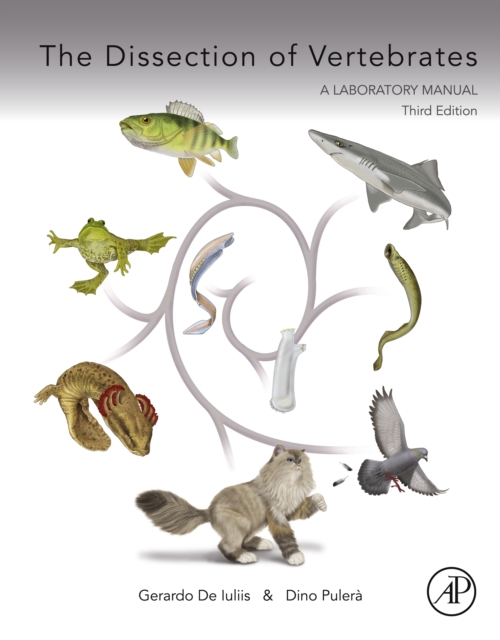
Detailed and concise dissection directions, updated valuable information and extraordinary illustrations make The Dissection of Vertebrates, 3rd Edition the new ideal manual for students in comparative vertebrate anatomy, as well as a superb reference for vertebrate and functional morphology, vertebrate paleontology, and advanced level vertebrate courses, such as in mammalogy, ornithology, ichthyology, and herpetology.
Ethnozoology: Animals In Our Lives represents the first book about this discipline, providing a discussion on key themes on human-animal interactions and their implications, along with recent major advances in research.
Invertebrate Embryology and Reproduction deals with the practical and theoretical objectives of the descriptive embryology of invertebrates, along with discussions on reproduction in these groups of animals.