New essays in science history ranging across the entire field and related in most instance to the works of Charles Gillispie, one of the field's founders.
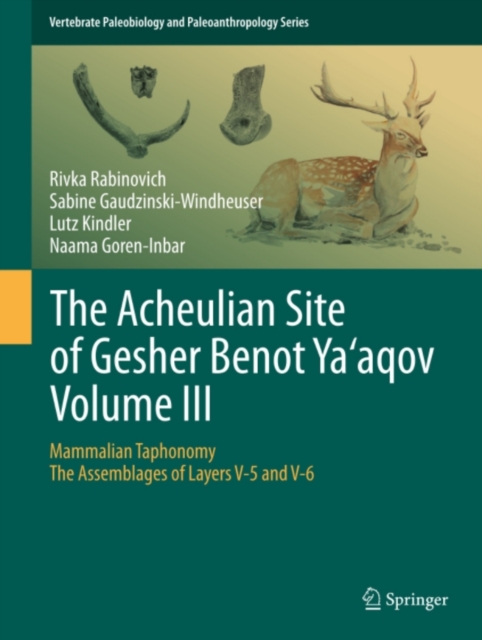
Multidisciplinary research on the Early-Middle Pleistocene site of Gesher Benot Ya'aqov has yielded abundant climatic, environmental, ecological and behavioral records.
Not all stress is stressful; instead, it appears that stress in the environment, below the mutation threshold, is essential for many subtle manifestations of population structures and biodiversity, and has played a substantial role in the evolution of life.
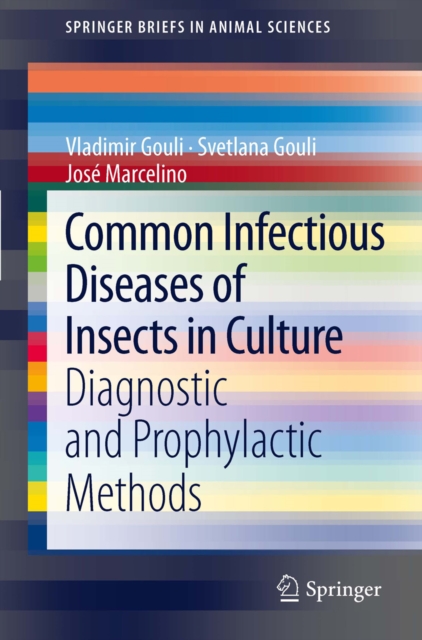
This handbook gives a comprehensive and copious illustrated description, with original art work, of the most common diseases in laboratory reared insect colonies, comprising Viruses (Baculoviridae, Reoviridae, Poxviridae, Iridoviridae); Bacteria (Bacillaceae, Pseudomonadaceae, Enterobacteriaceae); Rickettsia; Fungi and Microsporidia and Protozoa.
The book introduces basic entomology, emphasising perspectives on insect diversity important in conservation assessment and setting priorities for management, as a foundation for managers and others without entomological training or background.
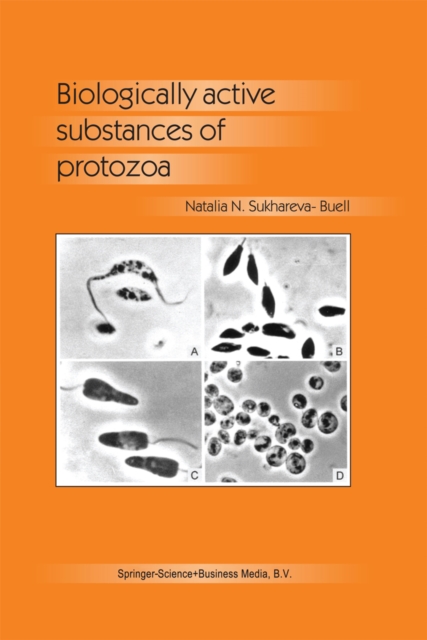
The search for new producers of biologically active substances (BAS) against human and animal diseases continues to be an important task in biology and medicine.
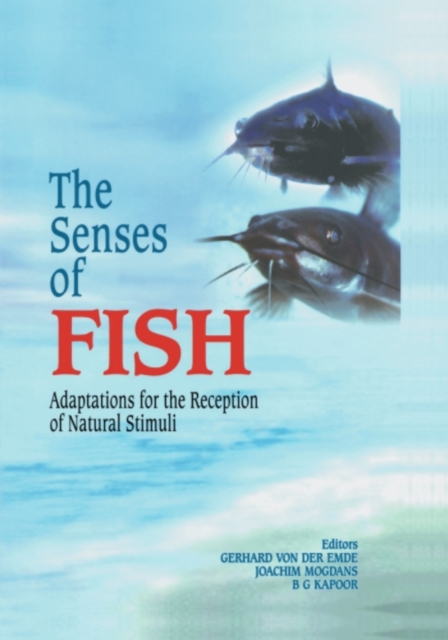
Fish comprise more than 50% of all living vertebrates and are found in a wide range of highly diverse habitats like the deep sea, the shoreline, tide pools, tropical streams and sweetwater ponds.
Taking an interdisciplinary approach, this book and its counterpart, Active Oxygen in Biochemistry, explore the active research area of the chemistry and biochemistry of oxygen.
Potatoes, a major vegetatively-propagated crop, has been closely linked with plant virus research during the last 8 decades because, without their effective control potato viruses can cause considerable losses of crop quality and yield.
This is the first academic book about the dinosaurs, birds and pterosaurs of Korea, one of the richest and most exciting regions on earth for the study of vertebrate ichnology.
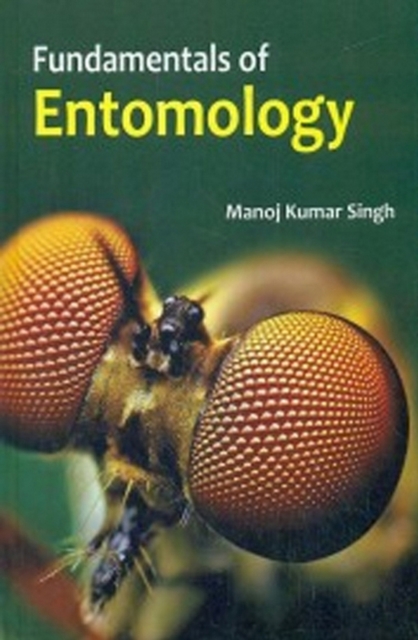
Using an exceptionally clear writing style, minimal scientific jargon, and vivid photos and drawings, this book provides a comprehensive view of the fundamentals of entomology.
Class insecta is numerically the largest class of the largest phylum outnumbering the total number of all the other known species of the rest of the animal kingdom.
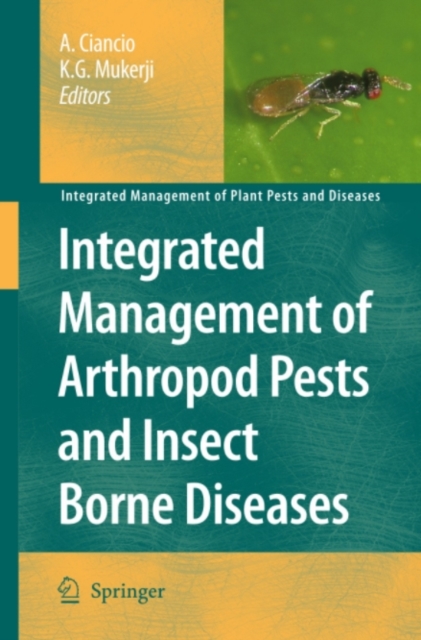
This fascinating title has been carefully organised to meet the long-felt needs of increasingly large number of those who deals with different aspects of Entomology.
This book reviews and synthesizes the recent advances in exploiting host plant resistance to insects, highlighting the role of molecular techniques in breeding insect resistant crops.
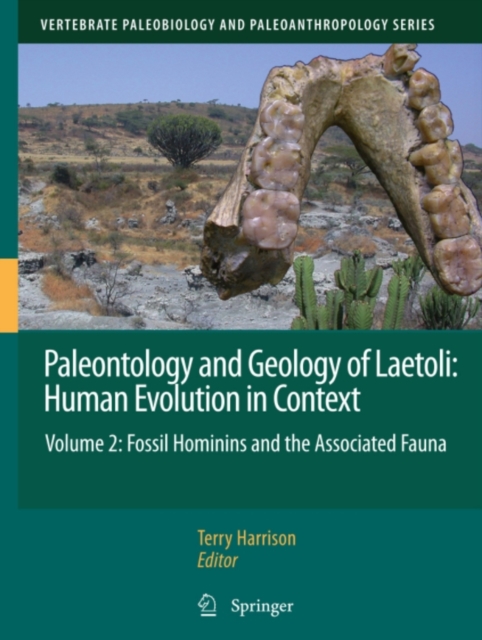
This volume 2 and its companion volume 1 present the results of new investigations into the geology, paleontology and paleoecology of the early hominin site of Laetoli in northern Tanzania.
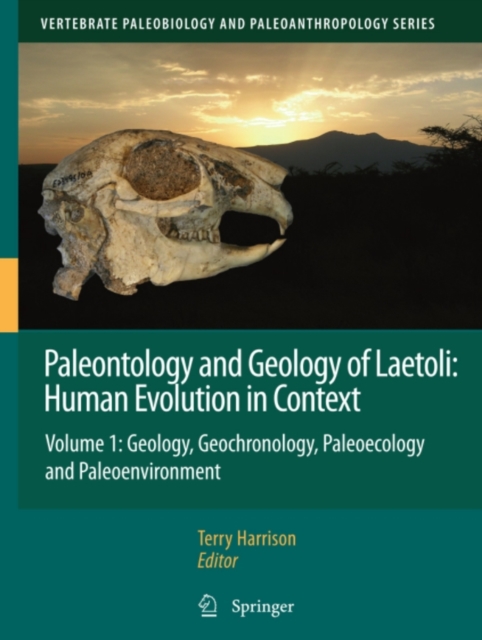
This volume 1 and its companion volume 2 present the results of new investigations into the geology, paleontology and paleoecology of the early hominin site of Laetoli in northern Tanzania.
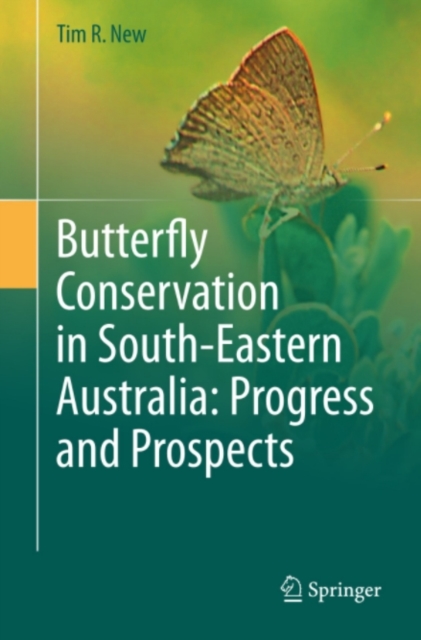
A survey of the development and practice of butterfly conservation in south east Australia, tracing evolution of the science through a series of cases from focus on single subspecies through increasing levels of ecological complexity to critical biotopes and communities.
Microbial plant pathogens causing qualitative and quantitative losses in all corps are present not only in the infected plants, but also in the environmental comprising of soil, water and air.
The need for the development of techniques based on the characteristics of the viral proteins and genomic nucleic acids was realized in order to detect, identify, differentiate and quantify viruses in the infected plants/planting materials with or without symptoms of infection.
Fourteen informative papers dealing with their DNA, species interactions, adventiveness, host specificity, potential as boi-contol agents of weeds, chemical control, behaviour, their role in fungal pathogen epidemiology, influence in forests and on ornamentals, collecting and mounting techniques and their interaction with crops are presented here.
The book provides a fascinating overview about current and sophisticated developments in applied entomology that are powered by molecular biology and that can be summarized under a novel term: insect biotechnology.
Morphological, biological, biochemical and physiological characteristics have been used for the detection, identification and differentiation of fungal pathogens up to species level.
In Arctic Canada, Hudson Bay is a site of great exploration history, aboriginal culture, and a vast marine wilderness supporting large populations of marine mammals and birds.
The Late Cenozoic Yushe Basin, Shanxi Province, China embodies the bulk of our knowledge on successions of terrestrial vertebrates in the northern part of East Asia.
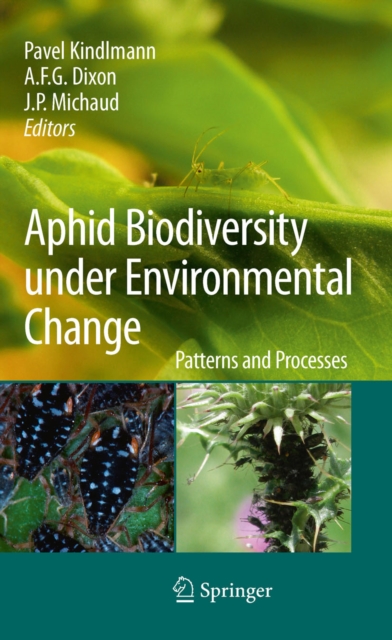
This book presents the results of recent research on aphid population dynamics and ecology relevant to current environmental changes resulting from global wa- ing.
One of the major questions in the evolution of animals is the transition from unicellular to multicellular organization, which resulted in the emergence of Metazoa through a hypothetical Urmetazoa.
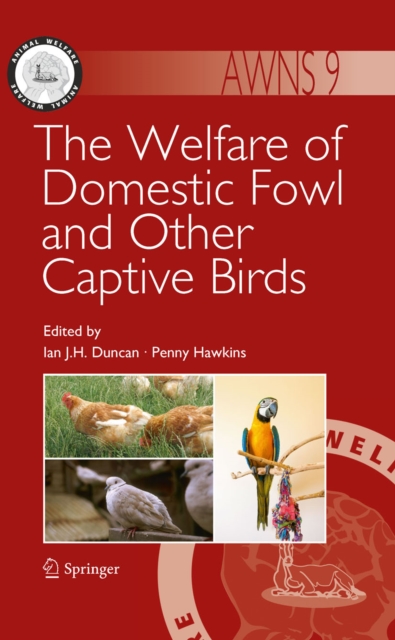
Animal welfare is attracting increasing interest worldwide, especially in developed countries where the knowledge and resources are available to (at least potentially) provide better management systems for farm animals, as well as companion, zoo and laboratory animals.