This volume focuses on translational models of pediatric brain cancers that are critical to understanding tumor formation, tumor progression, and response to treatment.
This volume focuses on translational models of pediatric brain cancers that are critical to understanding tumor formation, tumor progression, and response to treatment.
This second volume details new and updated methods on biology of various cellular processes and agronomic traits and come up with better strategies to improve legume crops.
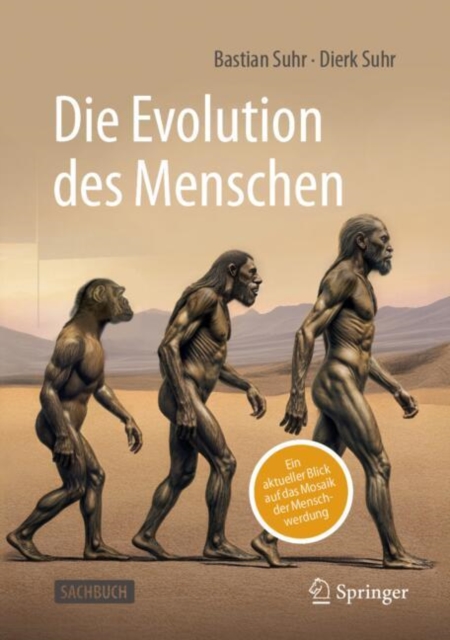
Humanevolution im Überblick: Das Mosaik der MenschwerdungBis vor wenigen Jahren schien die Entstehung des Menschen weitgehend geklärt, der menschliche Stammbaum vollständig darstellbar: Entstanden in Afrika, sollte sich unsere Gattung von Vor- und Frühmenschen in einer aufsteigenden Reihe zum modernen Homo sapiens entwickelt haben.
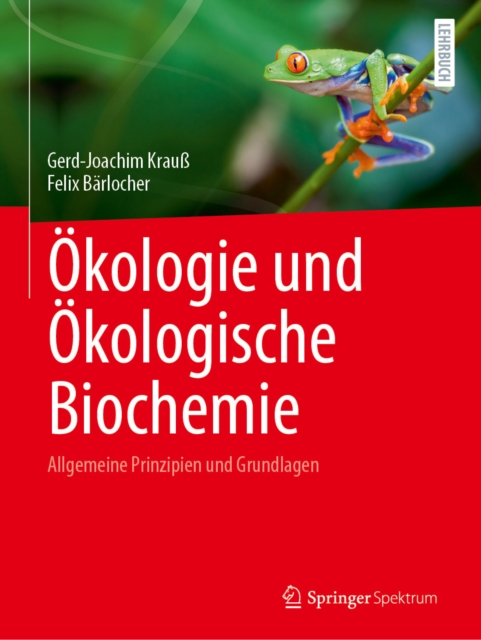
Das Buch fuhrt in die Okologie als interdisziplinar vernetzte Naturwissenschaft ein und vermittelt umfassendes Wissen uber die komplexen Zusammenhange in der Natur.
This detailed volume highlights the heterogeneity and plasticity of enteric glial cells and explores their contributions to both GI homeostasis and disease pathophysiology.
This book compiles protocols that encompass a diverse range of classical and contemporary approaches, including biochemical techniques, proteomic analyses, microscopic observations, and biophysical measurements.
This volume explores the latest advancements in the field of RNA therapeutics, with a particular focus on the development of exon skipping and inclusion therapies as targeted treatments for genetic diseases, as well as the evaluation methods used post-treatment.
This volume explores the latest advancements in the field of RNA therapeutics, with a particular focus on the development of exon skipping and inclusion therapies as targeted treatments for genetic diseases, as well as the evaluation methods used post-treatment.
This detailed volume presents protocols centered on the sensing and signaling of ethylene, a plant hormone with a vital role in fruit ripening, seed germination, stress adaptation, and a wide array of developmental processes.
This volume explores the latest advancements in the field of Nuclear Magnetic Resonance (NMR) and discusses how new studies provide insight into the structure, conformation, dynamics, and interactions of glycoproteins.
Das Buch fuhrt in die Okologie als interdisziplinar vernetzte Naturwissenschaft ein und vermittelt umfassendes Wissen uber die komplexen Zusammenhange in der Natur.
This volume covers methods to study protein modification by the Small Ubiquitin-like Modifier (SUMO) family of proteins, post-translational modifiers with essential roles in physiology and pathology.
This volume covers methods to study protein modification by the Small Ubiquitin-like Modifier (SUMO) family of proteins, post-translational modifiers with essential roles in physiology and pathology.
This extensive volume explores the phenomena of chaotic genomic rearrangements, known as chromoanagenesis, their formation mechanisms, and the state-of-the-art techniques used to detect them.
This book compiles protocols that encompass a diverse range of classical and contemporary approaches, including biochemical techniques, proteomic analyses, microscopic observations, and biophysical measurements.
This extensive volume explores the phenomena of chaotic genomic rearrangements, known as chromoanagenesis, their formation mechanisms, and the state-of-the-art techniques used to detect them.
This detailed volume highlights the heterogeneity and plasticity of enteric glial cells and explores their contributions to both GI homeostasis and disease pathophysiology.
This volume explores the latest advancements in the field of Nuclear Magnetic Resonance (NMR) and discusses how new studies provide insight into the structure, conformation, dynamics, and interactions of glycoproteins.
Humanevolution im Überblick: Das Mosaik der MenschwerdungBis vor wenigen Jahren schien die Entstehung des Menschen weitgehend geklärt, der menschliche Stammbaum vollständig darstellbar: Entstanden in Afrika, sollte sich unsere Gattung von Vor- und Frühmenschen in einer aufsteigenden Reihe zum modernen Homo sapiens entwickelt haben.
This second volume details new and updated methods on biology of various cellular processes and agronomic traits and come up with better strategies to improve legume crops.
The aim of this volume is to provide a wide range of experimental methods for analyzing molecular functions of SMC complexes, such as microscopic imaging, protein localization, chromosome conformation analyses by deep DNA sequencing and biochemical reconstitution with purified proteins or cell lysate.
This detailed volume presents protocols centered on the sensing and signaling of ethylene, a plant hormone with a vital role in fruit ripening, seed germination, stress adaptation, and a wide array of developmental processes.
The aim of this volume is to provide a wide range of experimental methods for analyzing molecular functions of SMC complexes, such as microscopic imaging, protein localization, chromosome conformation analyses by deep DNA sequencing and biochemical reconstitution with purified proteins or cell lysate.
This third edition volume expands on the previous editions with new chapters discussing advancements in mass spectrometry resolution, sensitivity, and speed, including the refinement of the identification of peptides presented on the surface of major histocompatibility proteins.
This third edition volume expands on the previous editions with new chapters discussing advancements in mass spectrometry resolution, sensitivity, and speed, including the refinement of the identification of peptides presented on the surface of major histocompatibility proteins.
This volume presents a comprehensive collection of state-of-the-art techniques used to investigate respiratory syncytial virus (RSV) at multiple levels, from atomic-resolution structural studies to in vivo infection models.
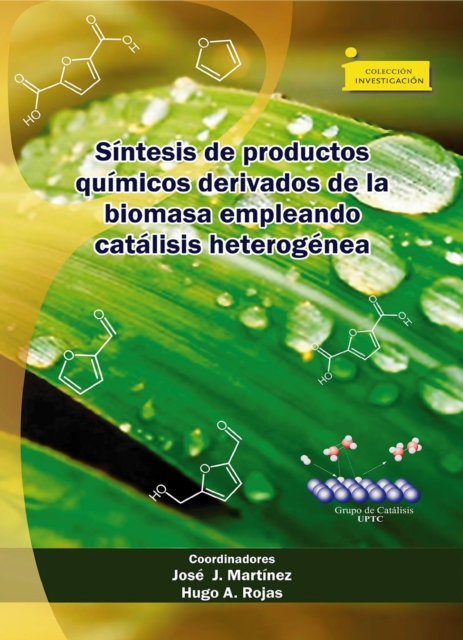
En este libro se presentan los aspecto más relevantes relacionados con la producción de 5-HMF ésteres de ácido levulímico y FDCA principalmente, desde el punto de vista de los sustratos utilizados, los sistemas catalíticos y las condiciones de reacción.