Forensic Investigation of Blood Evidence offers a comprehensive exploration of the scientific, investigative, and legal dimensions of blood as forensic evidence.
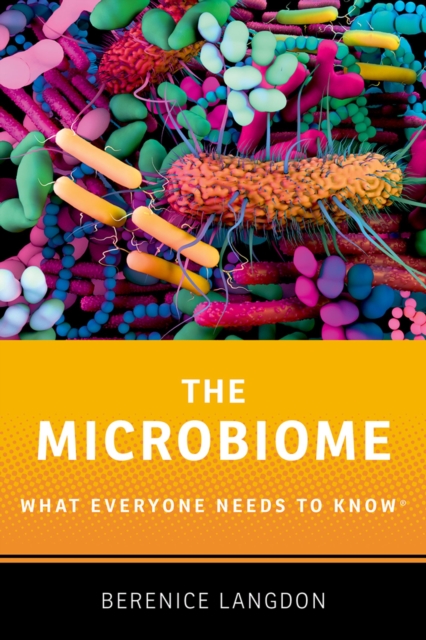
A lively guide to the fast-moving and fascinating debates on what is going on with the trillions of microorganisms that live on and around us, and what we need to know to keep ourselves healthy.
Advances in Agronomy, Volume 198, the latest release in this leading reference on agronomy, contains a variety of updates and highlights new advances in the field, each written by an international board of authors.
This book discusses the mutual interactions between neurons and other types of cells during neurological and immunological processes within the Central Nervous System (CNS) for understanding the pathophysiology of various neurological diseases and advancing the diagnosis, prevention, and intervention.
This book discusses the mutual interactions between neurons and other types of cells during neurological and immunological processes within the Central Nervous System (CNS) for understanding the pathophysiology of various neurological diseases and advancing the diagnosis, prevention, and intervention.
This book highlights recent advances in the valorization of biomass, transforming it into high-value bioproducts for applications across the food, energy, and environmental sectors.
Forensic Investigation of Blood Evidence offers a comprehensive exploration of the scientific, investigative, and legal dimensions of blood as forensic evidence.
Nutritional Epigenomics, Second Edition, a volume in the Translational Epigenetics, offers a comprehensive overview of nutritional epigenomics as a mode of study, along with nutrition's role in the epigenomic regulation of disease, health, and developmental processes.
This book investigates the intricate dynamics of vegetation and soil carbon sink estimation, offering a comprehensive quantitative assessment of how climate and human activities influence carbon sink changes and land degradation.
Este libro trata sobre os principais acontecementos na historia do ADN, desde o seu descubrimento, no seculo XIX, ate as investigacions mais recentes, nos albores do XXI.
Carbon emissions of global health care activities comprise 4-5% of total world emissions, placing the health care industry on par with the food sector.
Carbon emissions of global health care activities comprise 4-5% of total world emissions, placing the health care industry on par with the food sector.
This new edition of the award-winning The Brain Book uses the latest findings from neuroscience research and brain-imaging technology to take you on a journey into the human brain.
Placebo Effects Through the Lens of Translational Research is an Open Access book integrating current knowledge on placebo research in healthcare to develop comprehensive and adequate strategies for better symptom management and treatment responses.
This book offers a detailed exploration of G-protein-coupled receptors (GPCRs), key membrane proteins that mediate cellular responses to diverse signals.
This book highlights recent advances in the valorization of biomass, transforming it into high-value bioproducts for applications across the food, energy, and environmental sectors.
Este es un libro de viajes, protagonizado por aves capaces de saltar de una orilla a otra del océano en unos pocos días, de cruzar un continente en una semana, de sobrevolar un desierto en apenas unas horas.
Sensory Individuals: Unimodal and Multimodal Perspectives provides an interdisciplinary, well-balanced, and comprehensive look at different aspects of unisensory and multisensory objects, using both nuanced philosophical analysis and informed empirical work.
Delve into the intriguing world of medical ethics in this unique guidebook, where each ethical dilemma is introduced through a gripping moral mystery story.
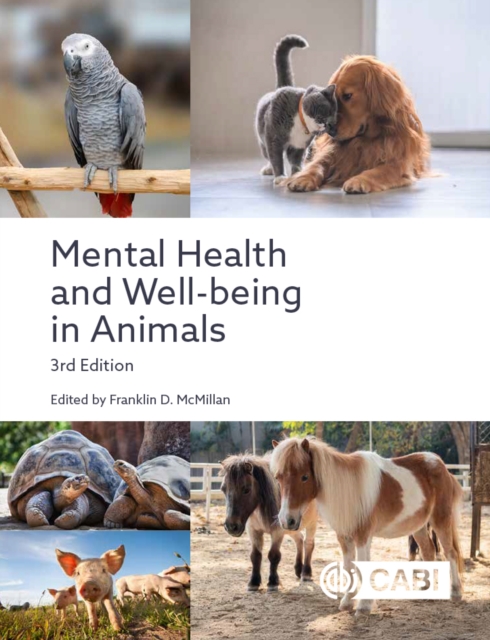
Since the publication of the first edition of this book, professional and public concern for the well-being of animals has continued to increase throughout the world.
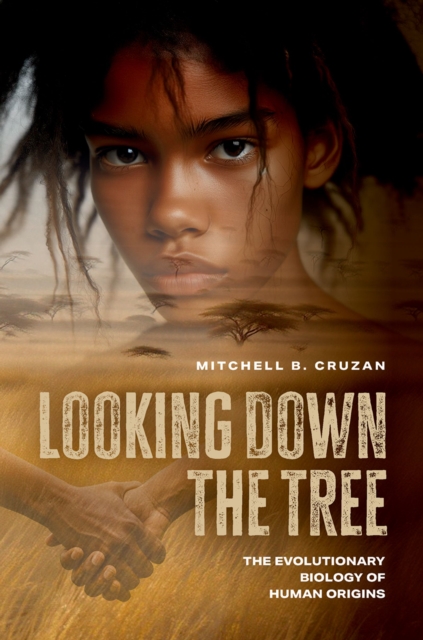
We know much about our history from bones and DNA, but these studies do not tell us about the characteristics that are not preserved in the fossil record - the fleshy parts and behaviors.
In a world that too often marginalizes people based on their race, gender, sexual orientation, body size, or disability, medicine can often be no different.
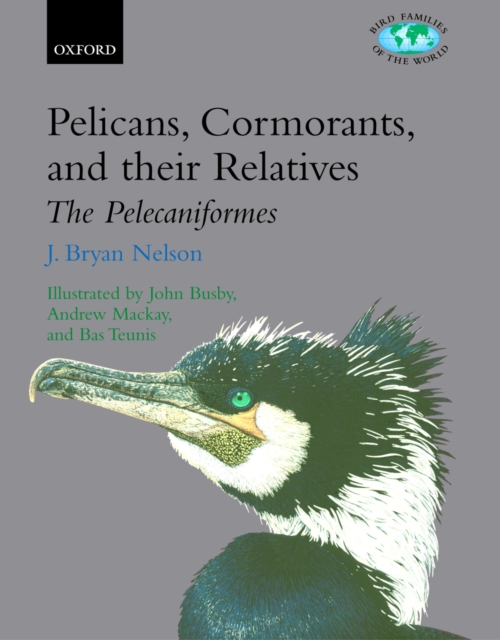
People have been long-fascinated with birds, and their scientific study has been central to advances in evolution, animal behavior, biogeography, population dynamics, and community ecology.