In a world of increasing atmospheric CO2, there is intensified interest in the ecophysiology of photosynthesis and increasing attention is being given to carbon exchange and storage in natural ecosystems.
Oceanic islands represent a set of systems in which biological diversity varies as a consequence of remoteness or size, not environment; they are also generally simpler than continental ecosystems.
This book offers a modern perspective on hazard and risk assessment in civil engineering, with special attention to sustainable infrastructure development.
This title is an exploration of the enzyme carbonic anhydrase (CA) and its inhibitors (CAIs), focusing on its biochemical properties, mechanisms, and wide-ranging applications.
Post-translational Modification: A Practical Approach and its companion volume Protein Expression: A Practical Approach form the final part of the PAS mini-series on protein synthesis and processing.
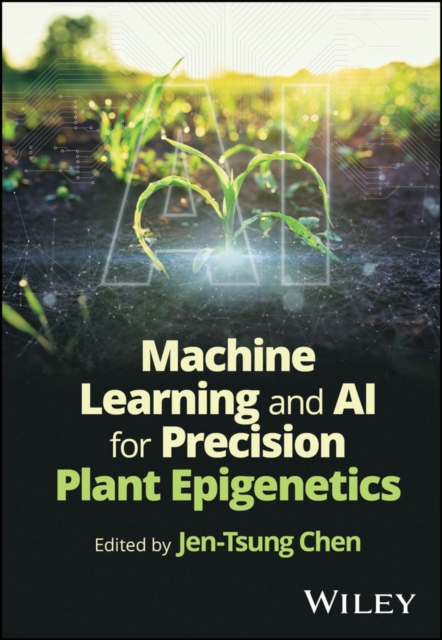
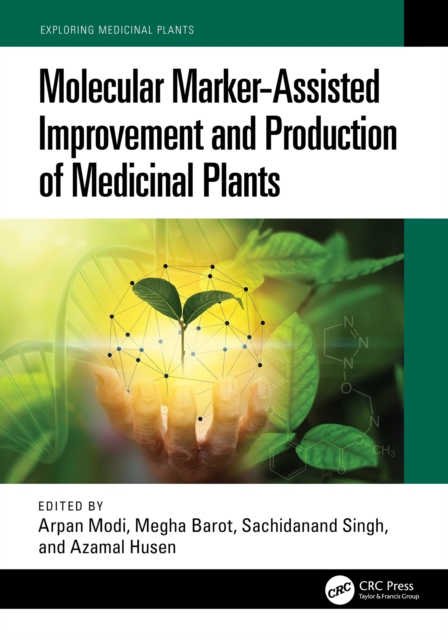
Harness artificial intelligence to develop stress-resilient crops for sustainable agriculture Machine Learning and AI for Precision Plant Epigenetics demonstrates how to develop climate-resilient crops by integrating AI with RNA-based epigenetic technologies.
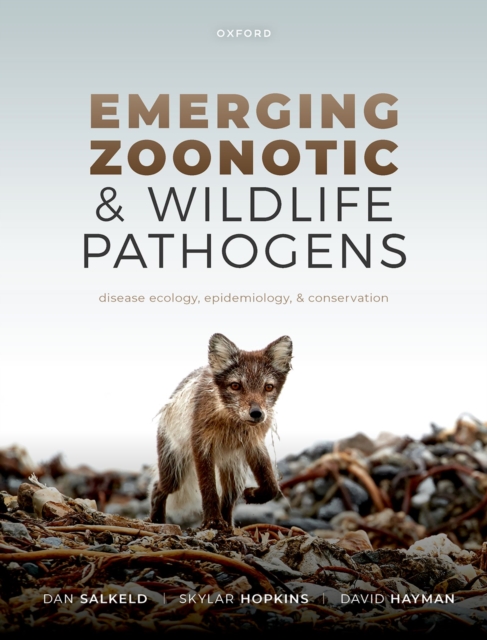
This accessible book describes a fascinating range of emerging infectious disease outbreaks affecting humans, including rabies, Ebola virus, Lyme disease, bubonic plague, and of course, Covid-19.
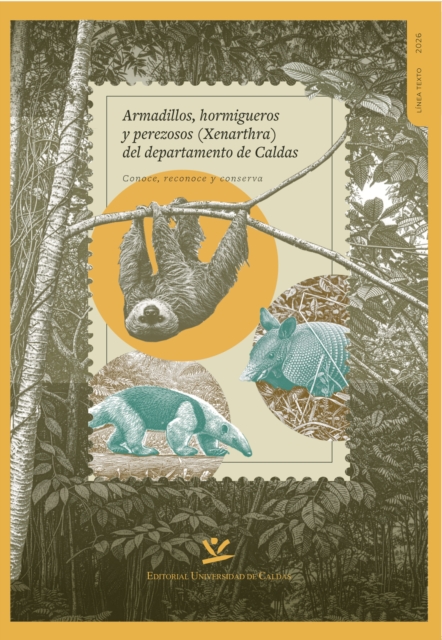
"Armadillos, hormigueros y perezosos (Xenarthra) del Departamento de Caldas: conoce, reconoce y conserva", es una invitación a descubrir la biodiversidad de un grupo evolutivo de mamíferos asombroso y a apoyar iniciativas de educación y conservación.
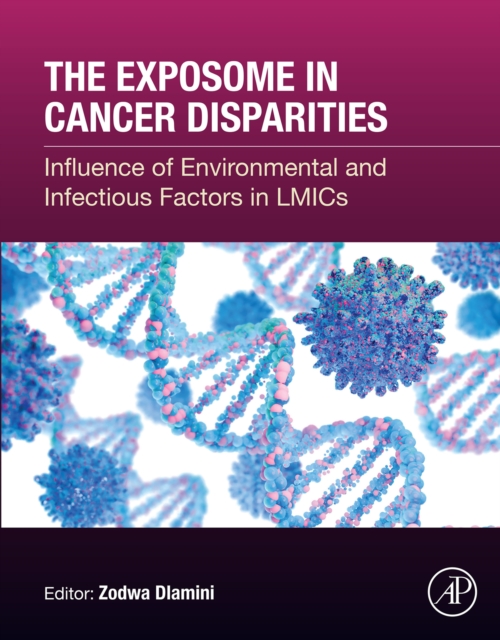
The Exposome in Cancer Disparities: Influence of Environmental and Infectious Factors in LMICs examines how environmental and infectious factors drive cancer inequities in low- and middle-income countries (LMICs).
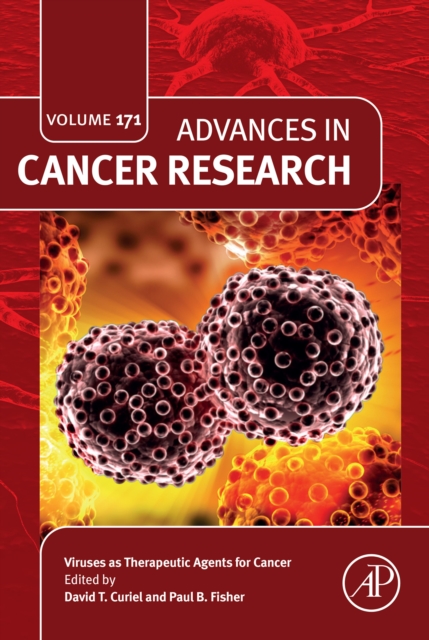
Viruses as Therapeutic Agents for Cancer, Volume 171 in the Advances in Cancer Research series, highlights new advances in the field, with this new volume presenting interesting chapters on a variety of timely topics, including Coxsackievirus virotherapy, Oncolytic reovirus, Cancer immunotherapy with oncolytic myxoma virus, Zika Virus as an Oncolytic Therapy, Nonreplicative adenoviral vectors for cancer, VSV Oncolytic Virotherapy, AAV vectors for cancer gene therapy, Adenovirus cancer vaccines, Advancing Clinical Translation of Oncolytic Adenoviruses, and Immunotherapuetic Cancer Terminator Viruses.
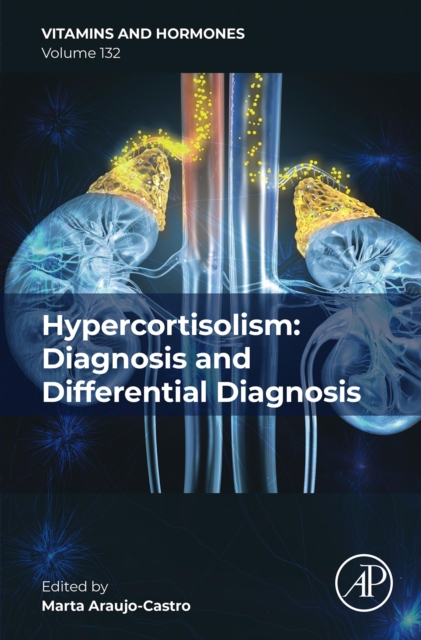
Hypercortisolism: Diagnosis and Differential Diagnosis, Volume 132 presents a comprehensive series of chapters focused on the various aspects of endogenous hypercortisolism as contributed by an international team of specialists in endocrinology.
Transposable Elements in Health and Disease, Volume 116 in the Advances in Genetics series, highlights new advances in the field, with this new volume presenting comprehensive chapters on a variety of timely topics.
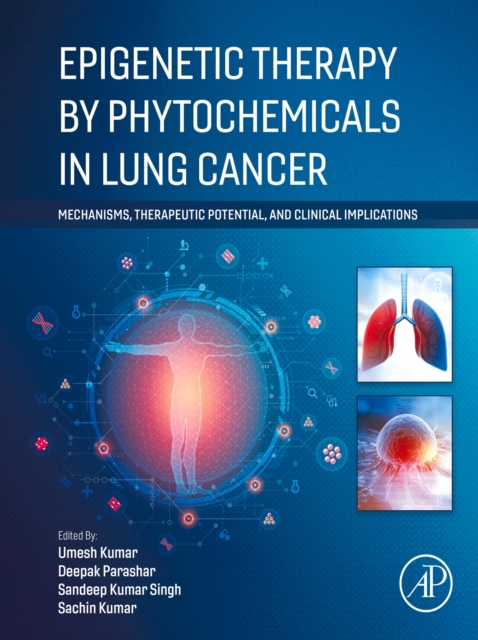
Epigenetic Therapy by Phytochemicals in Lung Cancer provides a comprehensive exploration of the intersection between cancer epigenetics and phytotherapy, focusing on lung cancer.
Cellular Communication in Development, Volume 169 provides a comprehensive overview of the intricate signaling pathways and molecular mechanisms that govern how cells communicate during the development of multicellular organisms.
This book offers a modern perspective on hazard and risk assessment in civil engineering, with special attention to sustainable infrastructure development.
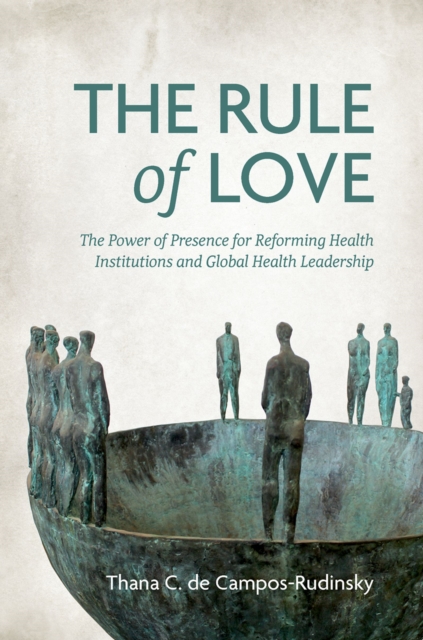
Where justice, with its emphasis on individual claim-rights, falls short of justifying our ethical responsibility to care for those suffering from illnesses that do not neatly qualify as unjust, love (agape) provides the missing moral foundation.
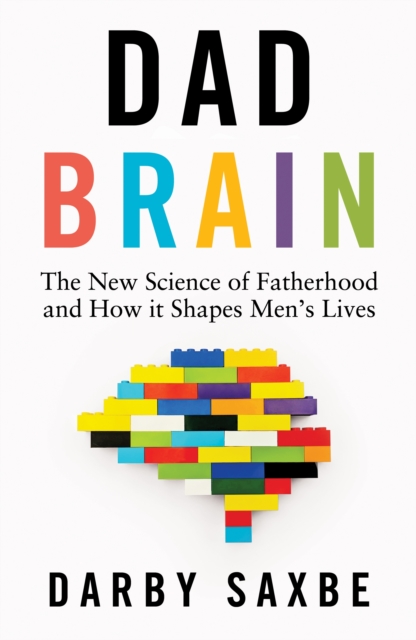
A groundbreaking exploration of how fatherhood transforms men s brains, bodies, health, skills and relationships - showing that men are wired to participate in care, just as women are.
Global forest management is now grappling with ways to address the many dimensions of global change, including a warming climate and increasing forest disturbance from fires and pest outbreaks, along with changes in public values.
The field of molecular and genomic evolution has been catalysed by the ever increasing availability of high throughput data such as transcriptome evolution, genotype-phenotype evolution, and genetic robustness.
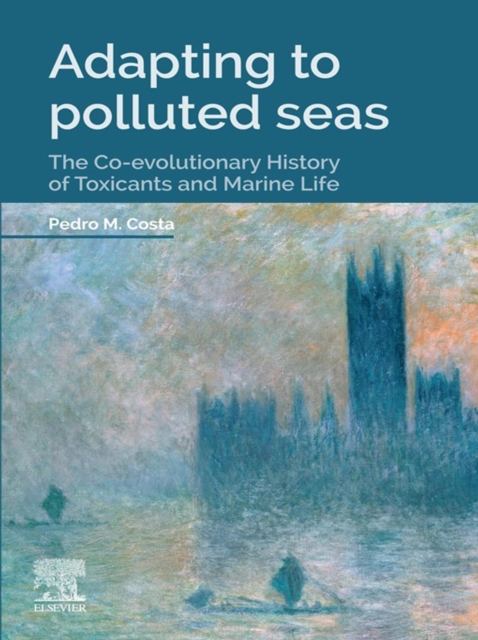
Adapting to Polluted Seas: The Co-evolutionary History of Toxicants and Marine Life presents an understanding of the effects pollution has on our seas and its ever-increasing threats and challenges.
This book is a Weekend Pocketbook on Everything You Should Know About the Dawn of Mankind, the story of how fragile primates became toolmakers, storytellers, farmers, and builders of civilization.
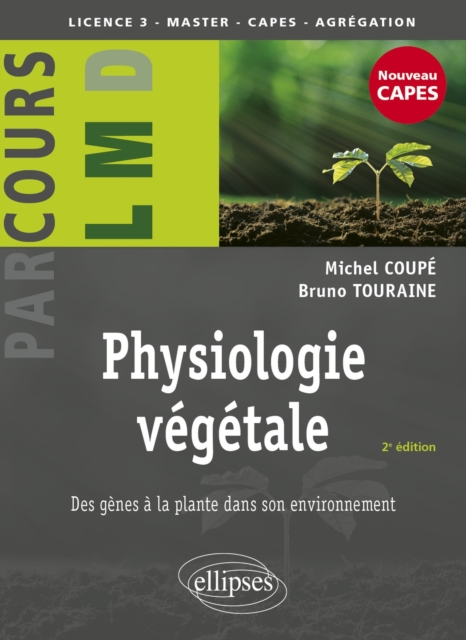
La physiologie vegetale decrit le fonctionnement des plantes sous tous ses aspects (anatomique, histologique, cytologique et moleculaire), a tous les niveaux (cellule, tissu, organe, organisme) et en relation avec son environnement.
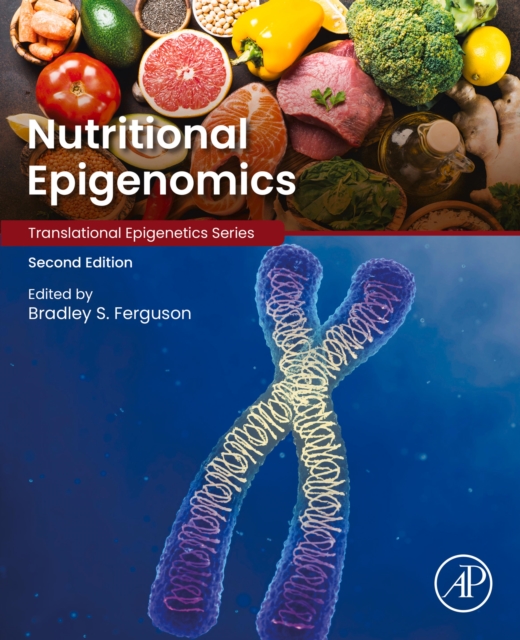
Nutritional Epigenomics, Second Edition, a volume in the Translational Epigenetics, offers a comprehensive overview of nutritional epigenomics as a mode of study, along with nutrition's role in the epigenomic regulation of disease, health, and developmental processes.
Fundamentals of Developmental Psychobiology: A Brief Account of an Interdisciplinary Science demonstrates how the science of Developmental Psychobiology (DBP) improves our understanding of non-human and human behavioral and psychological development, with consequences for better health care, animal husbandry, ecological conservation, and education.
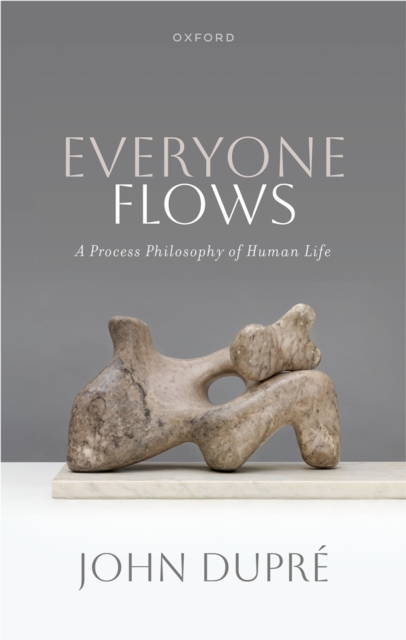
Everyone Flows starts with an ancient and fundamental philosophical question: whether we live in a world of things, stable, autonomous, and with sharp boundaries, or a world of processes in flux, in which stabilities are only transient and processes are inextricably intertwined with one another.
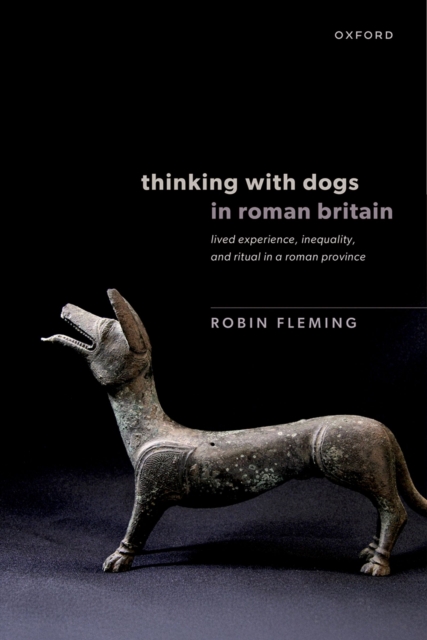
Thinking with Dogs in Roman Britain: Lived Experience, Inequality, and Ritual in a Roman Province argues that in Roman Britain, where little written evidence survives, some aspects of the past are more visible when we look not at people but instead focus on the dogs nipping at their heels.
Thinking with Dogs in Roman Britain: Lived Experience, Inequality, and Ritual in a Roman Province argues that in Roman Britain, where little written evidence survives, some aspects of the past are more visible when we look not at people but instead focus on the dogs nipping at their heels.