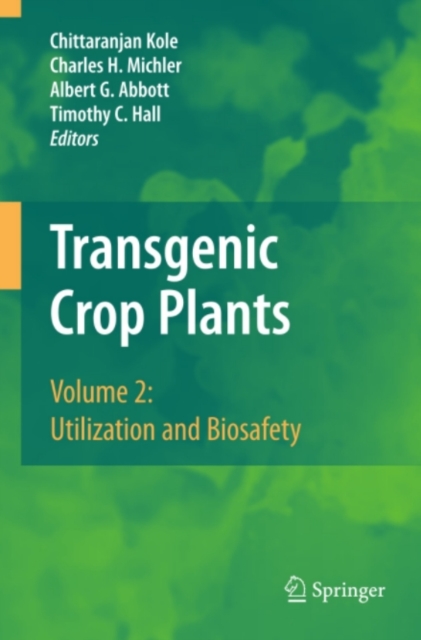
Development of transgenic crop plants, their utilization for improved agriculture, health, ecology and environment and their socio-political impacts are currently important fields in education, research and industries and also of interest to policy makers, social activists and regulatory and funding agencies.
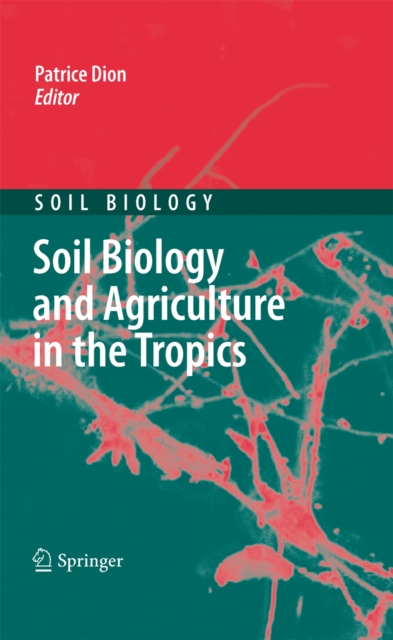
The relationships between soils, microbes and humans are of crucial relevance in the tropics, where plant stress and microbial activity are exacerbated.
"e;Mood Matters"e; makes the radical assertion that all social events ranging from fashions in music and art to the rise and fall of civilizations are biased by the attitudes a society holds toward the future.
The Heinz Nixdorf Museum Forum (HNF) is the world's largest c- puter museum and is dedicated to portraying the past, present and future of information technology.
Recent years have witnessed striking advances in research on axons at a cellular level that substantially impact our current understanding of axonal biology.
Since 1997, scientists of different disciplines sharing a deep interest in concepts and knowledge related to evolutionary biology have held the annual Evolutionary Biology Meetings in Marseille in order to discuss their research and promote collaboration.
Eine ernsthafte Diskussion über die Problematik des Klimawandels ist schwierig - vor allem wegen der wissenschaftlichen Unsicherheit über Ausmaß und Geschwindigkeit, aber ebenso wegen der Komplexität der Materie, die nur disziplinübergreifend erfolgversprechend bearbeitet werden kann.
In the common sense, migration is considered by many authors as a mechanism for avoiding unfavorable environments by moving to expectedly more auspicious locations at different times.
This book is the first comprehensive textbook at the graduate level encompassing all aspects that are associated with the emerging field of astrobiology.
"e;The Innermost Kernel"e; offers an insightful examination of the research and history of the physicist and Nobel Laureate Wolfgang Pauli and his interest in Jungian psychology, philosophy and western world-view.
Mammalian Toll-like receptors (TLRs) were first identified in 1997 based on their homology with Drosophila Toll, which mediates innate immunity in the fly.
The main message of this monograph is that the appearance of the mammalian brain with the ability to acquire drives ensured the development of social life, and eventually led to the evolution of the human society.
The goal of this transdisciplinary book is to identify the problems and challenges facing implementation of the Convention on Biological Diversity (CBD) - from the global, regional and local points of view.
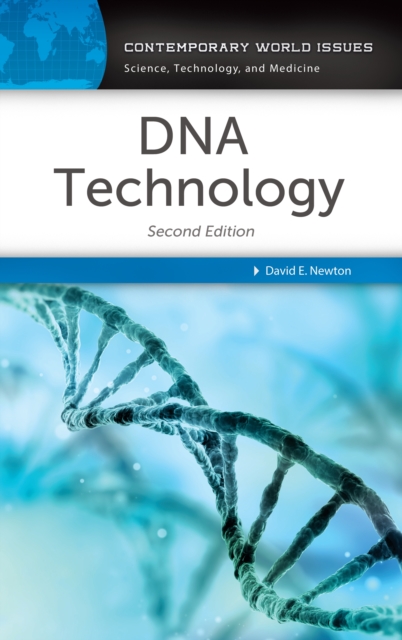
This accessibly written book introduces readers to DNA-one of the most important technologies for the manipulation of all forms of life, from simple bacteria to plants and animals.
The Sunday Times bestseller by David Attenborough, who marks his 100th birthday this year - a deeply personal account of his love of the natural world, and the devastating changes to it he's witnessed first hand.
The Heartbeat at Your Feet is the first book to reveal how you can fully understand and communicate with dogs, and how you can easily eliminate any behavior problems, based on new information about animal behavior.
Genetic testing has provided important clues to understanding our health, but it has also raised many ethical, legal, and medical questions and concerns.
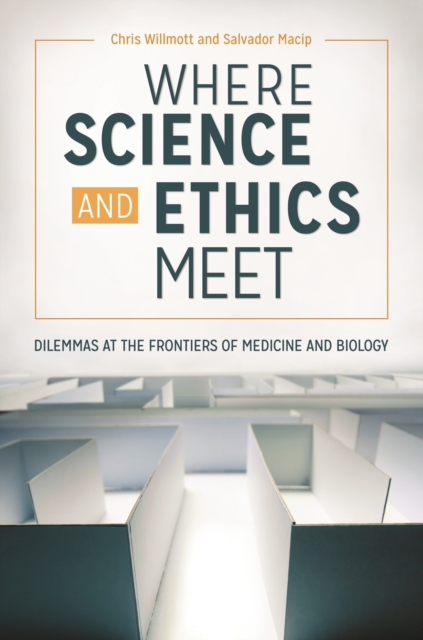
Through engaging case studies and clear explanations of the underlying science, this book makes the social impacts and ethical consequences of recent advances in biomedicine understandable for general readers.
This accessibly written book introduces readers to DNA-one of the most important technologies for the manipulation of all forms of life, from simple bacteria to plants and animals.
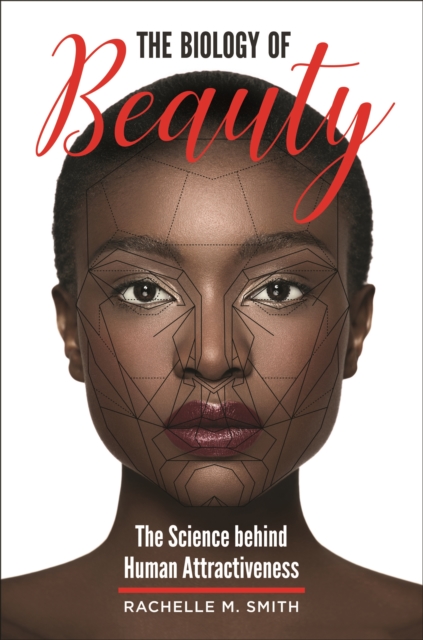
This thought-provoking book examines the science behind human attractiveness-the ratios, proportions, and other factors that to a large extent dictate what we find "e;beautiful.