This book presents a comprehensive overview of the molecular genetic mechanisms governing plant vegetative and reproductive development, focusing on findings in the past 10-15 years.
This book presents a comprehensive overview of the molecular genetic mechanisms governing plant vegetative and reproductive development, focusing on findings in the past 10-15 years.
Public and Environmental Health: Shaping Tomorrow for a Sustainable Future offers an in-depth exploration of the latest developments, strategies, and research in these intertwined fields, providing readers with a comprehensive understanding of how to improve health outcomes through innovative approaches and informed public policy.
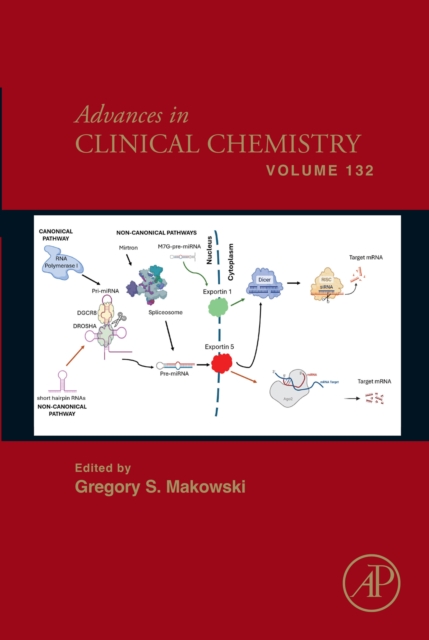
Advances in Clinical Chemistry, Volume 132 highlights new advances in the field, with this new volume presenting interesting chapters on a variety of topics, including MicroRNAs in Cardiovascular Disease, Salivary Biomarkers in Oral Diseases: From Caries to Cancer - Advances, Challenges, and Future Directions, Exercise Biomarkers, Glycoproteomics of Body Fluids and Derived Exosomes in Hepatocellular Carcinoma, Vitamin D in Health and Disease and Potential Shield Against COVID-19, and RNA Biomarkers in Hemorrhagic Stroke.
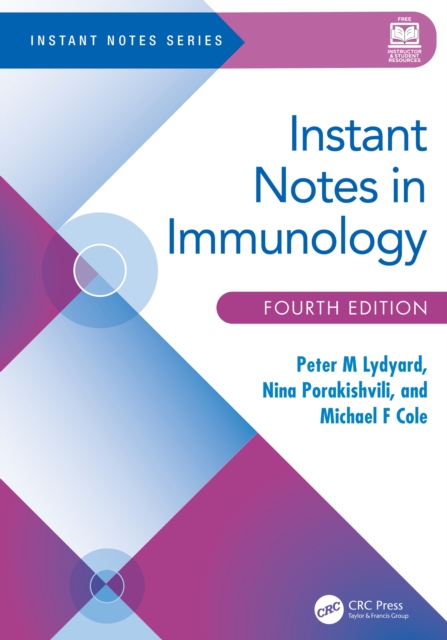
Instant Notes in Immunology, Fourth Edition, is the perfect text for science undergraduates and medical students looking for a concise introduction to the subject or a study guide to use before examinations.
This book presents advancements of artificial intelligence (AI)-based technologies and digital omics, highlighting their applications in developing sustainable healthcare and precision medicine for managing diverse cancers.
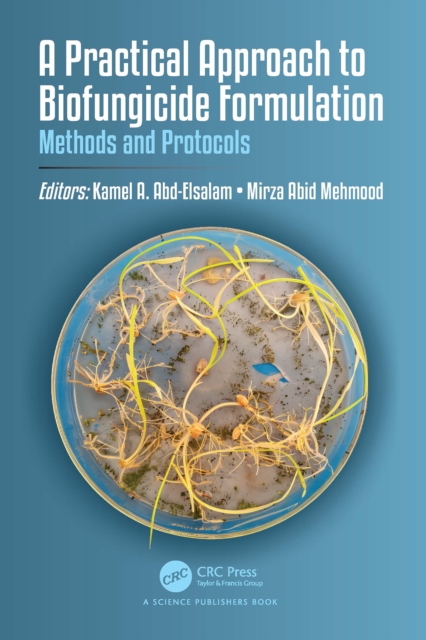
'A Practical Approach to Biofungicide Formulation: Methods and Protocols' is a book that provides a comprehensive guide to the development of biofungicides.
This book presents advancements of artificial intelligence (AI)-based technologies and digital omics, highlighting their applications in developing sustainable healthcare and precision medicine for managing diverse cancers.
In the rapidly evolving landscape of healthcare, the fusion of technology with pharmaceutical and medical sciences has heralded a new era of innovation and progress.
Understanding the Brain: A Short Guide tackles some of the most profound questions about what it means to be human, exploring the origins of consciousness, the development of language, and the future of brain research.
This book presents insights from the International Conference on Climate Change Mitigation and Environmental Amelioration through Plants and Other Sustainable Practices.
This book presents insights from the International Conference on Climate Change Mitigation and Environmental Amelioration through Plants and Other Sustainable Practices.
In the rapidly evolving landscape of healthcare, the fusion of technology with pharmaceutical and medical sciences has heralded a new era of innovation and progress.
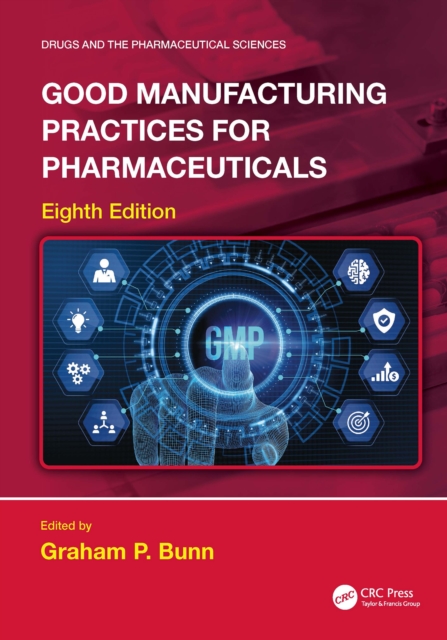
This book provides insight into the world of pharmaceutical quality systems and the key elements that must be in place to change the business and organizational dynamics from task-oriented procedure-based cultures to truly integrated quality business systems that are self-detecting and correcting.
Instant Notes in Immunology, Fourth Edition, is the perfect text for science undergraduates and medical students looking for a concise introduction to the subject or a study guide to use before examinations.
'A Practical Approach to Biofungicide Formulation: Methods and Protocols' is a book that provides a comprehensive guide to the development of biofungicides.
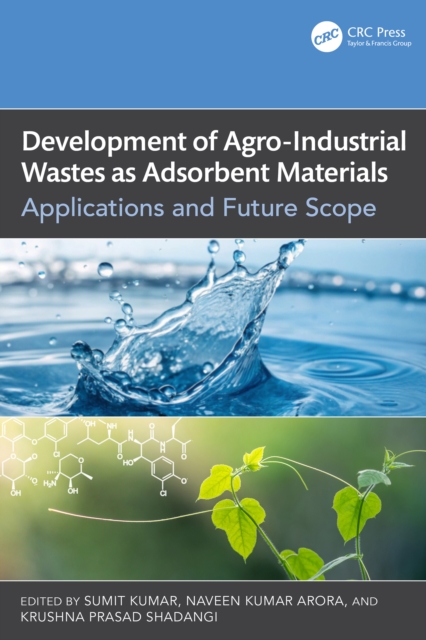
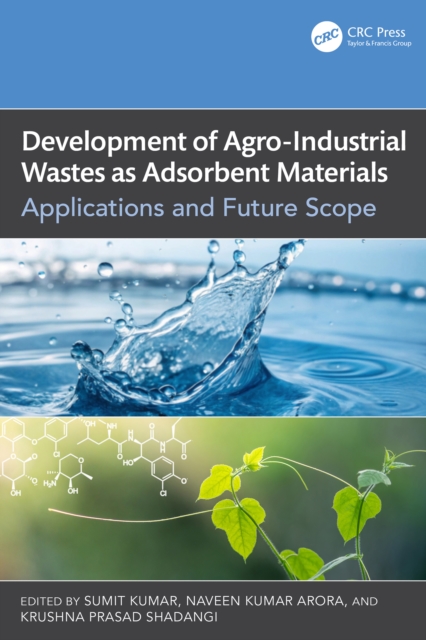
This book examines advanced processing methodologies and innovative technologies for converting agricultural wastes and biomass into highly efficient biosorbent and adsorbent materials designed for environmental hazard remediation through cutting-edge and emerging technological approaches.
This book examines advanced processing methodologies and innovative technologies for converting agricultural wastes and biomass into highly efficient biosorbent and adsorbent materials designed for environmental hazard remediation through cutting-edge and emerging technological approaches.
This book provides insight into the world of pharmaceutical quality systems and the key elements that must be in place to change the business and organizational dynamics from task-oriented procedure-based cultures to truly integrated quality business systems that are self-detecting and correcting.
The book brings together philosophy, ecoculture and political ecology in a creative, critical and timely manner to outline how one might live sacrally with the living earth.
The book brings together philosophy, ecoculture and political ecology in a creative, critical and timely manner to outline how one might live sacrally with the living earth.
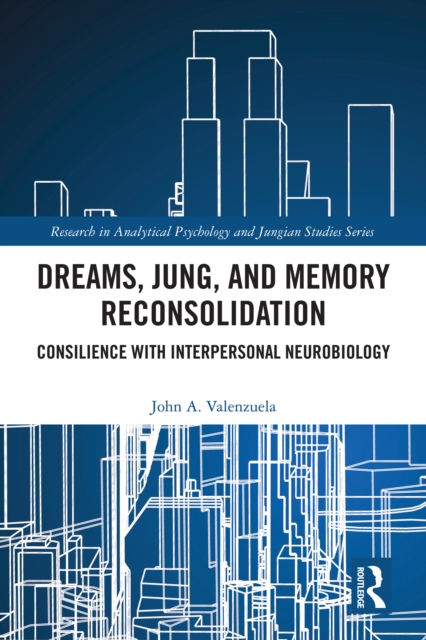
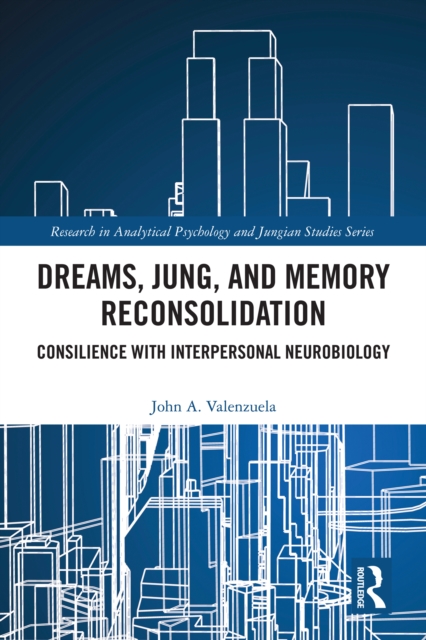
Addressing the intersection between analytical psychology and neuroscience, this book applies the science of memory reconsolidation to Jungian methods of dream interpretation to reexamine Carl Jung's vision of archetypes and the collective unconscious.
Addressing the intersection between analytical psychology and neuroscience, this book applies the science of memory reconsolidation to Jungian methods of dream interpretation to reexamine Carl Jung's vision of archetypes and the collective unconscious.
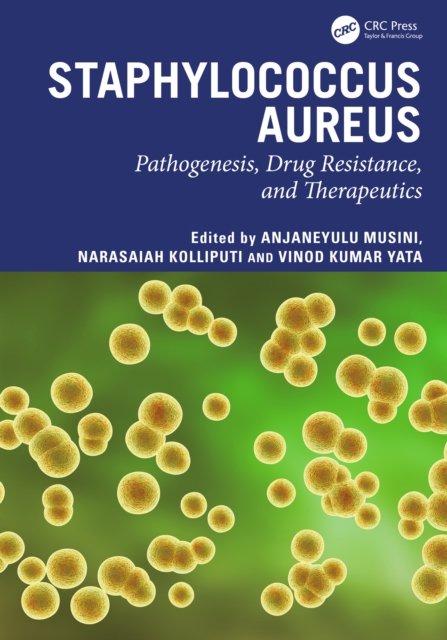
This book presents a comprehensive overview of intricate mechanisms of virulence, antimicrobial resistance, immune evasion, and biofilm formation of Staphylococcus aureus.
Equip yourself to preempt the next global health disaster by mastering the cutting-edge molecular insights and One Health frameworks essential for decoding norovirus s genetic complexity and pandemic potential.
Scientific advances in the biological and chemical sciences can offer significant benefits to humanity, but these discoveries may also lead to the proliferation of novel classes of weapons and new uses for them.
Electrochemical Insights into Bioinorganic Systems is a groundbreaking exploration of the dynamic intersection between electrochemistry, biology, and inorganic chemistry.
Electrochemical Insights into Bioinorganic Systems is a groundbreaking exploration of the dynamic intersection between electrochemistry, biology, and inorganic chemistry.