This book of general analytical chemistry - as opposed to instrumental analysis or separation methods - in aqueous solutions is focuses on fundamentals, which is an area too often overlooked in the literature.
The inspiration for this text was the 1988 volume by Alder and Zbinden, written before the ICH harmonization process for drug safety evaluation (or its ISO analog for device biocompatibility evaluation) had been initiated or come to force.
This book aims to cover the knowledge of protein folding accumulated from studies of disulfide-containing proteins, including methodologies, folding pathways, and folding mechanism of numerous extensively characterized disulfide proteins.
Molecular Defects in Cardiovascular Disease provides an in-depth discussion of the molecular mechanisms underlying the genesis of cardiovascular defects and the implications this has on current and emerging targeted therapeutics.
Biomaterials for Clinical Applications is organized according to the World Health Organization's report of the top 11 causes of death worldwide, and lays out opportunities for both biomaterials scientists and physicians to tackle each of these leading contributors to mortality.
Post-translational modifications serve many different purposes in several cellular processes such as gene expression, protein folding and transport to appropriate cell compartment, protein-lipid and protein-protein interactions, enzyme regulation, signal transduction, cell proliferation and differentiation, protein stability, recycling and degradation.
Muscle contraction has been the focus of scientific investigation for more than two centuries, and major discoveries have changed the field over the years.
Germination of the thought of "e;Enzymatic- and Transporter-Based Drug-Drug Interactions: Progress and Future Challenges"e; Proceedings came about as part of the annual meeting of The American Association of Pharmaceutical Scientists (AAPS) that was held in San Diego in November of 2007.
Personalized medicine, which simply means selection of treatment best suited for an individual, involves integration and translation of several new technologies in clinical care of patients.
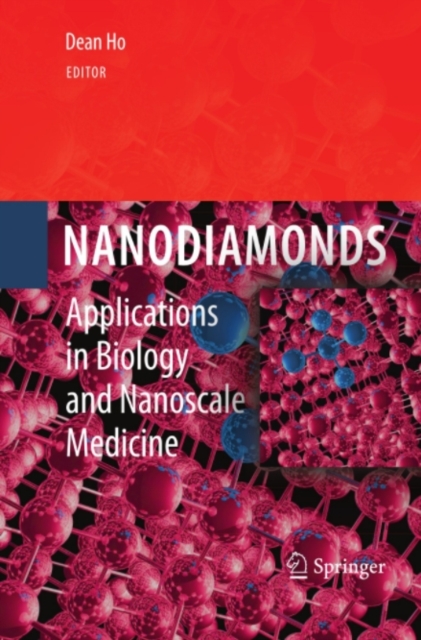
Nanodiamonds: Applications in Biology and Nanoscale Medicine highlights the translation of nanodiamonds toward clinical relevance and medical applications.
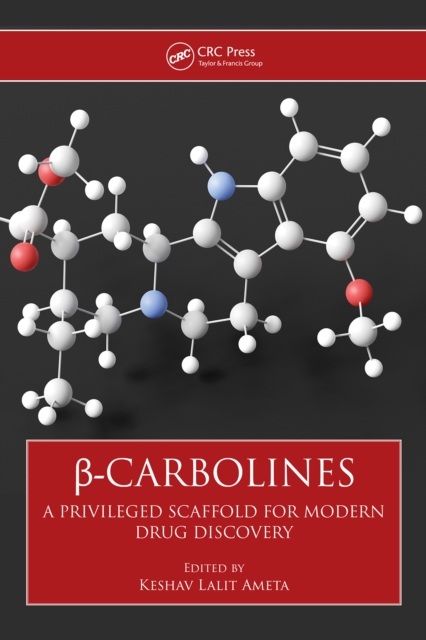
-Carbolines: A Privileged Scaffold for Modern Drug Discovery provides a summary of methods for the synthesis of various natural products engineered with the diverse -carboline scaffold and their biological evaluation.
The first edition of Bioactive Compounds from Natural Sources was published in a period of renewed attention to biologically active compounds of natural origin.
Natural products chemistry-the chemistry of metabolite products of plants, animals and microorganisms-is involved in the investigation of biological phenomena ranging from drug mechanisms to gametophytes and receptors and drug metabolism in the human body to protein and enzyme chemistry.
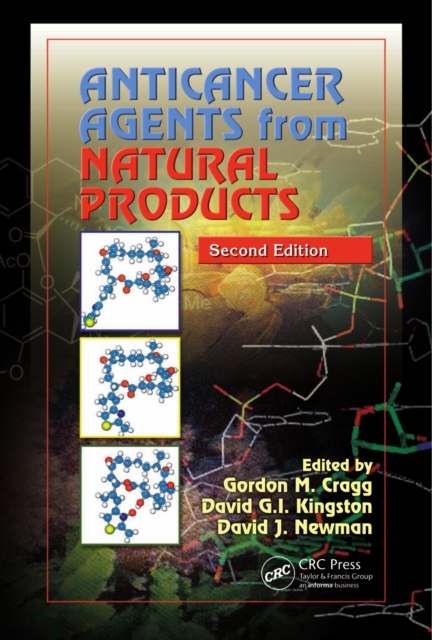
While drug therapies developed in the last 80 years have markedly improved treatment outcomes and the management of some types of cancers, the lack of effectiveness and side effects associated with the most common treatment types remain unacceptable.
Although the genomic era is no longer in its infancy, the life sciences are still facing questions about the role of endogenous proteins and peptides in homeostasis and pathologies.
With a DVD of color figures, Clustering in Bioinformatics and Drug Discovery provides an expert guide on extracting the most pertinent information from pharmaceutical and biomedical data.
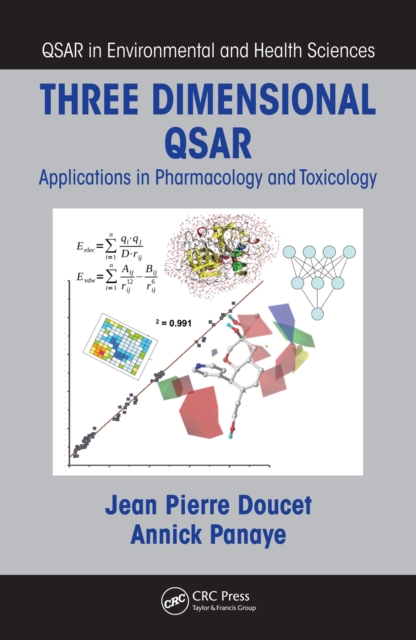
As a result of new statistical and mathematical approaches, improved visualization tools, and recognition by international regulatory groups, quantitative structure-activity relationships (QSARs) now play important roles in pharmacology for the design of new drugs as well as in toxicology and ecotoxicology for hazard identification and risk assessm
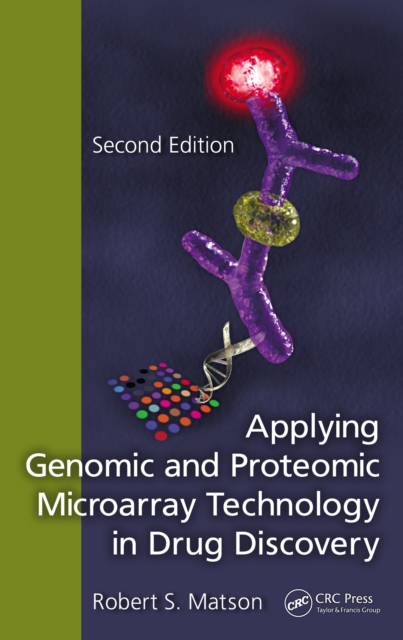
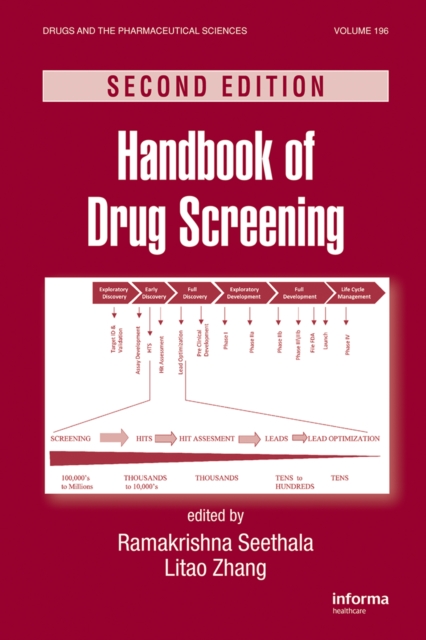
Building upon the foundation of basics discussed in the previous edition, the Second Edition provides a more in-depth look at the latest methods and technologies of advanced drug screening, an essential function of drug discovery.
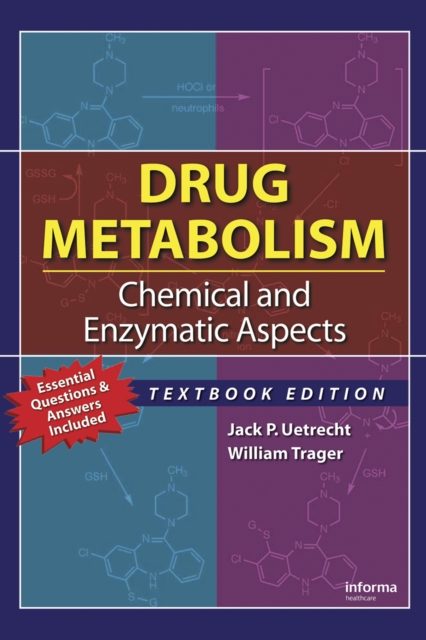
In order to understand drug metabolism at its most fundamental level, pharmaceutical scientists must be able to analyze drug compound structures and predict possible metabolic pathways in order to avoid the risk of adverse reactions that lead to the withdrawal of a drug from the market.
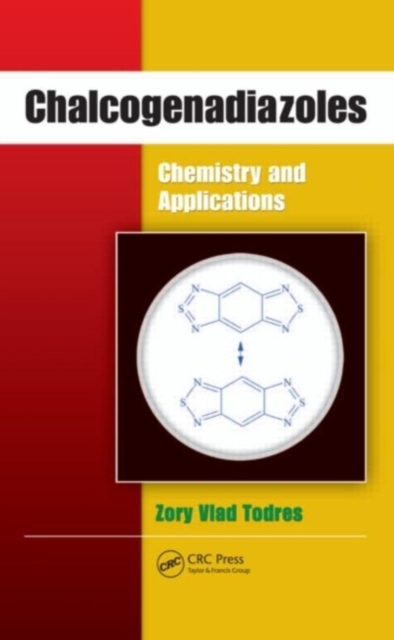
A timely and authoritative treatise on the chemistry and diverse applications of chalcogenadiazoles- the five-membered rings containing two carbons, two nitrogens, and one chalcogen (an member of group 16, the oxygen family).
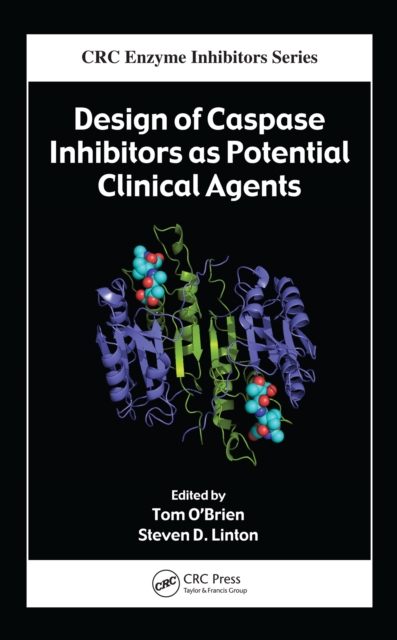
Presents the Therapeutic Potential for Caspase Inhibitors: Present and FutureCaspases represent one of the most specific protease families described to date.
Advances in pharmacogenomics and proteomics, along with the introduction of recombinant DNA technology, have expanded the applications of pharmacology to encompass a range of disciplines.
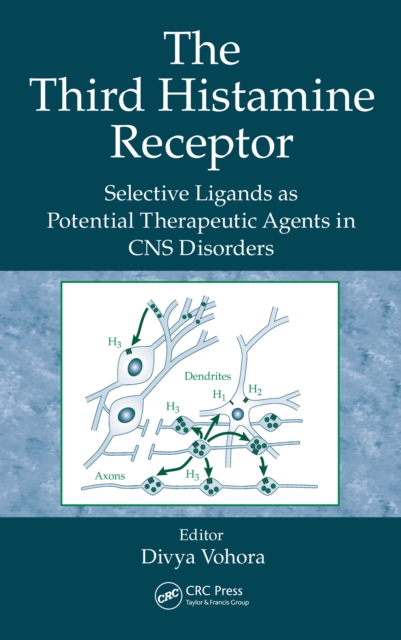
Reveals an Emerging Avenue of Potential Treatments for a Host of Challenging Diseases and DisordersThe H3 receptor is known to play a major role in a range of CNS disorders, including those affecting cognitive functions such as ADHD and Alzheimer's disease, as well as sleep disorders, obesity, epilepsy, schizophrenia, depression, and neurodege
This title demonstrates how advanced formulation designs and delivery technologies can be used to improve drug efficacy and treatment outcomes in particular therapeutic categories or disease states.
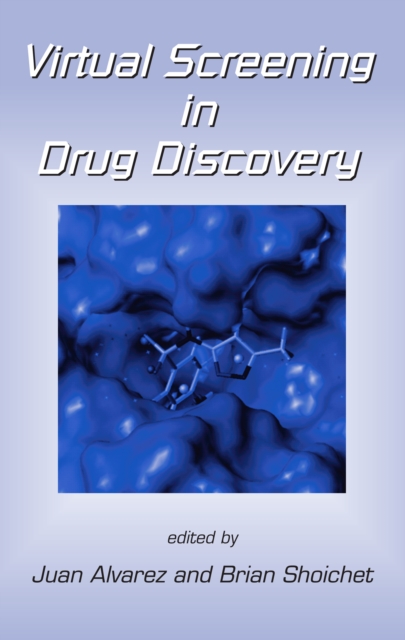
Virtual screening can reduce costs and increase hit rates for lead discovery by eliminating the need for robotics, reagent acquisition or production, and compound storage facilities.
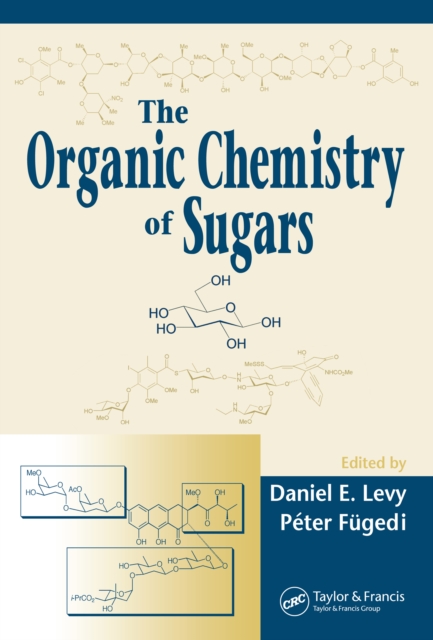
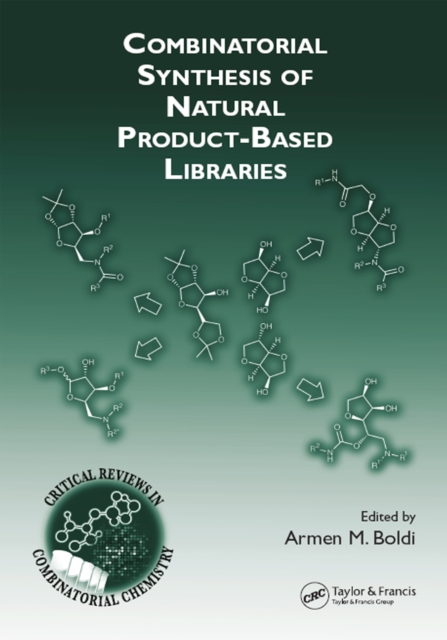
Intrigued as much by its complex nature as by its outsider status in traditional organic chemistry, the editors of The Organic Chemistry of Sugars compile a groundbreaking resource in carbohydrate chemistry that illustrates the ease at which sugars can be manipulated in a variety of organic reactions.
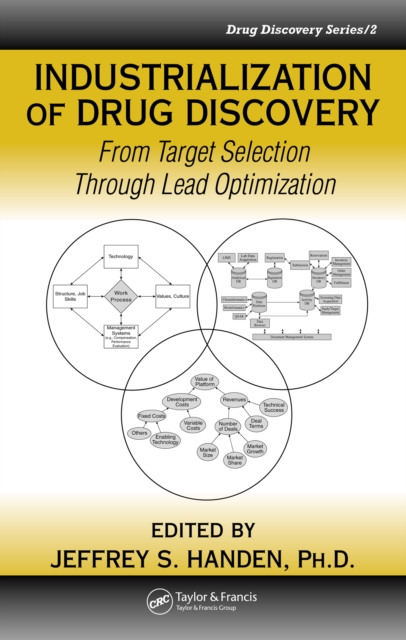
An ever-increasing demand for better drugs, elevated safety standards, and economic considerations have all led to a dramatic paradigm shift in the way that drugs are being discovered and developed.
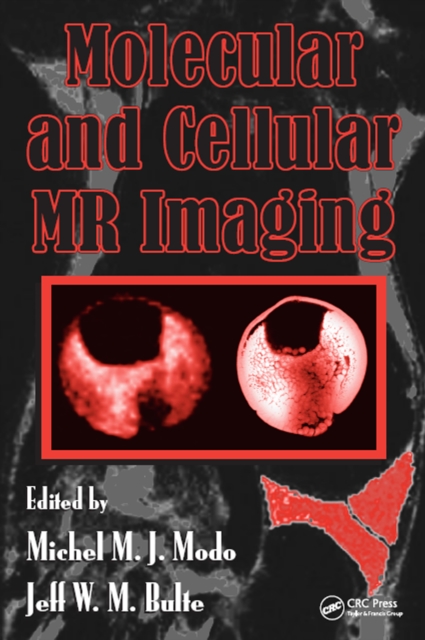
The ability of molecular and cellular imaging to track the survival, migration, and differentiation of cells in vivo as well as monitor particular gene expression in living subjects is rapidly moving from the research laboratory into daily clinical settings.
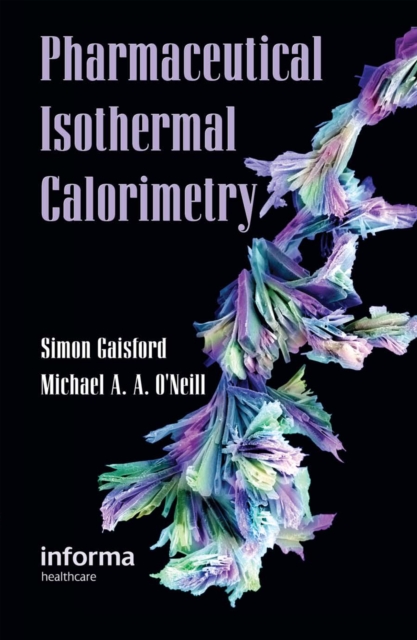
Pharmaceutical Isothermal Calorimetry discusses the application of isothermal calorimetric techniques to challenges encountered during the rational design and development of novel drugs and drug delivery systems.
The costs associated with a drug's clinical trials are so significant that it has become necessary to validate both its safety and efficacy in animal models prior to the continued study of the drug in humans.
A Single Source on Parallel Synthesis for Lead OptimizationThe end of the previous millennium saw an explosion in the application of parallel synthesis techniques for making compounds for high-throughput screening.
Furthering efforts to simulate the potency and specificity exhibited by peptides and proteins in healthy cells, this remarkable reference supplies pharmaceutical scientists with a wealth of techniques for tapping the enormous therapeutic potential of these molecules-providing a solid basis of knowledge for new drug design.