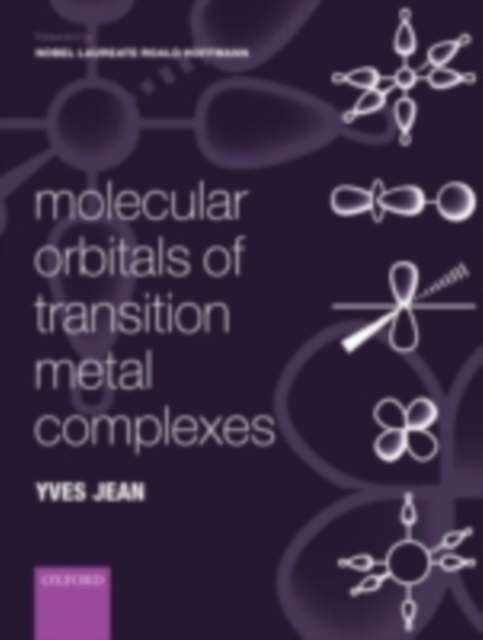
This book starts with the most elementary ideas of molecular orbital theory and leads the reader progressively to an understanding of the electronic structure, geometry and, in some cases, reactivity of transition metal complexes.
This book contains authoritative reviews regarding the field of Organometallic Chemistry, written by highly qualified experts within the area, and reviewed by other experts before publication.
Almost all branches of chemistry and material science now interface with organometallic chemistry--the study of compounds containing carbon-metal bonds.
Almost all branches of chemistry and material science now interface with organometallic chemistry--the study of compounds containing carbon-metal bonds.
The Elements of Polymer Science and Engineering, Third Edition, is a textbook for one- or two-semester introductory courses in polymer science and engineering taught primarily to senior undergraduate and first-year graduate students in a variety of disciplines, but primarily chemical engineering and materials science.
Almost all branches of chemistry and material science now interface with organometallic chemistry--the study of compounds containing carbon-metal bonds.
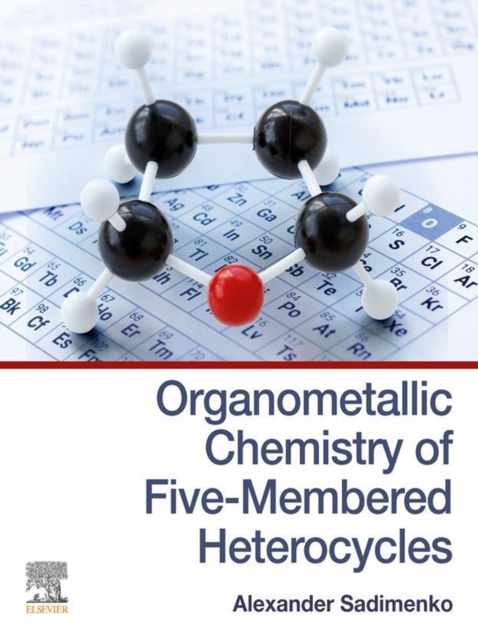
Organometallic Chemistry of Five-Membered Heterocycles explores the synthesis, coordination modes, reactivity of coordinated five-membered monoheterocycles, and organometallic complexes of their numerous derivatives, including chelating ligands, oligomers, and macrocycles.
The Elements of Polymer Science and Engineering, Third Edition, is a textbook for one- or two-semester introductory courses in polymer science and engineering taught primarily to senior undergraduate and first-year graduate students in a variety of disciplines, but primarily chemical engineering and materials science.
Almost all branches of chemistry and material science now interface with organometallic chemistry--the study of compounds containing carbon-metal bonds.
Almost all branches of chemistry and material science now interface with organometallic chemistry--the study of compounds containing carbon-metal bonds.
Organometallic compounds are utilized as reagents in the preparation and processing of advanced nanostructured materials, as catalysts in the production of a wide variety of specialty chemicals and polymers, and as drugs.
A widely-acclaimed serial, Advances in Organometallic Chemistry contains authoritative reviews that address all aspects of organometallic chemistry, a field which has expanded enormously since the publication of Volume 1 in 1964.
This book is an essential reference work for the academic and industrial chemists and will provide up-to-date material at the cutting edge of chemistry research.
This widely-acclaimed serial contains authoritative reviews that address all aspects of organometallic chemistry, a field which has expanded enormously since the publication of Volume 1 in 1964.
This widely-acclaimed serial contains authoritative reviews that address all aspects of organometallic chemistry, a field which has expanded enormously since the publication of Volume 1 in 1964.
This widely acclaimed serial contains authoritative reviews that address all aspects of organometallic chemistry, a field which has expanded enormously since the publication of Volume 1 in 1964.
This widely acclaimed serial contains authoritative reviews that address all aspects of organometallic chemistry, a field which has expanded enormously since the publication of Volume 1 in 1964.
This widely acclaimed serial contains authoritative reviews that address all aspects of organometallic chemistry, a field which has expanded enormously since the publication of Volume 1 in 1964.
This widely acclaimed serial contains authoritative reviews that address all aspects of organometallic chemistry, a field which has expanded enormously since the publication of Volume 1 in 1964.
Almost all branches of chemistry and material science now interface with organometallic chemistry - the study of compounds containing carbon-metal bonds.
This collection presents papers from a symposium on extraction of rare metals as well as rare extraction processing techniques used in metal production.
Almost all branches of chemistry and material science now interface with organometallic chemistry - the study of compounds containing carbon-metal bonds.
Designed for easy use by both beginning and experienced protein crystallographers, the second edition of Practical Protein Crystallography is an essential handbook for any scientist interested in solving a protein structure.
Almost all branches of chemistry and material science now interface with organometallic chemistry - the study of compounds containing carbon-metal bonds.
In previous volumes in this series, Advances in Metal and Semiconductor Clusters, the focus has been on atomic clusters of metals, semiconductors and carbon.
Almost all branches of chemistry and material science now interface with organometallic chemistry - the study of compounds containing carbon-metal bonds.
This widely-acclaimed serial contains authoritative reviews that address all aspects of organometallic chemistry, a field which has expanded enormously since the publication of Volume 1 in 1964.
Almost all branches of chemistry and material science now interface with organometallic chemistry - the study of compounds containing carbon-metal bonds.
Almost all branches of chemistry and material science now interface with organometallic chemistry-the study of compounds containing carbon-metal bonds.
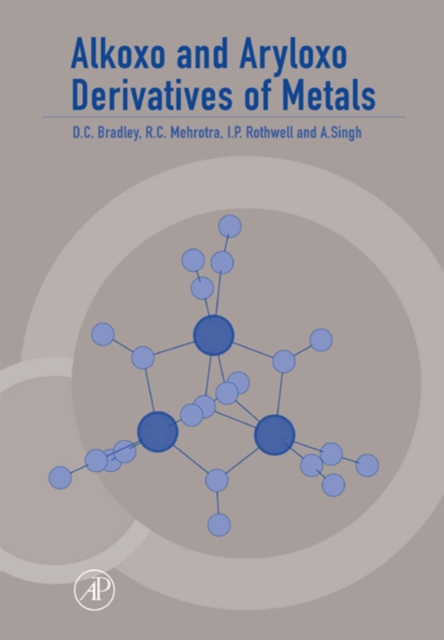
Alkoxo and Aryloxo Derivatives of Metals gives a comprehensive account of the chemistry of metal alkoxides and metal aryloxides, including their industrial applications such as microelectronics, ceramics, nonlinear optical materials, high-temperature superconductors, specialized glasses, and other advanced novel materials.
Polyolefins are the most widely used commercial polymers and their functionalization has been a long standing scientific challenge and an industrially important area.
Almost all branches of chemistry and material science now interface with organometallic chemistry - the study of compounds containing carbon-metal bonds.
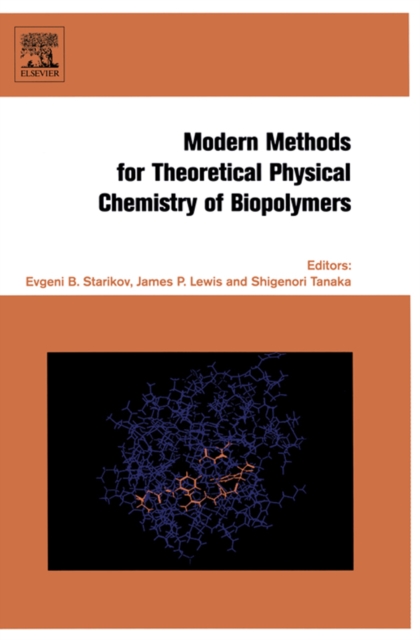
Modern Methods for Theoretical Physical Chemistry of Biopolymers provides an interesting selection of contributions from an international team of researchers in theoretical chemistry.
Almost all branches of chemistry and material science now interface with organometallic chemistry - the study of compounds containing carbon-metal bonds.
Almost all branches of chemistry and material science now interface with organometallic chemistry - the study of compounds containing carbon-metal bonds.