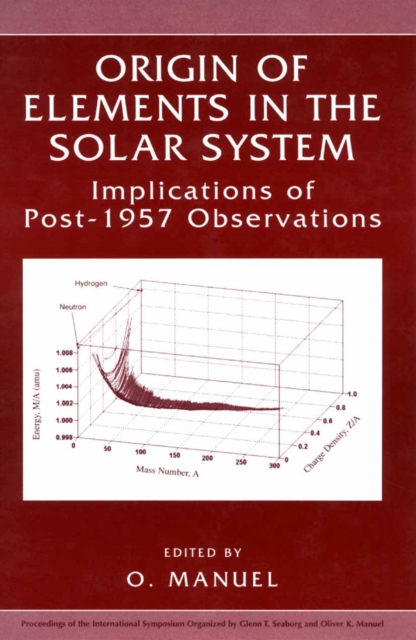
Based on an American Chemical Society Symposium organized by Professors Glenn Seaborg and Oliver Manuel, this volume provides a comprehensive record of different views on this important subject at the end of the 20th century.
The Cold War reconsidered as a limited nuclear war "e;Inexorable clarity and care for his fellow humans mark Robert Jacobs's guide to the Cold War as a limited nuclear war, whose harms disfigure any possible future.
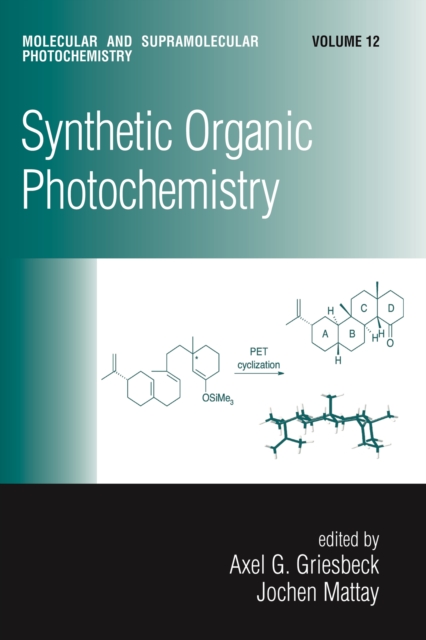
With contributions from 24 international authorities, Synthetic Organic Photochemistry offers a leading-edge presentation of the most recent and in-demand applications of photochemical methodologies.
Eleven planetary atmospheres are included for detailed study in this reference/text, four for the giant planets (Jupiter, Saturn, Uranus, and Neptune), four for the small bodies (Io, Titan, Triton, and Pluto), and three for the terrestrial planets (Mars, Venus, and Earth).
Radiochemistry or nuclear chemistry is the study of radiation from an atomic and molecular perspective, including elemental transformation and reaction effects, as well as physical, health and medical properties.
This book reflects the heights of knowledge of ultrafast chemical processes attained in these early years of the 21st century : the latest research in femtosecond and picosecond molecular processes in Chemistry and Biology, carried out around the world, is described here in more than 110 articles.