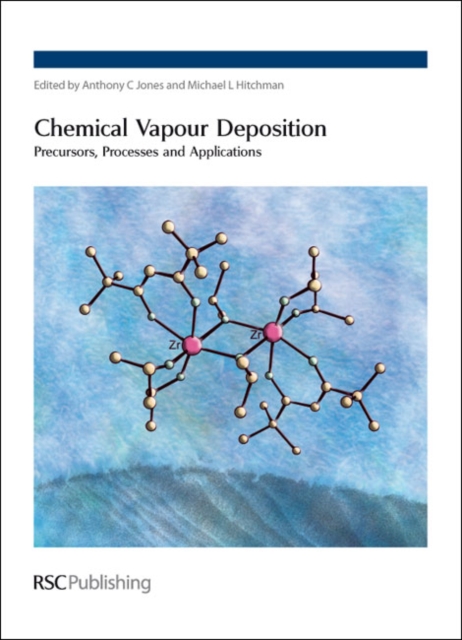
Chemical Vapour Deposition (CVD) involves the deposition of thin solid films from chemical precursors in the vapour phase, and encompasses a variety of deposition techniques, including a range of thermal processes, plasma enhanced CVD (PECVD), photon- initiated CVD, and atomic layer deposition (ALD).
Powder diffraction is a widely used scientific technique in the characterization of materials with broad application in materials science, chemistry, physics, geology, pharmacology and archaeology.
Protein folding and aggregation is the process by which newly synthesized proteins fold into the specific three-dimensional structures defining their biologically active states.
Vibrationally Mediated Photodissociation (VMP) deals with the influence of vibrational excitation of the ground electronic state of a molecule on its dissociation following excitation of this state to a higher electronic state.
Rheology is primarily concerned with materials: scientific, engineering and everyday products whose mechanical behaviour cannot be described using classical theories.
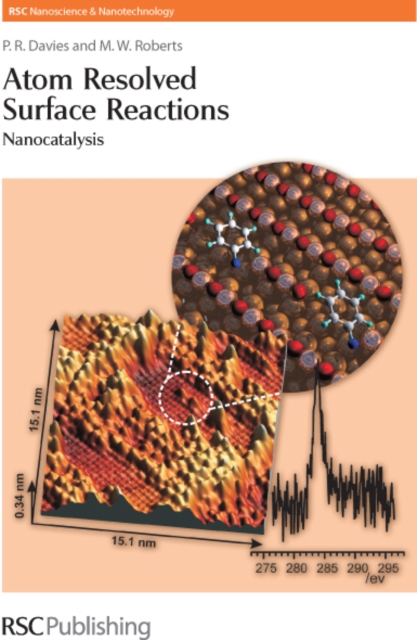
This book offers a unique perspective of the impact of scanning probe microscopes on our understanding of the chemistry of the surface at the nanoscale.
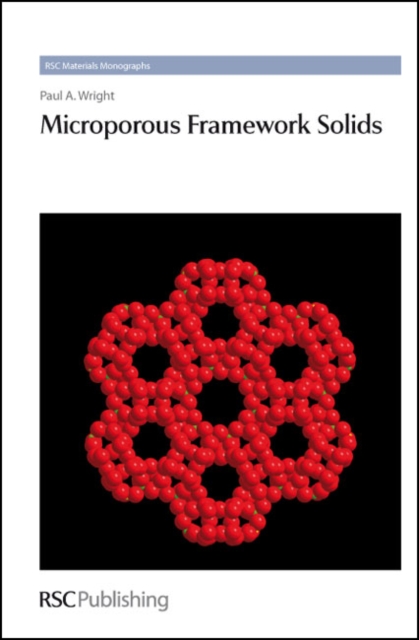
The field of microporous solids in solid state chemistry has seen a huge expansion over the last decades with new developments in a diverse range of directions and applications.
In an era of global warming knowledge of the effects of solar radiation on humans is of great importance and the latest discoveries in environmental photobiology are presented in this book.
This book provides an overview of fundamental concepts of asymmetric synthesis highlighting the significance of stereochemical and stereodynamic reaction control.
The first IUPAC Manual of Symbols and Terminology for Physicochemical Quantities and Units (the Green Book) of which this is the direct successor, was published in 1969, with the object of 'securing clarity and precision, and wider agreement in the use of symbols, by chemists in different countries, among physicists, chemists and engineers, and by editors of scientific journals'.
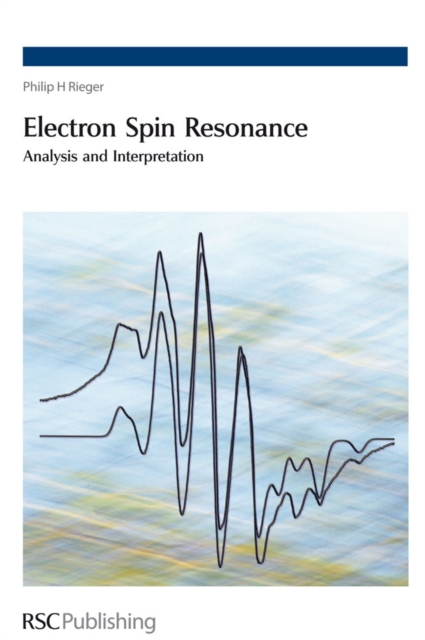
This book describes in mathematical terms the extraction of useful information from ESR spectra as applied to paramagnetic organic, inorganic and organometalic molecules.
Environmental Radiochemical Analysis III is an authoritative, up to date review of research contributions presented at the 10th International Symposium on Environmental Radiochemical Analysis.
Food structure at the molecular level and how it impacts on health, taste, texture and shelf life is becoming an increasingly important area of science.
Food Colloids: Interactions, Microstructure and Processing describes the principles and practice underlying the formulation of food emulsions, dispersions, gels, and foams.
Batteries are becoming increasingly important in today's world of portable electronic devices, along with the need to store electricity derived from solar and other renewable forms of energy, and the desire to introduce electric and hybrid electric vehicles to reduce emissions.
Sulfur compounds contaminate many industrially important feedstocks and, on release to the atmosphere as sulfur oxides, can cause widespread damage to the ecosystem.
The need to improve both the efficiency and environmental acceptability of industrial processes is driving the development of heterogeneous catalysts across the chemical industry, including commodity, specialty and fine chemicals and in pharmaceuticals and agrochemicals.
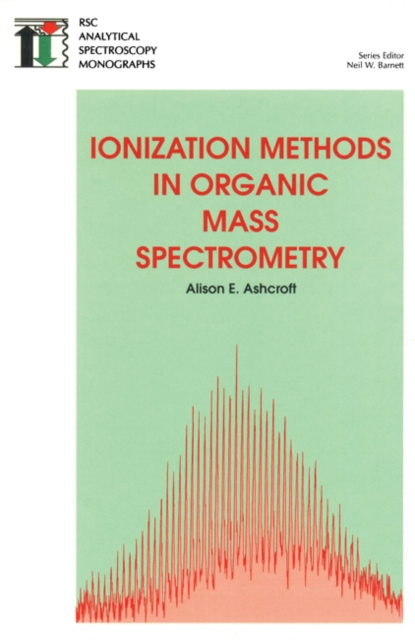
Ionization Methods in Organic Mass Spectrometry is a basic practical guide for scientists of all disciplines who wish to analyse samples by organic mass spectrometry.
The breadth and depth of knowledge of gums and stabilisers has increased tremendously over the last two decades, with researchers in industry and academia collaborating to accelerate the growth.
Introducing the application of free energy correlations to elucidating the mechanisms of organic and bio-organic reactions, this book provides a new and illuminating way of approaching a potentially complex topic.
Food macromolecules play a crucial role in the formulation of a wide range of food products such as beverages, bread, cheese, dressings, desserts, ice-cream, and spreads.
Food Colloids: Fundamentals of Formulation describes the physico-chemical principles underlying the formulation of multi-component, multi-phase food systems.
Food scientists aim to control the taste and texture of existing food products and to formulate new structures of high quality using novel combinations of ingredients and processing methods.