Fatimas Auge und das Unsichtbare führt den Leser auf eine faszinierende Reise durch Geschichte, Religion und Kultur – auf der Spur eines uralten Phänomens: dem Bösen Blick.
Annual Reports on NMR Spectroscopy, Volume 100, is a premier resource for both specialists and non-specialists who are looking to become familiar with new techniques and applications in NMR spectroscopy.
This textbook highlights the fundamentals, applications and research frontiers of the civil-use non-power nuclear technology, especially the radioisotopes and radiation technology.
Contemporary optics is the foundation of many of today's technologies including various focusing and defocusing devices, microscopies and imaging techniques.
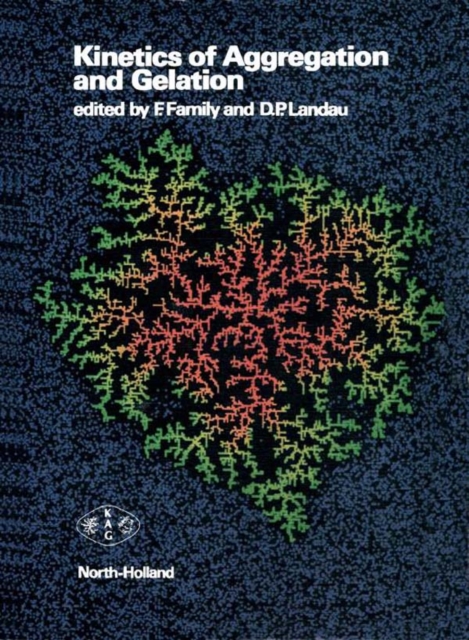
Kinetics of Aggregation and Gelation presents the proceedings of the International Topical Conference on Kinetics of Aggregation and Gelation held on April 2-4, 1984 in Athens, Georgia.
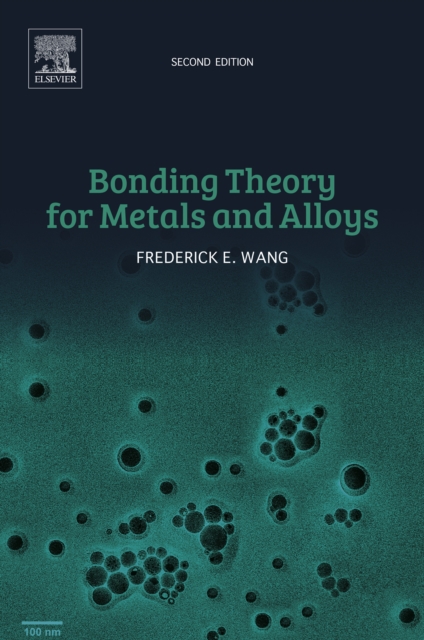
Bonding Theory for Metals and Alloys, 2e builds on the success of the first edition by introducing new experimental data to each chapter that support the breakthrough "e;Covalon"e; Conduction Theory developed by Dr.
The second edition of Nanochemistry covers the main studies of nanoparticle production, reactions, and compounds, and reviews the work of leading scientists from around the world.
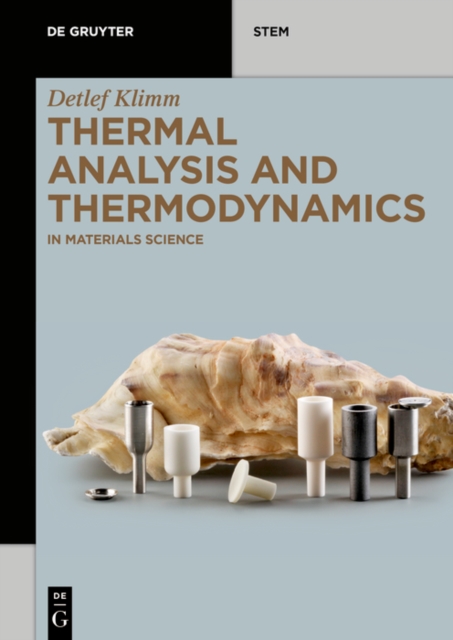
This introduction to thermodynamics discusses typical phase diagrams features and presents the wide range of techniques such as Differential Scanning Calorimetry, Thermogravimetry and others.
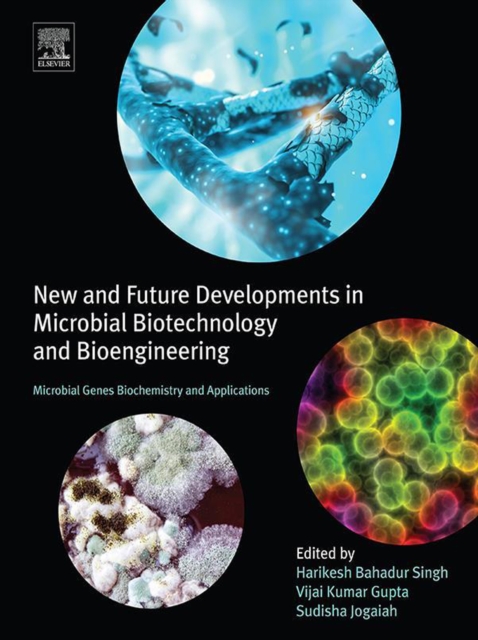
New and Future Developments in Microbial Biotechnology and Bioengineering: Microbial Genes Biochemistry and Applications consolidates the most widely used genetic methods available, bringing together the fields of biochemistry, biotechnology, and microbiology.
This first volume of Metal-Organic Framework Composites focusses on pharmaceutical pollution as an issue of concern due to its effects on the environment and the application of MOFs for remediation.
Advances in Biomembranes and Lipid Self-Assembly, Volume 28, formerly titled Advances in Planar Lipid Bilayers and Liposomes, provides a global platform for the study of cell membranes, lipid model membranes, and lipid self-assemblies, from the micro- to the nanoscale.
Catalysis for Sustainability: Goals, Challenges, and Impacts explores the intersection between catalytic science and sustainable technologies as a means to addressing current economic, social, and environmental problems.
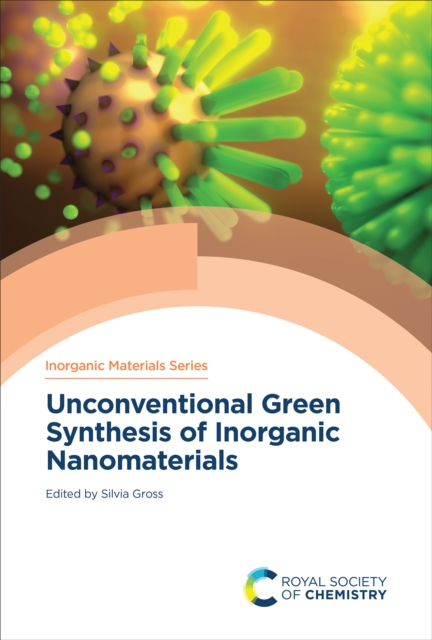
Inorganic nanomaterials are an extremely broad and versatile class of materials and their enhanced chemical, thermal and mechanical stability with respect to their organic counterparts make them appealing candidates for a wide range of technological applications.
In William Walker Atkinson's book, 'The Solar Plexus,' the author delves into the concept of the solar plexus as a center for personal power and energy in the human body.
In 'The Way to the Kingdom' by Joseph Benner, readers embark on a spiritual journey exploring the concept of the inner kingdom of God within each individual.
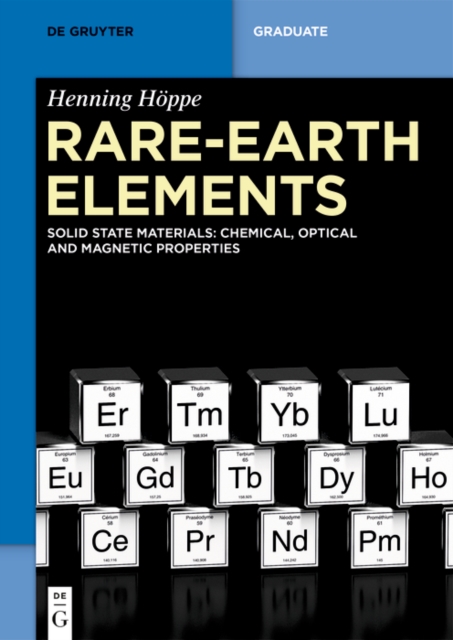
When the author began working on phosphors based on rare-earth elements, he lacked an introductory textbook that explained the fundamental chemistry, basic optical properties, and magnetic characteristics of lanthanide elements.
This introduction to thermodynamics discusses typical phase diagrams features and presents the wide range of techniques such as Differential Scanning Calorimetry, Thermogravimetry and others.
This practical book presents an overview of the various approaches developed to understand the dynamics of electronic systems in physics and chemistry.
Advanced Two-Dimensional Material-Based Heterostructures in Sustainable Energy Storage Devices provides a detailed overview of advances and challenges in the development of 2D materials for use in energy storage devices.
This book collects recent topics of theoretical chemistry for advanced nanomaterials from the points of view of both computational and experimental chemistry.
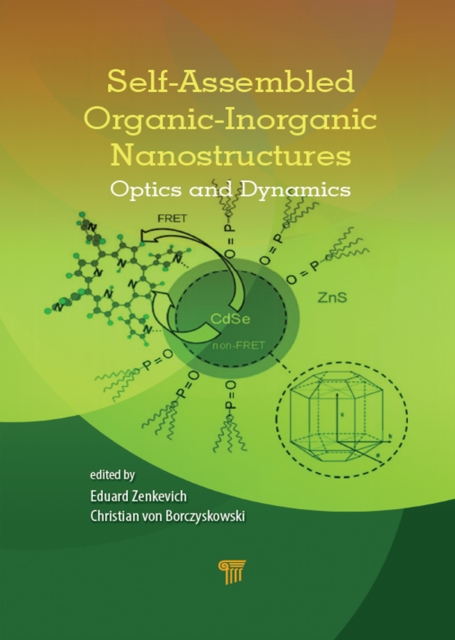
The current state and perspectives in natural and life sciences are strongly linked to the development of novel complex organic-inorganic materials at various levels of organization, including semiconductor quantum dots (QDs) and QD-based nanostructures with unique optical and physico-chemical properties.