The series Advances in Dendritic Macromolecules aims to cover the synthesis and supramolecular chemistry of dendritic or cascade super-molecules as well as their less perfect hyperbranched cousins.
The series Advances in Dendritic Macromolecules aims to cover the synthetic, as well as chemical, aspects of this expanding field: the chemistry to and supramolecular chemistry of dendritic or cascade supermolecular compounds.
Peptidomimetics are compounds which mimic the biological activity of peptides while offering the advantages of increased bioavailability, biostability, bioefficiency, and bioselectivity against the natural biological target of the parent peptide.
The series Advances in Dendritic Macromolecules aims to cover the synthesis and supramolecular chemistry of dendritic or cascade super-molecules as well as their less perfect hyperbranched cousins.
The series Advances in Dendritic Macromolecules aims to cover the synthesis and supramolecular chemistry of dendritic or cascade super-molecules as well as their less perfect hyperbranched cousins.
In recent years the most significant advances in carbohydrate research have been made in the knowledge of the structure and function of carbohydrates in the macromolecular state.
The eighth volume of this series comprises six chapters and describes a variety of interesting strained and not so strained molecules and their use - or abuse - in the widest sense.
Enantioselective synthetic methods are not only in the forefront of chemical and pharmaceutical research but activity in this area is constantly increasing.
Biosensors have captured the imagination of the world's scientific and commercial communities by combining interdisciplinary skills of biologists, physicists, chemists and engineers to provide innovative solutions to analytical problems.
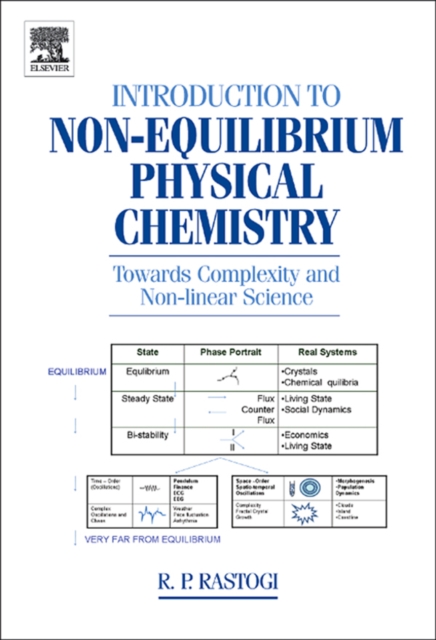
Introduction to Non-equilibrium Physical Chemistry presents a critical and comprehensive account of Non-equilibrium Physical Chemistry from theoretical and experimental angle.
Laser induced breakdown spectroscopy (LIBS) is basically an emission spectroscopy technique where atoms and ions are primarily formed in their excited states as a result of interaction between a tightly focused laser beam and the material sample.
This book is a collection of lectures given in August 2006 at the Les Houches Summer School on "e;Particle Physics and Cosmology: the Fabric of Spacetime.
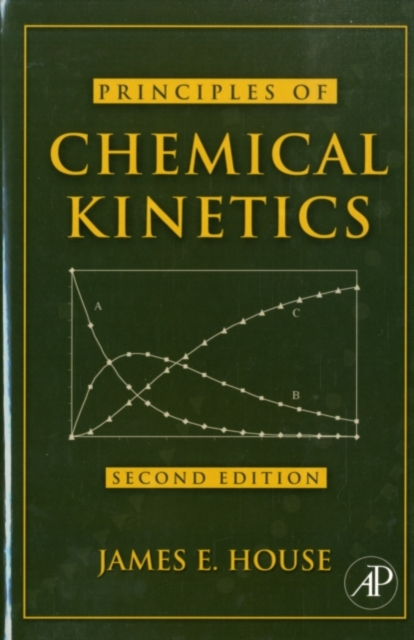
James House's revised Principles of Chemical Kinetics provides a clear and logical description of chemical kinetics in a manner unlike any other book of its kind.
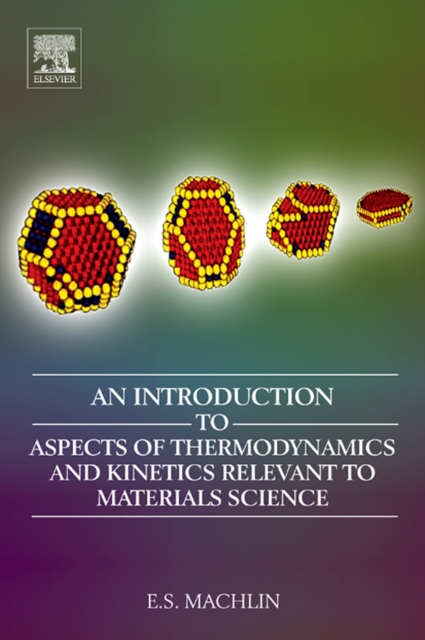
This book is based on a set of notes developed over many years for an introductory course taught to seniors and entering graduate students in materials science.
Established in 1960, Advances in Heterocyclic Chemistry is the definitive serial in the area--one of great importance to organic chemists, polymer chemists, and many biological scientists.
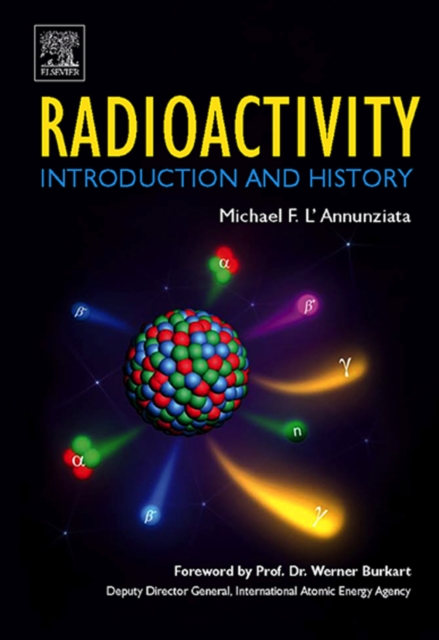
Radioactivity: Introduction and History provides an introduction to radioactivity from natural and artificial sources on earth and radiation of cosmic origins.
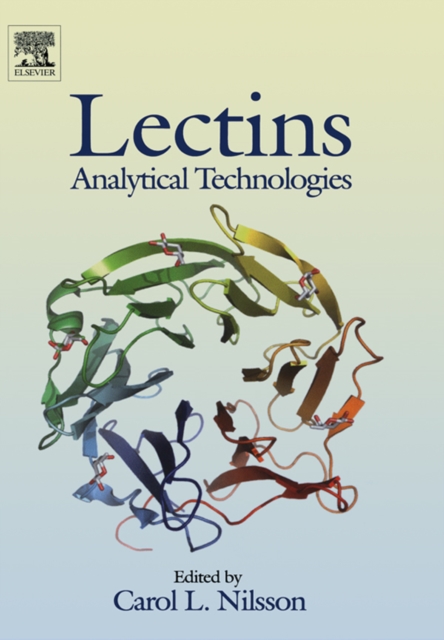
Lectins: Analytical Technologies covers both analytical and biological aspects of lectins (functional carbohydrate (complex sugar) recognition proteins) and provides researchers in the field with a resource containing background information and 'look-up' tables detailing lectin specificity and structures.
Since 1987, the Petroleum Division of the American Chemical Society (ACS) has sponsored at 3 year intervals an international symposium on fluid cracking catalysts (FCC) technology.
Chemometrics in Spectroscopy builds upon the statistical information covered in other books written by these leading authors in the field by providing a broader range of mathematics and progressing into the fundamentals of multivariate and experimental data analysis.
Almost all branches of chemistry and material science now interface with organometallic chemistry-the study of compounds containing carbon-metal bonds.
This volume provides a novel insight to the evolutionary and comparative aspects of nitric oxide- nitric oxide synthase system as a central regulator of invertebrate and vertebrate homeostasis.