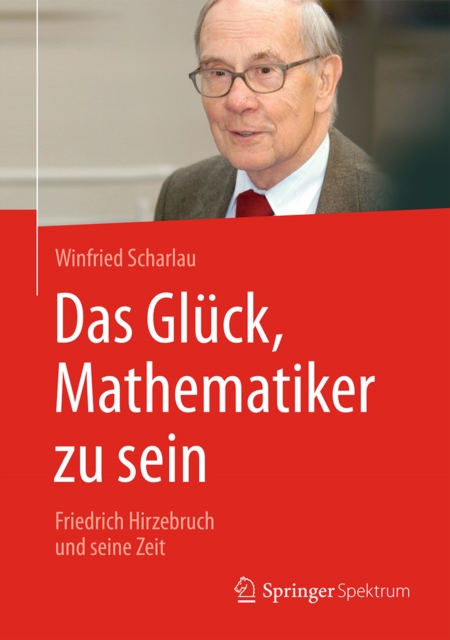
Unterstützt von vielen historischen Dokumenten und Interviews mit Zeitzeugen geht dieses Werk auf ein bedeutsames Thema der Wissenschaftsgeschichte ein: die Entstehung der modernen Finanzmathematik in der zweiten Hälfte des letzten Jahrhunderts.
Dieses Buch beschreibt, unter welchen Bedingungen das in der DDR am weitesten verbreitete Fernschreibchiffriergerät sowie der dazugehörige Algorithmus vor etwa 50 Jahren zum Schutz von Staatsgeheimnissen entwickelt wurden.
Genau wie der Vorgänger Mathematik ist schön und der Nachfolger Mathematik ist wunderwunderschön macht dieses Buch in 12 Kapiteln zahlreiche Angebote, sich mit (weiteren) bekannten oder weniger bekannten Fragestellungen aus der Mathematik zu beschäftigen.
Dieses Buch nimmt Sie mit auf eine spannende Reise durch die Welt der Wissenschaft: von den Fallgesetzen des Galilei bis zu Einsteins Gravitationswellen, von Newtons Axiomen bis zum Wasserstoffatom, von der natürlichen Auslese bis zum Schwarmverhalten, von der Skala der Empfindungen bis zu den Grenzen des Wachstums auf unserem Planeten.
Dieses Buch lädt Sie zum Staunen ein: Erleben Sie, wie etwa Archimedes bereits 1800 Jahre vor der Erfindung der „klassischen“ Integralrechnung den Flächeninhalt eines Parabelsegments bestimmen konnte, leiten Sie mit Ibn al-Haitham eine Summenformel für Quadratzahlen her oder entdecken Sie mit Hamilton die Quaternionen.
Als 22-Jähriger enthüllte Felix Klein dem norwegischen Mathematiker Sophus Lie sein immer vorhandenes Bedürfniß nach socialer Thätigkeit, welches mich nicht zufrieden läßt, wenn ich mich nur abstract mit der reinen Wissenschaft beschäftige.
Wer Analysis lernt, fragt sich irgendwann: Wie und warum kamen all diese merkwürdigen Begriffe zustande – Zahl, Funktion, Stetigkeit, Konvergenz, Differenzial, Integral?
Dieses Buch gibt einen kompakten Überblick über die historische Entwicklung und Ideengeschichte derjenigen mathematischen Disziplinen, die sich schon bis zur Renaissancezeit weitgehend eigenständig entwickelt haben: Arithmetik, Geometrie, Algebra, Zahlentheorie und mathematische Logik.
Dieses Buch gibt einen kompakten Überblick über die historische Entwicklung und Ideengeschichte derjenigen mathematischen Gebiete, die sich erst in der Neuzeit zu eigenständigen Teildisziplinen entwickelt haben: Analysis, Wahrscheinlichkeitstheorie, angewandte Mathematik, Topologie und Mengenlehre.
Der Band enthält zum ersten Mal in deutscher Sprache grundlegende Themen der chinesischen und indischen Mathematik, die den Nährboden für spätere Fragestellungen bereiten.
Dieser Band führt 16 Aufsätze von Herbert Breger zusammen, die um Leibniz‘ Arbeiten zur Mathematik und Physik und ihre philosophischen Voraussetzungen kreisen.
Presented from the viewpoint of the history of mathematics, this book explores both epistemological aspects of Chinese traditional mathematical astronomy and lunisolar calendrical calculations.
Dieses Werk greift die Leibnizforschung von Margot Faak wieder auf und erlaubt dem Leser einen tiefen Einblick in den politischen Werdegang von Gottfried Wilhelm Leibniz, insbesondere seine Zeit als Reichshofrat.
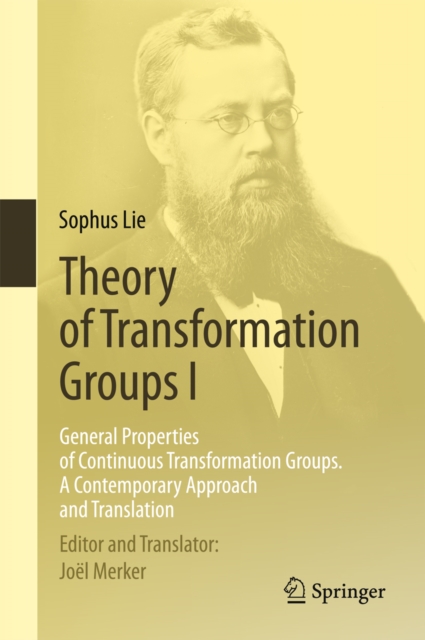
This modern translation of Sophus Lie's and Friedrich Engel's "e;Theorie der Transformationsgruppen I"e; will allow readers to discover the striking conceptual clarity and remarkably systematic organizational thought of the original German text.
Dieser Buchtitel ist Teil des Digitalisierungsprojekts Springer Book Archives mit Publikationen, die seit den Anfängen des Verlags von 1842 erschienen sind.
Dieser Buchtitel ist Teil des Digitalisierungsprojekts Springer Book Archives mit Publikationen, die seit den Anfängen des Verlags von 1842 erschienen sind.
Euklids Data beschäftigen sich im wesentlichen mit Gegenstän den, die auch in den ersten sechs Büchern der Elemente behandelt werden, sie stehen neben diesen etwa wie die moderne Formelsamm lung neben dem Lehrbuch.
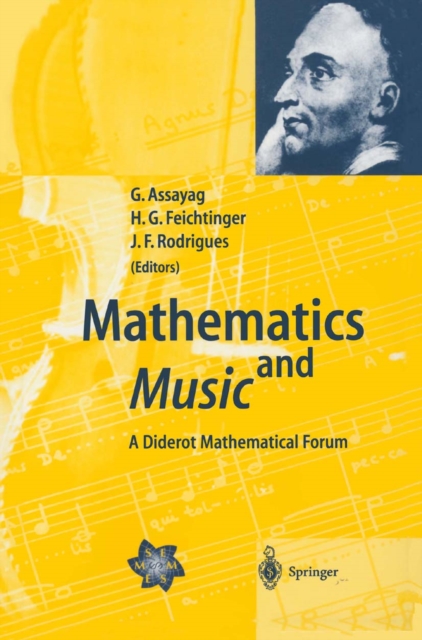
In Western Civilization Mathematics and Music have a long and interesting history in common, with several interactions, traditionally associated with the name of Pythagoras but also with a significant number of other mathematicians, like Leibniz, for instance.
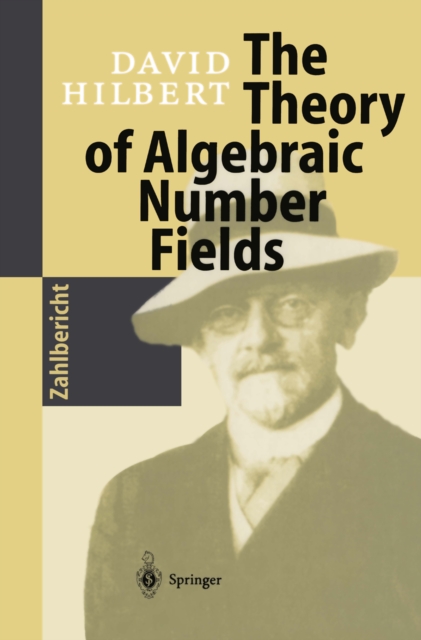
Constance Reid, in Chapter VII of her book Hilbert, tells the story of the writing of the Zahlbericht, as his report entitled Die Theorie der algebra is- chen Zahlkorper has always been known.
In diesem essential beschreibt Heinz Klaus Strick anhand von zahlreichen Beispielen aus verschiedenen Teilgebieten der Wahrscheinlichkeitsrechnung und Statistik, warum es bei stochastischen Fragestellungen immer wieder dazu kommt, dass Aussagen über Wahrscheinlichkeiten paradox erscheinen, also scheinbar im Widerspruch zu den eigenen Vorstellungen über Zufallsvorgänge stehen.
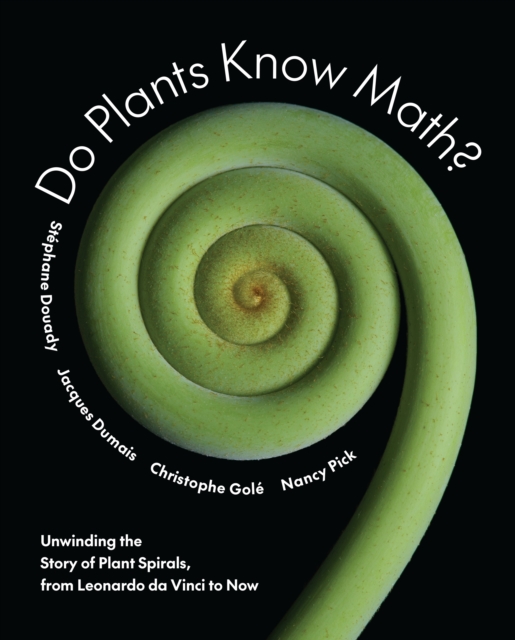
A breathtakingly illustrated look at botanical spirals and the scientists who puzzled over themCharles Darwin was driven to distraction by plant spirals, growing so exasperated that he once begged a friend to explain the mystery ';if you wish to save me from a miserable death.
Dieses Buch bietet einen historisch orientierten Einstieg indie Algorithmik, also die Lehre von den Algorithmen, in Mathematik, Informatik und darüber hinaus.
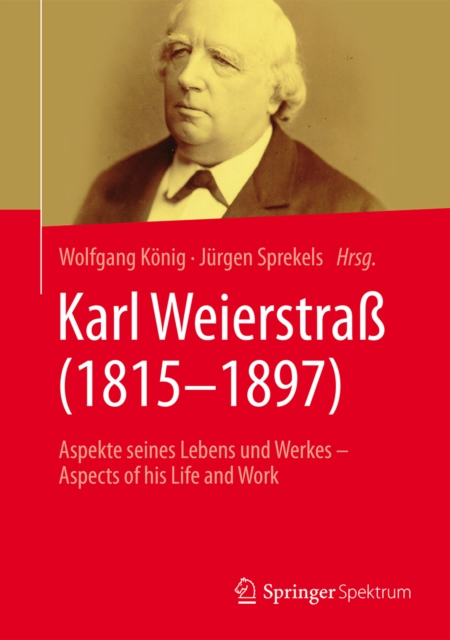
Der Berliner Mathematiker Karl Weierstraß (1815-1897) lieferte grundlegende Beiträge zu den mathematischen Fachgebieten der Funktionentheorie, Algebra und Variationsrechnung.
Sie kamen aus allen Schichten und lebten in aller Herren Länder; sie waren Exzentriker wie Isaac Newton, Außenseiter wie Alan Turing oder gehörten zum Establishment wie Pierre de Fermat.