The fascinating story of an important lottery that flourished in France from 1757 to 1836 and its role in transforming our understanding of the nature of risk.
Newton's explanation of the natural law of universal gravity shattered the way mankind perceived the universe, and hence it was not immediately embraced.
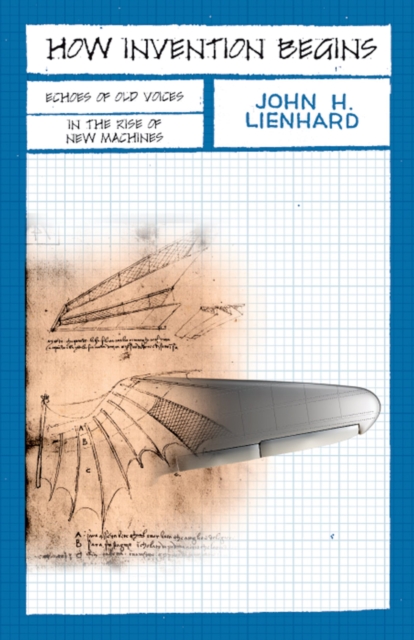
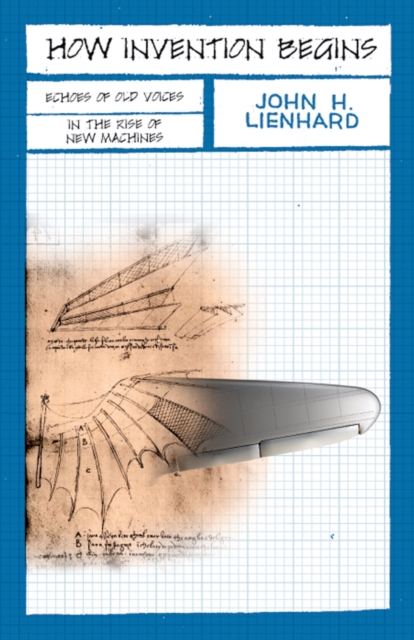
In How Invention Begins, Lienhard reconciles the ends of invention with the individual leaps upon which they are built, illuminating the vast web of individual inspirations that lie behind whole technologies.
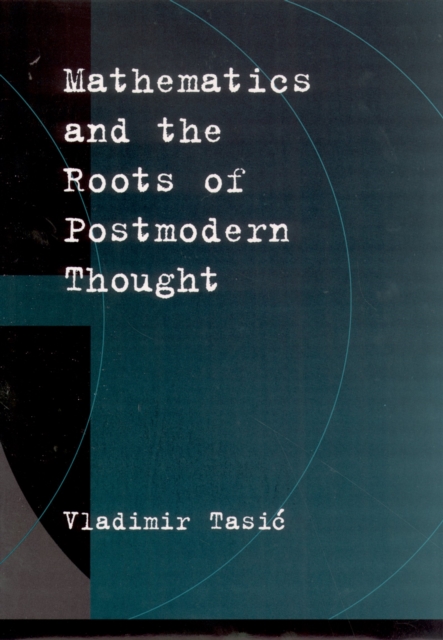
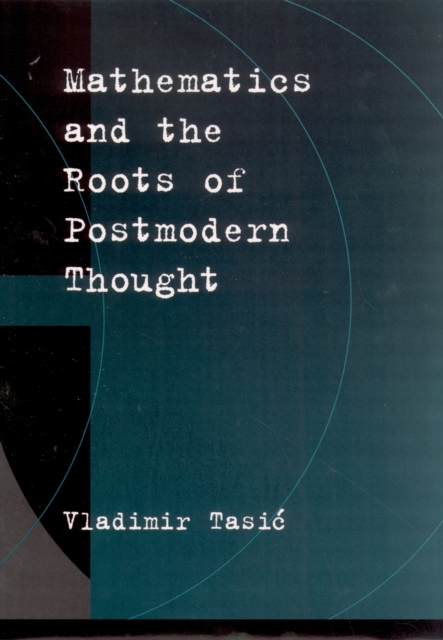
This is a charming and insightful contribution to an understanding of the "e;Science Wars"e; between postmodernist humanism and science, driving toward a resolution of the mutual misunderstanding that has driven the controversy.
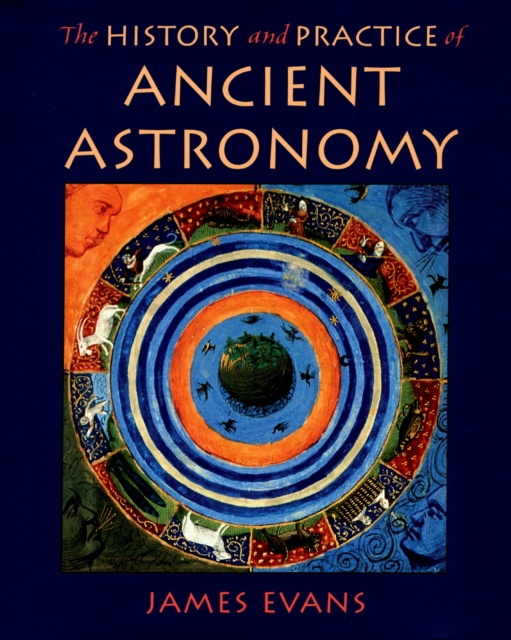
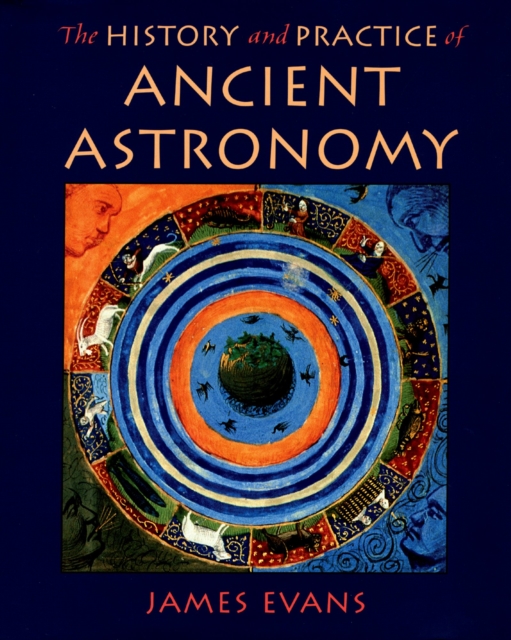
The History and Practice of Ancient Astronomy combines new scholarship with hands-on science to bring readers into direct contact with the work of ancient astronomers.
The History and Practice of Ancient Astronomy combines new scholarship with hands-on science to bring readers into direct contact with the work of ancient astronomers.
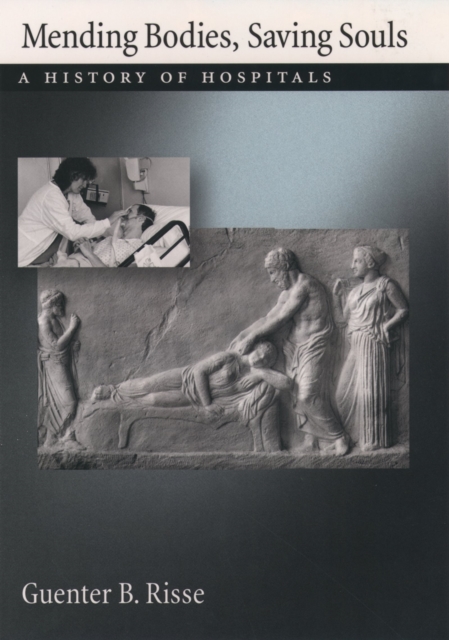
By chronicling the transformations of hospitals from houses of mercy to tools of confinement, from dwellings of rehabilitation to spaces for clinical teaching and research, from rooms for birthing and dying to institutions of science and technology, this book provides a historical approach to understanding of today's hospitals.
In How Invention Begins, Lienhard reconciles the ends of invention with the individual leaps upon which they are built, illuminating the vast web of individual inspirations that lie behind whole technologies.
The four contributors to this volume examine the eugenics movements in Germany, France, Brazil, and the Soviet Union, and describe how geneticists and physicians participated in the development of policies concerning the improvement of hereditary qualities in humans.
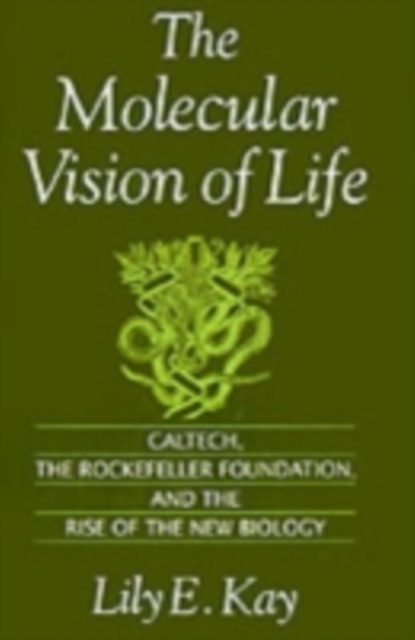
This fascinating study examines the rise of American molecular biology to disciplinary dominance, focusing on the period between 1930 and the elucidation of DNA structure in the mid 1950s.
This is a charming and insightful contribution to an understanding of the "e;Science Wars"e; between postmodernist humanism and science, driving toward a resolution of the mutual misunderstanding that has driven the controversy.
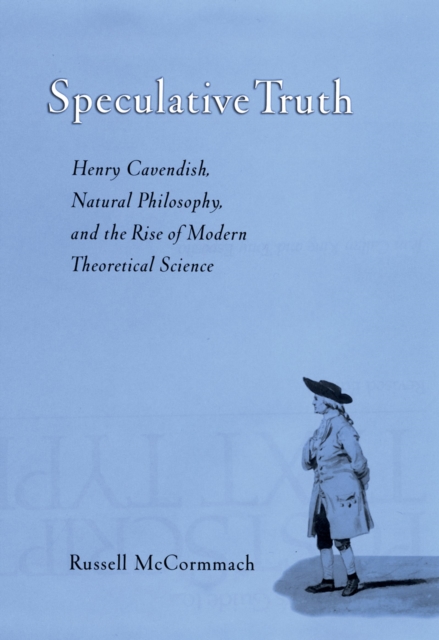
With a never-before published paper by Lord Henry Cavendish, as well as a biography on him, this book offers a fascinating discourse on the rise of scientific attitudes and ways of knowing.
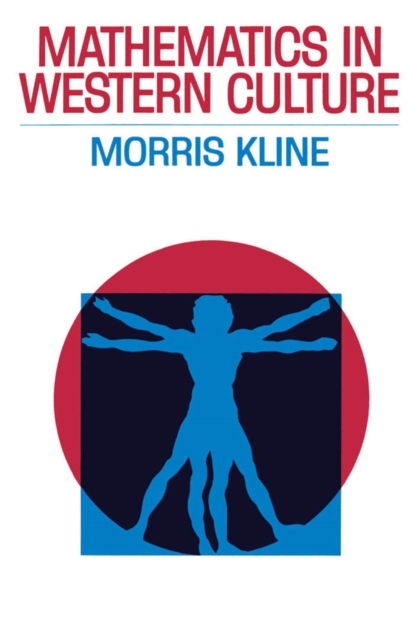
This book gives a remarkably fine account of the influences mathematics has exerted on the development of philosophy, the physical sciences, religion, and the arts in Western life.
Very Short Introductions: Brilliant, Sharp, Inspiring Kurt Godel first published his celebrated theorem, showing that no axiomatization can determine the whole truth and nothing but the truth concerning arithmetic, nearly a century ago.
Very Short Introductions: Brilliant, Sharp, Inspiring Kurt Godel first published his celebrated theorem, showing that no axiomatization can determine the whole truth and nothing but the truth concerning arithmetic, nearly a century ago.
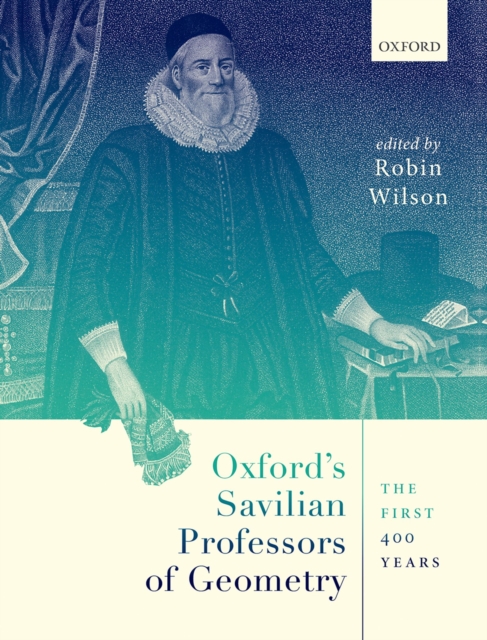
The Savilian Professorships in Geometry and Astronomy at Oxford University were founded in 1619 by Sir Henry Savile, distinguished scholar and Warden of Merton College.
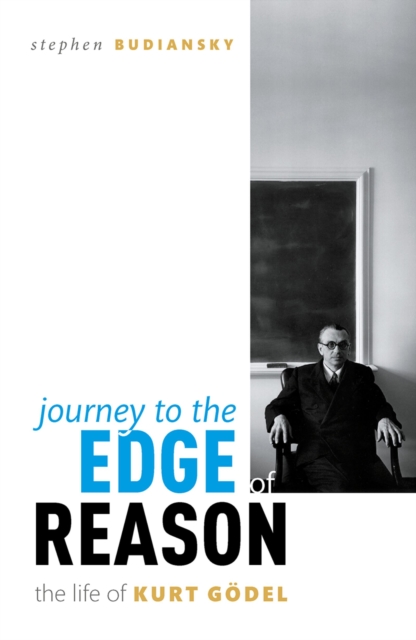
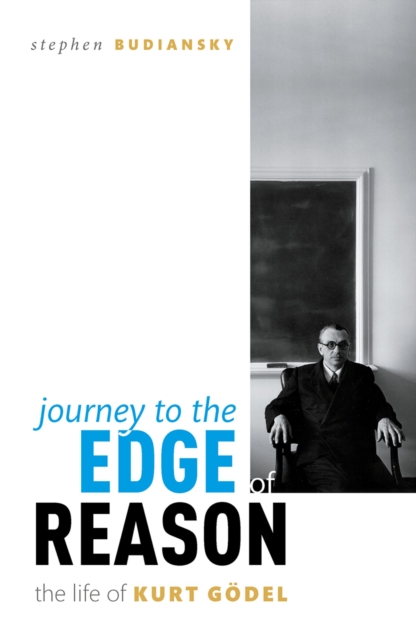
A remarkable account of Kurt Godel, weaving together creative genius, mental illness, political corruption, and idealism in the face of the turmoil of war and upheaval.
A remarkable account of Kurt Godel, weaving together creative genius, mental illness, political corruption, and idealism in the face of the turmoil of war and upheaval.
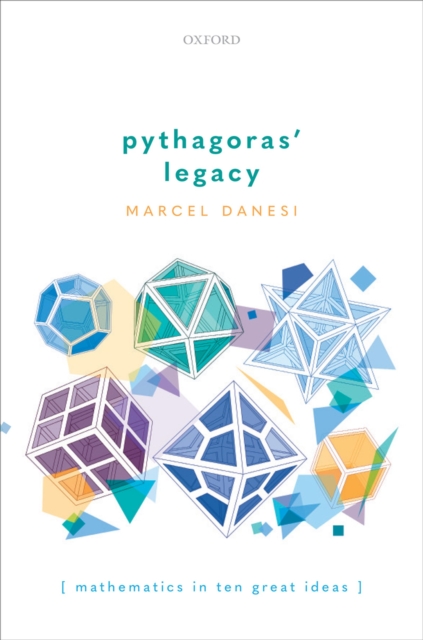
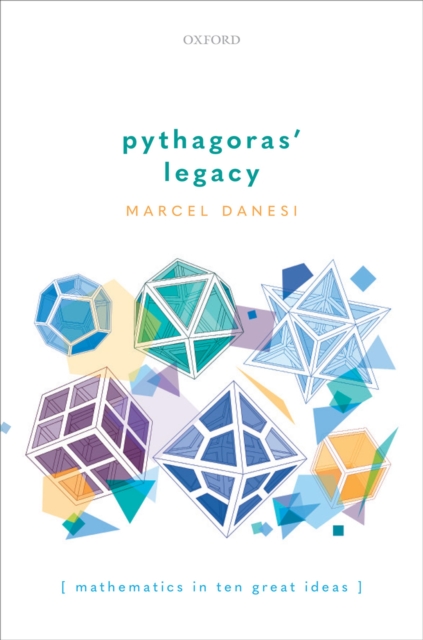
As the famous Pythagorean statement reads, 'Number rules the universe', and its veracity is proven in the many mathematical discoveries that have accelerated the development of science, engineering, and even philosophy.
As the famous Pythagorean statement reads, 'Number rules the universe', and its veracity is proven in the many mathematical discoveries that have accelerated the development of science, engineering, and even philosophy.
The fascinating story of an important lottery that flourished in France from 1757 to 1836 and its role in transforming our understanding of the nature of risk.
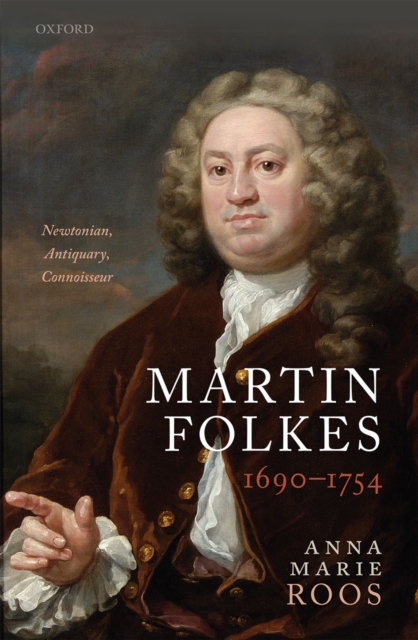
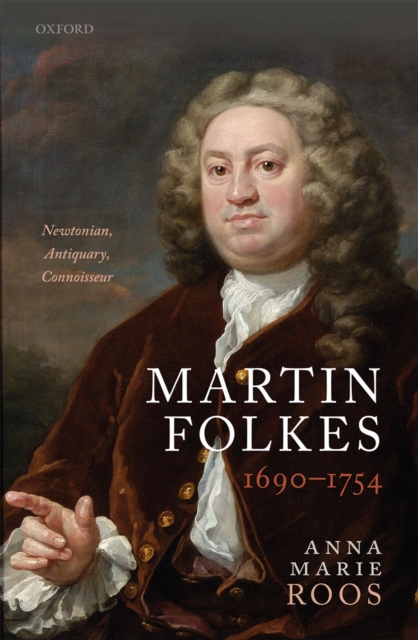
Martin Folkes (1690-1754): Newtonian, Antiquary, Connoisseur is a cultural and intellectual biography of the only President of both the Royal Society and the Society of Antiquaries.
Martin Folkes (1690-1754): Newtonian, Antiquary, Connoisseur is a cultural and intellectual biography of the only President of both the Royal Society and the Society of Antiquaries.
Charles Lutwidge Dodgson is best known for his 'Alice' books, Alice's Adventures in Wonderland and Through the Looking-Glass, written under his pen name of Lewis Carroll.
Charles Lutwidge Dodgson is best known for his 'Alice' books, Alice's Adventures in Wonderland and Through the Looking-Glass, written under his pen name of Lewis Carroll.