In 1915 and 1916 Emmy Noether was asked by Felix Klein and David Hilbert to assist them in understanding issues involved in any attempt to formulate a general theory of relativity, in particular the new ideas of Einstein.
The Almagest, by the Greek astronomer and mathematician Ptolemy, is the most important surviving treatise on early mathematical astronomy, offering historians valuable insight into the astronomy and mathematics of the ancient world.
China's most sophisticated system of computational astronomy was created for a Mongol emperor who could neither read nor write Chinese, to celebrate victory over China after forty years of devastating war.
This volume presents a selection of 434 letters from and to the Dutch physicist and Nobel Prize winner Hendrik Antoon Lorentz (1853-1928), covering the period from 1883 until a few months before his death in February 1928.
This revised and greatly expanded second edition of the Russian text Tales of Mathematicians and Physicists contains a wealth of new information about the lives and accomplishments of more than a dozen scientists throughout five centuries of history: from the first steps in algebra up to new achievements in geometry in connection with physics.
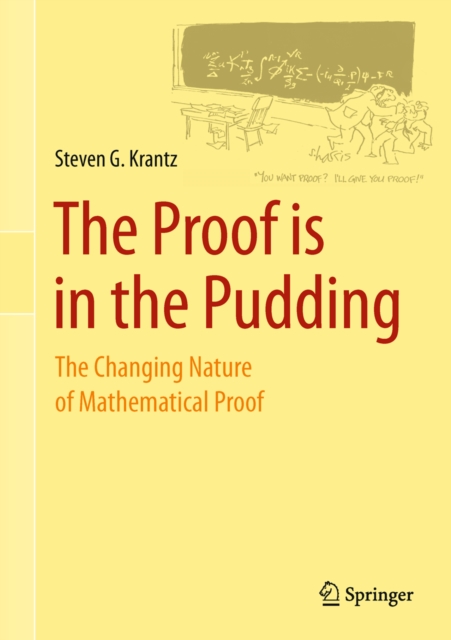
Krantz takes the reader on a journey around the globe and through centuries of history , exploring the many transformations that mathematical proof has undergone from its inception at the time of Euclid and Pythagoras to its versatile, present-day use .
"e;From nothing I have created a new different world,"e; wrote Janos Bolyai to his father, Wolgang Bolyai, on November 3, 1823, to let him know his discovery of non-Euclidean geometry, as we call it today.
This volume is, as may be readily apparent, the fruit of many years' labor in archives and libraries, unearthing rare books, researching Nachlasse, and above all, systematic comparative analysis of fecund sources.
This book brings together for the first time the Kenneth May Lectures that were given at the annual meetings of the Canadian Society for History and Philosophy of Mathematics.
The astonishing variety and beauty of mathematical elements in stamp design is brought to life in this collection of more than 350 stamps, each reproduced in enlarged format, in full color.
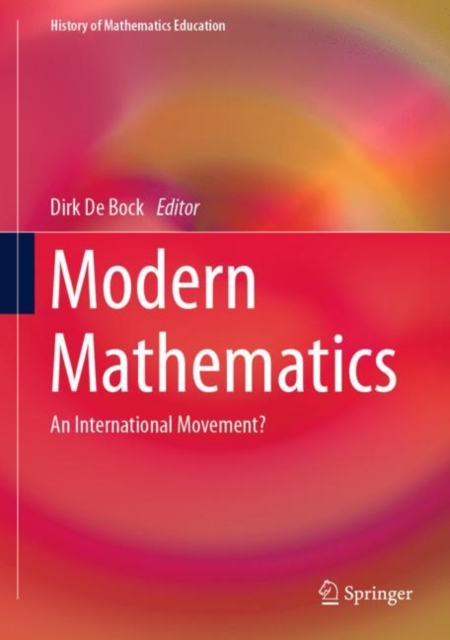
The international New Math developments between about 1950 through 1980, are regarded by many mathematics educators and education historians as the most historically important development in curricula of the twentieth century.
Robert Sullivan, the New York Times bestselling author of Rats and Cross Country, delivers a revolutionary reconsideration of Henry David Thoreau for modern readers of the seminal transcendentalist.
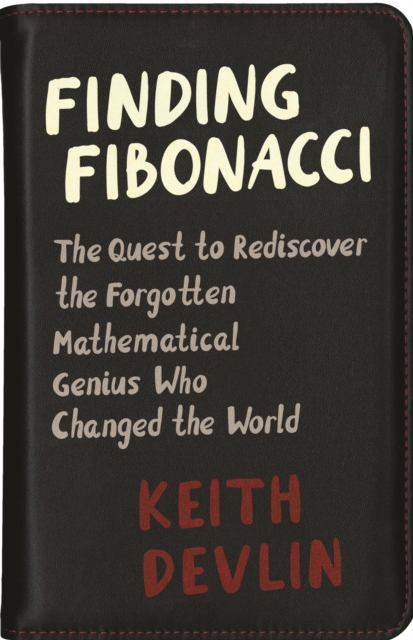
A compelling firsthand account of Keith Devlin's ten-year quest to tell Fibonacci's storyIn 2000, Keith Devlin set out to research the life and legacy of the medieval mathematician Leonardo of Pisa, popularly known as Fibonacci, whose book Liber abbaci has quite literally affected the lives of everyone alive today.
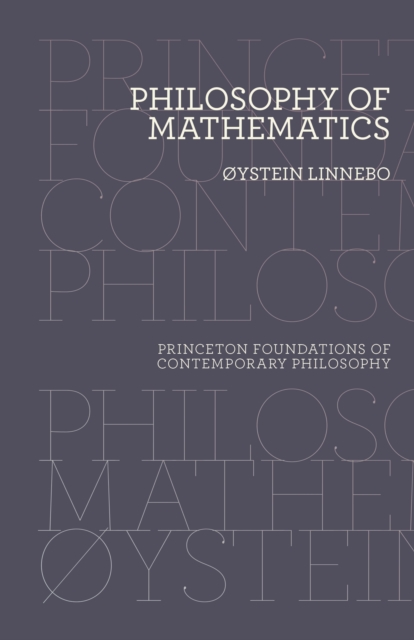
A sophisticated, original introduction to the philosophy of mathematics from one of its leading contemporary scholarsMathematics is one of humanity's most successful yet puzzling endeavors.
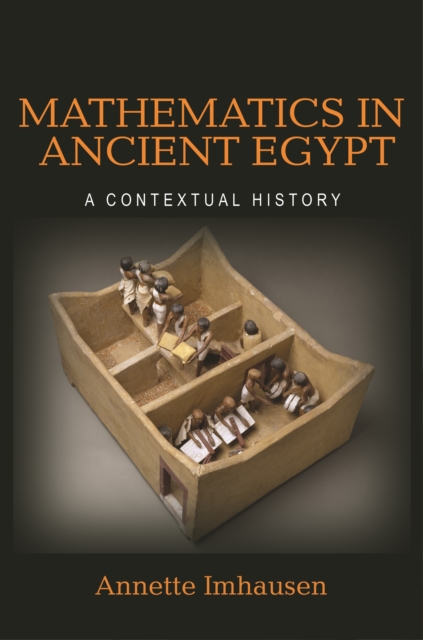
A survey of ancient Egyptian mathematics across three thousand yearsMathematics in Ancient Egypt traces the development of Egyptian mathematics, from the end of the fourth millennium BC-and the earliest hints of writing and number notation-to the end of the pharaonic period in Greco-Roman times.
This book presents a new approach to the epistemology of mathematics by viewing mathematics as a human activity whose knowledge is intimately linked with practice.
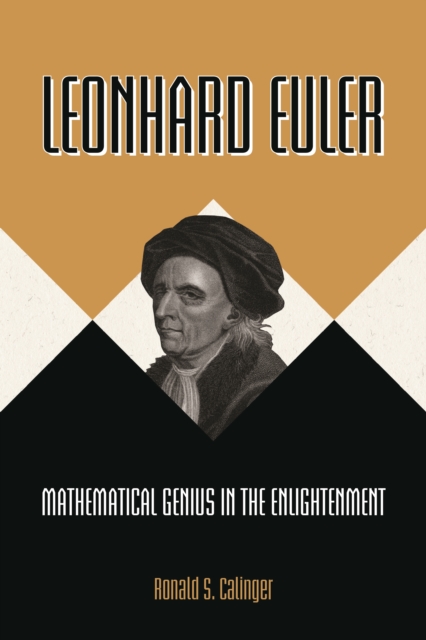
An acclaimed biography of the Enlightenment's greatest mathematicianThis is the first full-scale biography of Leonhard Euler (1707-83), one of the greatest mathematicians and theoretical physicists of all time.
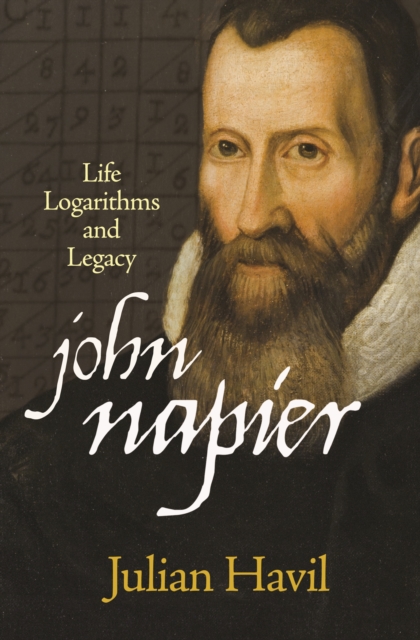
The most comprehensive account of the mathematician's life and workJohn Napier (1550-1617) is celebrated today as the man who invented logarithms-an enormous intellectual achievement that would soon lead to the development of their mechanical equivalent in the slide rule: the two would serve humanity as the principal means of calculation until the mid-1970s.
The year's finest writing on mathematics from around the worldThis annual anthology brings together the year's finest mathematics writing from around the world.
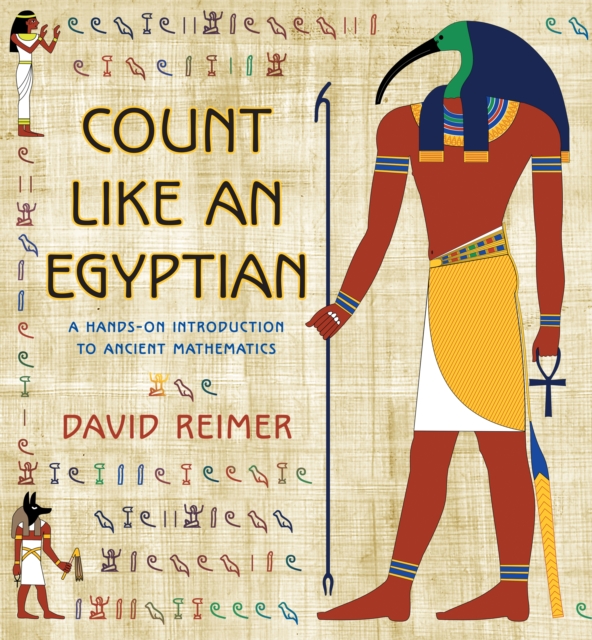
A lively collection of fun and challenging problems in ancient Egyptian mathThe mathematics of ancient Egypt was fundamentally different from our math today.
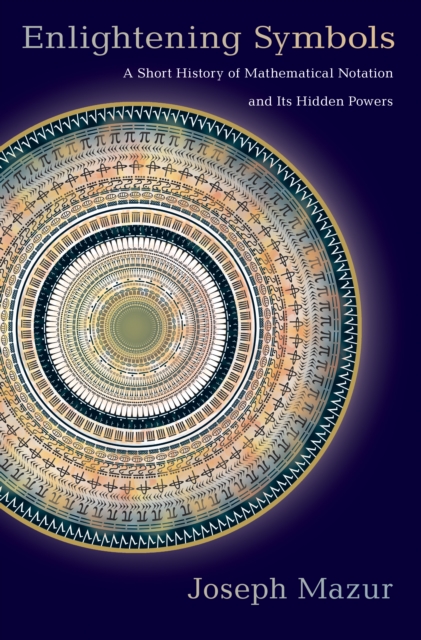
An entertaining look at the origins of mathematical symbolsWhile all of us regularly use basic math symbols such as those for plus, minus, and equals, few of us know that many of these symbols weren't available before the sixteenth century.
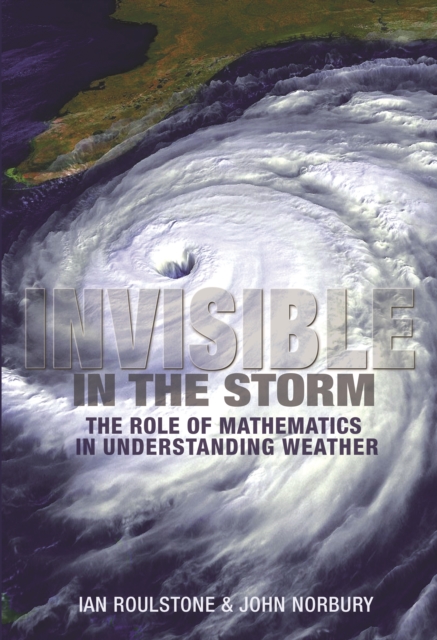
An accessible book that examines the mathematics of weather predictionInvisible in the Storm is the first book to recount the history, personalities, and ideas behind one of the greatest scientific successes of modern times-the use of mathematics in weather prediction.
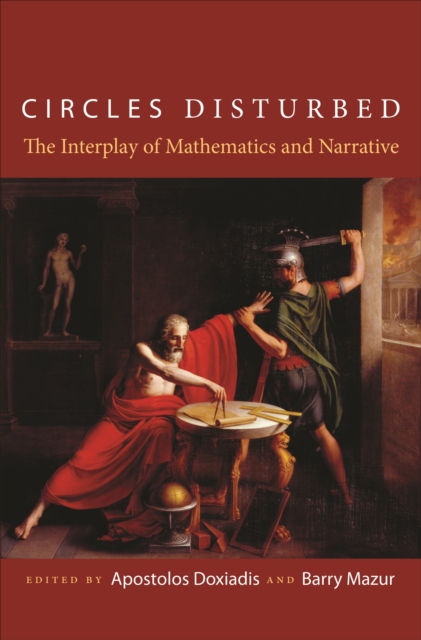
Why narrative is essential to mathematicsCircles Disturbed brings together important thinkers in mathematics, history, and philosophy to explore the relationship between mathematics and narrative.
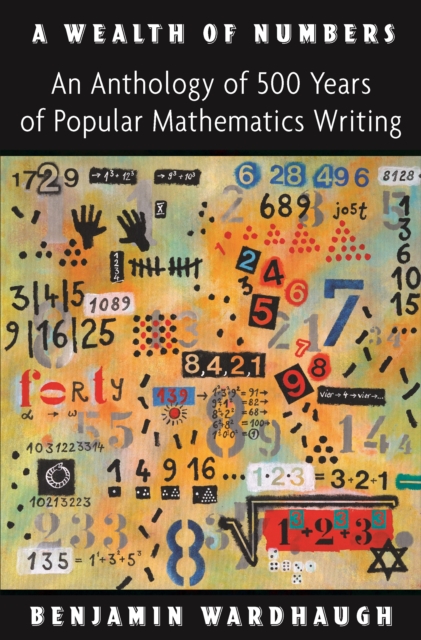
An entertaining and informative anthology of popular math writing from the Renaissance to cyberspaceDespite what we may sometimes imagine, popular mathematics writing didn't begin with Martin Gardner.