How two pioneers of math and technology ushered in the computer revolutionBoolean algebra, also called Boolean logic, is at the heart of the electronic circuitry in everything we use-from our computers and cars, to home appliances.
A lively history of the peculiar math of votingSince the very birth of democracy in ancient Greece, the simple act of voting has given rise to mathematical paradoxes that have puzzled some of the greatest philosophers, statesmen, and mathematicians.
To many outsiders, mathematicians appear to think like computers, grimly grinding away with a strict formal logic and moving methodically--even algorithmically--from one black-and-white deduction to another.
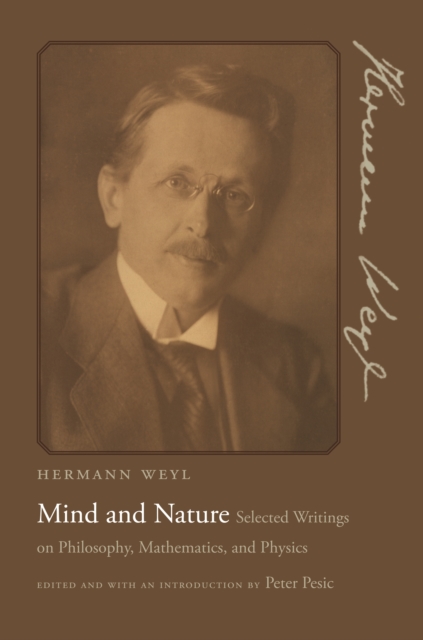
Hermann Weyl (1885-1955) was one of the twentieth century's most important mathematicians, as well as a seminal figure in the development of quantum physics and general relativity.
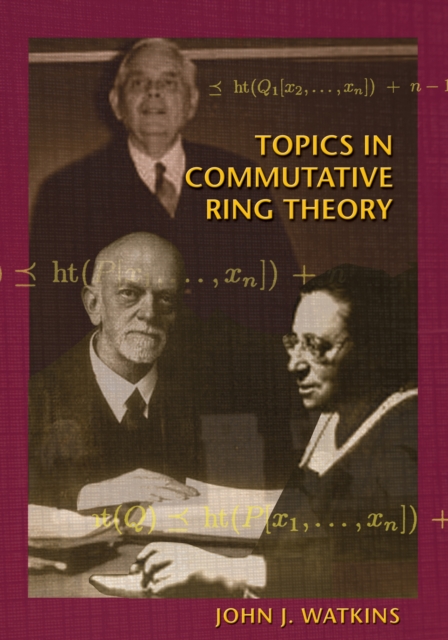
Topics in Commutative Ring Theory is a textbook for advanced undergraduate students as well as graduate students and mathematicians seeking an accessible introduction to this fascinating area of abstract algebra.
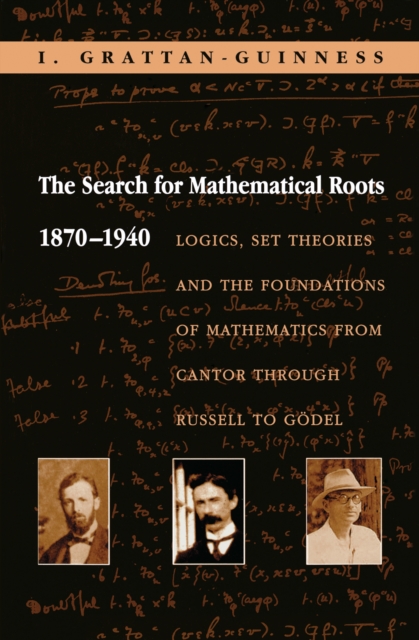
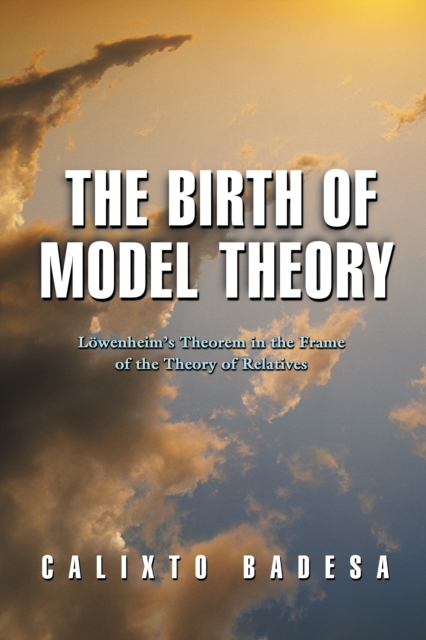
Lowenheim's theorem reflects a critical point in the history of mathematical logic, for it marks the birth of model theory--that is, the part of logic that concerns the relationship between formal theories and their models.
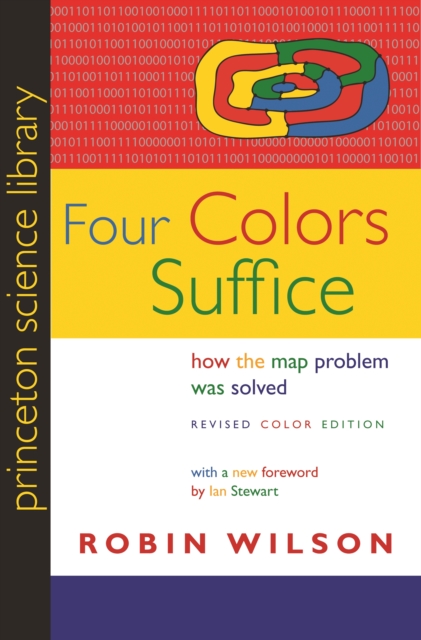
On October 23, 1852, Professor Augustus De Morgan wrote a letter to a colleague, unaware that he was launching one of the most famous mathematical conundrums in history--one that would confound thousands of puzzlers for more than a century.
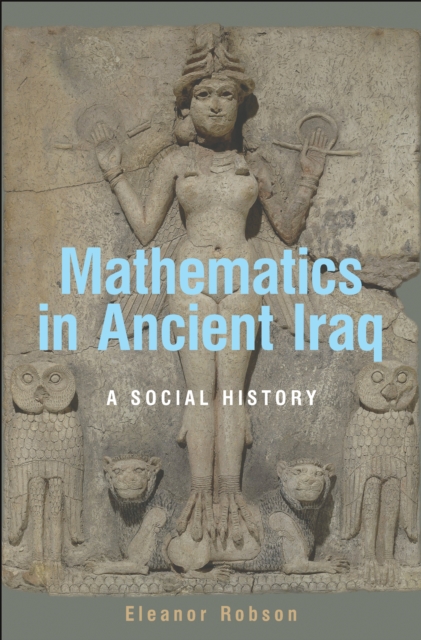
This monumental book traces the origins and development of mathematics in the ancient Middle East, from its earliest beginnings in the fourth millennium BCE to the end of indigenous intellectual culture in the second century BCE when cuneiform writing was gradually abandoned.
A lively and engaging look at logic puzzles and their role in mathematics, philosophy, and recreationLogic puzzles were first introduced to the public by Lewis Carroll in the late nineteenth century and have been popular ever since.
The legendary Renaissance math duel that ushered in the modern age of algebraThe Secret Formula tells the story of two Renaissance mathematicians whose jealousies, intrigues, and contentious debates led to the discovery of a formula for the solution of the cubic equation.
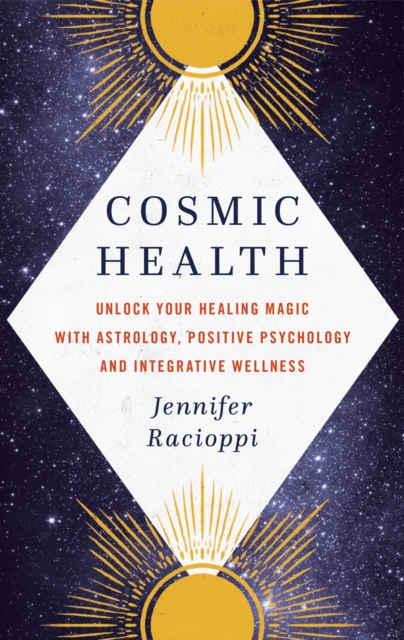
Renew your sense of purpose to achieve health and happiness with this actionable guide that incorporates astrology, integrative wellness, and positive psychology - from a renowned astrologer and integrative health practitioner.
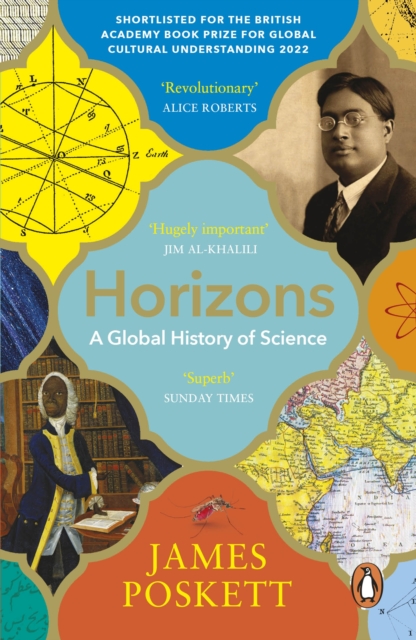
'Superb' Sunday Times'Revolutionary' Alice Roberts'Hugely important' Jim Al-Khalili_______________A radical retelling of the history of science that foregrounds the scientists erased from history In this major retelling of the history of science from 1450 to the present day, James Poskett explodes the myth that science began in Europe.
Newton's explanation of the natural law of universal gravity shattered the way mankind perceived the universe, and hence it was not immediately embraced.
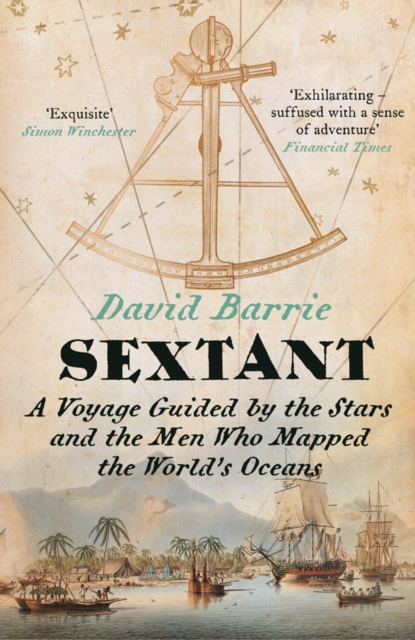
With 2014 marking the tercentenary of the Longitude Act, this eloquent celebration of the sextant tells the story of this elegant instrument and explores its vital role in man's attempts to map the world.
Combining myth, biography, and wit, this is a highly original depiction of cutting-edge science and its profound implications, told through the scientists who are rewriting life on earth.
The Science of Secrecy from Ancient Egypt to Quantum CryptographyFrom the best-selling author of Fermat's Last Theorem, The Code Book is a history of man's urge to uncover the secrets of codes, from Egyptian puzzles to modern day computer encryptions.
In his bestselling book 1421:The Year China Discovered the World, Gavin Menzies revealed that it was the Chinese that discovered America, not Columbus.
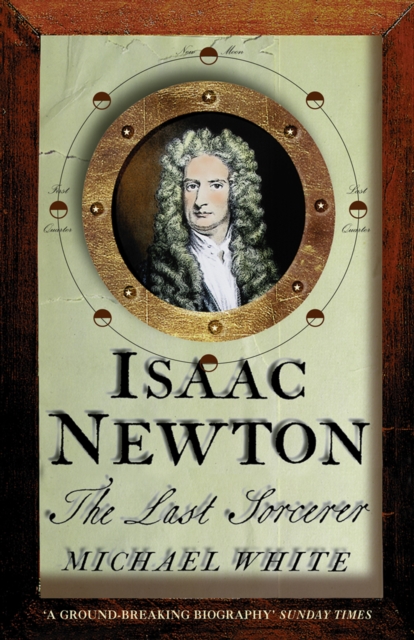
First time in ebook format, this biography of Isaac Newton reveals the extraordinary influence that the study of alchemy had on the greatest Early Modern scientific discoveries.
To a large extent, it lies, no doubt, in what is presented in this work under the title of 'meta lever', a method which it is certainly interesting to develop and further refine.
Exploring more than seventy-five well-known paradoxes in mathematics, philosophy, physics, and the social sciences showing how reason and logic can dispel the illusion of contradiction.
An analysis of Newton''s mathematical work, from early discoveries to mature reflections, and a discussion of Newton''s views on the role and nature of mathematics.
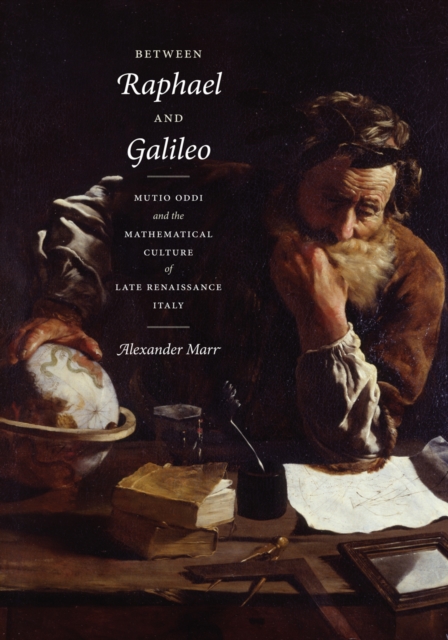
Although largely unknown today, during his lifetime Mutio Oddi of Urbino (1569-1639) was a highly esteemed scholar, teacher, and practitioner of a wide range of disciplines related to mathematics.
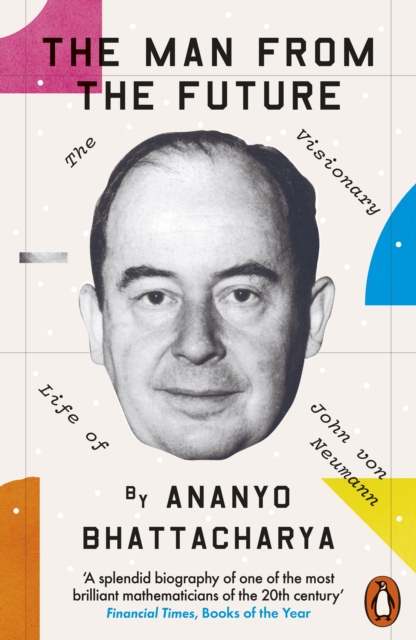
A FINANCIAL TIMES AND TLS BOOK OF THE YEARAn exhilarating new biography of John von Neumann: the lost genius who invented our world'A sparkling book, with an intoxicating mix of pen-portraits and grand historical narrative.
Thirteen promising young researchers write on what they take to be the right philosophical account of mathematics and discuss where the philosophy of mathematics ought to be going.
Although largely unknown today, during his lifetime Mutio Oddi of Urbino (1569-1639) was a highly esteemed scholar, teacher, and practitioner of a wide range of disciplines related to mathematics.