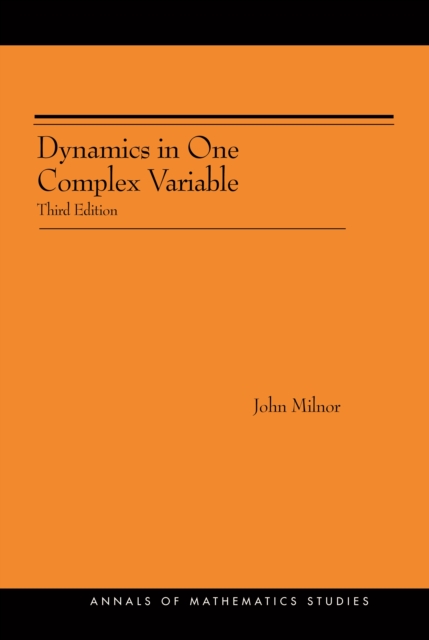
This volume studies the dynamics of iterated holomorphic mappings from a Riemann surface to itself, concentrating on the classical case of rational maps of the Riemann sphere.
In der dominierenden Sichtweise der westlichen Kultur schreibt man den Gegenständen der Mathematik seit Plato ein selbständiges Dasein in einer übergeordneten Welt (wie man sie auch immer nennen mag) zu.
Este libro recoge los principales conocimientos que sobre espacios métricos y espacios vectoriales normados es necesario poseer para estar en condiciones de seguir un posterior curso de Análisis funcional elemental.
Por su sencillez, claridad, elección adecuada de materias, y sobre todo por la clara orientación práctica, hacen de esta obra un texto ideal en los primeros grados de la formación profesional.
La finalidad de este libro sobre principios, destinado a los estudiantes que inician el estudio del Análisis matemático, es presentar las teorías básicas y los métodos propios de esta rama de la Matemática, que han de servir de fundamento y referencia a los que se dediquen al cultivo de esta ciencia, o a aquellos que usen de ella en las aplicaciones.
Este libro está dirigido a estudiantes con distinta preparación, o que les une un interés común en el Análisis complejo, por las aplicaciones que tiene.
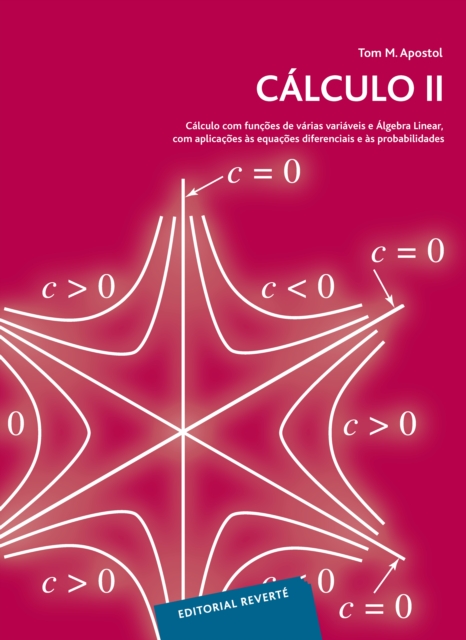
Esta edição apresenta modificações mais significativas que as anteriores - o texto foi revisto e reescrito; alguns capítulos foram desdobrados em vários outros, seja por razões didáticas, seja para enfatizar certos tópicos de maior importância; e as Notas históricas ao final de cada capítulo foram bastante ampliadas, numa resposta aos nossos leitores, que têm apreciado bastante esse material.
Os dois volumes deste "Cálculo" servem muito bem como textos para os dois primeiros cursos de estudos que requerem uma base matemática sólida, pois para além das notáveis qualidades didácticas de um livro destinado a introduzir o aluno ao espírito e à prática da matemática básica, acrescenta-se o peso e o rigor lógico na exposição das teorias, o que confere a esta obra o seu carácter exemplar.
La obra de Pablo Amster explora a traves de la teoria de los numeros, la filosofia, la literatura y la musica una introduccion al mundo matematico que explica de donde vienen los numeros que usamos cotidianamente, cuales son los postulados filosoficos que dieron lugar a la matematica moderna y de que manera se ha ido construyendo esta ciencia, entre axiomas y postulados diversos a traves del tiempo y de la logica.
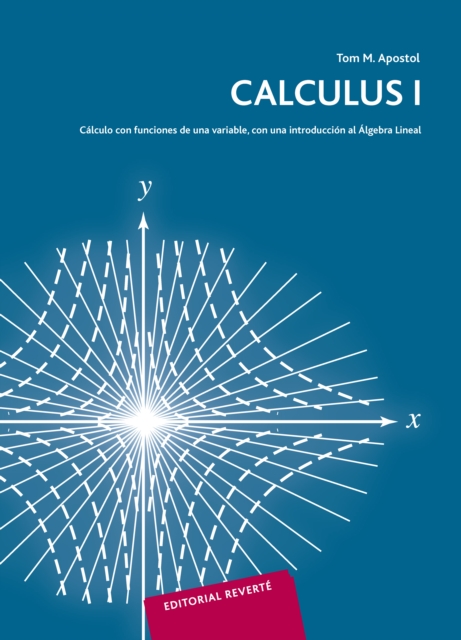
Los dos tomos de este Calculus sirven muy adecuadamente como textos de dos primeros cursos en estudios que requieran una sólida base matemática, pues a las notables cualidades didácticas de un libro destinado a introducir al estudiante en el espíritu y práctica de la Matemática básica, se añade la ponderación y rigor lógico en la exposición de las teorías, lo que da carácter modélico a esta obra.
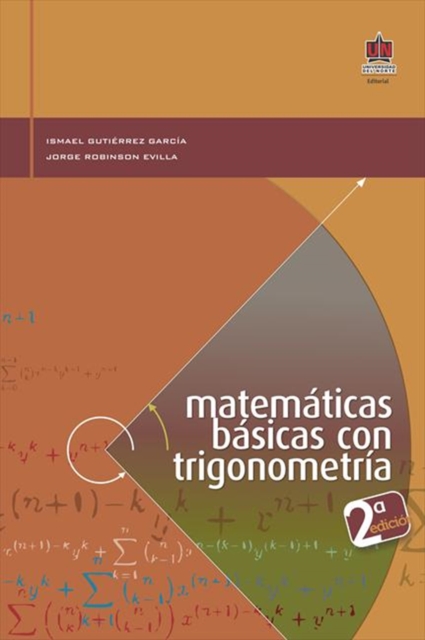
En esta obra, diseñada especialmente para estudiantes de los primeros semestres de Ingenierías, se destacan claramente tres ejes temáticos: los números reales como un cuerpo ordenado, las funciones reales de variable real y los primeros elementos de la trigonometría plana.
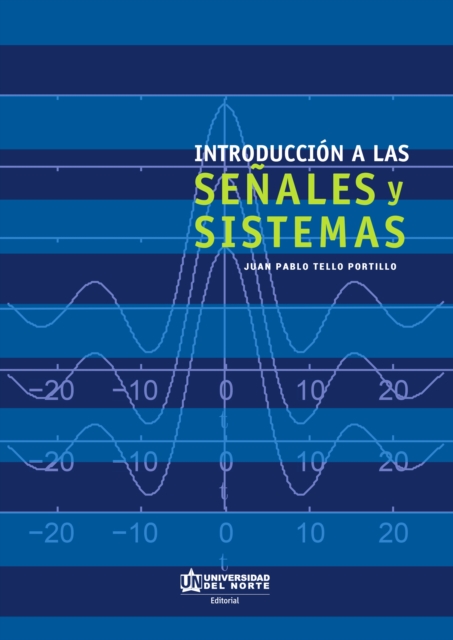
El propósito de este libro es brindar los conceptos fundamentales de las señales y los sistemas, todos ellos acompañados de la descripción matemática que los sustenta y apoyado de algunas representaciones gráficas necesarias para dar claridad a lo tratado.
Esta obra tiene su origen en los cursos de Matemáticas Discretas y Lógica Matemática ofrecidos por el autor en los programas de Ingeniería de Sistemas y Matemáticas de la Universidad del Norte (Colombia).
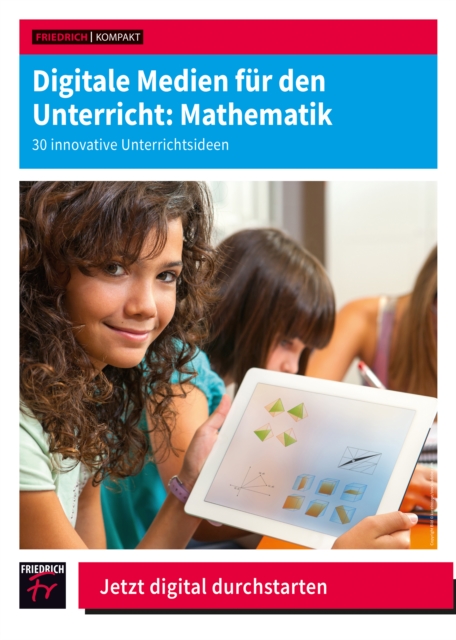
Willkommen in der "Bildung in der digitalen Welt": Mit einem Wisch Gleichungen umstellen, am Tablet Polyedernetze falten, Körper rotieren, Vektoren in AR anzeigen oder selbstorganisiert ein Mathe-Escape lösen - neue digitale Möglichkeiten machen Mathematik lebendig, leicht zugänglich und spannend.
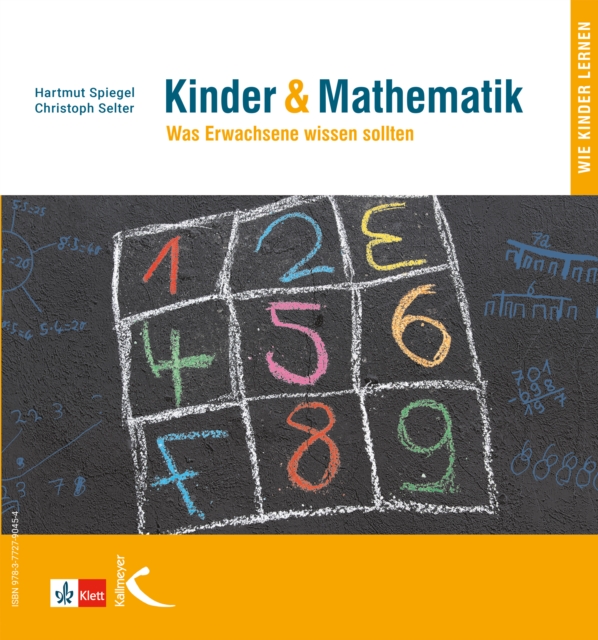
Mit den Augen der KinderBemüht man sich, das mathematische Denken und Lernen von Kindern auch mit deren Augen zu sehen, erkennt man, dass Kinder sehr wohl vernünftig, aber eben anders denken als wir Erwachsenen, als wir es vermuten, als wir es für sie als richtig empfinden, als andere Kinder und als sie selbst in vergleichbaren Situationen.
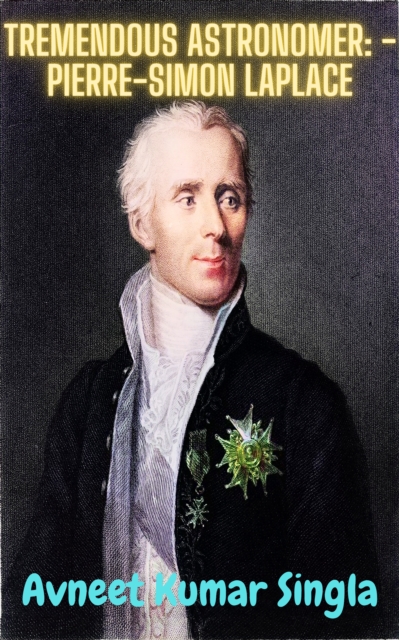
Pierre-Simon, marquis de Laplace (23 March 1749 - 5 March 1827) was a French researcher and polymath whose work was critical to the advancement of designing, science, measurements, physical science, cosmology, and reasoning.
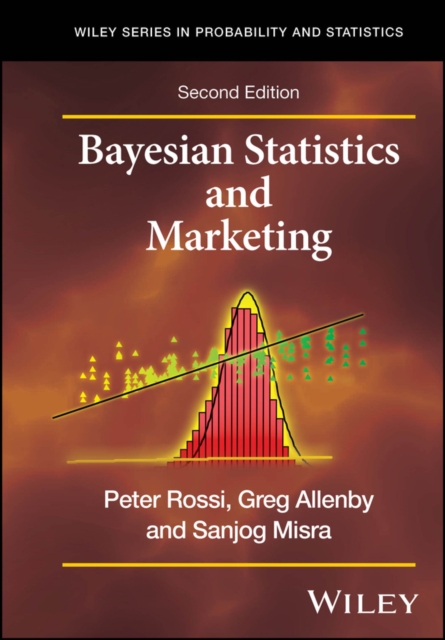
Fine-tune your marketing research with this cutting-edge statistical toolkit Bayesian Statistics and Marketing illustrates the potential for applying a Bayesian approach to some of the most challenging and important problems in marketing.
Este libro aparece tras varios años de experiencia dictando el curso Tópicos avanzados de análisis de supervivencia dentro del plan de estudios del doctorado en Ciencias Estadísticas de la Universidad Nacional de Colombia, sede Medellín, y tiene la ventaja de estar escrito en español.
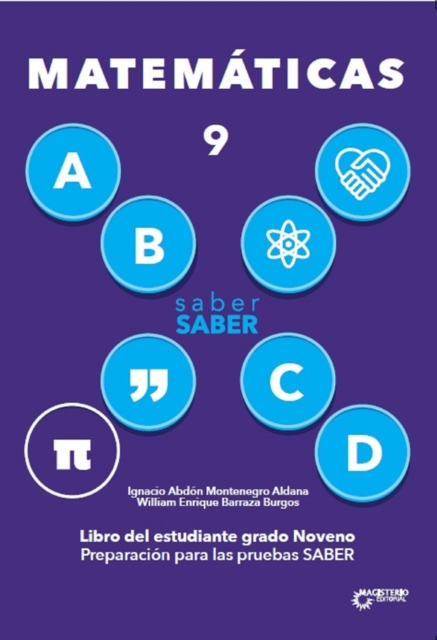
Es fundamental que directivos, docentes, estudiantes y sus familias cuenten con los medios para comprender la estructura y el alcance de las Pruebas Saber, de tal manera que les sea posible orientar, intencional y pertinentemente, los currículos escolares y avanzar en el mejoramiento sistemático de los resultados obtenidos por los estudiantes.
Con este libro se quiere indagar sobre las motivaciones didácticas, no psicológicas ni clínicas, que pueden estar en la base de amplias y diferentes dificultades que se manifiestan en los estudiantes cuando se intenta el aprendizaje de la matemática.
Este libro tiene como propósito presentar al público de los docentes de matemática en formación y en servicio una de las ideas más originales y fecundas en didáctica de la matemática, la idea de contrato didáctico, quizás, el primer tema que ha iniciado el fructífero cambio de la historia de la disciplina en los años 60.
Es fundamental que directivos, docentes, estudiantes y sus familias cuenten con los medios para comprender la estructura y el alcance de las Pruebas Saber, de tal manera que les sea posible orientar, intencional y pertinentemente, los currículos escolares y avanzar en el mejoramiento sistemático de los resultados obtenidos por los estudiantes.
Uno de los principios epistemológicos de valoración de la ciencia es que todo saber debe estar en la posesión de un objeto que causa, motiva y aviva el conocimiento.
Todo saber, sea cual sea su naturaleza o intención, debe permanecer en la posesión de un objeto, el cual es la causa, la motivación y le da vida al conocimiento.
Es fundamental que directivos, docentes, estudiantes y sus familias cuenten con los medios para comprender la estructura y el alcance de las Pruebas Saber, de tal manera que les sea posible orientar, intencional y pertinentemente, los currículos escolares y avanzar en el mejoramiento sistemático de los resultados obtenidos por los estudiantes.
Es fundamental que docentes, directivos docentes, padres y cuidadores dispongan de los medios para comprender la estructura y el alcance de las Pruebas Saber.
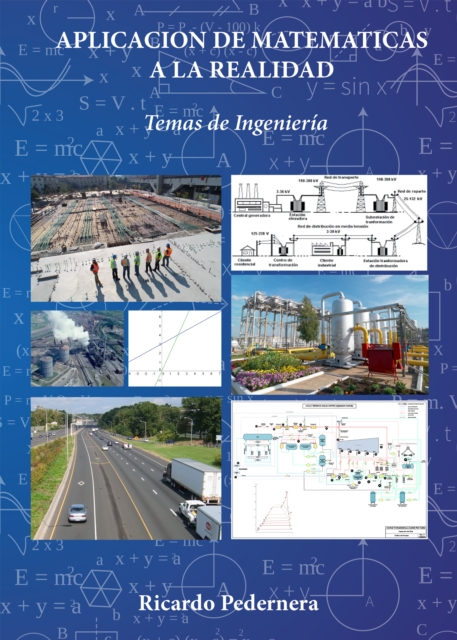
El libro motiva a la aplicación de las matemáticas que se estudian en la secundaria y en la carrera de ingeniería, a través del planteo y la resolución de problemas de diversa índole que se presentan en el quehacer de la profesión de ingeniería.