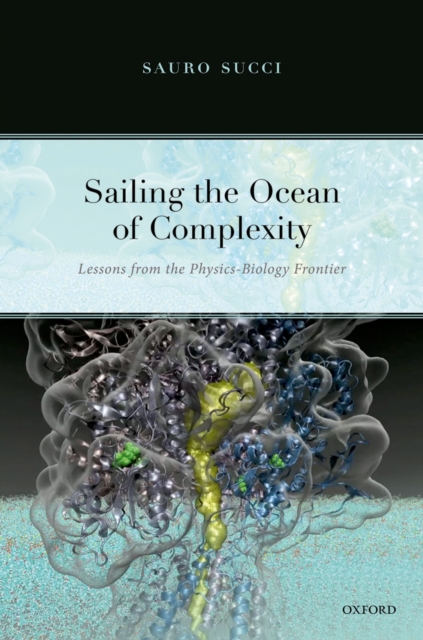
Historically, science has sought to reduce complex problems to their simplest components, but more recently it has recognized the merit of studying complex phenomena in situ.
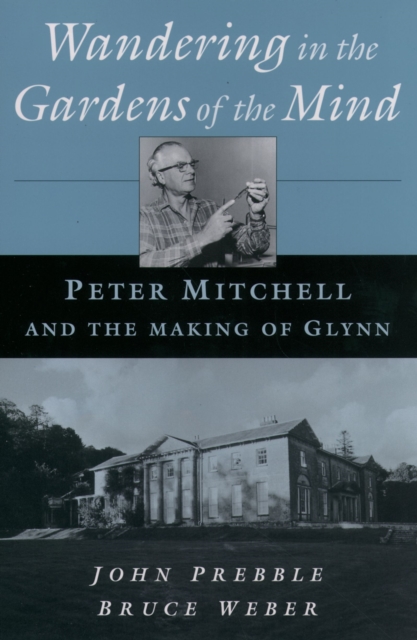
Peter Mitchell, winner of the 1978 Nobel Prize for chemistry for his chemiosmotic theory, was a highly original scientist who revolutionized our understanding of cellular metabolism and bioenergetics.
High Pressure Effects in Molecular Biophysics and Enzymology is designed to acquaint biochemists, biophysicists, and graduate students with advances in the application of high pressure in connection with spectroscopy as a research tool in the study of biomolecules.
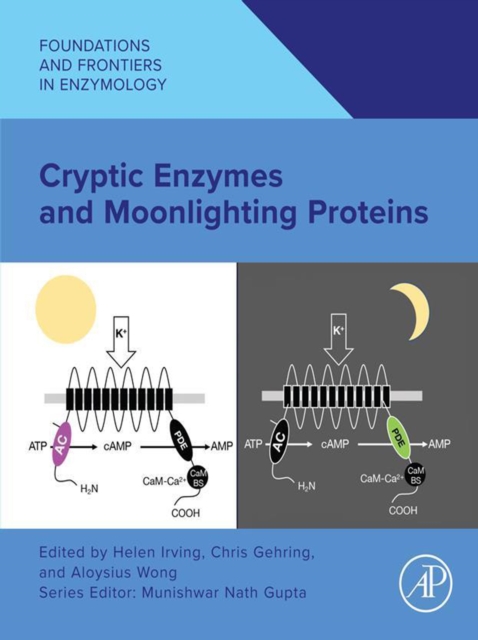
Cryptic Enzymes and Moonlighting Proteins, a new volume in the Foundations and Frontiers in Enzymology series, offers a thorough overview of cryptic enzymes and moonlighting proteins in signaling cascades.
Time-dependent density-functional theory (TDDFT) describes the quantum dynamics of interacting electronic many-body systems formally exactly and in a practical and efficient manner.
Time-dependent density-functional theory (TDDFT) describes the quantum dynamics of interacting electronic many-body systems formally exactly and in a practical and efficient manner.
This pioneering graduate textbook provides readers with the concepts and practical tools required to understand the maximum entropy principle, and apply it to an understanding of ecological patterns.
Bio-nanocomposites combine the enhanced properties of commercial polymer nanocomposites with the low environmental impact of biodegradable material, making them a topic of great current interest.
Outline of Crystallography for Biologists is intended for researchers and students in the biological sciences who require an insight into the methods of X-ray crystallography without needing to learn all the relevant theory.
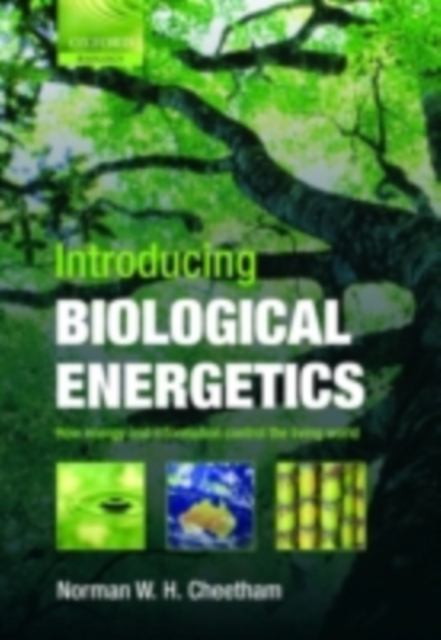
This novel, interdisciplinary text presents biological understanding in terms of general underlying principles, treating energy as the overarching theme and emphasizing the all-pervading influence of energy transformation in every process, both living and non-living.
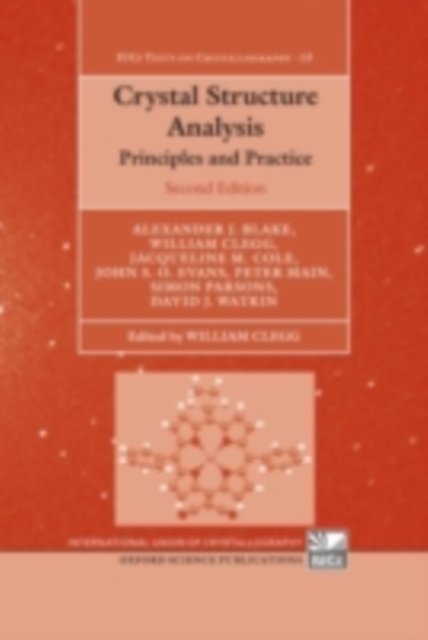
This text focuses on the practical aspects of crystal structure analysis, and provides the necessary conceptual framework for understanding and applying the technique.
Modelling of heterogeneous processes, such as electrochemical reactions, extraction or ion-exchange, usually requires solving the transport problem associated to the process.
The name "e;random walk"e; for a problem of a displacement of a point in a sequence of independent random steps was coined by Karl Pearson in 1905 in a question posed to readers of "e;Nature"e;.
The crystallization of proteins and nucleic acids and/or their complexes has become more highly automated but is still often a trial and error based approach.
The first systematic experiments in neutron scattering were carried out in the late 1940s using fission reactors built for the nuclear power programme.
The study of dielectric properties of biological systems and their components is important not only for fundamental scientific knowledge but also for its applications in medicine, biology, and biotechnology.
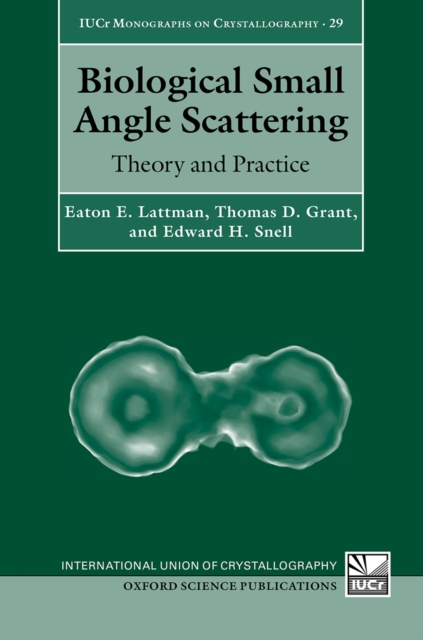
Small-angle scattering of X-rays (SAXS) and neutrons (SANS) is an established method for the structural characterization of biological objects in a broad size range from individual macromolecules (proteins, nucleic acids, lipids) to large macromolecular complexes.
Outline of Crystallography for Biologists is intended for researchers and students in the biological sciences who require an insight into the methods of X-ray crystallography without needing to learn all the relevant theory.
Peter Mitchell, winner of the 1978 Nobel Prize for chemistry for his chemiosmotic theory, was a highly original scientist who revolutionized our understanding of cellular metabolism and bioenergetics.
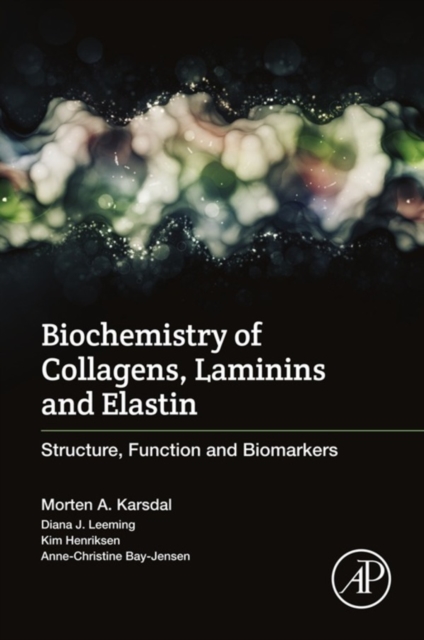
Biochemistry of Collagens, Laminins, and Elastin: Structure, Function, and Biomarkers provides a comprehensive introduction to collagen and structural proteins.
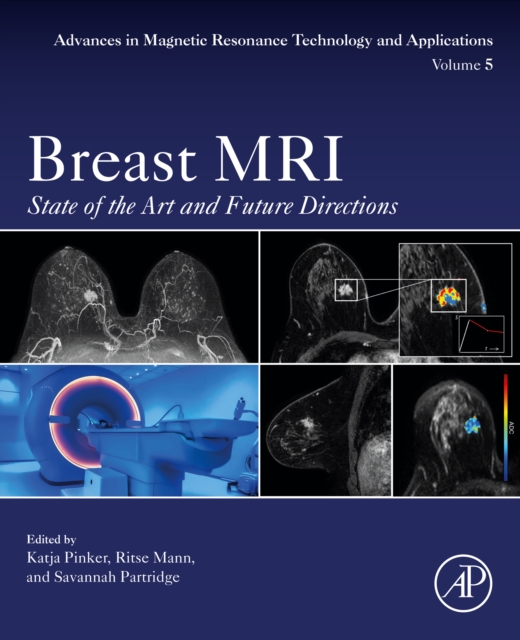
Breast MRI: State of the Art and Future Directions provides a comprehensive overview of the current applications of breast MRI, including abbreviated MRI, as well as presenting technical recommendations, practical implementation and associated challenges in clinical routine.
Quantum Boundaries of Life, Volume 82 in the Advances in Quantum Chemistry series, presents current topics in this rapidly developing field that have emerged at the cross section of mathematics, physics, chemistry and biology.
Electricity and Magnetism (E&M) underlies many lifesaving medical devices, such as magnetic resonance imaging scanners, neural stimulators, and heart pacemakers.