Shaped by Quantum Theory, Technology, and the Genomics RevolutionThe integration of photonics, electronics, biomaterials, and nanotechnology holds great promise for the future of medicine.
As the car anticipates its dance around the racetrack, the engine growls and pops, and all senses become immersed in the smell of exhaust vapors and the sounds of raw speed and excitement.
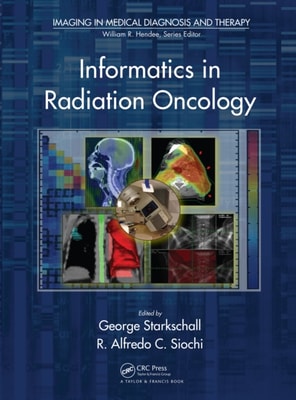
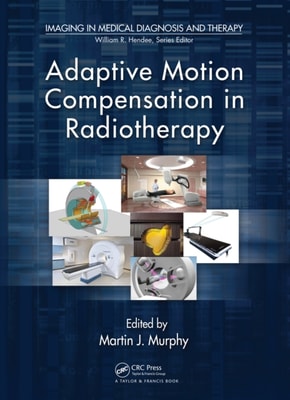
Images from CT, MRI, PET, and other medical instrumentation have become central to the radiotherapy process in the past two decades, thus requiring medical physicists, clinicians, dosimetrists, radiation therapists, and trainees to integrate and segment these images efficiently and accurately in a clinical environment.
Precision farming, site infrastructure assessment, hydrologic monitoring, and environmental investigations- these are just a few current and potential uses of near-surface geophysical methods in agriculture.
Reflecting the increased importance of the collaborations between radiation oncology and informatics professionals, Informatics in Radiation Oncology discusses the benefits of applying informatics principles to the processes within radiotherapy.
Sensor technologies have experienced dramatic growth in recent years, making a significant impact on national security, health care, environmental improvement, energy management, food safety, construction monitoring, manufacturing and process control, and more.
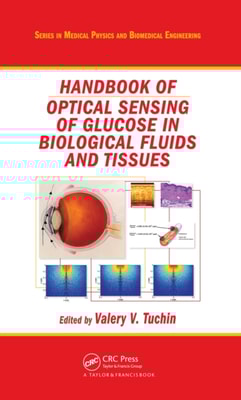
Although noninvasive, continuous monitoring of glucose concentration in blood and tissues is one of the most challenging areas in medicine, a wide range of optical techniques has recently been designed to help develop robust noninvasive methods for glucose sensing.
This book provides an insight into the depth and rich possibilities of the sophisticated technology of mass spectrometry that has brought Nobel Prizes to seven successive generations of scientists.
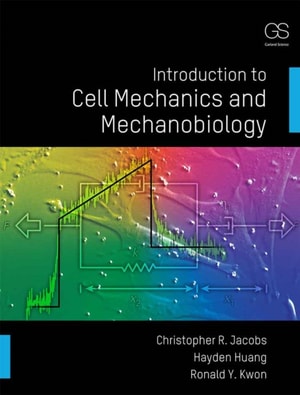
Introduction to Cell Mechanics and Mechanobiology is designed for a one-semester course in the mechanics of the cell offered to advanced undergraduate and graduate students in biomedical engineering, bioengineering, and mechanical engineering.
In considering ways that physics has helped advance biology and medicine, what typically comes to mind are the various tools used by researchers and clinicians.
This book provides an insight into the depth and rich possibilities of the sophisticated technology of mass spectrometry that has brought Nobel Prizes to seven successive generations of scientists.
Physics: An Introduction to Physical Dynamics provides an accessible introduction to the fundamentals of physics for science and engineering undergraduates who are studying elementary physics.
Computational Optical Biomedical Spectroscopy and Imaging covers recent discoveries and research in the field by some of the best inventors and researchers in the world.
Edited by a renowned international expert in the field, Nuclear Medicine Physics offers an up-to-date, state-of-the-art account of the physics behind the theoretical foundation and applications of nuclear medicine.
Since most therapeutic efforts have been predominantly focused on pharmaceuticals that target proteins, there is an unmet need to develop drugs that intercept cellular pathways that critically involve nucleic acids.
This book presents a summary of the research progress in the field of petroleum radiation processing, which has produced technology that offers effective and economic solutions for some pressing oil refining challenges.
With a novel approach that bridges theory and practice, this book uses a uniquely structured series of chapters and appendices to present the basic theory and equations of fluid flow with just the right amount of detail and discussion.
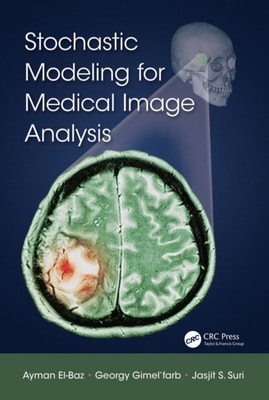
In the medical imaging field, clinicians and researchers are increasingly moving from the qualitative assessment of printed images to the quantitative evaluation of digital images since the quantitative techniques often improve diagnostic accuracy and complement clinical assessments by providing objective criteria.
Emphasizing a physical understanding with many illustrations, Introduction to the Physics of Highly Charged Ions covers the major areas of x-ray radiation and elementary atomic processes occurring with highly charged ions in hot laboratory and astrophysical plasmas.
In spite of the growing importance of Species Sensitivity Distribution models (SSDs) in ecological risk assessments, the conceptual basis, strengths, and weaknesses of using them have not been comprehensively reviewed.
Since their development in the 1990s, it has been discovered that diluted nitrides have intriguing properties that are not only distinct from those of conventional semiconductor materials, but also are conducive to various applications in optoelectronics and photonics.
Fields, Forces, and Flows in Biological Systems describes the fundamental driving forces for mass transport, electric current, and fluid flow as they apply to the biology and biophysics of molecules, cells, tissues, and organs.
Although the origin of Earth's and other celestial bodies' magnetic fields remains unknown, we do know that the motion of electrically conducting fluids generates and maintains these fields, forming the basis of magnetohydrodynamics (MHD) and, to a larger extent, dynamo theory.
Radiosensitizers and Radiochemotherapy in the Treatment of Cancer catalogs and describes the mechanism of action for entities characterized as radiosensitizers.
The technical development of optical tweezers, along with their application in the biological and physical sciences, has progressed significantly since the demonstration of an optical trap for micron-sized particles based on a single, tightly focused laser beam was first reported more than twenty years ago.
Macromolecules in the body form noncovalent associations, such as DNA-protein or protein-protein complexes, that control and regulate numerous cellular functions.
Intelligent and adaptive techniques are rapidly being used in all stages of medical treatment, from the initial diagnosis to planning delivery and follow-up therapy.
Physics: An Introduction to Physical Dynamics provides an accessible introduction to the fundamentals of physics for science and engineering undergraduates who are studying elementary physics.
By becoming knowledgeable about optimal treatment methods designed specifically for childhood cancers, members of a radiotherapy team can help improve both pediatric cancer survival statistics and patients' quality of life.
Estuaries in every country exemplify the same paradox- they are among the most productive ecosystems and also among the most impacted by anthropogenic activities.