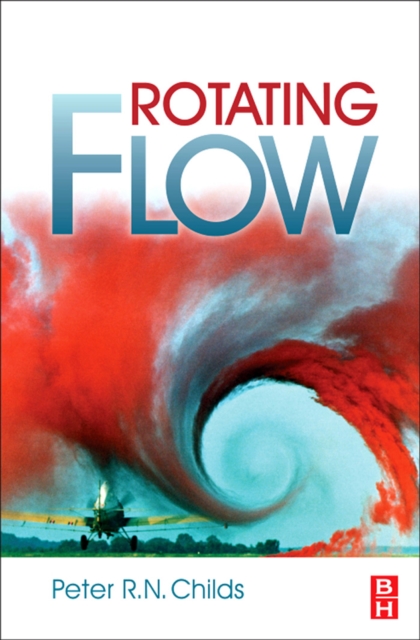
Rotating flow is critically important across a wide range of scientific, engineering and product applications, providing design and modeling capability for diverse products such as jet engines, pumps and vacuum cleaners, as well as geophysical flows.
The interpretation of geophysical data in exploration geophysics, well logging, engineering, mining and environmental geophysics requires knowledge of the physical properties of rocks and their correlations.
Few Body Dynamics presents the proceedings of the VII International Conference on Few Body Problems in Nuclear and Particle Physics, held in Delhi from December 29, 1975 to January 3, 1976.
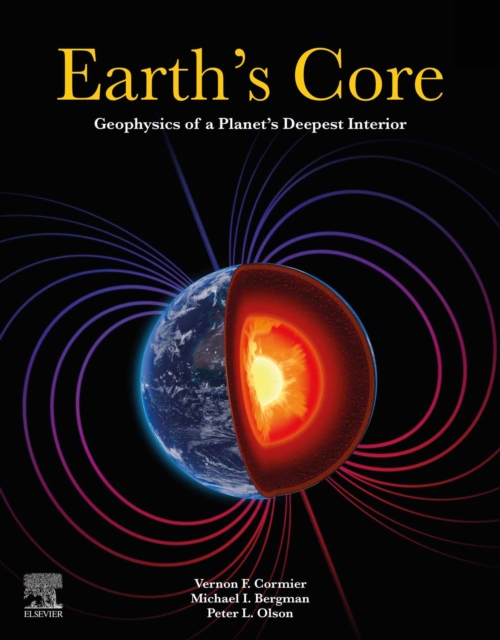
Earth's Core: Geophysics of a Planet's Deepest Interior provides a multidisciplinary approach to Earth's core, including seismology, mineral physics, geomagnetism, and geodynamics.
Rare Earth and Transition Metal Doping of Semiconductor Material explores traditional semiconductor devices that are based on control of the electron's electric charge.
High-Resolution NMR Techniques in Organic Chemistry, Third Edition describes the most important NMR spectroscopy techniques for the structure elucidation of organic molecules and the investigation of their behaviour in solution.
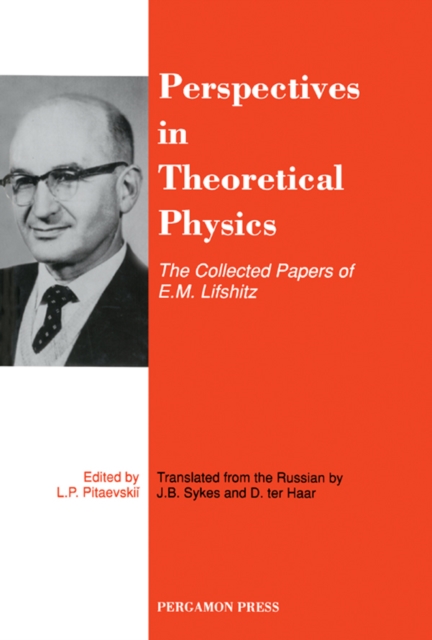
Evgenii Mikhailovich Lifshitz is perhaps best known for his long association with his mentor Lev D Landau, with whom he co-wrote the classic Course of Theoretical Physics, but he was a noted and respected Soviet physicist in his own right.
This volume provides a thorough review and evaluation of the use of solar optical materials in applications which have high potential for commercial development.
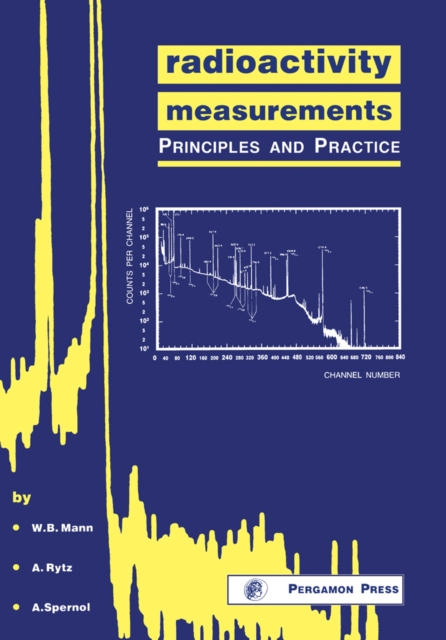
The authors have addressed the basic need for internationally consistent standards and methods demanded by the new and increasing use of radioactive materials, radiopharmaceuticals and labelled compounds.
Ship Hydrostatics and Stability is a complete guide to understanding ship hydrostatics in ship design and ship performance, taking you from first principles through basic and applied theory to contemporary mathematical techniques for hydrostatic modeling and analysis.
Computational Fluid Dynamics, Second Edition, provides an introduction to CFD fundamentals that focuses on the use of commercial CFD software to solve engineering problems.
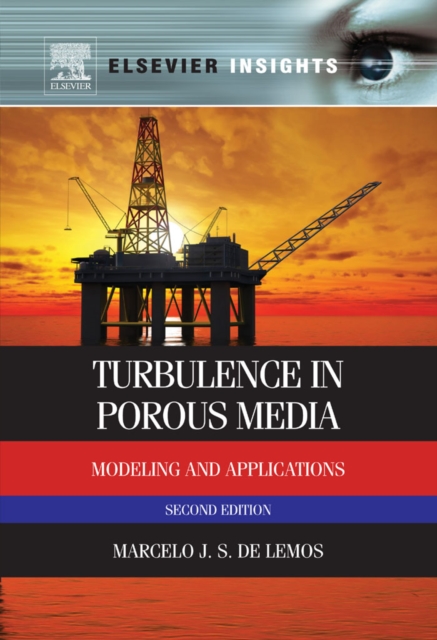
Turbulence in Porous Media introduces the reader to the characterisation of turbulent flow, heat and mass transfer in permeable media, including analytical data and a review of available experimental data.
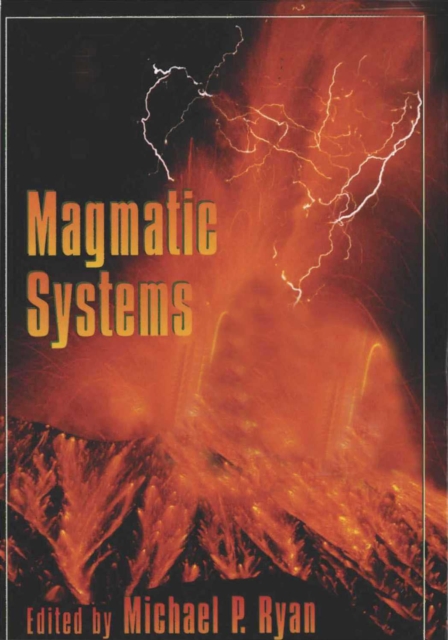
With its integrated and cohesive coverage of the current research, Magmatic Systems skillfully explores the physical processes, mechanics, and dynamics of volcanism.
In the forty-eight years that have gone by since the first volume of Progress in Optics was published, optics has become one of the most dynamic fields of science.
This Second Edition provides solid state scientists, who are not necessarily experts in crystallography, with an understandable and comprehensive guide to the new International Tables for Crystallography.
Semiconductors and the Information Revolution sets out to explain the development of modern electronic systems and devices from the viewpoint of the semiconductor materials (germanium, silicon, gallium arsenide and many others) which made them possible.
Work with individual atoms and molecules aims to demonstrate that miniaturized electronic, optical, magnetic, and mechanical devices can operate ultimately even at the level of a single atom or molecule.
Widely adopted around the world, Engineering Materials 1 is a core materials science and engineering text for third- and fourth-year undergraduate students; it provides a broad introduction to the mechanical and environmental properties of materials used in a wide range of engineering applications.
This work presents one of the most powerful methods of plasma diagnosis in exquisite detail, to guide researchers in the theory and measurement techniques of light scattering in plasmas.
These volumes of Proceedings are the record of the 1999 ISES Solar World Congress, held in Jerusalem, Israel on the 45th Anniversary of the International Solar Energy Society.
For advanced undergraduate and beginning graduate students in atmospheric, oceanic, and climate science, Atmosphere, Ocean and Climate Dynamics is an introductory textbook on the circulations of the atmosphere and ocean and their interaction, with an emphasis on global scales.
In the fourty-six years that have gone by since the first volume of Progress in Optics was published, optics has become one of the most dynamic fields of science.
Magnetic methods are widely used in exploration, engineering, borehole and global geophysics, and the subjects of this book are the physical and mathematical principles of these methods regardless of the area of application.
During the past few decades, deep-sea research benefited greatly from a number of newly developed, highly sophisticated exploration techniques and comprehensive datasets, thanks to the immense industrial interest in deep-sea sediments.