Zwischen 1984 und 2009 wurden an der Wirtschaftswissenschaftlichen Fakultät der Eberhard Karls Universität Tübingen 300 Doctores rerum politicarum (Dr.
Das Editionsprojekt bietet eine umfassende Sammlung der Quellen zur Verfassungsgeschichte der Universität Greifswald aus deutschen, polnischen, schwedischen und dänischen Archiven.
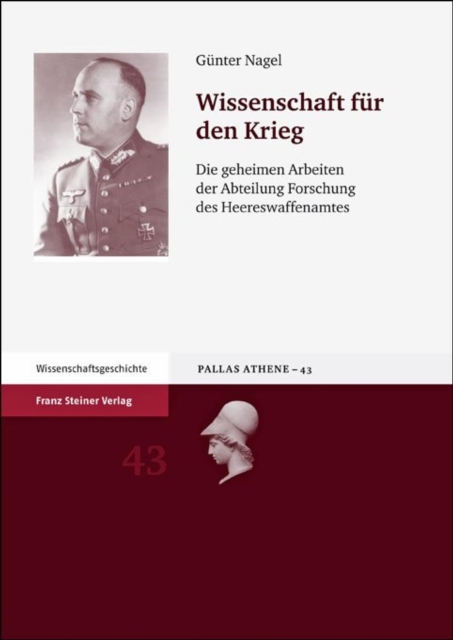
Der historische Spurensucher stößt in Kummersdorf, südlich von Berlin, auf ein weitläufiges Areal – übersät von Betonklötzen, Ruinen und verfallenen Gebäuden.
Johannes Fontana aus Venedig trat schon während seines Studiums in Padua als Verfasser origineller technischer und wissenschaftlicher Abhandlungen hervor.
Die während des Zweiten Weltkrieges von den Nationalsozialisten praktizierte Zwangsumsiedlungs- und Mordpolitik resultierte in einer Vielzahl visionärer Pläne für die ethnische Neuordnung Europas und wurde zugleich von diesen motiviert.
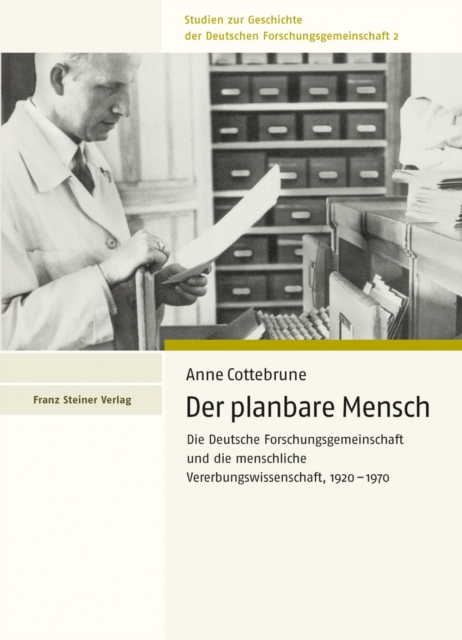
Seit 1933 zählten menschliche Erblehre, Eugenik und Rassenforschung zu den von der nationalsozialistischen Wissenschaftspolitik favorisierten Disziplinen.
Nikolaus von Kues lebte in Extremen – und in ebendiesen fort: Schon zu Lebenszeiten einer der einflussreichsten Persönlichkeiten des christlichen Abendlandes wurde der deutsche Theologe, Philosoph, Kirchendiplomat und Kardinal durch die unmittelbare Nachwelt zu einer wahren Lichtgestalt in der vermeintlichen Finsternis des Mittelalters verklärt, einem Überwinder der Grenzen von dogmatischem Buchgelehrtentum und religiösem Eifer und Vorboten einer Epoche der Neugier und des intellektuellen Aufbruchs.
In einer zunehmend globalisierten Welt rücken transnationale Fragestellungen verstärkt in den Fokus des Interesses, gerade in den Literatur- und Kulturwissenschaften.
Wenige Jahre nach der Wiedergründung der Johannes Gutenberg-Universität vereinbarten der Senat der Hochschule und die Stadt Mainz die Einrichtung des Grabfelds 71 auf dem Hauptfriedhof.
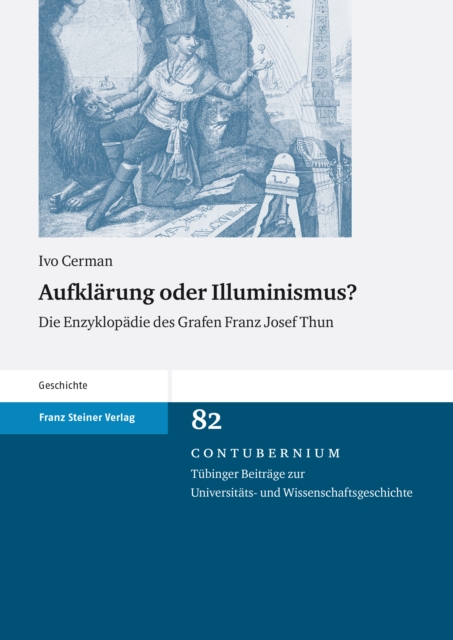
In die Geschichte sind Franz Josef Graf von Thun (1734–1801) und seine Frau Wilhelmine (1744–1800) als Gönner des Geniemusikers Wolfgang Amadeus Mozart eingegangen.
Zäsurübergreifend untersucht diese Arbeit das spannungsreiche Verhältnis von Wissenschaft und Politik am Beispiel der Germanistik in Leipzig, Berlin und Jena.
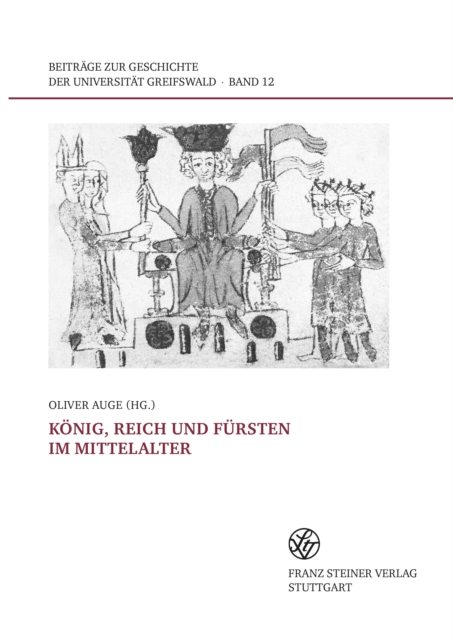
Im Herbst 2014 wurde der langjährige Inhaber der Greifswalder Professur für Allgemeine Geschichte des Mittelalters und Historische Hilfswissenschaften, Prof.
Die Biographie des Bildhauers Fritz von Graevenitz (1892–1959), Soldat, Adliger, Lehrer für Bildhauerei und Direktor der Stuttgarter Akademie der Bildenden Künste und seine Haltung im Nationalsozialismus sind zunächst individuell und lokal zu sehen, können aber dennoch auf andere Künstler und Gebiete übertragen werden.
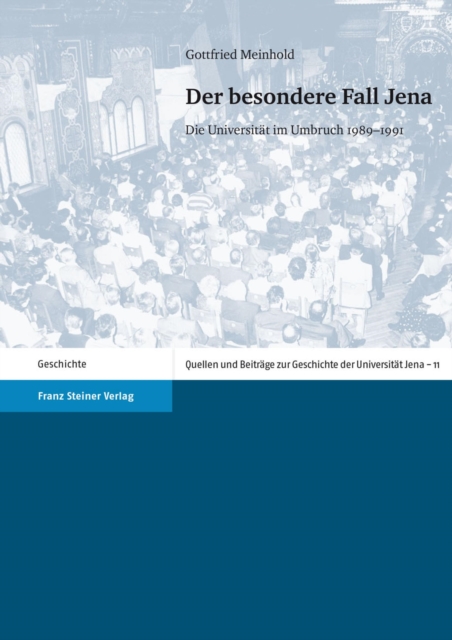
An der Jenaer Universität vollzogen sich die Revolution und das Erneuerungsgeschehen zwischen 1989 und 1991 mit besonderer Konsequenz und gewannen dabei eine auffällige Eigendynamik.
Das Editionsprojekt bietet eine umfassende Sammlung der Quellen zur Verfassungsgeschichte der Universität Greifswald aus deutschen, polnischen, schwedischen und dänischen Archiven.
Während jede Technik nach einer Abwägung ihres Nutzens und Schadens für die Gesellschaft verlangt, zog die zunehmende Technisierung des menschlichen Körpers eine Unschärfe der Grenzen zwischen dem Natürlichen und Technischen nach sich.
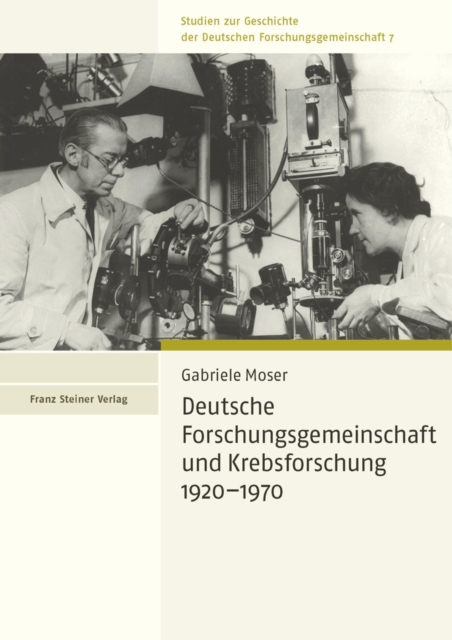
In Analogie zum deutschen Wissenschaftsbetrieb insgesamt verstand sich die 1920 als Notgemeinschaft der deutschen Wissenschaft gegründete DFG über Jahrzehnte hinweg als politiknahe Förderungsinstanz einer national akzentuierten Forschung.
Eine integrale Verbindung von Universitäts-, Wissenschafts- und Gesellschaftsgeschichte ist nach wie vor ein Desiderat, ebenso wie die Forderung, Zeitgeschichte als Wissen(schaft)sgeschichte zu schreiben.
Les mathématiques médiévales avaient un rôle économique très important au XIIème siècle étant donné que leur usage ne se limitait pas aux simples érudits, mais s'étendait aux commerçants bien établis et aux itinérants.
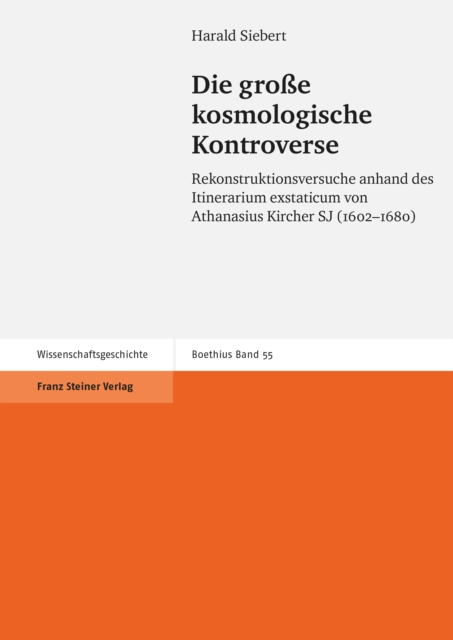
Die an Kontroversen reiche Geschichte der Wissenschaften dürfte keine Auseinandersetzung kennen, die heftiger und einschneidender war als der Streit um das heliozentrische Weltbild.
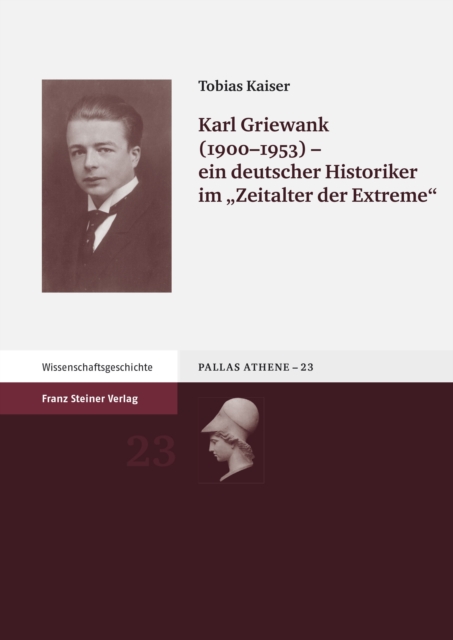
Der Historiker Karl Griewank, 1900 geboren und 1953 durch Suizid aus dem Leben geschieden, ist bekannt durch seine Studien zu Königin Luise, zum Wiener Kongreß und zur Geschichte der neuzeitlichen Revolutionen.
Für das Verständnis der Geschichte der Soziologie im zwanzigsten Jahrhundert ist es unabdingbar, die Debatten und institutionellen Strukturen zu rekonstruieren, die das Fach geprägt haben.
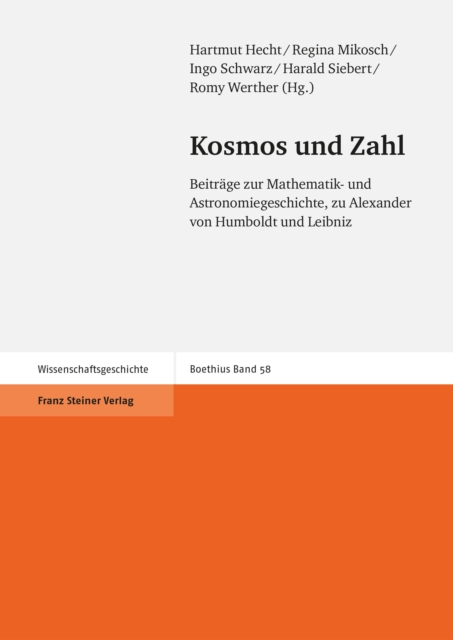
Unter dem Titel Kosmos und Zahl präsentieren Wissenschaftshistoriker aus den USA, aus Russland, England, Frankreich und Deutschland Originalarbeiten zur Astronomie- und Mathematikgeschichte, die durch Beiträge aus der Leibniz- und Alexander-von-Humboldt-Forschung fokussiert und ergänzt werden.