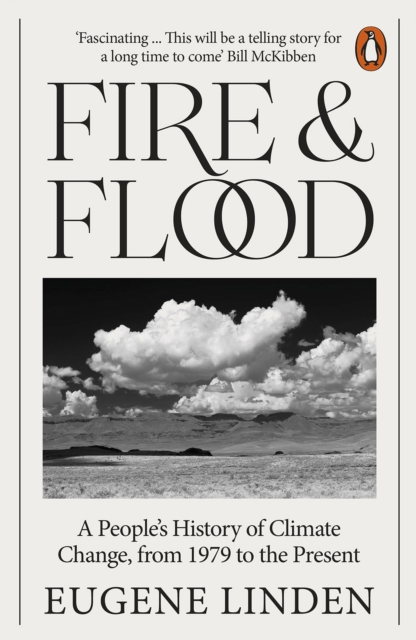
The definitive history of the modern climate change era, from an award-winning writer who has been at the centre of the fight for more than thirty yearsIn 1979, President Jimmy Carter was presented with the findings of scientists who had been investigating whether human activities might change the climate in harmful ways.
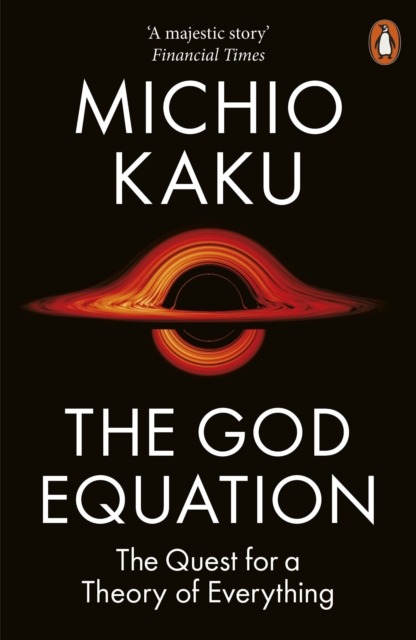
'A majestic story' David Bodanis, Financial Times From the international bestselling author of Physics of the Impossible and Physics of the FutureThis is the story of a quest: to find a Theory of Everything.
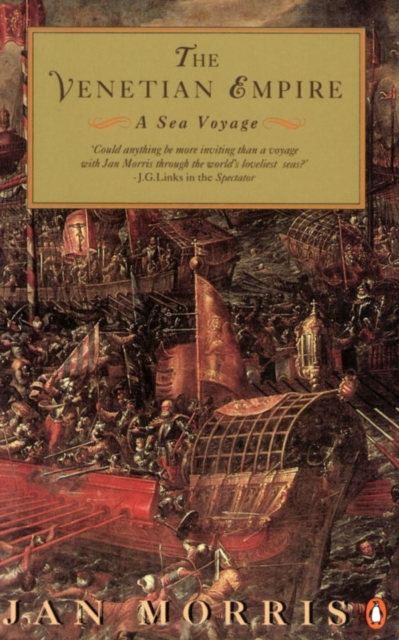
For six centuries the Republic of Venice was a maritime empire, its sovereign power extending throughout much of the eastern Mediterranean an empire of coasts, islands and isolated fortresses by which, as Wordsworth wrote, the mercantile Venetians 'held the gorgeous east in fee'.
How two charismatic, exceptionally talented physicists came to terms with the nuclear weapons they helped to createIn 1945, the United States dropped the bomb, and physicists were forced to contemplate disquieting questions about their roles and responsibilities.
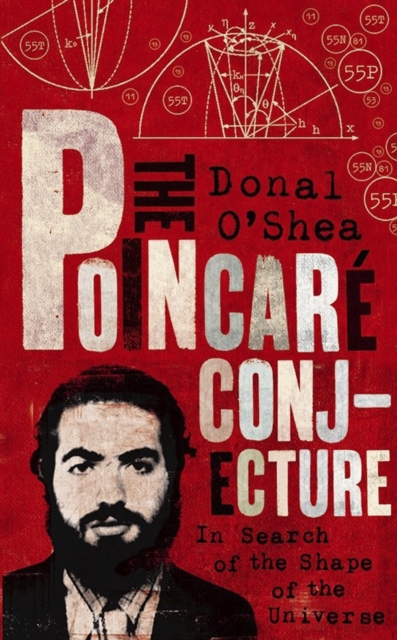
Through Euclid's Window, Leonard Mlondinow brilliantly and delightfully leads us on a journey through five revolutions in geometry, from the Greek concept of parallel lines to the latest notions of hyperspace.
'Bracingly apocalyptic stuff: atmospheric, chock-full of information and with a constantly escalating sense of pace and tension' Sunday TelegraphSimon Winchester's brilliant chronicle of the destruction of the Indonesian island of Krakatoa in 1883 charts the birth of our modern world.
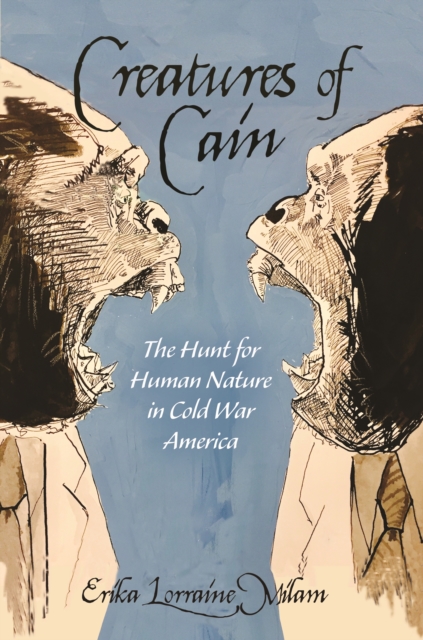
How Cold War America came to attribute human evolutionary success to our species' unique capacity for murderAfter World War II, the question of how to define a universal human nature took on new urgency.
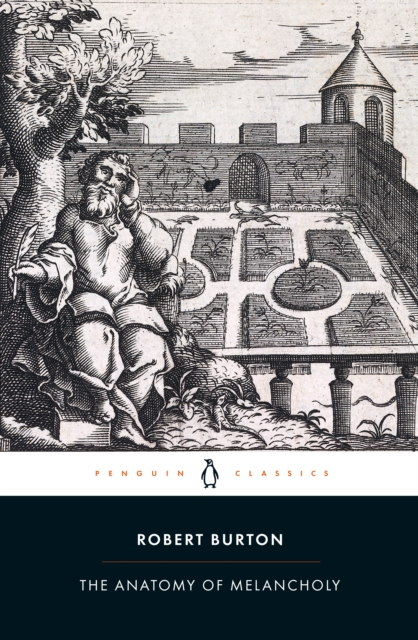
'The best book ever written' Nicholas Lezard, GuardianRobert Burton's labyrinthine, beguiling, playful masterpiece is his attempt to 'anatomize and cut up' every aspect of the condition of melancholy, from which he had suffered throughout his life.
A scientific adventure story that dramatizes how profoundly our oceans have changed over the past 150 yearsIn December 1872, HMS Challenger embarked on the first round-the-world oceanographic expedition.
How the classic mirror test served as a portal for scientists to explore questions of self-awarenessSince the late eighteenth century, scientists have placed subjects-humans, infants, animals, and robots-in front of mirrors in order to look for signs of self-recognition.
An inspiring anthology of writings by trailblazing women astronomers from around the globeThe Sky Is for Everyone is an internationally diverse collection of autobiographical essays by women who broke down barriers and changed the face of modern astronomy.
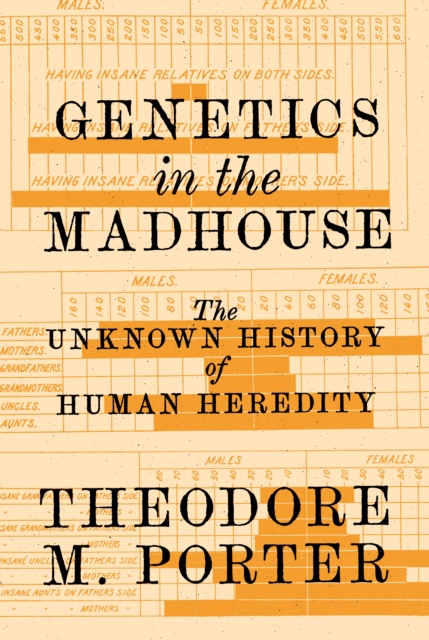
The untold story of how hereditary data in mental hospitals gave rise to the science of human heredityIn the early 1800s, a century before there was any concept of the gene, physicians in insane asylums began to record causes of madness in their admission books.
How the latest cutting-edge science offers a fuller picture of life in Rome and antiquityThis groundbreaking book provides the first comprehensive look at how the latest advances in the sciences are transforming our understanding of ancient Roman history.
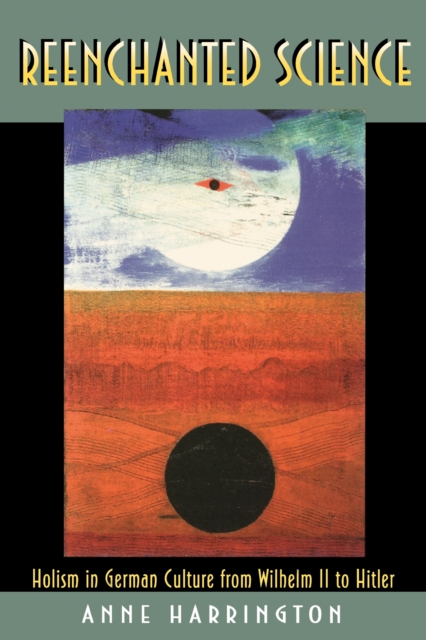
By the 1920s in Central Europe, it had become a truism among intellectuals that natural science had "e;disenchanted"e; the world, and in particular had reduced humans to mere mechanisms, devoid of higher purpose.
Technology, perhaps the most salient feature of our time, affects everything from jobs to international law yet ranks among the most unpredictable facets of human life.
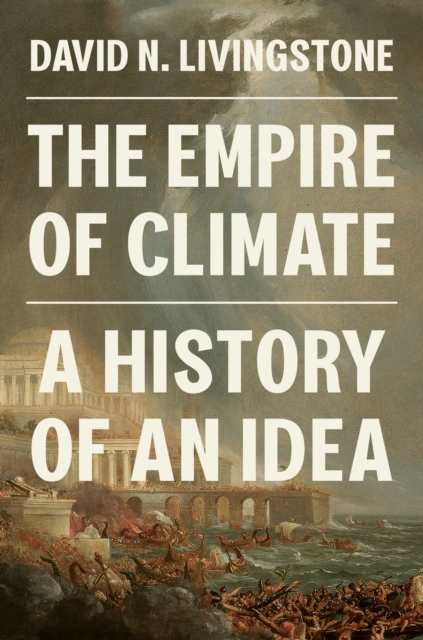
How the specter of climate has been used to explain history since antiquityScientists, journalists, and politicians increasingly tell us that human impacts on climate constitute the single greatest threat facing our planet and may even bring about the extinction of our species.
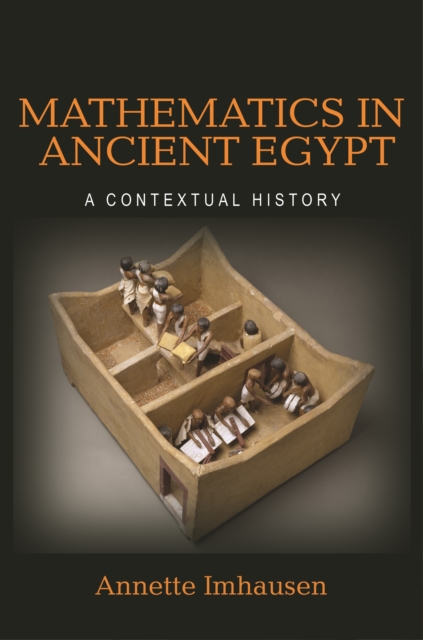
A survey of ancient Egyptian mathematics across three thousand yearsMathematics in Ancient Egypt traces the development of Egyptian mathematics, from the end of the fourth millennium BC-and the earliest hints of writing and number notation-to the end of the pharaonic period in Greco-Roman times.
An acclaimed biography of the Enlightenment's greatest mathematicianThis is the first full-scale biography of Leonhard Euler (1707-83), one of the greatest mathematicians and theoretical physicists of all time.
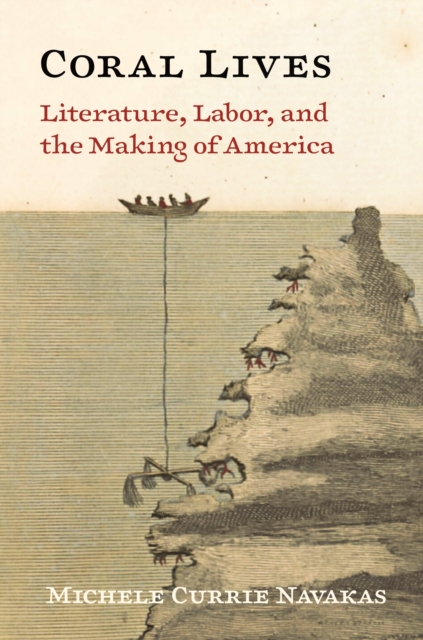
A literary and cultural history of coralas an essential element of the marine ecosystem, a personal ornament, a global commodity, and a powerful political metaphorToday, coral and the human-caused threats to coral reef ecosystems symbolize our ongoing planetary crisis.
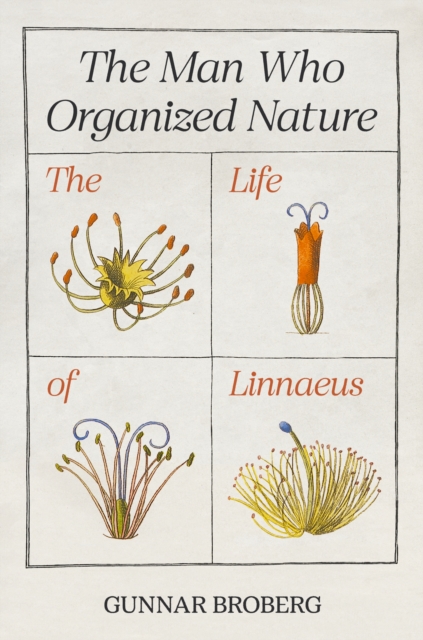
A vivid portrait of the life and work of Carl LinnaeusCarl Linnaeus (17071778), known as the father of modern biological taxonomy, formalized and popularized the system of binomial nomenclature used to classify plants and animals.
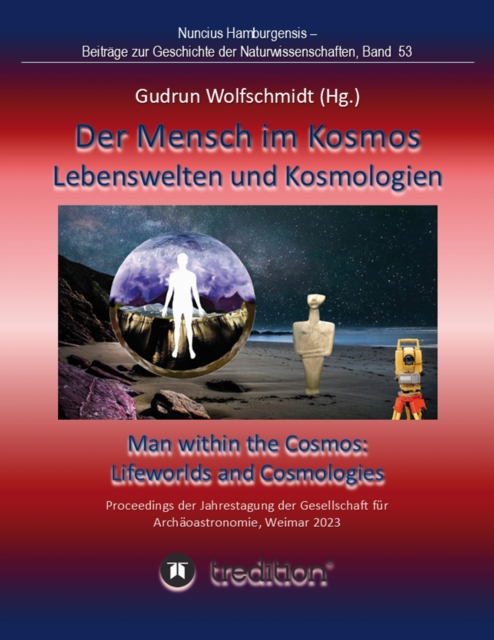
Das Buch „Der Mensch im Kosmos – Lebenswelten und Kosmologien“ (Man within the Cosmos – Lifeworlds and Cosmologies) präsentiert die Vorträge der Tagung der Gesellschaft für Archäoastronomie in Weimar 2023 in 17 Kapiteln – Kulturgeschichte der Astronomie von der Steinzeit bis zur Goethezeit.
auch als Farbversion und preiswerte schwarz-weiß-Version erhältlichDieses Büchlein handelt von dem, was auf den Etiketten, die an den Insekten einer historischen Sammlung hängen, zu lesen steht.
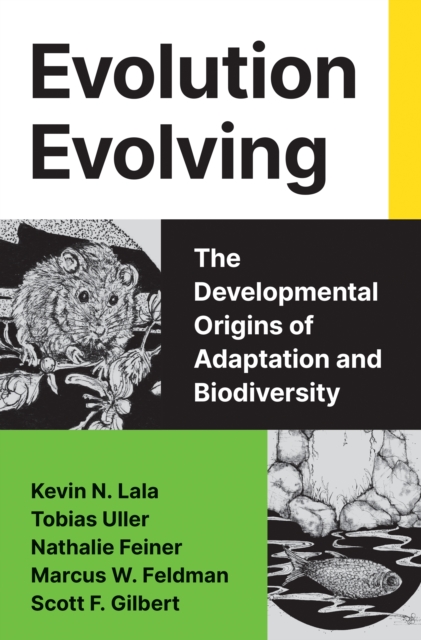
A new account of the central role developmental processes play in evolutionA new scientific view of evolution is emergingone that challenges and expands our understanding of how evolution works.
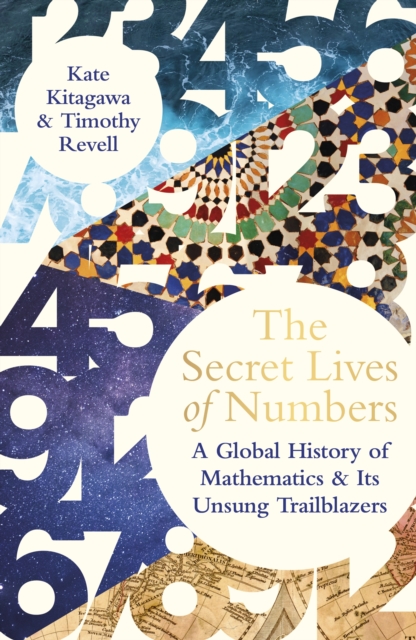
A revisionist, completely accessible and radically inclusive history of maths'Lively, satisfying, good at explaining difficult concepts' The Sunday TimesMathematics shapes almost everything we do.
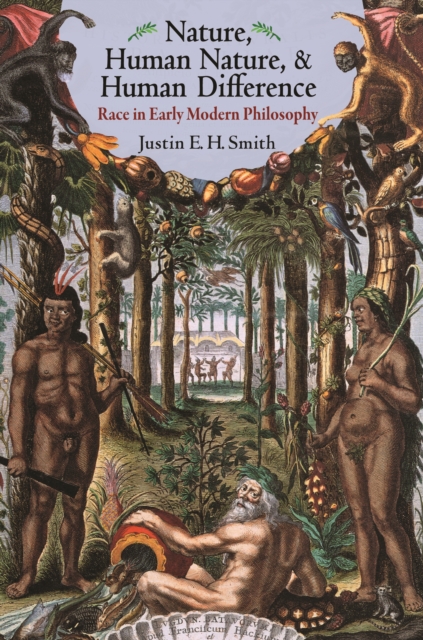
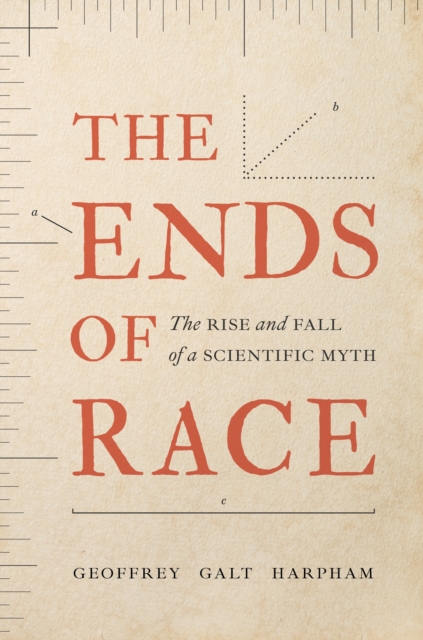
People have always been xenophobic, but an explicit philosophical and scientific view of human racial difference only began to emerge during the modern period.
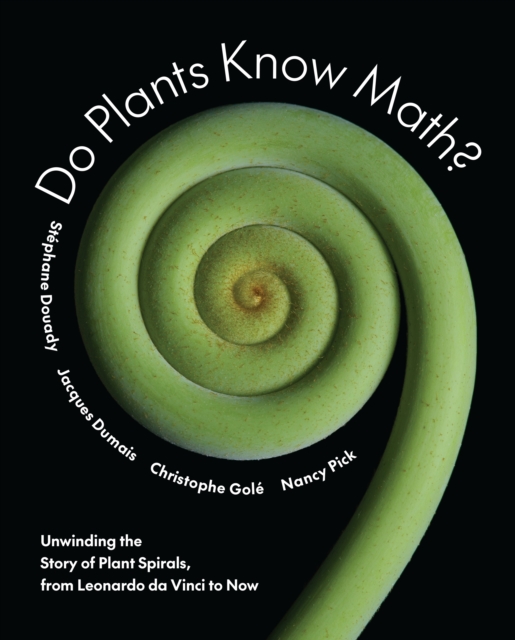
A breathtakingly illustrated look at botanical spirals and the scientists who puzzled over themCharles Darwin was driven to distraction by plant spirals, growing so exasperated that he once begged a friend to explain the mystery ';if you wish to save me from a miserable death.
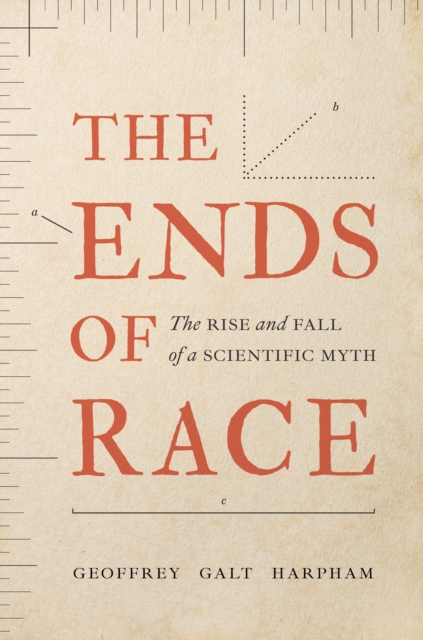
A new history of the scientific inquiry into raceThe attempt to define the concept of race in the eighteenth and nineteenth centuries is often described as a corrupt ';pseudo-science,' but in this strikingly original account, Geoffrey Galt Harpham describes the inquiry into race as a serious scientific project undertaken by some of the leading figures of the time.
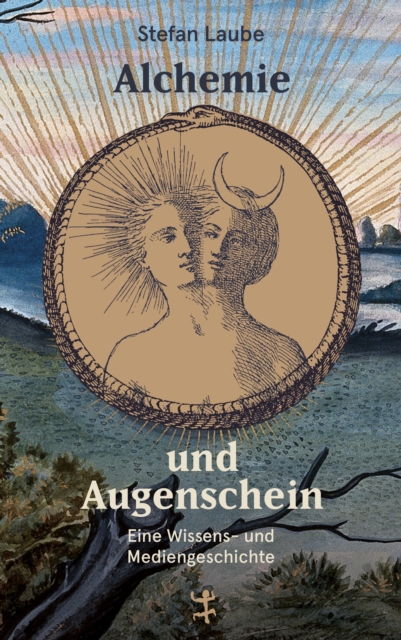
Alte illustrierte Bucher der Alchemie haben hier ihren groen Auftritt, in Titelbildern und Phiolenbildern - beides Bildtypen, die verdichten: Chemische Elemente heiraten, metallene Baume wachsen uber Nacht.
A new history of the scientific inquiry into raceThe attempt to define the concept of race in the eighteenth and nineteenth centuries is often described as a corrupt ';pseudo-science,' but in this strikingly original account, Geoffrey Galt Harpham describes the inquiry into race as a serious scientific project undertaken by some of the leading figures of the time.