A comprehensive natural history of one of Britain's favourite animalsThe badger has for many years occupied a unique place in the British consciousness.
Reviewing the history and causes of climatic change and evaluating regional models, this New Naturalist volume offers an important analysis of climatic variations.
A spellbinding portrait of Queen Elizabeth's conjuror - the great philosopher, scientist and magician, Dr John Dee (1527-1608) and a history of Renaissance science that could well be the next 'Longitude'.
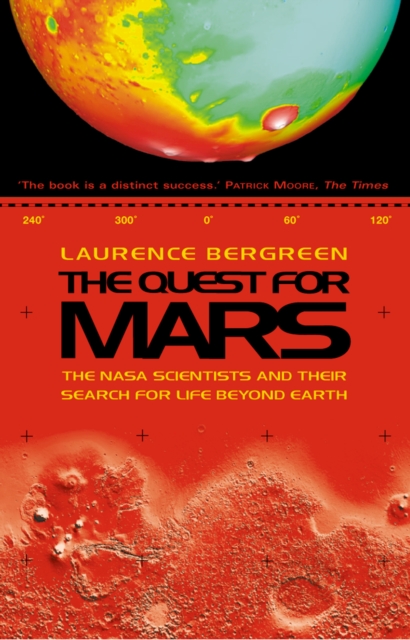
A narrative history of the men and women who have explored Mars and mapped its surface from afar, and in so doing conditioned our understanding of our nearest planetary neighbour.
The Fontana History of Chemistry, which draws on both the author's own original research and that of other scholars, is an unrivalled work of synthesis.
Combining myth, biography, and wit, this is a highly original depiction of cutting-edge science and its profound implications, told through the scientists who are rewriting life on earth.
The story of two nineteenth-century scientists who revealed one of the most significant and exciting events in the natural history of this planet: the existence of dinosaurs.
The bestselling author of Fermat's Last Theorem and The Code Book tells the story of the brilliant minds that deciphered the mysteries of the Big Bang.
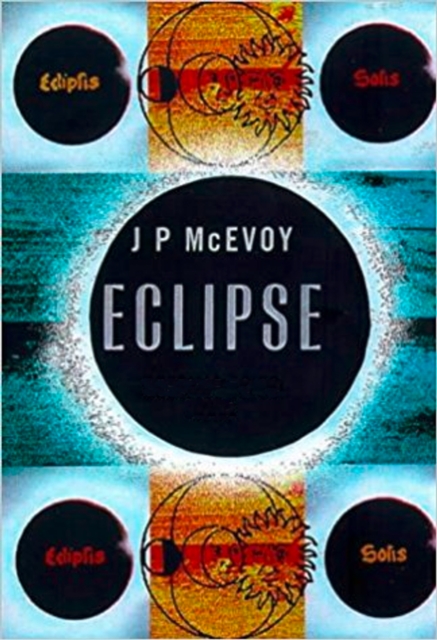
J P McEvoy looks at remarkable phenomenon of a solar eclipse through a thrilling narrative that charts the historical, cultural and scientific relevance of solar eclipses through the ages and explores the significance of this rare event.
In his bestselling book 1421:The Year China Discovered the World, Gavin Menzies revealed that it was the Chinese that discovered America, not Columbus.
First time in ebook format, this biography of Isaac Newton reveals the extraordinary influence that the study of alchemy had on the greatest Early Modern scientific discoveries.
From the best-selling author of THE DINOSAUR HUNTERS and THE LOST KING OF FRANCE comes the story of how our modern world was forged - in rivets, grease and steam; in blood, sweat and human imagination.
The imperative to 'know thyself' is both fundamental and profoundly elusive - for how can we ever truly comprehend the drama and complexity of the human experience?
Edited and introduced by Bill Bryson, with contributions from Richard Dawkins, Margaret Atwood, Richard Holmes, Martin Rees, Richard Fortey, Steve Jones, James Gleick and Neal Stephenson amongst others, this beautiful, lavishly illustrated book tells the story of science and the Royal Society, from 1660 to the present.
'An utterly dazzling book, the best piece of history I have read for a long time' Jerry Brotton, author of A History of the World in Twelve Maps'Not merely an horologist's delight, but an ingenious meditation on the nature and symbolism of time-keeping itself' Richard HolmesThe measurement of time has always been essential to human civilization, from early Roman sundials to the advent of GPS.
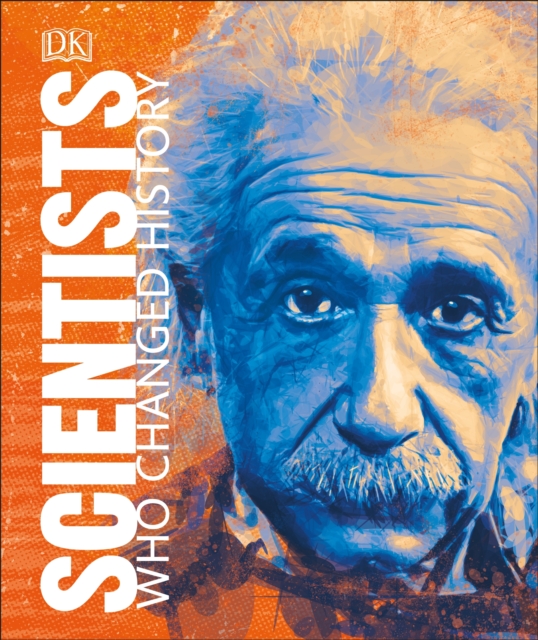
Explore the lives and achievements of more than 85 of the world's most inspirational and influential scientists with this innovative and boldly graphic biography-led book.
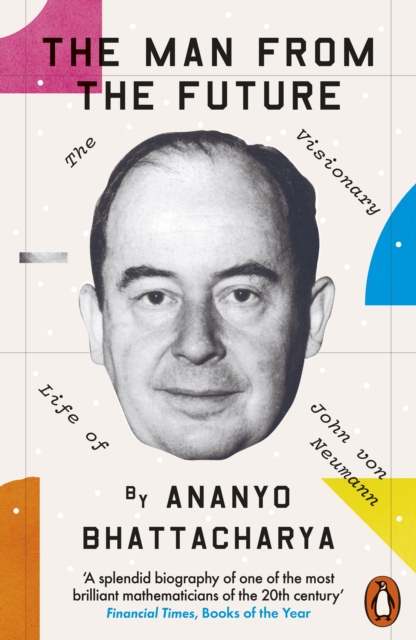
A FINANCIAL TIMES AND TLS BOOK OF THE YEARAn exhilarating new biography of John von Neumann: the lost genius who invented our world'A sparkling book, with an intoxicating mix of pen-portraits and grand historical narrative.
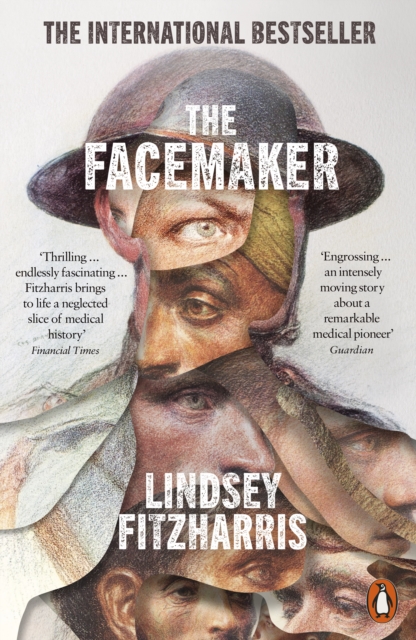
THE INTERNATIONAL BESTSELLERBest Books of the Year, GuardianThe poignant story of the visionary surgeon who rebuilt the faces of the First World War's injured heroes, and in the process ushered in the modern era of plastic surgeryFrom the moment the first machine gun rang out over the Western Front, one thing was clear: mankind's military technology had wildly surpassed its medical capabilities.
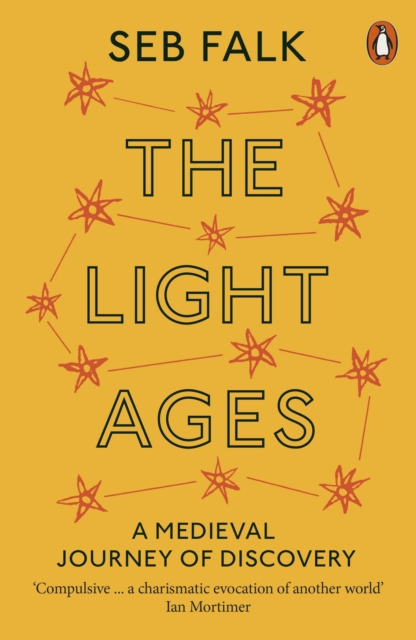
Chosen as a Book of the Year by The Times, Daily Telegraph, TLS, BBC History Magazine and Tablet'Compulsive, brilliantly clear and superbly well-written, it's a charismatic evocation of another world' Ian Mortimer, author of The Time Traveller's Guide to Medieval EnglandThe Middle Ages were a time of wonder.
A young theoretical physicist's guide to how the radical new science of counterfactuals can reveal the full scope of our universeThere is a vast class of properties that science has so far almost entirely neglected.
One of our great contemporary scientists reveals the ten profound insights that illuminate what everyone should know about the physical worldIn Fundamentals, Nobel laureate Frank Wilczek offers the reader a simple yet profound exploration of reality based on the deep revelations of modern science.