En los últimos años, el estudio de la evolución de los discursos y las prácticas psiquiátricas durante el franquismo se ha convertido en un capítulo relevante de la historiografía de la ciencia.
Maths 100 Ideas in 100 Words offers the essential facts at your fingertips, satisfying your mathematical curiosity and helping you to understand the biggest concepts in maths in concise, 100-word summaries.
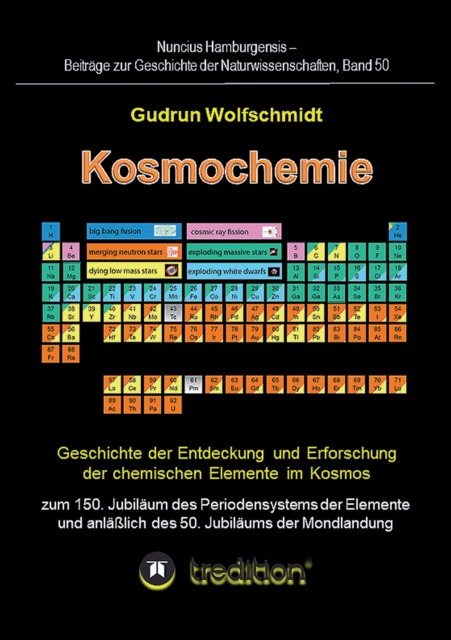
Obwohl Menschen auf keinen Fall zu den gefährdeten Tierarten auf diesem Planeten gehören, treibt Menschen offensichtlich die Sorge und die Befürchtung um, dass die Menschheit nicht überleben und damit die Tierart Homo sapiens für immer ausgelöscht werden könnte.
A revelatory account of the magus - the learned magician - and his place in the world of Renaissance EuropeAt the heart of the extraordinary ferment of the High Renaissance stood a distinctive, strange and beguiling figure: the magus.
In ›Die Erfindung der Prä-Astronautik‹ nimmt der Autor den Leser mit auf eine fesselnde Reise durch die faszinierende Geschichte und Entwicklung einer der kontroversesten Ideen des 20.
Movido más por su admiración por Goethe que por las exigencias de su propio pensamiento, Schopenhauer elabora una teoría del color que pretende, según él, respaldar los simples hechos que Goethe compiló en su Teoría de los colores y apoyar a este en su radical oposición a la teoría newtoniana.
A sweeping history of and meditation on humanity's relationship with machines, showing how we got here and what happens nextFaith in technological fixes for our problems is waning.
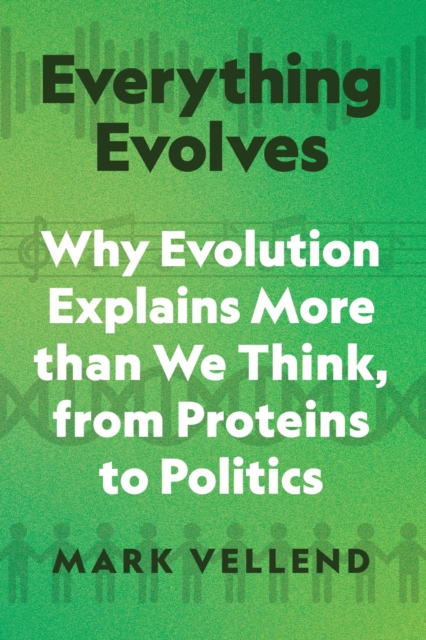
How the science of evolution explains how everything came to be, from bacteria and blue whales to cell phones, cities, and artificial intelligenceEverything Evolves reveals how evolutionary dynamics shape the world as we know it and how we are harnessing the principles of evolution in pursuit of many goals, such as increasing the global food supply and creating artificial intelligence capable of evolving its own solutions to thorny problems.
How the science of evolution explains how everything came to be, from bacteria and blue whales to cell phones, cities, and artificial intelligenceEverything Evolves reveals how evolutionary dynamics shape the world as we know it and how we are harnessing the principles of evolution in pursuit of many goals, such as increasing the global food supply and creating artificial intelligence capable of evolving its own solutions to thorny problems.
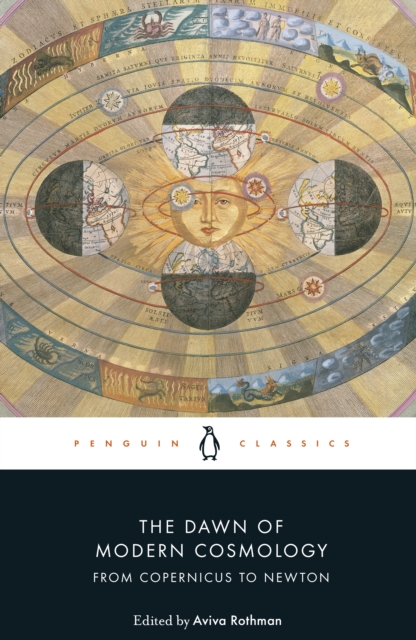
New to Penguin Classics, the astonishing story of the Copernican Revolution, told through the words of the ground-breaking scientists who brought it aboutIn the late fifteenth century, it was believed that the earth stood motionless at the centre of a small, ordered cosmos.
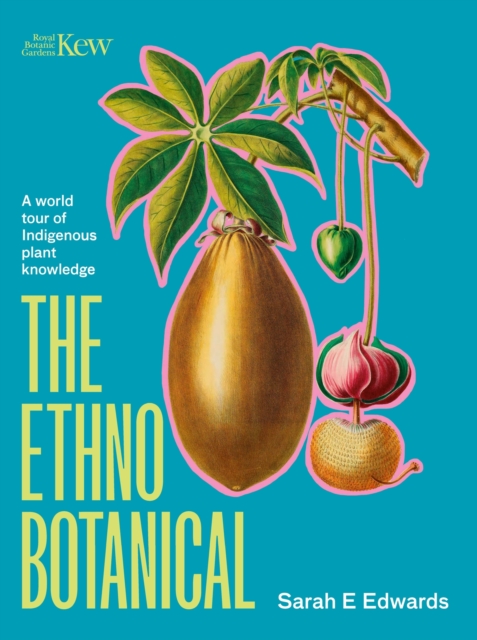
Since the beginning of humanity's existence, plants have provided us with everything we need for our survival - they sustain us with air to breathe, food to eat, materials to make clothes and shelter with, and medicine to treat and prevent disease.
A scientific adventure story that dramatizes how profoundly our oceans have changed over the past 150 yearsIn December 1872, HMS Challenger embarked on the first round-the-world oceanographic expedition.
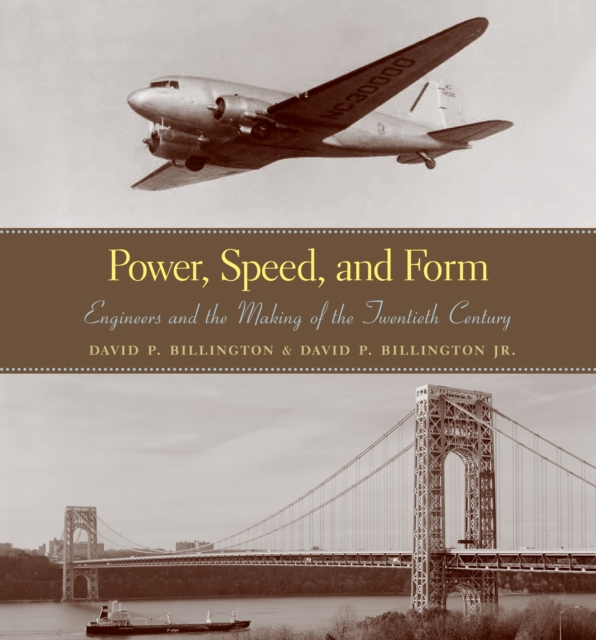
Power, Speed, and Form is the first accessible account of the engineering behind eight breakthrough innovations that transformed American life from 1876 to 1939-the telephone, electric power, oil refining, the automobile, the airplane, radio, the long-span steel bridge, and building with reinforced concrete.
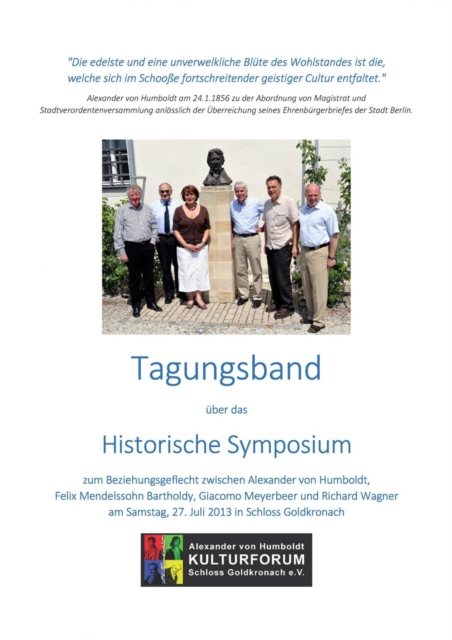
Ein großer Naturwissenschaftler und drei bedeutende Komponisten: Um das Beziehungsgeflecht zwischen Alexander von Humboldt, Giacomo Meyerbeer, Felix Mendelssohn Bartholdy und Richard Wagner zu beleuchten, war das Who is Who der deutschen Humboldt-Forschung einen Tag lang in die Humboldt-Wirkungsstätte Goldkronach gekommen.
El PACK CIENTÍFICOS 2 de la colección EN 90 MINUTOS reúne a 6 de los más destacados científicos de la historia: TURING, CRICK Y WATSON, OPPENHEIMER, PITÁGORAS, DARWIN Y ARQUÍMEDESPaul Strathern presenta un recuento preciso y experto de la vida, ideas y descubrimientos de estos seis científicos y explica su influencia en la lucha del hombre por comprender su existencia en el mundo.
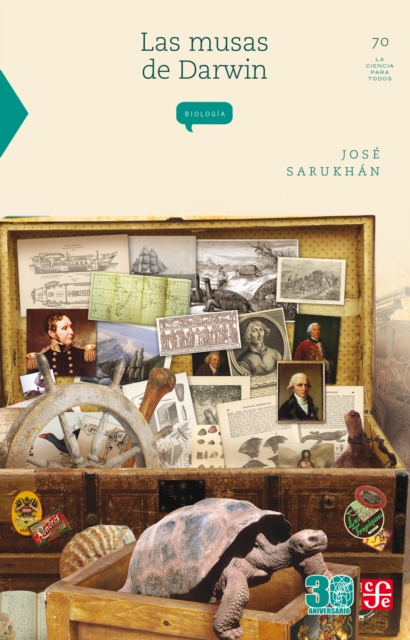
José Sarukhán ofrece en esta obra una descripción de los personajes e ideas que influyeron en la creación de los postulados descritos en Sobre el origen de las especies, a través de un relato novelado de episodios clave en la vida de Darwin y de algunos de sus contemporáneos, como Lamarck, Charles Lyell, Robert Malthus y John Gould.
How the concept of ';deep time' began as a metaphor used by philosophers, poets, and naturalists in the eighteenth and nineteenth centuriesIn this interdisciplinary book, Noah Heringman argues that the concept of ';deep time'most often associated with geological epochsbegan as a metaphorical language used by philosophers, poets, and naturalists of the eighteenth and nineteenth centuries to explore the origins of life beyond the written record.
'Deeply researched and engagingly written' The Times'Has the pace and style of a well-crafted thriller' Mail on Sunday'Chock full of memorable characters and written with all the drama and pace of a Robert Harris thriller' Rowland White, author of MosquitoSummer 1939.
'A delight' Dara O Briain'A witty, smart writer who has a great talent' Bill Gates'A winning blend of education and anecdote' Clive Cookson, FTWhy are most gases invisible, odourless and tasteless?
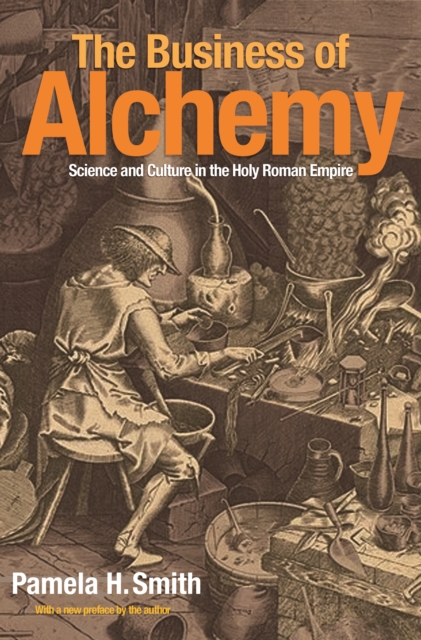
In The Business of Alchemy, Pamela Smith explores the relationships among alchemy, the court, and commerce in order to illuminate the cultural history of the Holy Roman Empire in the sixteenth and seventeenth centuries.
The fascinating untold story of how the ancients imagined robots and other forms of artificial life-and even invented real automated machines The first robot to walk the earth was a bronze giant called Talos.
How genes are not the only basis of heredity-and what this means for evolution, human life, and diseaseFor much of the twentieth century it was assumed that genes alone mediate the transmission of biological information across generations and provide the raw material for natural selection.
This book gathers wide-ranging essays on the Italian Renaissance philosopher and cosmologist Giordano Bruno by one of the world's leading authorities on his work and life.
By explaining how to sire multicolored horses, produce nuts without shells, and create an egg the size of a human head, Giambattista Della Porta's Natural Magic (1559) conveys a fascination with tricks and illusions that makes it a work difficult for historians of science to take seriously.
A fundamentally new approach to the history of science and technologyThis book presents a new way of thinking about the history of science and technology, one that offers a grand narrative of human history in which knowledge serves as a critical factor of cultural evolution.
A bold and revolutionary perspective on the science and cultural history of menstruationMenstruation is something half the world does for a week at a time, for months and years on end, yet it remains largely misunderstood.
For readers of Bill Bryson, Neil deGrasse Tyson and Siddhartha Mukherjee, a wondrous, wildly ambitious, and vastly entertaining work of popular science that tells the awe-inspiring story of the elements that make up the human body, and how these building blocks of life travelled billions of miles and across billions of years to make us who we are.
A TLS BOOK OF THE YEAR 'Anaximander is a delight and so is this book' -- James McConnachie, Sunday TimesNow widely available in English for the first time, this is Carlo Rovelli's first book: the thrilling story of a little-known man who created one of the greatest intellectual revolutions Over two thousand years ago, one man changed the way we see the world.