Of all the arts, photography has perhaps the closest association with science and technology: the physics of light and colour combined with chemistry to capture images.
'This brief book offers an interesting, fun, and widely accessible first-person tour of CERN, the European Center for Nuclear Research, the largest particle physics laboratory in the world.
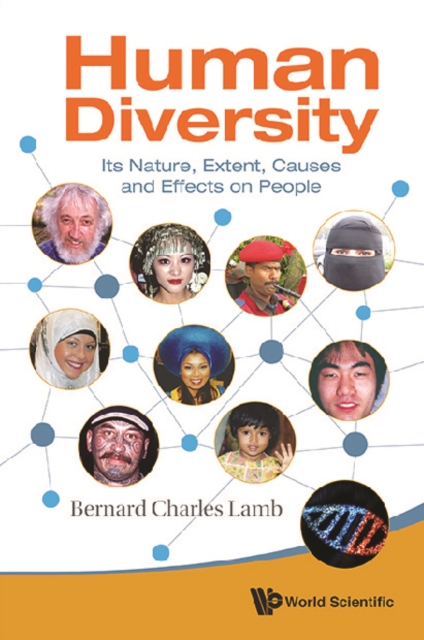
Human diversity, with its myriad of different conditions involving biology, psychology, and social structures, remains one of the biggest challenges - and opportunities - facing the species.
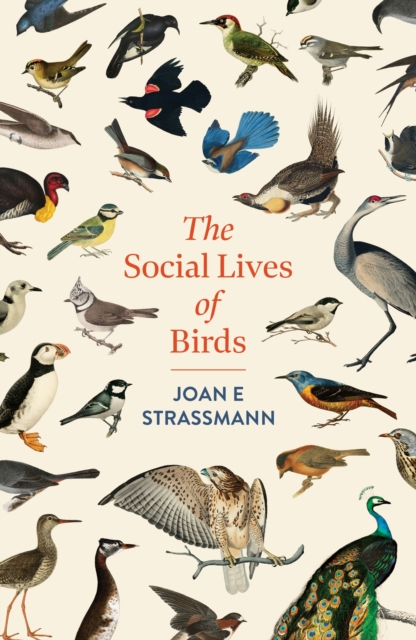
'A tour-de-force survey of how birds live their lives - with all the drama, surprise, humour, sadness and amazement of any human soap-opera' - Stephen Moss, author of Ten Birds That Changed the World'Utterly fascinating .
A little inquisitive girl and a great green turtle go on a journey that will remind them of the importance of preserving and respecting the environment.
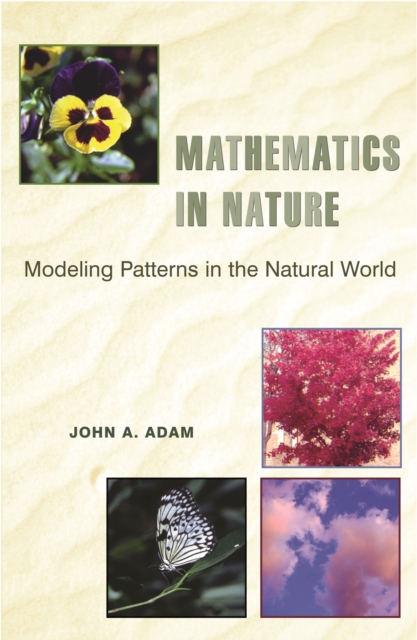
From rainbows, river meanders, and shadows to spider webs, honeycombs, and the markings on animal coats, the visible world is full of patterns that can be described mathematically.
'One of the most exciting books I've ever read'- Louise ErdrichIn this profoundly human and moving narrative, the bestselling author of The World Without Us returns with a book ten years in the making: a study of the precarious state of our planet and what it means to be a human on the front lines of this existential crisis.
SHORTLISTED FOR THE MARITIME FOUNDATION AWARD FOR BEST BOOK 2024A fascinating and original look at how the sea has defined Britain - and decided the course of its history - for thousands of years.
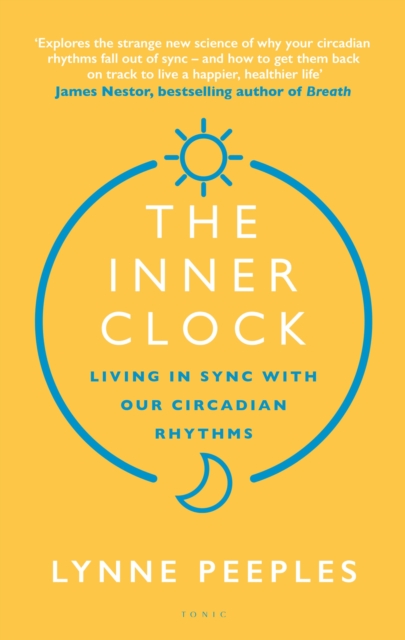
How the groundbreaking science of body clocks can help you sleep better, feel happier and improve your overall health'The Inner Clock explores the strange new science of why your circadian rhythms fall out of sync and how to get them back on track to live a happier, healthier life' JAMES NESTOR, BESTSELLING AUTHOR OF BREATH'Secrets to better sleep .
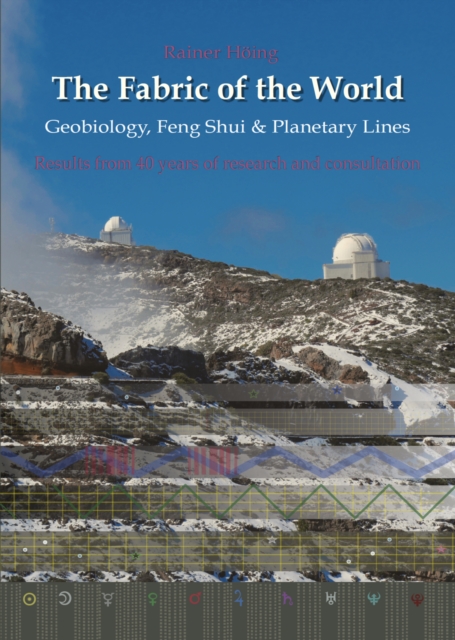
For 40 years, the author has counseled people with cancer and gained insight into the extent to which the disease reflects the energetic structure of the environment.
This book is an exploration of the integration-differentiation dynamics that result in a drive, or impulse, toward human sociality, arguing that our need to connect with other people is as fundamental as our need for food and shelter.
What sex is to interpersonal relationships, eating is to the human-environment relationship: a consummation of humans connection to the living biosphere.
If you have any interest at all in epidemiology, modern medicine, or the survival of the human race, do read The Chickens Fight Back Georgia StraightEmerging diseases like mad cow, SARS, and avian flu are for the moment, at least far more prevalent in animals than in humans.
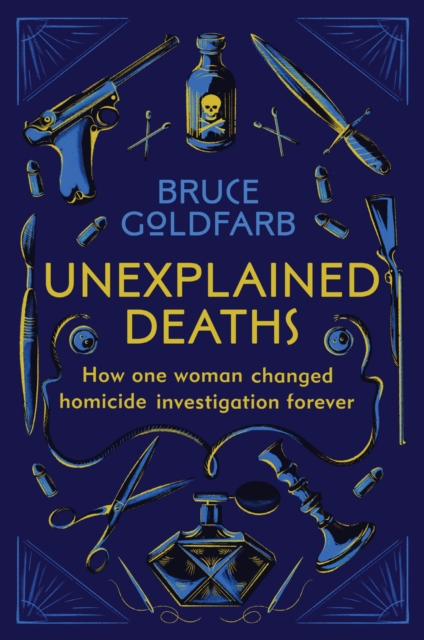
For most of human history, sudden and unexpected deaths of a suspicious nature, when they were investigated at all, were examined by lay persons without any formal training.
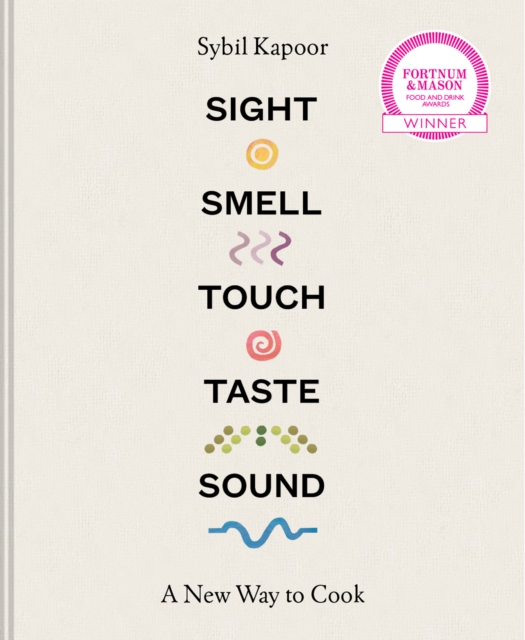
Exploring the five elements of cooking and eating: Taste, Flavour (smell), Texture (touch and sound), Temperature (touch) and Appearance, this book explains how these elements work together and how best to use them to produce simple, delicious dishes.
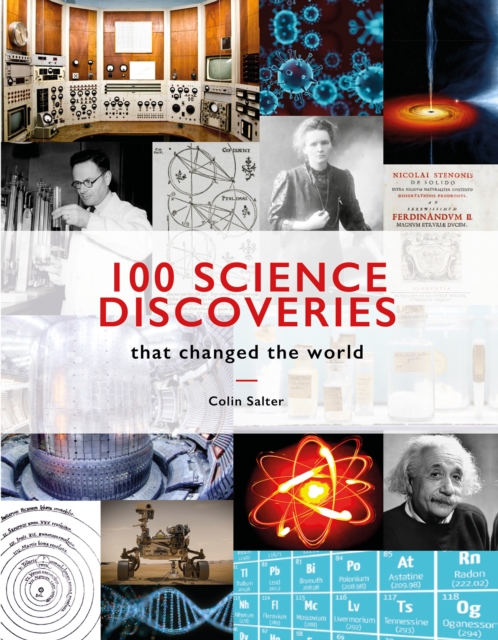
Arranged in chronological order from the early Greek mathematicians, Euclid and Archimedes through to present-day Nobel Prize winners, 100 Science Discoveries That Changed the World charts the great breakthroughs in scientific understanding.
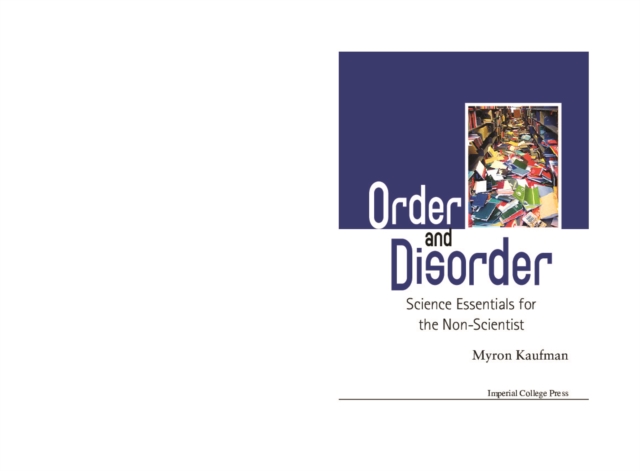
Order and Disorder is a non-mathematical introduction to the most important ideas in science for university students not majoring in a scientific area.