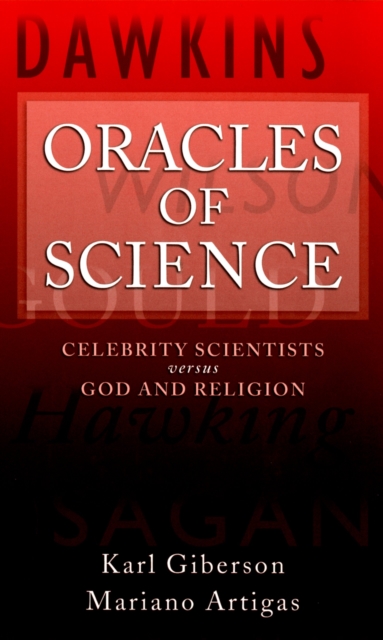
Oracles of Science examines the popular writings of the six scientists who have been the most influential in shaping our perception of science, how it works, and how it relates to other fields of human endeavor, especially religion.
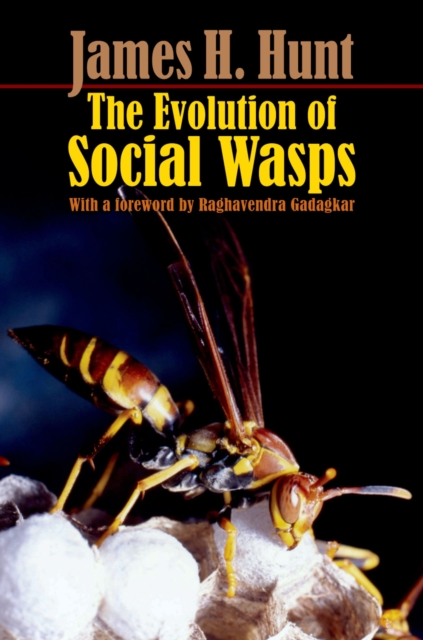
Social behavior occurs in some of the smallest animals as well as some the largest, and the transition from solitary life to sociality is an unsolved evolutionary mystery.
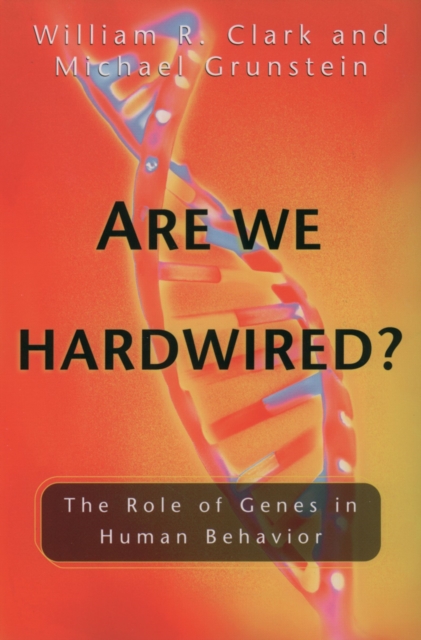
From the gene that causes people to age prematurely to the "e;bitter gene"e; that may spawn broccoli haters, this book explores a few of the more exotic locales on the human genome, highlighting some of the tragic and bizarre ways our bodies go wrong when genes fall prey to mutation and the curious ways in which genes have evolved for our survival.
Insects and fungi have a shared history of association in common habitats where together they endure similar environmental conditions, but only recently have mycologists and entomologists recognized and had the techniques to study the intricacies of some of the associations.
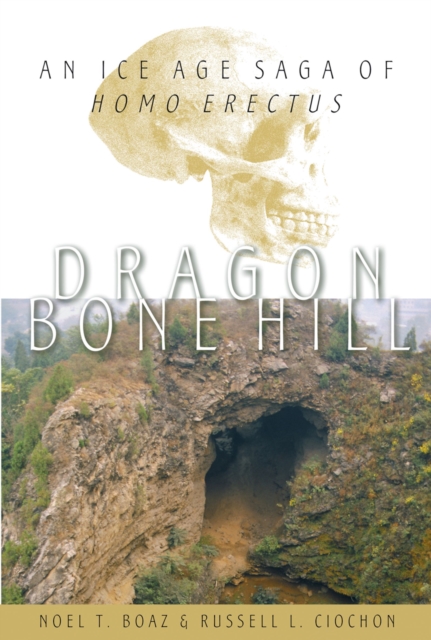
"e;Peking Man,"e; a cave man once thought a great hunter who had first tamed fire, actually was a composite of the gnawed remains of some fifty women, children, and men unfortunate enough to have been the prey of the giant cave hyena.
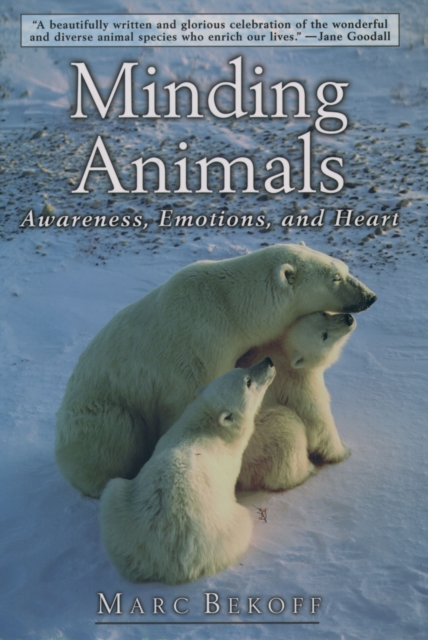
Thinking bees, ice-skating buffaloes, dreaming rats, happy foxes, ecstatic elephants, despondent dolphins--in Minding Animals, Marc Bekoff takes us on an exhilarating tour of the emotional and mental world of animals, where we meet creatures who do amazing things and whose lives are filled with mysteries.
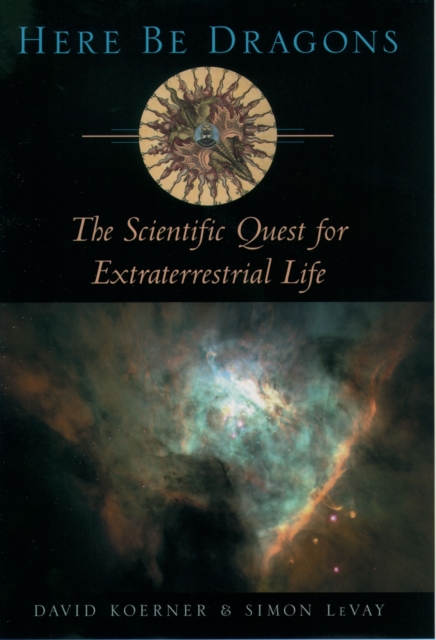
The discovery of life on other planets would be perhaps the most momentous revelation in human history, more disorienting and more profound than either the Copernican or Darwinian revolutions, which knocked the earth from the center of the universe and humankind from its position of lofty self-regard.
Most of what has been learned about how the brain mediates behavior comes from experiments of nature where a stroke or other damage to the brain produces changes in a person's behavior.
As author of the bestselling Why People Believe Weird Things and How We Believe, and Editor-in-Chief of Skeptic magazine, Michael Shermer has emerged as the nation's number one scourge of superstition and bad science.
From the revolutionary discoveries of Galileo and Newton to the mind-bending theories of Einstein and Heisenberg, from plate tectonics to particle physics, from the origin of life to universal entropy, and from biology to cosmology, here is a sweeping, readable, and dynamic account of the whole of Western science.
Few people know that nearly 100 native languages once spoken in what is now California are near extinction, or that most of Australia's 250 aboriginal languages have vanished.
This fascinating study examines the rise of American molecular biology to disciplinary dominance, focusing on the period between 1930 and the elucidation of DNA structure in the mid 1950s.
A World From Dust describes how a set of chemical rules combined with the principles of evolution in order to create an environment in which life as we know it could unfold.
A World From Dust describes how a set of chemical rules combined with the principles of evolution in order to create an environment in which life as we know it could unfold.
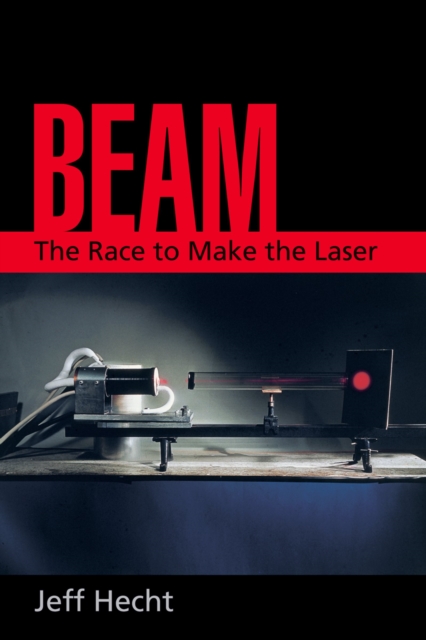
Beam is the story of the race to make the laser, the three intense years from the birth of the laser idea to its breakthrough demonstration in a California laboratory.
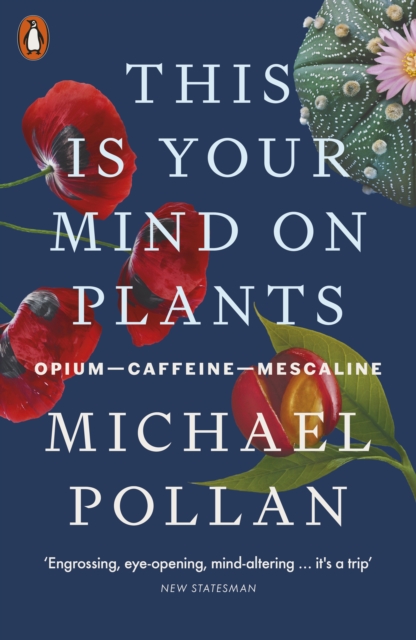
THE INSPIRATION FOR THE MAJOR NEW NETFLIX SERIES, HOW TO CHANGE YOUR MIND'It's a trip - engrossing, eye-opening, mind altering' New Statesman 'Fascinating.
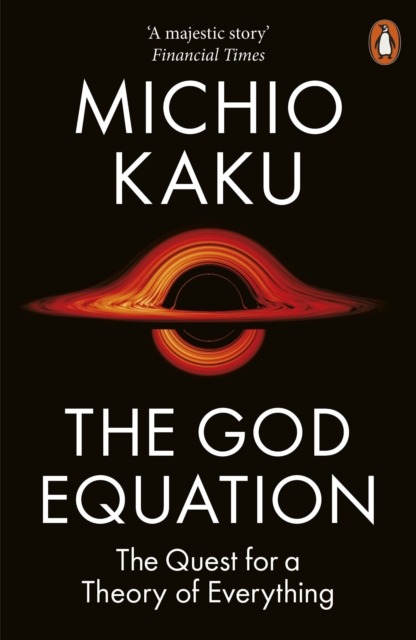
'A majestic story' David Bodanis, Financial Times From the international bestselling author of Physics of the Impossible and Physics of the FutureThis is the story of a quest: to find a Theory of Everything.
The international bestseller that gives you the facts about climate changeWhen students David Nelles and Christian Serrer struggled to find a book that explained the nuts and bolts of climate change in a way that was comprehensive, concise and enjoyable to read, they decided to write it themselves.
'A joy of a book - enriching, illuminating, eclectic and far from a conventional science read' Richard Webb, New Scientist Books of the Year'Carlo Rovelli's imaginative rigour, his lively humour and his beautiful writing are inspiring' Erica WagnerOne of the most inspiring thinkers of our age, the bestselling author of Seven Brief Lessons on Physics transforms the way we think about the world with his reflections on science, history and humanityIn this collection of writings, the logbook of an intelligence always on the move, Carlo Rovelli follows his curiosity and invites us on a voyage through science, history, philosophy and politics.
'Pontzer's findings have huge implications for our attitudes to exercise, diet and public health' Mark Webster, Sunday Times A myth-busting tour of the body's hidden foundations from a pioneering evolutionary biologist 'Public health strategies stubbornly cling to the simplistic armchair engineer's view of metabolism, hurting efforts to combat obesity, diabetes, heart disease, cancer, and the other diseases that are most likely to kill us' Herman Pontzer's ground-breaking research has revealed how, contrary to received wisdom, exercise does not increase our metabolism.
'Required reading for anyone remotely curious about how they came to be remotely curious' Observer'Enthralling' Spectator What is human consciousness and how is it possible?